


Car Rental - Spain
Rent a car in Spain and explore the gateway to the Mediterranean where an endless ‘Fiesta’ awaits. Marvel at the stunning beaches, beautiful limestone mountains and secluded cloves of coastal cities like Marbella. Or you may want to sample the thriving arts scene and legendary nightlife of Madrid, Spain’s eclectic capital.
With Hertz, there’s a car for every adventure. Whether you’re looking for a weekend car rental to witness the flamenco dances of Seville, or an electric car to sample the Michelin-starred restaurants of Barcelona, we’ve got you covered.
Tour ‘La Piel de Toro’ in style and experience convenient pick-up and drop-off points situated across the country. If you want to rent a car in Spain for the trip of a lifetime, then do so behind the wheel of a reliable car rental with Hertz.
Top Locations in Spain
A Quick Guide to Spain
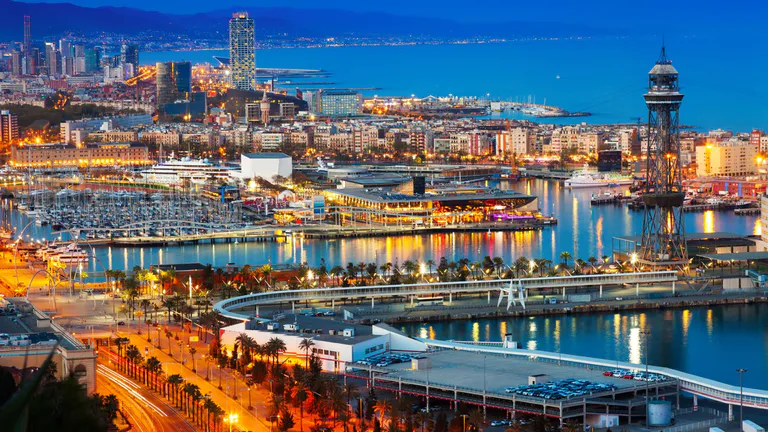
Barcelona
An electric car rental in Spain is enough for you to tour Barcelona’s marvellous churches, museums and parks. Kick off your adventure with a visit to Antoni Gaudi’s eccentric architecture, including Park Güell, La Sagrada Familia and Casa Batlló.
Then enjoy a delightful meal at the Boqueria Market, offering a wide variety of restaurants and quaint eateries. Visit the shores of La Barceloneta Beach, and gaze at the picturesque views of the Mediterranean. Finish your day off by hitting the nightlife and checking out tourist hotspots like the Gothic Quarter and Las Ramblas.
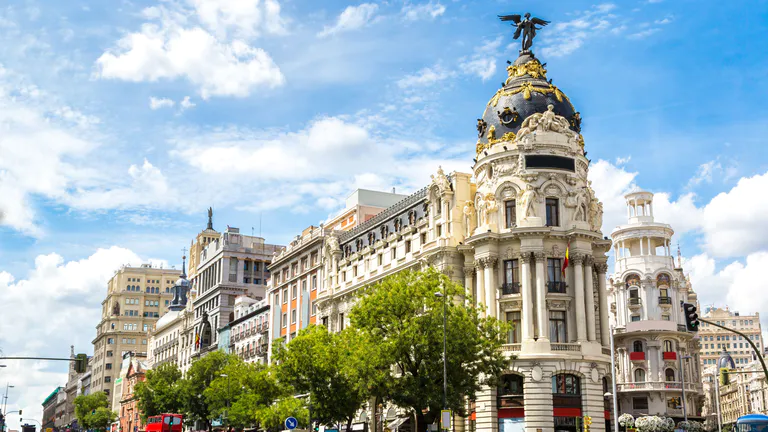
Madrid
Rent a car in Spain and tour this mind-blowing metropolis that stands boldly as an international business hub, not to mention the country’s capital. But before you perceive it as just another concrete jungle, you might miss the gently hum of a flamenco guitar playing in the distance. Madrid is a beehive of Spanish culture, boasting flamenco dancing skits and Paella-inspired restaurants.
It’s the ideal destination for a modern-day fiesta – good food, drink and company, infused with stunning architecture and historical paintings aplenty.
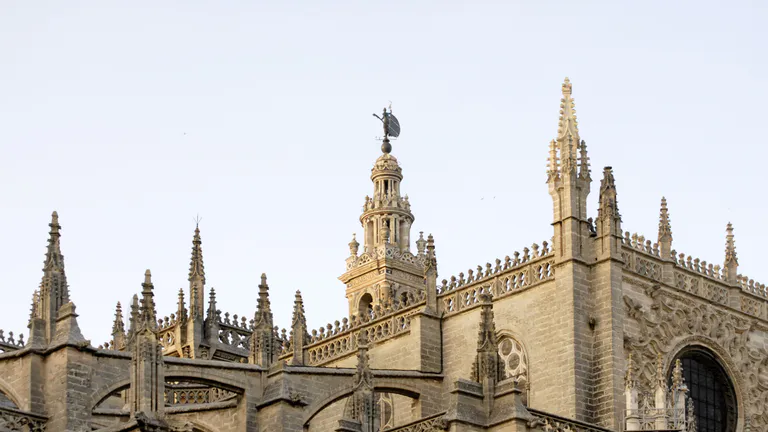
Seville
The rhythmic movements of a flamenco dancer and the casual indulgence of an evening siesta are not merely nostalgic memoirs of a Spanish renaissance writer. These cultural traditions still hold prominently in Seville, a Southern city located in the Andalusia region.
The city’s remarkable architecture features Christian, Islamic, and Jewish influences. And if you appreciate a good dose of leisure and history, then Seville’s narrow cobbled streets and century-old neighborhoods will leave you mesmerized.
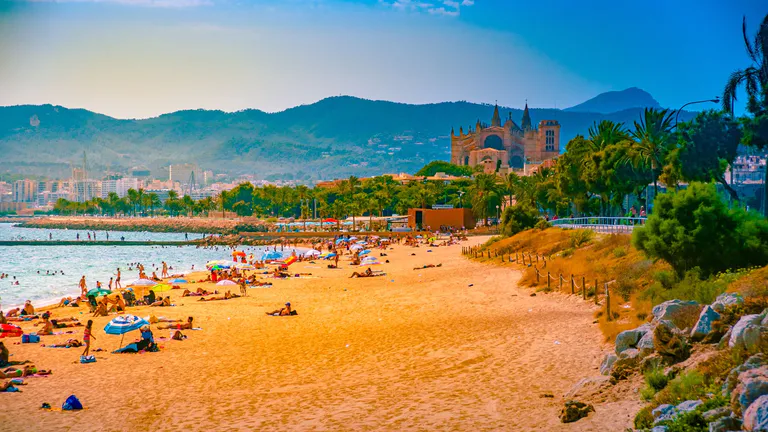
Palma de Mallorca
Mallorca, the region surrounding Palma, is an impressive landscape and a treasure-trove of adventure. You can kick off your ‘viaje’ of this picturesque town by touring the nearby Serra de Tramuntana Mountain range that runs gloriously along the northern coast. Or perhaps you’d prefer to gaze at the galvanizing cathedrals and palaces of Palma that you must see up close to believe? Couple that with quaint restaurants serving delectable food and drink, and you’ll have a hard time leaving Palma and its surrounding paradise.
Valencia
Valencia is a pleasant coastal city, characterized by its alluring citrus trees and magnificent golden sandy beaches. It might not have the allure of a Barcelona, or the city vibes of a Madrid, but few things are as breath-taking as watching cerulean waves rising gently along El Cabanyal Beach.
Tour the city’s cobblestone streets and fall in love with the home of the Paella, offering several eccentric recipes of this Spanish cultural dish. From history to contemporary art, there’s a lot to discover in this vibrant coastal city.
Driving In and Around Spain
- Motorways: 120 kph (75mph)
- Dual Carriageways: 120 kph (75 mph)
- Main Roads Outside Built-up Areas: 70-100 kph (43-62 mph)
- Main Roads With Built-up Areas: 50 kph (31mph)
Explore Spain

Top 10 Valencia Attractions
Not all great cities are ostentatious. While Paris preens, London loves glitz, New York swaggers, and Barcelona is bold, Valencia quietly gets on with the business of being a brilliant place to live and visit. This coastal Spanish city is very much the match of its national competitors, the capital and first city of Madrid, and Barcelona with its Modernism and the plentiful wonders of Gaudi.

Top 10 Malaga Attractions
Malaga has always been something of a secretly wonderful location, nestled among the more visitor-centric Costa del Sol destinations. But recent investment has transformed it and taken this city to another level entirely. Today, it’s so much more than a one-trick beach location. You can find art in museums and on the streets, a redeveloped port, history around every corner, and so much mouth-watering food.

Top 10 Attractions in Seville
Seville epitomizes old-world glamour. This is a Spanish city that’s proud of its past – Moorish architecture provides the backdrop as flamenco dancers stamp along to pulsing melodies in honey-toned squares, while horse-drawn carriages clip-clop and rumble along quaint cobbled streets.

Three Perfect Days in Bilbao
Boasting brilliant art galleries, world-class restaurants, and a seemingly endless supply of historical architecture, Bilbao is a city with so much to see and do.
