


Members-only perks


06/15/2023 • 5 min
The hidden costs of owning an electric car that you need to know
If you’re worried about the hidden costs of owning an electric car, this Hertz guide can uncover any potential fees that may have slipped your mind.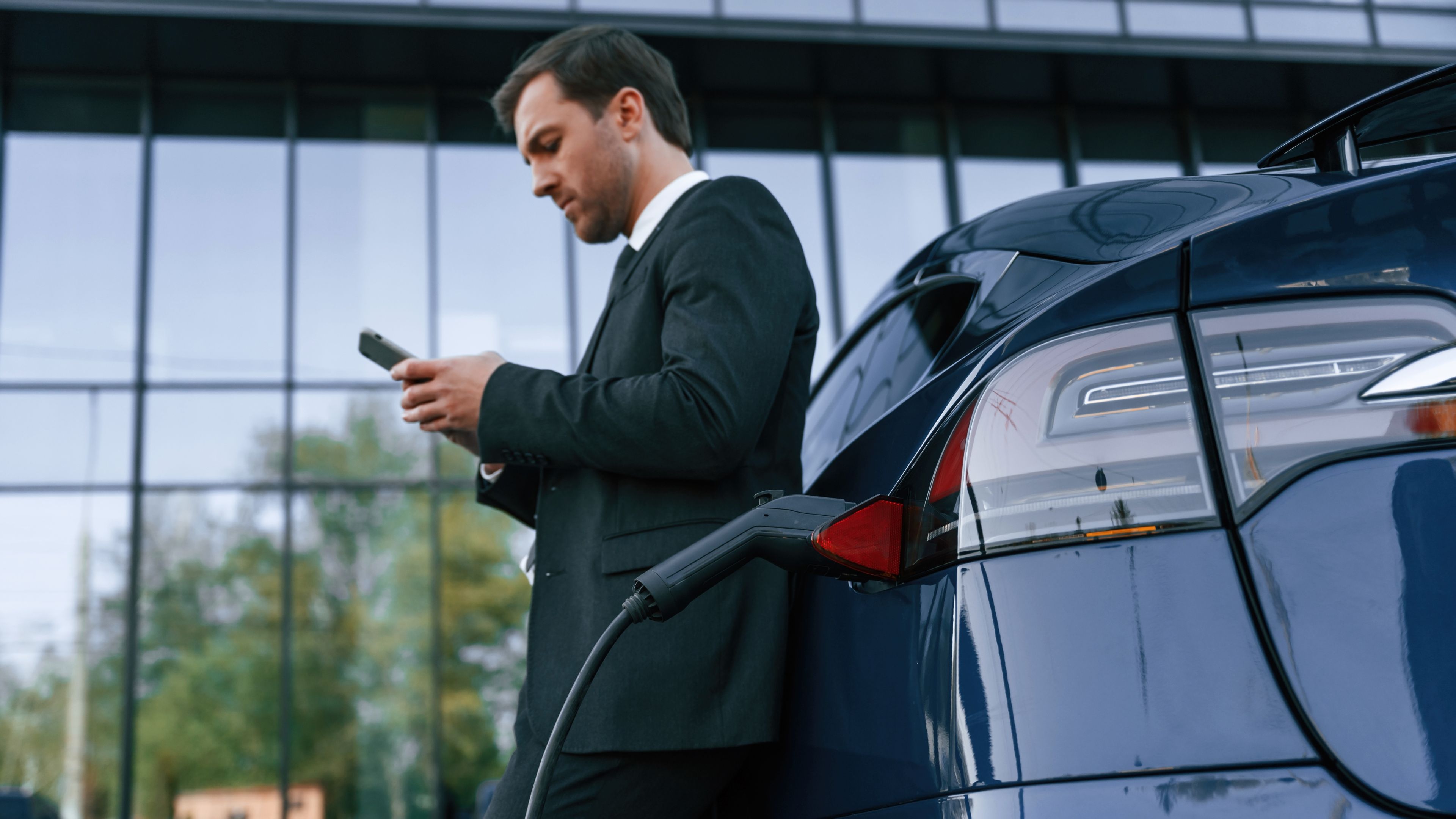
Electric vehicles (EVs) are considered the cars of the future. They’re marketed as cost-effective, environmentally-friendly options. But there can be hidden costs of owning an electric car. Let’s take a look at some standard electric car fees that might surprise you down the road.
How much does an electric car registration fee cost?
Eventually, they settled on an annual fee of $100. But this sparked fear about the potential to increase EV prices to nearly 5 times their present value.
Currently, Georgia has the most expensive registration fee in the country with annual costs peaking at $212.78 At the other end of the scale, Colorado only charges $50 for EV registration. But States like Utah have rapidly increased registration pricing from $60 in 2019 to $120 in 2022. It’s this trend that poses an unknown cost many potential EV owners.
What is the average cost of an electric car annually?
Insurance Premiums
Insurance premiums on EVs are generally higher than those of gas-powered cars. This is because EVs cost more to repair and replace parts in case of an accident or serious vehicle malfunction. Most insurance premiums would rather play it safe and bump their pricing on Evs. The average EV insurance premium costs about 15 to 20% more than that of gas-powered cars.
Installing a Home-Charging Station
Despite being the cheapest charging method, installing a home-charging station has its disadvantages. A Level 1 charger with an output of 120 volts might be the most affordable charging option, but its long wait time of 24 to 36 hours doesn’t make it practical – especially if you’re commuting daily.
Daily commuters may have to install a Level 2 electric charger that can charge their car much faster overnight. But installing a Level 2 charger doesn’t come cheap. It can cost anywhere from $1500 to $2500 to install this charger, plus labor charges. You might even have to pay more if your home needs an electrical upgrade to accommodate the charging station.
If the home charging option is a little out of your budget, you may have to rely on public charging ports. While these public ports are much cheaper than gas, you’ll spend way more charging on the road than at home.
Public ports are either priced by time spent charging or by KWh of electricity consumed. Other faster charging options like DC chargers can be expensive but can give you up to 100 miles of charge in just 10 minutes. It’s important to take into consideration factors such as time, convenience and budget.
Many EV brands advertise their cars as pre-installed with the latest self-driving features and technology. But you’ll discover that many of these cutting edge options are bought as add-ons worth thousands of dollars. A good example is Tesla’s self-driving feature which costs an impressive $10,000-$15,000 to add to the car . That means you’ll have to set some money aside to experience the full range and features of certain EVs.
High Cost of Repairs and Replacements
Finding an experienced EV mechanic can be challenging. With the modern EV industry still fairly new, technical know-how and competence to repair vehicle malfunctions can be difficult to come across. Add this to any scarcity of spare parts, and you can see why EV owners might be reluctant to visit a repair shop.
With time, EVs also get range loss because their batteries degrade . So expect a full battery charge to cover a shorter distance after several years. You'll eventually have to replace the battery and this might also be costly.
What’s the average cost of an electric car from a Dealer?
There’s no denying that EVs have become increasingly popular in the country, which in turn contributes to price inflation. According to a report by Kelley Blue Book, the average price of a new electric car in the United States is $66,000.
Yet despite the steep price and hidden costs of owning an electric car, Americans are buying EVs more than ever, thanks to their lower running costs and reduced carbon emissions.
Electric vehicles have their own unique costs and fees vs. their gas-powered counterparts, but buying and owning a vehicle should be done to provide the greatest lift to you and your life. So now that you know some of the unique costs of EV ownership, check out our blog on the benefits of owning an Electric Vehicle to get the best understanding possible before making a purchase decision.
Related Articles
Do I Need to Return an EV Rental With a Full Charge?
Hertz offers three great options options to recharge your rental EV. Read about them below.

Are electric cars better for the environment?
As people across the world consider the environmental impact of everyday life, many are exploring ways to reduce their carbon footprint with Electric Vehicles (EVs).
Five Ground-Breaking EVs: What is the Best Electric Car Ever?
Electric cars are becoming more and more innovative, affordable and reliable. As a result they’re now so popular that even some their biggest skeptics are beginning to take notice.
