


Members-only perks


01/20/2023 • 5 min
Gas vs EV - Which is right for you?
Considering an electric car next? Learn about gas cars vs electric cars, charging costs of electric cars, and the environmental benefits of electric cars.
For a long time, electric vehicles struggled to overtake their gas-powered counterparts – both at the filling station and on the freeway. But innovation in the EV market means that electric cars are becoming quicker, more economical, and more affordable – not to mention more environmentally friendly - than the automotive engineering that first appeared way back in the late 1800s.ir. We have now reached a point where people are starting to take note of the benefits of electric cars, whether as a personal vehicle, corporate fleet and even EV rental.
This, coupled with the fact that some states in the US have announced plans to ban sales of new gasoline vehicles in the next decade, means more drivers are choosing to go electric – and EV registrations in the US are always on the rise And while electric vehicles still make up only 4.6% of the new car market, that number looks set to increase as more people see the benefits of switching.
If you’re considering an electric car as your next vehicle for your driveway or your next business rental, it’s important to understand the main differences between EVs and gas vehicles, and the pros and cons of electric cars.
Types of EV Car
Where once choosing electric would have limited you to just a few vehicles, there are now plenty of options for every type of driver, with more arriving on the market each year. Although hybrid cars have risen in popularity in recent years, this article will cover Battery-Electric Vehicles (BEVs), which are powered solely by electricity.
Below are two stellar examples of electric vehicles – both available to rent with Hertz. If you’re thinking about making the switch to electric, why not take them for a practice run first and see how you get on?
Arguably the brand that made EVs desirable, Tesla has revolutionized the electric vehicle market. The Tesla Model 3 is a sleek and compact sedan featuring some of the most advanced tech you’ll find in any vehicle, electric or otherwise. With zero emissions, up to 260 miles’ range on a single charge, and 0-60 in 5.3 seconds, the Tesla Model 3 is an electric vehicle worth taking for a test drive.
Polestar manufactures premium performance electric vehicles, and the Polestar 2 exemplifies that. With 408 horsepower, a Google-powered touchscreen, all-wheel drive and up to 270 miles’ range, the Polestar 2 is an impressive example of what modern electric vehicles can do. And if buying one outright isn’t viable for you, picking one up as a rental when you next need a short-term ride could be a great way to find out for yourself what the hype is about.
The price of charging an electric car can be affected by factors such as:
- Where you live – different states pay different rates for electricity, so it could cost you more to recharge in some places than others.
- The model of car you drive – just as with gas-powered cars, EVs have different efficiencies. Some will get you further than others on a single charge.
- Where and when you power your car – charging your car at home will work out cheaper than changing on the go. Similarly, charging at night could also save you money as electricity is often cheaper during off-peak hours.
- City vs highway driving – depending on the type of driving you do, your car may be more or less efficient. The same applies to hilly or rough terrain.
Here’s how to get a rough estimate of the price of charging an electric car:
- Find the vehicle’s kilowatt-hour (kWh/100) miles rate.
- Multiply this by your electricity rate – this is measured in cents per kWh. This will be on your electricity bill.
- This calculation will give you an estimated electricity cost per 100 miles driven.
With the cost of living increasing and many households struggling to make ends meet, the price of gas can be a worry for some. Electric vehicles could be a more economical answer for those looking to save on their fuel costs.
If you live in a city with good public transport, you might even be questioning whether you need to own a car outright. With Hertz, you could reduce your monthly spending on vehicle insurance, tax, fuel and maintenance and still have access to a car whenever you need one.
With 4,000 Hertz pick up locations and a fleet of electric vehicles to choose from, rent a car with us for your next road trip.
EV ranges are increasing
Many drivers of gas-powered cars are hesitant to switch to electric because they worry about losing power on longer journeys or spending hours charging an electric car. This may have happened with some electric vehicles in the past, but data from the IEA shows the average range of electric cars has more than doubled in the last decade.
Improvements in battery technology found the average range for an EV vehicle in 2021 was 217 miles, the maximum being 520 miles. This means there’s no need for range anxiety when planning a road trip in an EV.
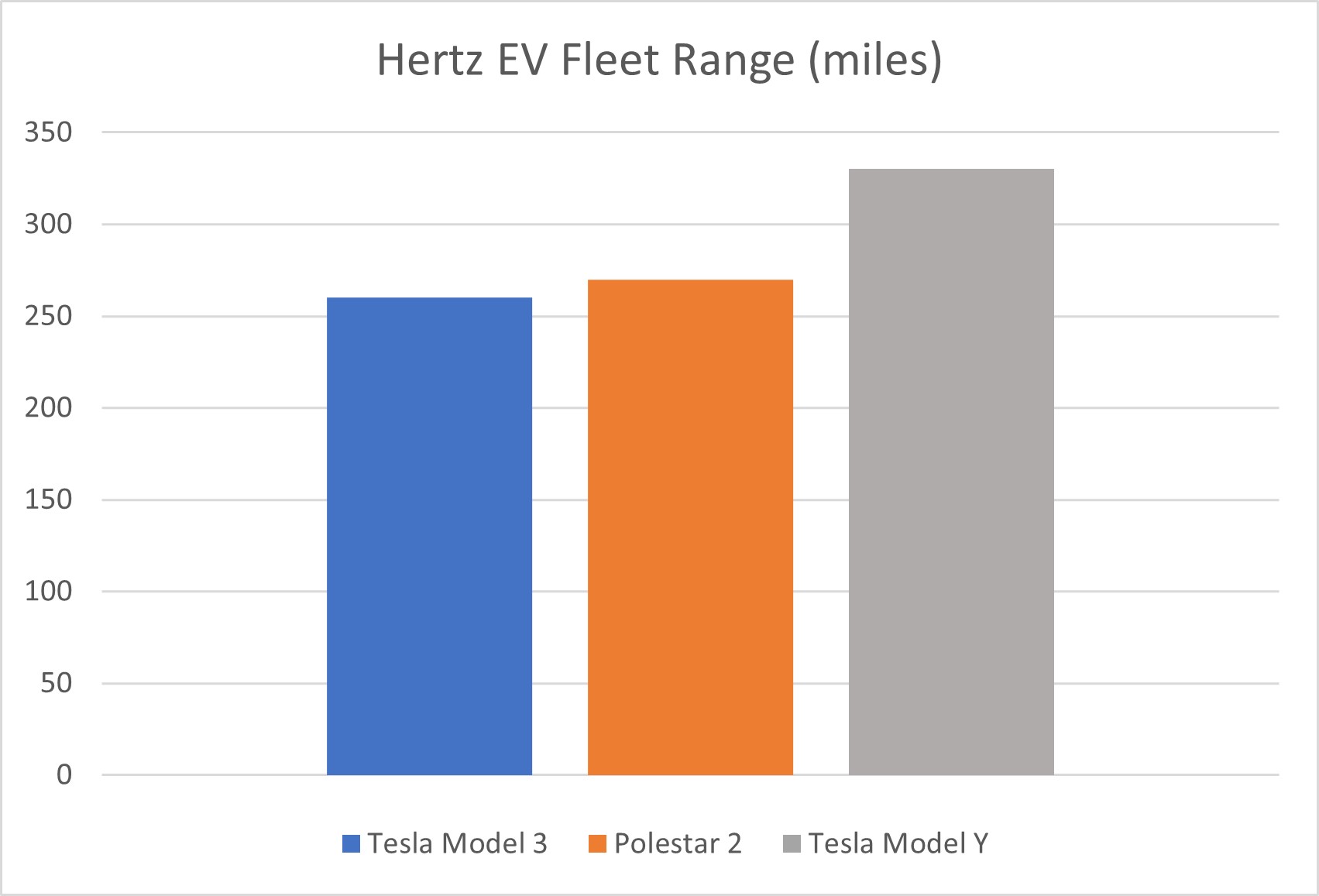
Just as the recharge costs for your EV can vary, there are also a number of factors that might impact range. Things like:
- Cold weather – it’s normal for an electric vehicle to travel more miles on a summer’s day than in the winter, as colder weather can impact battery heating efficiency.
- Tire traction – if your tires aren’t gripping the road as effectively as they could, your vehicle won’t be as efficient.
- Payload – the amount of weight you’re carrying will impact how far you can travel on a single charge.
- Wind – if you’re driving into a headwind this will slow you down, but the wind behind you could help you get further, for less.
- Speed – driving in excess of 65pmh reduces electric cars’ efficiency.
- Heating or air conditioning – using temperature controls in your car drains the battery faster, meaning there is less energy available for driving.
Charging stations
There are over 40,000 EV charging stations across the US, and nearly 100,000 charging outlets installed in public spaces. Recharging an EV is just like filling up with gas, but instead of a nozzle at a gas station, you use a connector at a charging station. Read our guide to charging an electric car to learn more.
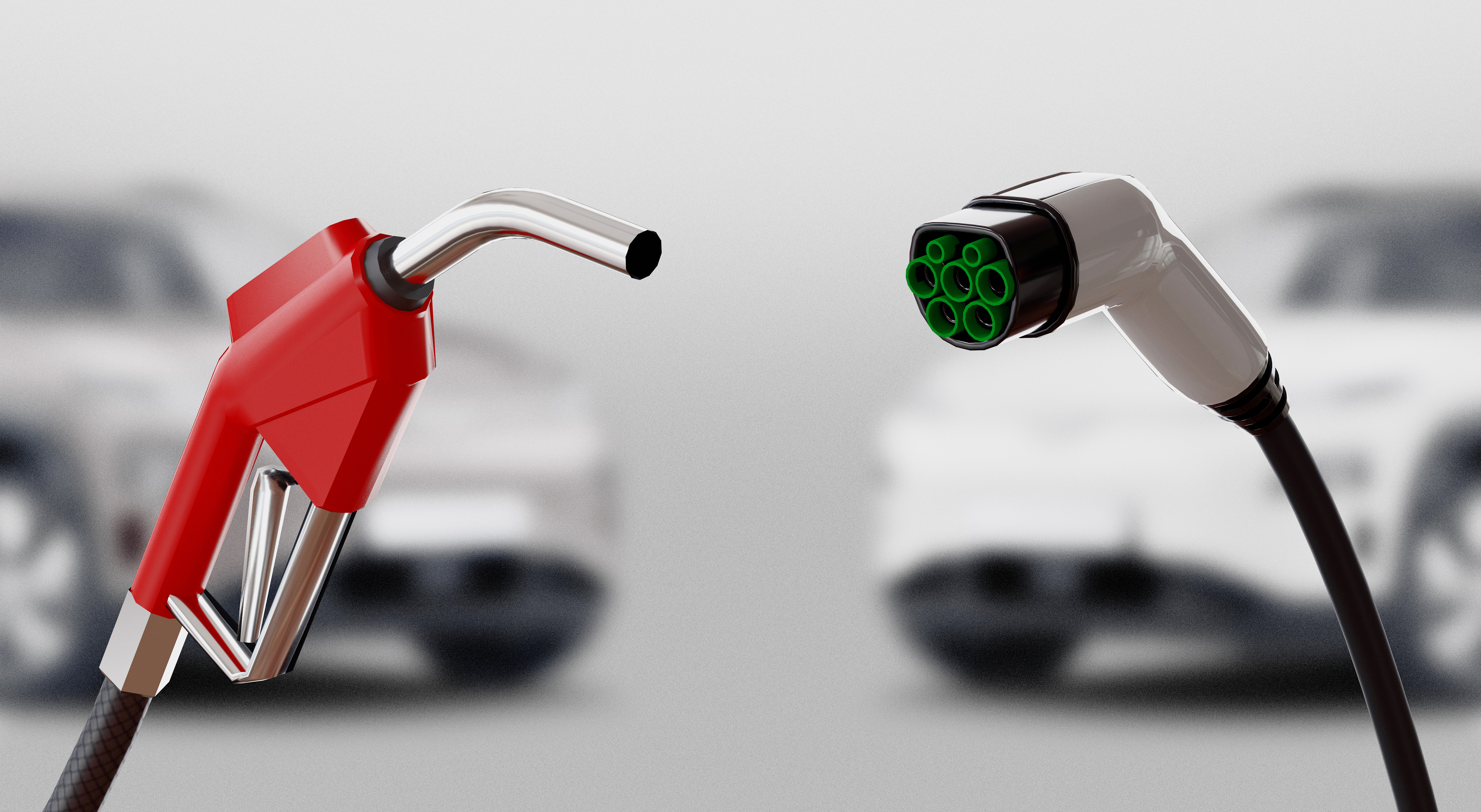
Electric Cars vs Gas Differences
- Zero emissions – The question that always pops up: are electric cars good for the environment? Electric cars produce no emissions while driving. This means cleaner air and fewer pollutants. The electricity used to power the vehicle may be generated using fossil fuels or renewable energy.
- Gas cars cost more to maintain – according to Consumer Reports, electric vehicles are $4,600 cheaper to maintain than gas cars on average.
- Torque and acceleration – many electric vehicles have a much faster acceleration than gas vehicles, which means they can be equally fun to drive. That said, the sound of a revving internal combustion engine is iconic for many people.
- Tax incentives - depending on the electric car you choose; you might be able to claim a one-time government tax credit of up to $7,500.
- Future-proof – with many states announcing plans to ban the sale of gas-powered cars at some point in the future, choosing electric now means you’re one step ahead of the game.
Pros & Cons of Electric Cars
Pros
- Low maintenance - electric vehicles are $4,600 cheaper to maintain than gas cars according to Consumer Reports.
- Low cost per mile – The same 2020 Consumer Reports study found that electric vehicle drivers spend 60% less each year on powering their cars.
- Good performance – With great acceleration, hi-tech specs and long range, electric cars offer solid performance and reliability.
Cons
- Higher cost - higher than an equivalent gas-powered car. But as the market expands and demand for EVs increases, the price may come down to meet consumer needs.
- Limited fast charging – Charging on the go can take a while, and with limited fast charging bays it can be an issue if you’re in a hurry.
- Range limits – The average range of 217 miles won’t get you as far as a full tank of gas.
- Battery life – As with all batteries, EV batteries degrade over time. The battery will gradually lose charge as the years pass, meaning your range will decrease too.
Summary
Both gas and electric cars have their advantages, and drawbacks. While the combustion engine created the motor car as we know it today, burning fossil fuels may not be sustainable forever. Electric cars have progressed in leaps and bounds since the early models, and offer a clean, efficient, and reliable alternative to gas. The future of car driving might just be in the EV – but for the time being, the gas-powered car is still the mainstay of personal transport for millions
If you’re considering making the switch to an eco-friendlier vehicle, why not test an electric car yourself with Hertz? Our fleet of electric vehicles are available to rent from 4,000 pickup locations in the US, perfect for your next road trip, vacation, or just a test drive with the family.
Related Articles
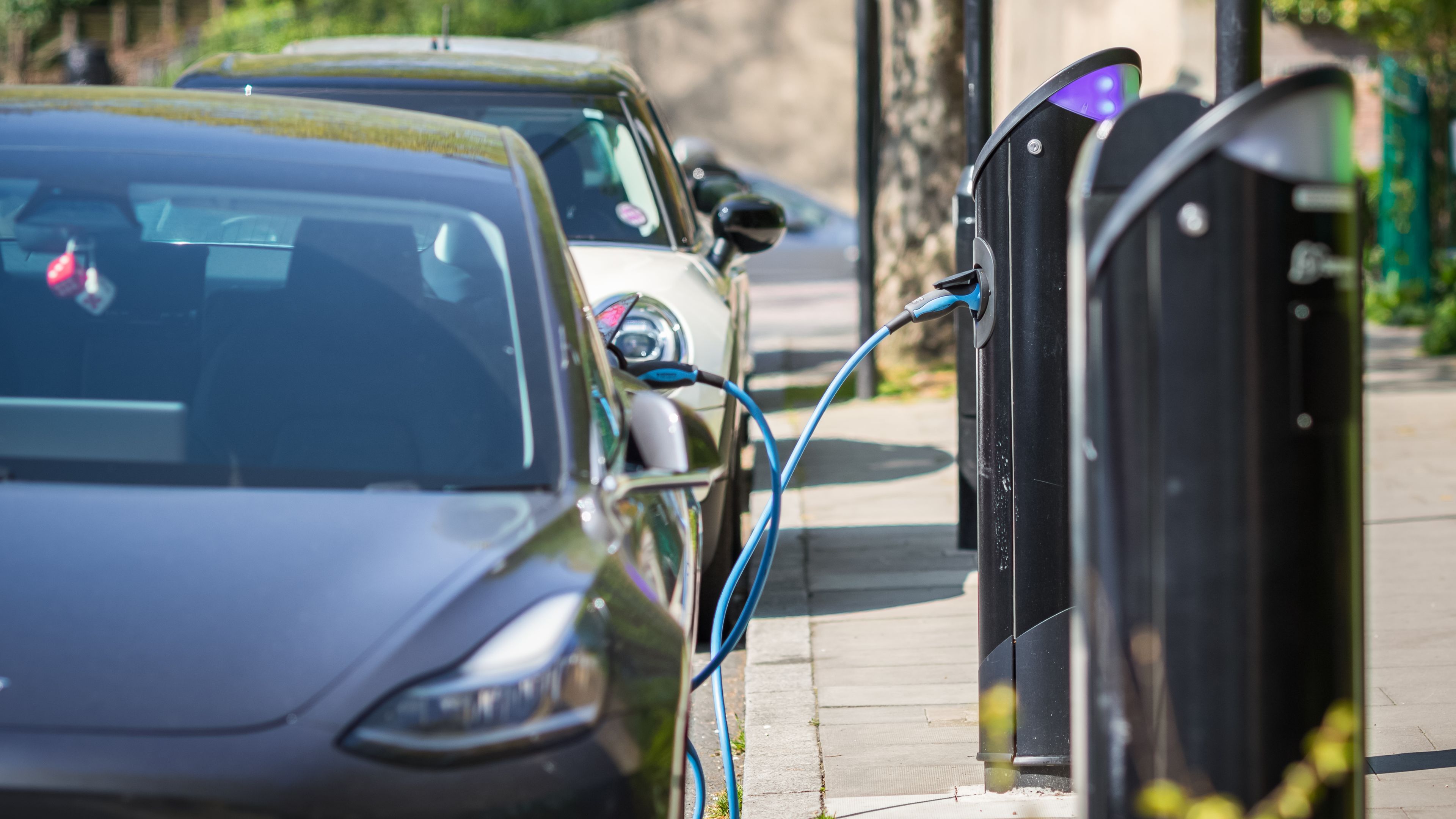
Do I Need to Return an EV Rental With a Full Charge?
Hertz offers three great options options to recharge your rental EV. Read about them below.

Are electric cars better for the environment?
As people across the world consider the environmental impact of everyday life, many are exploring ways to reduce their carbon footprint with Electric Vehicles (EVs).
Five Ground-Breaking EVs: What is the Best Electric Car Ever?
Electric cars are becoming more and more innovative, affordable and reliable. As a result they’re now so popular that even some their biggest skeptics are beginning to take notice.
