


Members-only perks


06/16/2023 • 5 min
How long do electric car batteries last?
Learn how long electric car batteries last plus how long it takes to charge an electric car. Get the answers you need around the durability of EV batteries.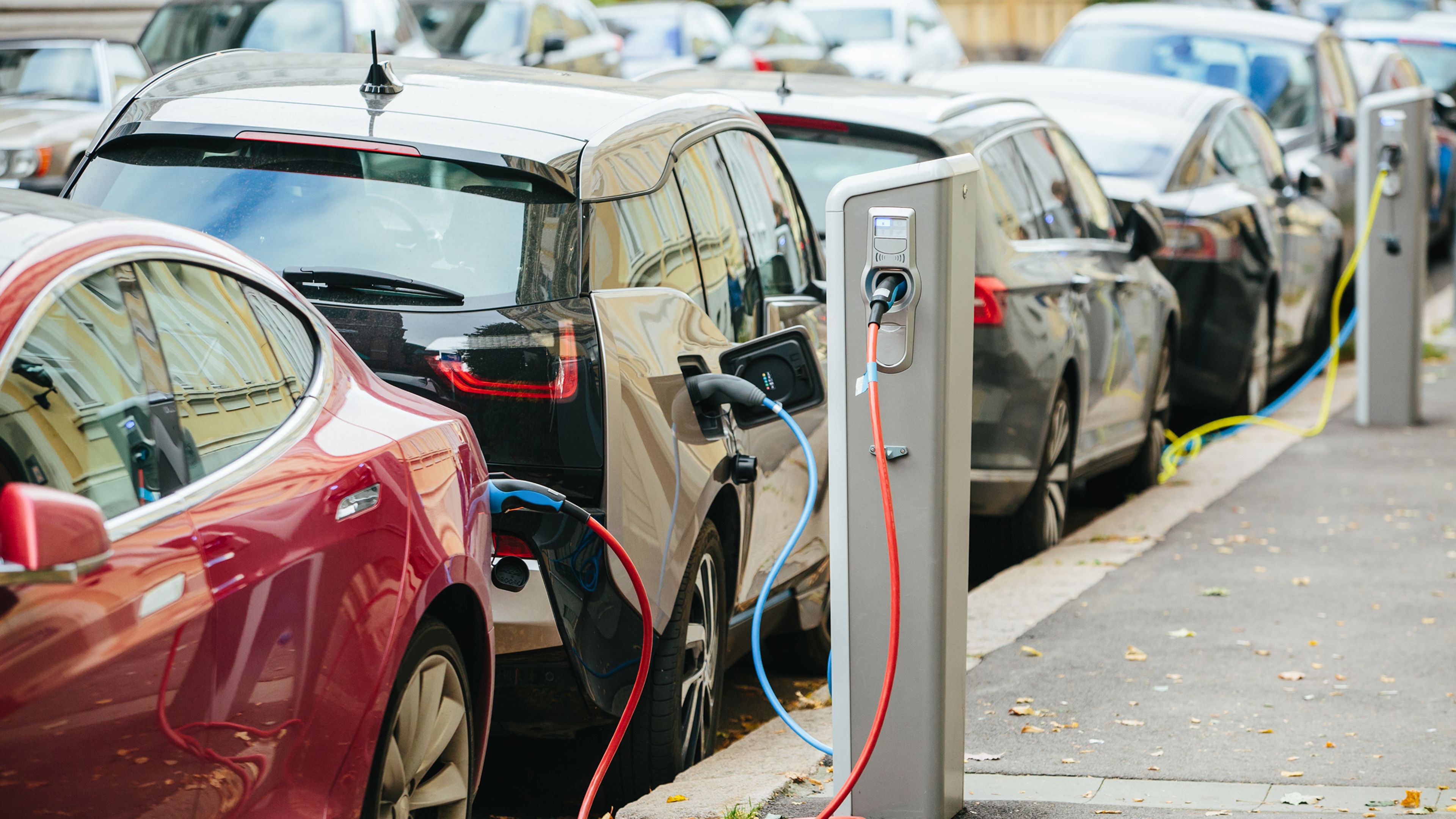
Electric vehicles (EVs) aren’t the future - they’re the present. As the price of gasoline rises and the focus on low-emissions driving continues to grow, so does the demand for electric vehicles. In fact, EVs have been steadily gaining ground in the US over the last decade. Typical hang-ups like ‘limited driving range’ and ‘long charge time’ are now no longer an issue and today's EVs can run 200 miles on a single charge. Some even further.
However, it may be that not everyone is convinced yet. To some, there might be a few unanswered questions, including how long electric car batteries last. In a world that is looking to make dependable electric cars the norm, this is an important question. Read on to learn how long electric car batteries last and some other facts know about the electric side of vehicles before taking the plunge yourself.
How long does it take to charge an electric vehicle?
While this is a frequently asked question, there are unfortunately no straightforward answers because it depends on a host of variables. There are several factors such as battery age, temperature, battery composition and so on, that decide the charging time of an electric car. But there are two main things to consider. These are:
Charger level (power source)
There are Level 1, Level 2, and Level 3 (or fast DC) connections.
Level 1 is your 120-volt kitchen power outlet. Theoretically, it will work. But imagine trying to fill up a gas tank with a squirt gun. It's recommended that you have a Level 2 connection for your EV with 240 volts and 40 to 50 amps. This will maximize the effectiveness of your car's inbuilt chargers. For the fastest charge, users need a Level 3 connection, also known as the DC fast charger. With this, it's like filling a barrel with a fire hose.
That's not all though. Other considerations come into play when calculating the charging time of an electric car.
Battery size
As the race for EV supremacy builds up, battery sizes start to reach more impressive dimensions. The size of the EV battery is a major factor in the charge time. For example, a GMC Hummer EV can take up to 350-kW intake. That's a massive battery compared to a more modest 112.0-kWh pack found in a Lucid Air.
It’s worth noting that bigger is not always better when it comes to getting more mileage out of an EV battery. The Lucid Air, with 100 kWh less in the diminutive battery pack, can run 40% more on a single charge than the Hummer with a behemoth of a battery. Factors such as vehicle weight and heat distribution in the battery can have drastic effects on how long a car runs, making it a key factor EV producers have to consider as well.
How long do electric car batteries last?
Another common concern for first-time EV buyers is how long will electric car batteries last. Life with smartphones has taught us one thing – rechargeable batteries have a life span and degrade over time. Car batteries are no different. But the question is - how long will your new electric car's battery last?
Manufacturers seem confident: the current breed of EVs sold today come with a solid 100,000-mile and 8-year guarantee. Batteries in electric vehicles are usually Lithium-ion batteries. These batteries have hundreds of cells inside that can hold their capacity from 100,000 - 200,000 miles, meaning they could last a decade and more.
Are electric car batteries as green as claimed?
EV batteries are actually very eco-friendly. When answering 'how long do electric batteries last', we need to mention that EV batteries actually have a second life. When an EV battery loses its capacity to drive a vehicle, another set of uses revs into the picture.
In its second life, the battery still has 70% of its original capacity. This means it can be used to power anything from your home solar panels to manufacturing plants. This may leave people thinking, “Should I go for a car that only can do 70% later on?”. However, this question is almost redundant, as the primary EV life is so long, you probably would have switched your car for a newer model before you reached this point!
Global car manufacturer Toyota plans to use ex-EV batteries to power convenience stores in Japan. Other car companies like French brand Renault have also laid out detailed recycling blueprints. Renault plans to use their used batteries to run Powervault – a home energy battery storage system. Nissan has similar plans with their Nissan Leaf car batteries and plans to use them to power homes and businesses.
In summary, it’s not true that an electric car battery has a very limited lifespan compared to an internal combustion engine. With many potentially decades of service and six-figure mileage, you can be sure to enjoy your electric vehicle for plenty of road to come.
To try an EV yourself, why not rent a car with Hertz today?
Related Articles
Do I Need to Return an EV Rental With a Full Charge?
Hertz offers three great options options to recharge your rental EV. Read about them below.

Are electric cars better for the environment?
As people across the world consider the environmental impact of everyday life, many are exploring ways to reduce their carbon footprint with Electric Vehicles (EVs).

Five Ground-Breaking EVs: What is the Best Electric Car Ever?
Electric cars are becoming more and more innovative, affordable and reliable. As a result they’re now so popular that even some their biggest skeptics are beginning to take notice.
