


Members-only perks


01/20/2023 • 5 min
Are electric cars better for the environment?
As people across the world consider the environmental impact of everyday life, many are exploring ways to reduce their carbon footprint with Electric Vehicles (EVs).
If you’re considering purchasing or renting an environmentally friendly vehicle, you might naturally guess that a car that doesn’t run on gas and doesn’t have a tailpipe would be better for the environment. However, there are a range of factors that contribute to a car’s footprint. With 45% of electric car owners choosing their vehicles based on their impact on the climate, we’re taking a deep dive into the environmental cost of EVs and asking: Are electric cars better for the environment?
What are electric cars?
Simply put, electric cars are vehicles that run on electricity. Prior to the 21st century, and arguably the 2010s, almost all cars used an internal combustion engine (ICE) and ran on fossil fuels, either gasoline or diesel.
EVs, on the other hand, are powered by an electric motor that draws power from an onboard rechargeable battery. Much like anything else with a battery, electric cars require recharging once the stored power has been drained. Recharging can be done at public charging stations or, if you have the right set-up, at home.

Are there different types of Electric Vehicles?
While there’s an increasing number of electric vehicle brands to choose from, the key difference between EV types is how they’re powered. When comparing the variations, it all boils down to how much power comes from the battery and how much, if any, comes from the gas tank.
- BEV – Battery Electric Vehicles
Running purely on electricity via a battery, this is what most people think of when you say ‘electric car'
- PHEV – Plug-in Hybrid Electric Vehicles
Utilizes a battery and gas tank in equal measure. Typically, the electric battery will be used first, before you use your gas. Because of this, if you’re only travelling short distances, you may not need to use gas at all.
- HEV- Hybrid Electric Vehicles
While HEVs rely on gas to work, they make use of an electric battery to assist the engine. Generally, HEVs are designed to have lower emissions than other ICE cars.
Are electric cars better for the environment?
The environmental benefits of electric cars over ICE vehicles are currently a highly-contested debate. However, the short and definitive answer is yes, electric cars are better for the environment.
So why are people asking if electric cars are bad for the environment?
The reasoning comes down the battery that powers the car and the electricity used to charge it. For an EV to be practical, it needs a battery capable of holding large amounts of power. Currently, modern batteries require precious metals such as lithium, cobalt and nickel – all of which are dug out of the ground and heated using processes powered by fossil fuels. While the CO2 output of the heating process depends on the energy source used, building an EV can result in 80% more emissions than a gas-powered equivalent. While an EVs initial footprint is large in comparison to ICEs, once a car that runs on gasoline rolls off the forecourt, it quickly overtakes an electric-powered car in terms of emissions.
For an accurate look at how much CO2 an EV creates as you charge it, you need to find out how the electricity you’re charging your car with is sourced. For example, in Washington State, where hydropower provides almost 70% of energy, the CO2 cost of running an EV would be far less than in coal-dominated West Virginia.
Short of scrapping an electric car every time you drive 10,000 miles, MIT have found there are very few situations where using an EV would create more CO2 than a gasoline-powered car after a lifetime of use.

Are electric cars really better for the environment?
Yes, electric cars really are better for the environment. It’s not just MIT that thinks so either. Work carried out by The International Council on Clean Transportation found that one EV can save an average of 1.5 million grams worth of CO2 – the equivalent of four return flights from JFK airport to Kansas City.
However, there are aspects where EVs fall short. An Italian study from 2019 found that while EVs were better for greenhouse gas emissions, fossil fuel consumption and pollution in urban areas, the life cycle of the battery could eventually result in harm to humans.
Related Articles
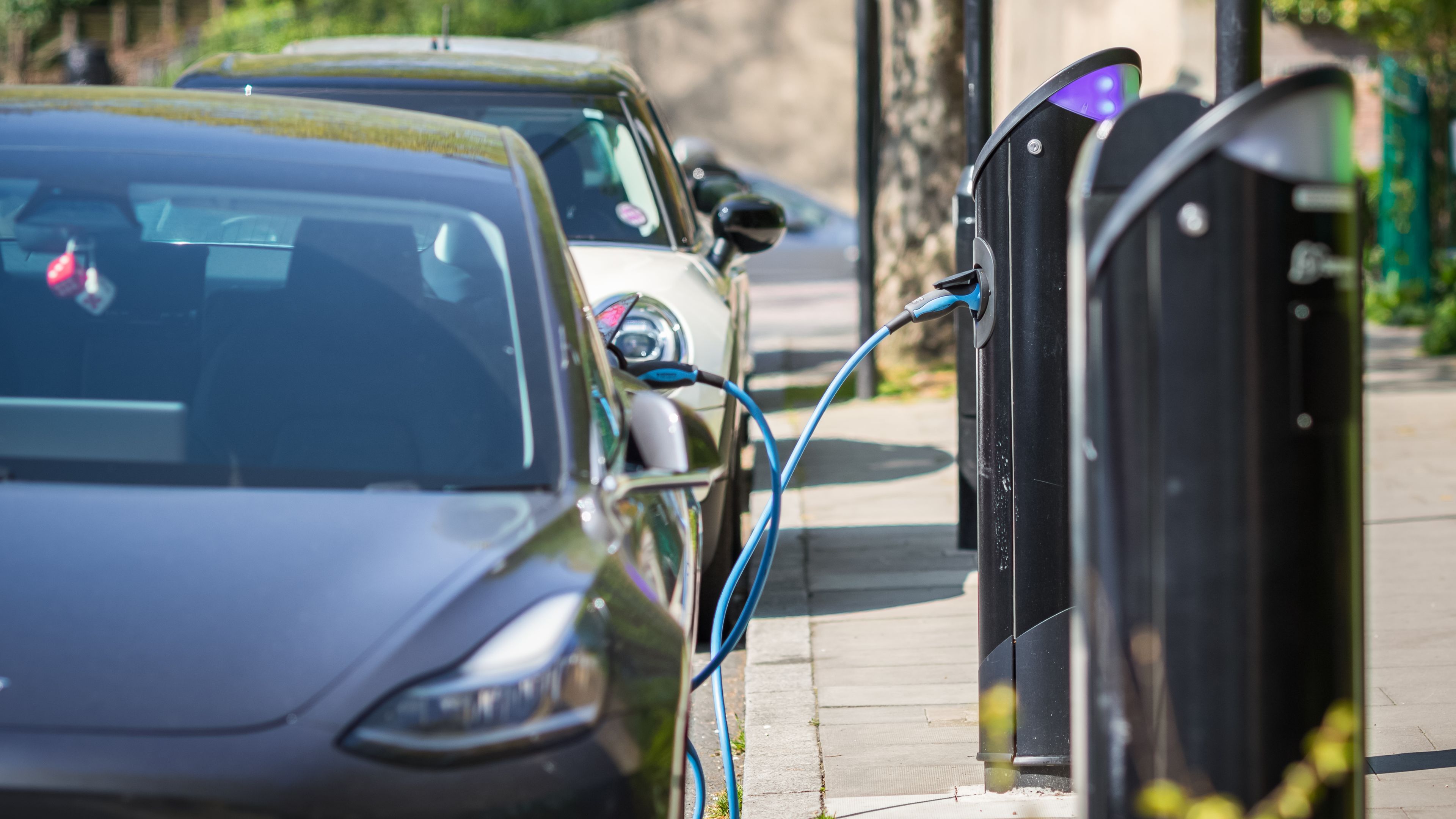
Do I Need to Return an EV Rental With a Full Charge?
Hertz offers three great options options to recharge your rental EV. Read about them below.
Five Ground-Breaking EVs: What is the Best Electric Car Ever?
Electric cars are becoming more and more innovative, affordable and reliable. As a result they’re now so popular that even some their biggest skeptics are beginning to take notice.
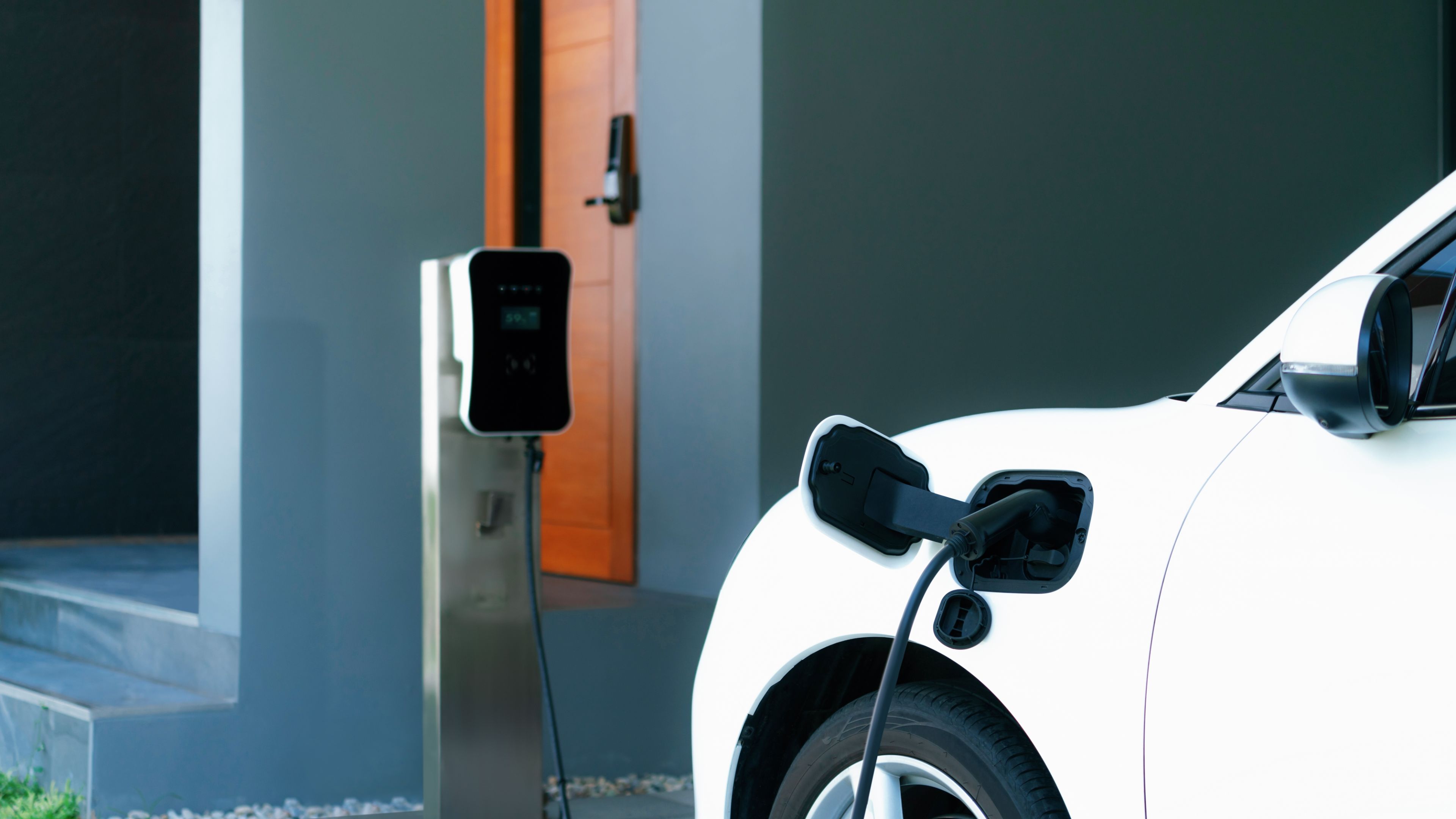
How Do You Charge an EV at Home?
Read our in-depth guide for the answer and much more EV charging information. Learn more with Hertz.

Do electric cars have transmissions?
Do EVs have transmissions? This Hertz guide explains the differences between electric cars and conventional cars in terms of transmissions.

Tesla in Cold Weather – Your Questions, Answered
Everything you need to know about driving a Tesla in cold weather, including tips on using onboard technology to maximize range and much more.
When will EVs overtake gas-powered vehicles?
EVs have been on the rise, but when will all cars be electric? This Hertz piece looks at when electric could overtake gas-powered vehicles.
