


Members-only perks


05/25/2023 • 5 min
Electric vehicles vs hybrid vehicles – what are the differences?
Discover the difference between electric cars vs hybrid cars and which one could be right for you. From plug-ins to self-charge, read on to find out more.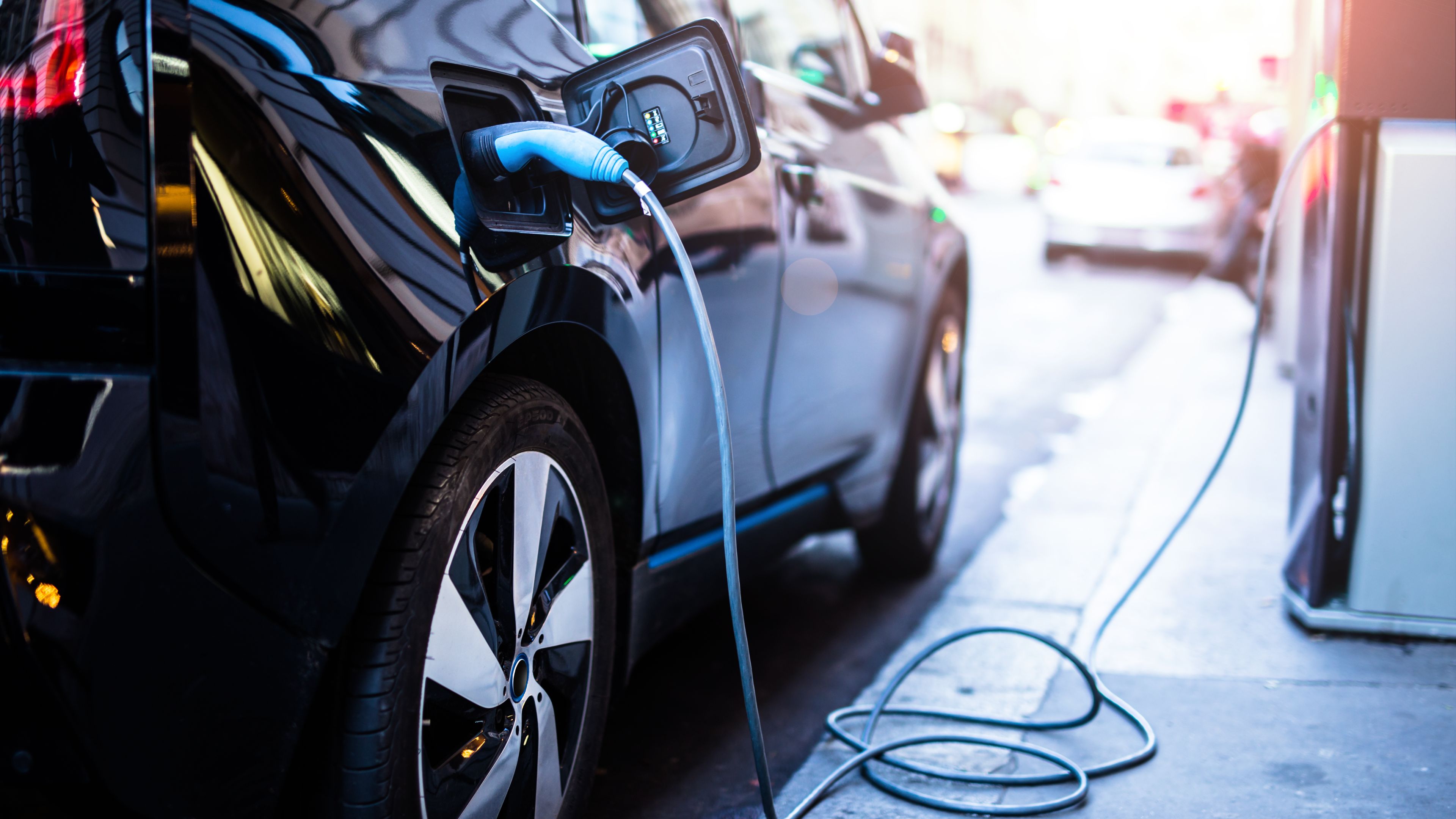
Electric vehicles vs hybrid vehicles -what are the differences?
Electric cars or hybrid? While similar, the two are very different. Electric vehicles (EVs) are powered solely by electricity, while hybrids have the ability to switch between traditional gas power and electricity.
Below you can discover our handy guide on the differences between electric cars vs hybrid cars.
What is an EV?
EVs are electric vehicles which are powered using electricity from on-board batteries. The large batteries are powerful and allow some vehicles to reach over 300 miles on a single charge. Unlike traditional combustion engines which require a stop at the gas station to refuel, EVs can be charged at home – as well as at gas stations and designated EV charging points across the country. EVs almost doubled in 2020-2021 to over 600,000, with over 2,530,000 EVs and plug-in hybrids now on the road in the US.
History of the EV
EVs are still developing and have come a long way in recent years. However, they actually have a long history dating back to 1890. This “electrified wagon” was able to seat six passengers and reach a top speed of 14mph – a huge difference to the capability of the modern day Tesla Model S Plaid Tri Motor AWD 2022 model which can reach a staggering 320kWh (198.8 mph)!
EVs available today
There is a great range of electric vehicles on offer, with most manufacturers offing at least one EV vehicle in their line-up. There are EVs to suit different price tags and styles, whether you want a small electric vehicle, family SUV or a truck, there’s a make and model for everyone.
What is a hybrid vehicle?
A hybrid vehicle uses electricity to power the car, while also having the ability to switch to gas power. You can get a plug-in hybrid, which, like an all-electric powered vehicle, can be charged at home or at a charging station. Or, you can get a self-charging hybrid which is charged by using regenerative braking and also the engine. The Prius became the first mass-produced hybrid vehicle, launched in Japan in 1997.
Hybrid vs plug-in hybrid
A hybrid is a hybrid, right? While they are both the same in the way they’re powered, they do have some differences.
- A plug-in hybrid needs to be plugged into a power source to charge while a full hybrid can self-charge.
- A plug-in hybrid has a bigger battery, and can therefore cost more to charge.
- A plug-in hybrid can still charge through regenerative braking.
Hybrid vs EV vs plug-in Hybrid
Below you can disover how hybrids, electric vehicles and plug-in hybrids vary.
| EV | Hybrid | Plug-in hybrid |
Fuel | Electric only | Petrol/diesel and electric | Petrol/diesel and electric |
Tax incentives and other benefits* | Yes | Yes | Yes |
Charge | Charging station | Can self charge | Charging station and regenerative braking |
Zero tailpipe emissions | Yes | No | No |
Range anxiety | Common due to needing charging point | Low thanks to self charge and gas options | Low thanks to regenerative braking and gas options |
Oil change and engine maintenance | Not required | Required | Required |
Advantages of an EV over hybrid
Does an EV sound right for you? Below are some of the advantages you can enjoy with an all-electric vehicle.
- No gas required – say goodbye to standing at the gas pump and hello to charging at home. Don’t forget there are also chargers available at some gas stations and throughout various locations across the country.
- Travel much further on battery power alone – all-electric vehicles have a larger battery than hybrids as there’s no need for room for an engine.
- Quiter, with no internal combustion engine – a quieter drive can make for a more enjoyable journey.
- Lower running costs – requires less maintenance than a gas-powered vehicle. There’s no need for an oil change, for example.
Advantages of a hybrid over EV
A hybrid can switch between electric power and gas, which offers several advantages over fully electric vehicles.
- Offers an option of using the engine when battery power is low – if you notice your battery is low you can switch to gas power.
- More refuelling options on longer drives – range anxiety is a thing of the past with more refueling options.
- Battery self-charges – uses smart recharging through regenerative braking to help you get further along in your journey.
- May be more straightforward to use in cold weather – while winter can take its toll on electric vehicles, hybrids can operate in low temperatures by using the engine first to start the car.
The future of EVs vs hybrids
Electric vehicles are certainly the future. While they’re already here now, they’re only going to get more popular. We could see vehicles achieving longer ranges, more charging points appearing across the country and we could even see hybrids phased out. In fact, GM and Volvo, have announced plans to produce only electric vehicles by 2035.
The Inflation Reduction Act for EVs means you can get up to $7,500 EV tax credit on an EV. It’s available on certain models and a tax credit of up to $4,000 is now available on used electric cars. In the future we could see more benefits and discounts for EV drivers.
EVs vs hybrid – summary
Whether you love the idea of hybrid or fully-electric vehicles, there’s a future-fuel car out there for you. Both have their draws and serve a purpose, and hybrids can offer a helpful stepping stone from gas to electric, but in the not too distant future we may only be talking about fully electric vehicles.
Why not get behind the wheel of an EV today to discover your favorite.
Related Articles
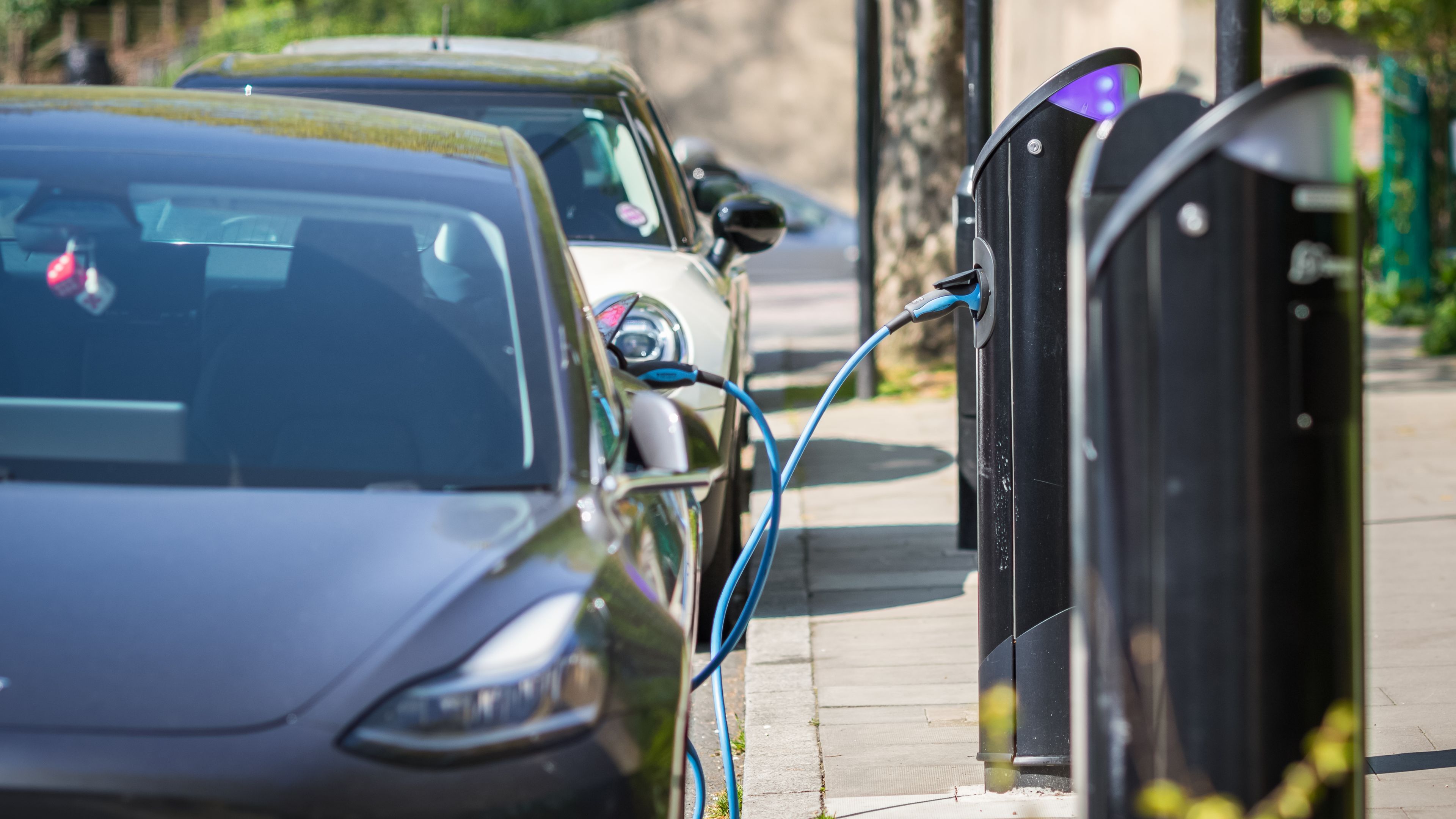
Do I Need to Return an EV Rental With a Full Charge?
Hertz offers three great options options to recharge your rental EV. Read about them below.

Are electric cars better for the environment?
As people across the world consider the environmental impact of everyday life, many are exploring ways to reduce their carbon footprint with Electric Vehicles (EVs).
Five Ground-Breaking EVs: What is the Best Electric Car Ever?
Electric cars are becoming more and more innovative, affordable and reliable. As a result they’re now so popular that even some their biggest skeptics are beginning to take notice.
