


Members-only perks


06/16/2023 • 5 min
How much does an electric car battery weigh?
How much is an electric battery? If you’re a first-time EV driver, this Hertz guide can teach you about battery costs, weight and charging times.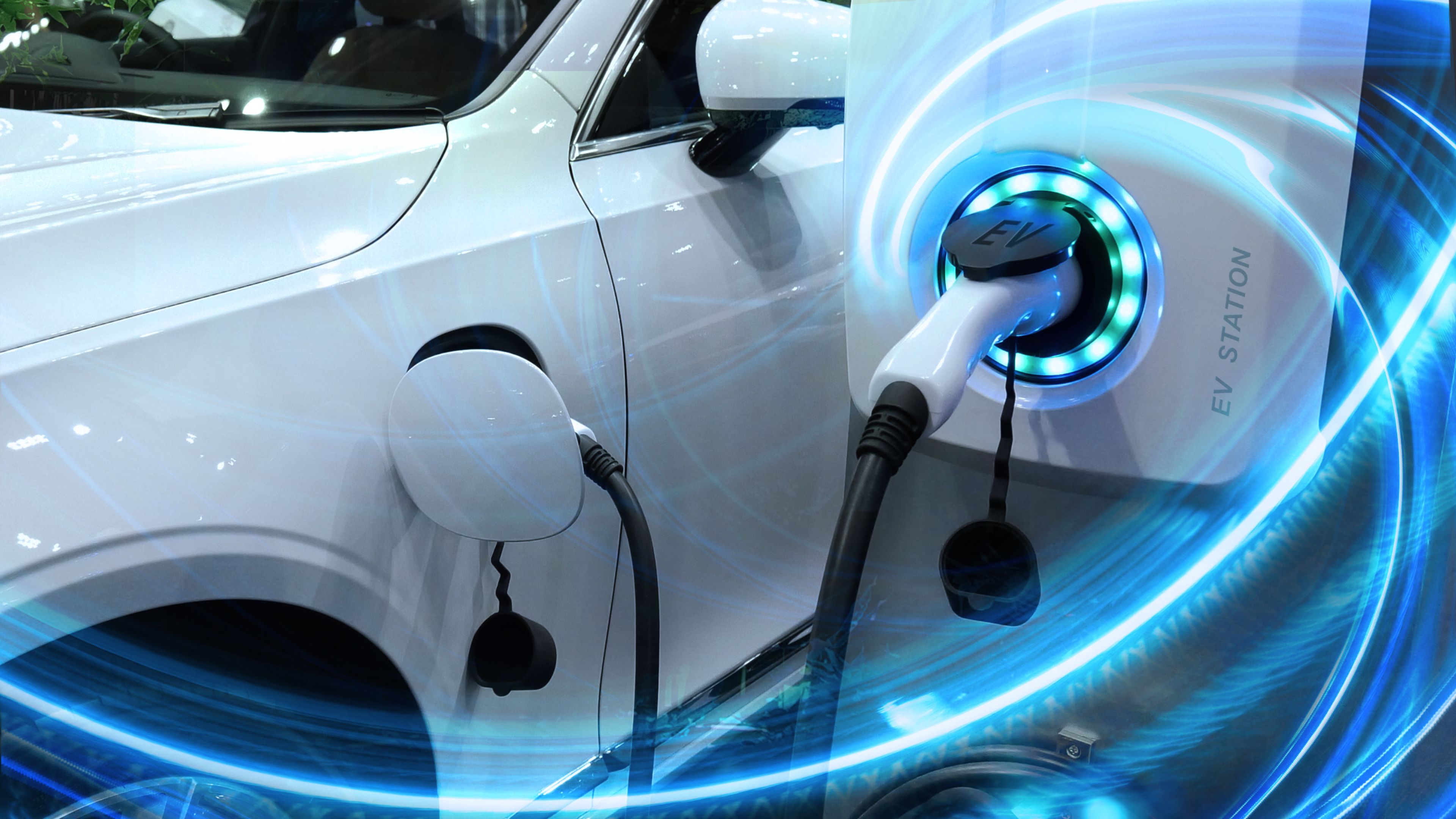
Electric vehicles (EVs) are growing in popularity, and sales in 2022 hit a new record of 200,000 sold in three months. With the growing interest in EVs, it’s expected that you may want to ask about a few features – which is where Hertz is here to help.
In this guide, we’re going to answer some questions about one of the most important parts of an EV: its battery. From how much it costs to how long its charge lasts, we want you to feel confident that you know the important aspects of an electric car’s battery.
How much do electric car batteries weigh?
Current electric car batteries have an average weight of around 1,000 lbs, but they will vary depending on the vehicle – some have much heavier batteries while smaller vehicles may have lighter ones. For example, Tesla is one of the top EVs on the market, holding 66% of the market share. Their batteries can take you over 370 miles on a single charge, so it should come as no surprise that a Tesla battery is estimated to weigh up to a staggering 1,836 lbs. By comparison, the smaller vehicles can have batteries weighing well under 1000 lbs – over half the weight of a Tesla battery.
Do EV batteries weigh more than engines?
Yes, the batteries used in electric cars weigh more than traditional gas-powered vehicles. Despite internal combustion engines having around 2,000 parts in their powertrain, an EV’s battery nonetheless weighs a lot more. The Nissan Leaf is one of the lightest electric vehicles weighing 3,516 to 3,934 lbs, while the Mercedes EQS is one of the heaviest at 5,467 to 6,493 lbs. To put this into perspective, a gas-powered Mercedes SUV with an internal combustion engine weighs slightly less, between 3,487 to 5,927 lbs. While a gas-powered Ford Focus will weigh between 2,935 and 3,434 pounds.
Based on these examples, EVs can weigh in the region of 15-20% more than their gas-powered counterparts.
How much is an electric car battery?
How much an electric car battery costs comes down to whether it’s replaced or repaired. According to research, an EV battery costs around $135 per kilowatt-hour. As an example, the Kia EV6’s 77.4 kWh battery will set you back $10,449. By comparison, a Tesla Model 3 battery can cost around $16,550 for a replacement. However, remanufactured batteries can cost significantly less, between $9,000-$10,000, saving you money.
All cars need to be maintained and have regular trips to the auto mechanic to ensure they’re running correctly – and EVs aren’t exempt from this.
How long does an EV battery last?
EV batteries are currently projected to last between 15-20 years or 100,000-200,000 miles. With US car owners keeping their cars for longer – around 12 years in fact – that 15-year replacement age could come down to you or the next owner. Keep up with the recommended maintenance to keep the battery and vehicle in the best condition possible.
How long does an electric car battery last per charge?
On a single charge, you can expect to reach an average of 250 miles. However, this can differ between models, with Tesla and Mercedes, for example, offering much longer ranges on a single charge.
The Tesla Model S can achieve a range of 405 miles on a single charge, so if you plan to drive an EV in an area where there’s plenty of charging infrastructure, there’ll be no need for you to experience range anxiety.
How often do EVs and batteries need servicing?
While EVs need servicing less often than gas-powered vehicles, they still need some attention to ensure they keep running efficiently and effectively. Each vehicle manufacturer will have a recommended maintenance schedule, which could be annually or after a set number of miles, whichever comes first. As an example:
- Tesla Model 3 is recommended every two years or 25,000 miles
- Nissan Leaf is annually or every 18,000 miles
- BMW i3 operates a condition-based servicing (where the car’s computer will monitor the vehicle and if it notices something needs checking, it will notify you automatically.
Can a bad car battery cause electrical problems?
Yes, a faulty car battery can cause electrical problems. A bad battery can cause the vehicle’s systems to malfunction and for some elements to not work properly, such as the stereo, air conditioning and other features like lights. Worse, the vehicle may struggle to start in the first place and may not hold charge for very long.
EV batteries are the heart of the vehicle. Maintaining them can help ensure your vehicle runs smoothly and efficiently for years to come.
Discover more about EVs by renting one with Hertz today!
Related Articles
Do I Need to Return an EV Rental With a Full Charge?
Hertz offers three great options options to recharge your rental EV. Read about them below.

Are electric cars better for the environment?
As people across the world consider the environmental impact of everyday life, many are exploring ways to reduce their carbon footprint with Electric Vehicles (EVs).

Five Ground-Breaking EVs: What is the Best Electric Car Ever?
Electric cars are becoming more and more innovative, affordable and reliable. As a result they’re now so popular that even some their biggest skeptics are beginning to take notice.
