


Members-only perks


02/03/2023 • 5 min
How to Charge an Electric Vehicle for Less
Discover whether electric car charging stations are free to use and how to locate one in this blog. Take the plunge and go green with Hertz today.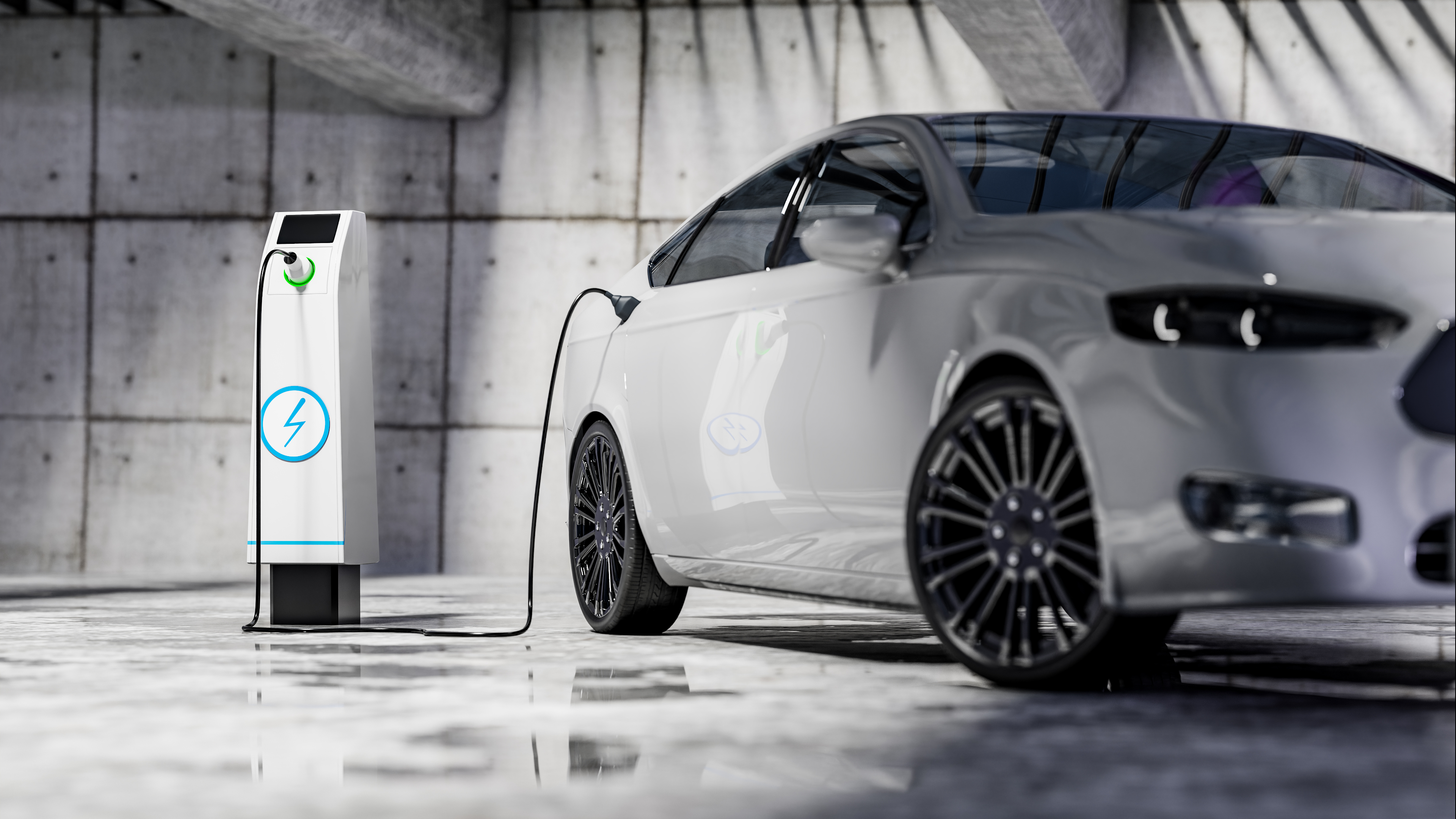
With more than 600,000 electric cars taking to American roads in 2022, it’s getting easier to charge them by the day. Thanks to plans for more charging infrastructure around the US, charging your EV will be as common as fuelling up a gas-powered car.
That said, powering any type of vehicle comes at a price, and the cost of charging your electric car depends on a few key factors. These include:
- The time of day that you charge
- The type of charge point that you use
- Your personal energy tax if you’re charging your car at home.
This article will run you through everything you need to know about charging your electric car for less, saving you money and time.
- Public Electric Car Chargers
- Are Public Electric Car Chargers Free?
- Off-peak or Smart EV Charging
- EV Slow Charge Points
- EV Charging at Retail Destinations
- Can You Charge an Electric Car for Free at Retailers?
- Charge Your EV at Work
- Change Energy Supplier or Tax
- Driving Tips for Better Mileage
Public Electric Car Chargers
As of July 2022, there are almost 50,000 public charging stations across the US – or around 140,000 individual charging ports. Most charging stations are found on the coasts of the US, with California home to 29% of all the EV charging stations in America.
Are Public Electric Car Chargers Free?
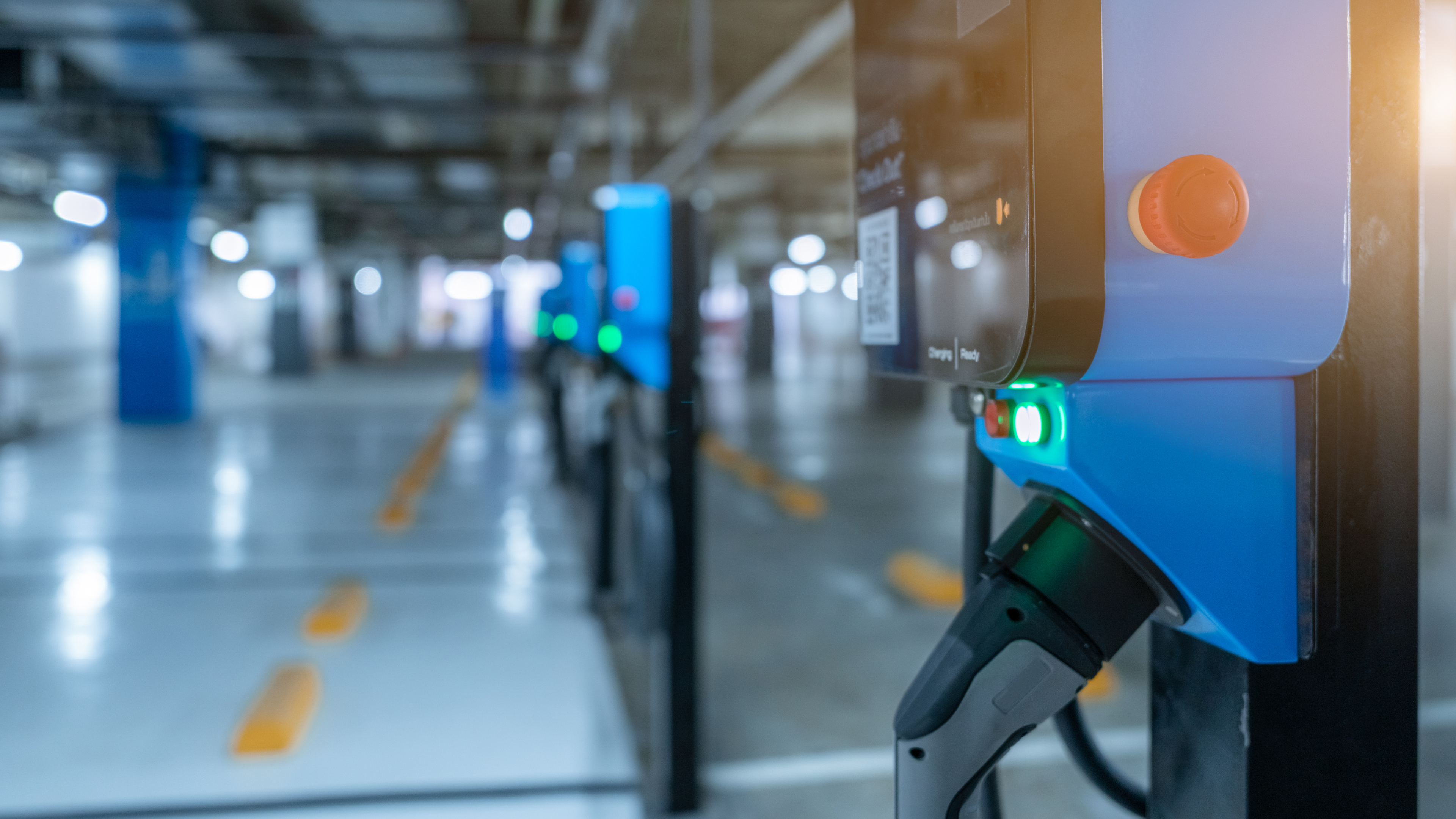
The costs of using an EV charging station can vary. Some are free, some are pay-as-you-go and some are subscription-charged. They vary depending on the state. For example, you’ll find the most amount of free EV charging stations in California on the West Coast – 11% are free for 30 minutes or more. On the East, meanwhile, Maryland is home to 399 EV chargers, and 30% of these offer a minimum of 30 minutes free. If it isn’t free, you’ll be charged per kilowatt-hour which is usually only a couple of cents [based on Department of Energy data]. But keep in mind that it requires many kilowatts to fully charge an electric vehicle.
You can find free EV charging points at stores like Target and Walmart, at some gas stations or at hotel chains. Apps like Plugshare, Zapmap and Recargo are dedicated to helping people find their nearest EV charging point. You can also use Electrify America to locate a charger.
Off-peak or Smart EV Charging
You can save money by charging your electric car during off-peak hours or by using a smart charger.'
Electricity can be cheaper outside of peak times when the power grid is under less demand. For example, according to MidAmerican Energy, the hours between 10pm to 8am are considered off-peak from June to September. This means charging your EV overnight can often work out cheaper than if you were to charge it during the day.
A smart charger is also helpful. It will automatically charge your car at lower tax times – saving you the need to plan ahead. Be mindful that the installation will likely cost a couple of hundred dollars depending on which provider you choose.
EV Slow Charging
The quickest way to save money might also be the slowest: take a slow charge. If you charge your electric vehicle at home, a slow charge is usually the least expensive option as fast chargers charge much more per unit of energy. The equipment and wiring needed to set up a slow charge point are also cheaper per station than fast charging systems.
A slow charging point is a good option when your vehicle is parked for several hours – like if you’re working or overnight. It can take up to 5 hours to full charge a 2W or 3W battery. This seems long compared to a fast charger – which can boost your battery by 50% in 30 minutes – but charging slow is better for battery life and, consequently, safety.
EV Charging at Retail Destinations
Next time you go to Fred Meyer or Kroger, plug your car in while you complete the family food shop. Grocery stores and retailers now provide electric charging facilities.
Why not take your time and have a coffee as you wait for your car to charge? These facilities allow EV drivers to fit charging their vehicle around daily activities – and of course spend their money in a mutually beneficial location.
Can You Charge an Electric Car for Free at Retailers?
Some retailers, like Giant, Vons and Safeway offer free charging to customers. This means that you can save money charging at home by making the most of these free charge points while you’re out shopping.

Charge your EV at work
It’s not uncommon for employers to offer EV charging at workplaces. In some cases, you may benefit from free charging as a staff incentive, or you may have to pay a tax. With this perk, you can charge your car at work as much as possible to save paying for the energy use at home. If a charger isn’t available at your place of work, raise the idea with the property owner – and remind them it can raise the value of the building for them in the long run.
Change energy supplier or tax
If you're charging at home, your first check should be your tax - a higher rate could be undoing all your hard work. There’s a chance that you’re not on the cheapest energy rate with your current supplier, or there may be a more affordable alternative supplier.
Paying a cheaper tax will save you money when it comes to charging your EV vehicle. You could be better suited to an off-peak tax or a smart meter. Some government programs also offer rebates, which is something you can check when contacting providers.
Driving tips for better mileage
It's the feedback no driver wants: could you ease off the throttle a bit? But the fact is that it could save you money. Here are some ways to improve mileage in your EV[JA(S1] :
- Have a light right foot – Taking off from a stationary position slowly and smoothly is key to learning how to drive an electric car and will help to save some of your power. The instant acceleration of an EV will also take some time to get used to.
- Read the road – Anticipate when you'll need to stop, read the road, be aware of other drivers and road users, prepare, be smooth.
- Save power elsewhere – Cranking your music and the air conditioning up to 11 might keep you entertained and cool - but it also takes energy from the battery.
Hertz EV Charging Return Policy
If you happen to rent an EV from us, there are a number of options that we offer our customers to make life as easy as possible when it comes to charging. Let's take a closer look.
Skip the Recharge
Adventure doesn't stick to a schedule. With Hertz, neither does your EV's charge. With Skip the Recharge we now offer the flexibility to return your EV at any charge level, for a simple $35 fee.
Return With the Same Charge Level
Keep the adventure going and costs low. Return your EV with the same charge as when you started, and pay a grand total of $0. Yes, it's that simple. No fees, just memories!
Join the Gold Plus Rewards
Are you a Gold Member? Make the most of Skip the Recharge for a discounted fee of $25. Not a Gold Member yet? No worries! Sign up now—it's absolutely free—and unlock immediate perks and conveniences.
If you want to give electric driving a go, take a look at more of our EV guides.
Related Articles
Do I Need to Return an EV Rental With a Full Charge?
Hertz offers three great options options to recharge your rental EV. Read about them below.

Are electric cars better for the environment?
As people across the world consider the environmental impact of everyday life, many are exploring ways to reduce their carbon footprint with Electric Vehicles (EVs).
Five Ground-Breaking EVs: What is the Best Electric Car Ever?
Electric cars are becoming more and more innovative, affordable and reliable. As a result they’re now so popular that even some their biggest skeptics are beginning to take notice.
