


Members-only perks


01/20/2023 • 5 min
Do electric cars have transmissions?
Do EVs have transmissions? This Hertz guide explains the differences between electric cars and conventional cars in terms of transmissions.
For almost half of all EV owners, their current car is their first electric vehicle. In fact, 20 years ago, an electric car would have been a rare sight on US roads. With most drivers today unfamiliar with EVs, many are left wondering what’s really happening beneath the hood of the emission-free vehicles.
We take a deeper look into what makes electric cars tick. Do EVs have transmissions, and how do they work?
What are electric cars?
Electric cars are vehicles that are powered by internal electric batteries, as opposed to gasoline or diesel. While your gas-powered car will also have a battery, the ones found in EVs are much bigger and can contain much more power. Much like your cellphone, electric cars need to be recharged once depleted.
For many, the term ‘electric car’ conjures up the image of a handful of car brands and urban driving. However, technological advances and improvements to infrastructure mean that EVs are more accessible than ever before. Today you can find electric pickups, trucks, and cars of all shapes and sizes. Not only this but with home-charging potential, it’s now possible to own an electric vehicle anywhere in the country.
Do electric cars have transmissions?
A car’s transmission, sometimes known as a gear box, is used to transfer engine power to the car’s wheels through internal gears. Traditionally, a transmission was needed because motors produce a specific range of rotations per minute, and these rotations don’t always correlate to how fast a wheel needs to spin.
However, in an electric car this doesn’t work the same way, yet EVs do have transmissions. The question ‘Do electrical vehicles have transmissions?’ should instead be, ‘Do electric cars have manual transmissions?’.
While an internal combustion engine (ICE) stalls with too few RPM, and too many RPM results in engine damage, an electric engine doesn’t have the same issue. ICEs operate at a range between 800-7000 RPM, but electric cars don’t stall and can safely operate up to 20,000 RPM.
This wide range means that most EVs don’t require more than one gear to work, and therefore don’t have manual, or even automatic, transmissions.

Do electric cars need transmissions?
As we’ve already explored, EVs do have transmissions. We also know how the transmission in an electric car differs to the transmission in an ICE.
However, if most EVs only have one gear, do they need transmissions? Firstly, while EVs don’t have manual transmissions, they still need to be able to transfer power from the engine to the wheels. Typically the one gear is chosen for its strength, as electric motors constantly have 100% of their torque available. Where a typical gearbox would break, transmissions found in EVs are designed to withstand higher speeds of RPM.
Are there any electric cars with a manual transmission?
While there are some two-gear electric cars (typically found in the faster models), they’re automatic, and the transmissions are generally designed to help balance battery output. Because EVs don’t have the same engine limitations, the need for extra gears isn’t there.
Past EVs have experimented with traditional transmissions before deciding to remove them. However, the world of EVs is filled with experimentation and innovation. Although manual transmission doesn’t currently exist for EVs, it’s still possible that they could be introduced in the future.
Related Articles
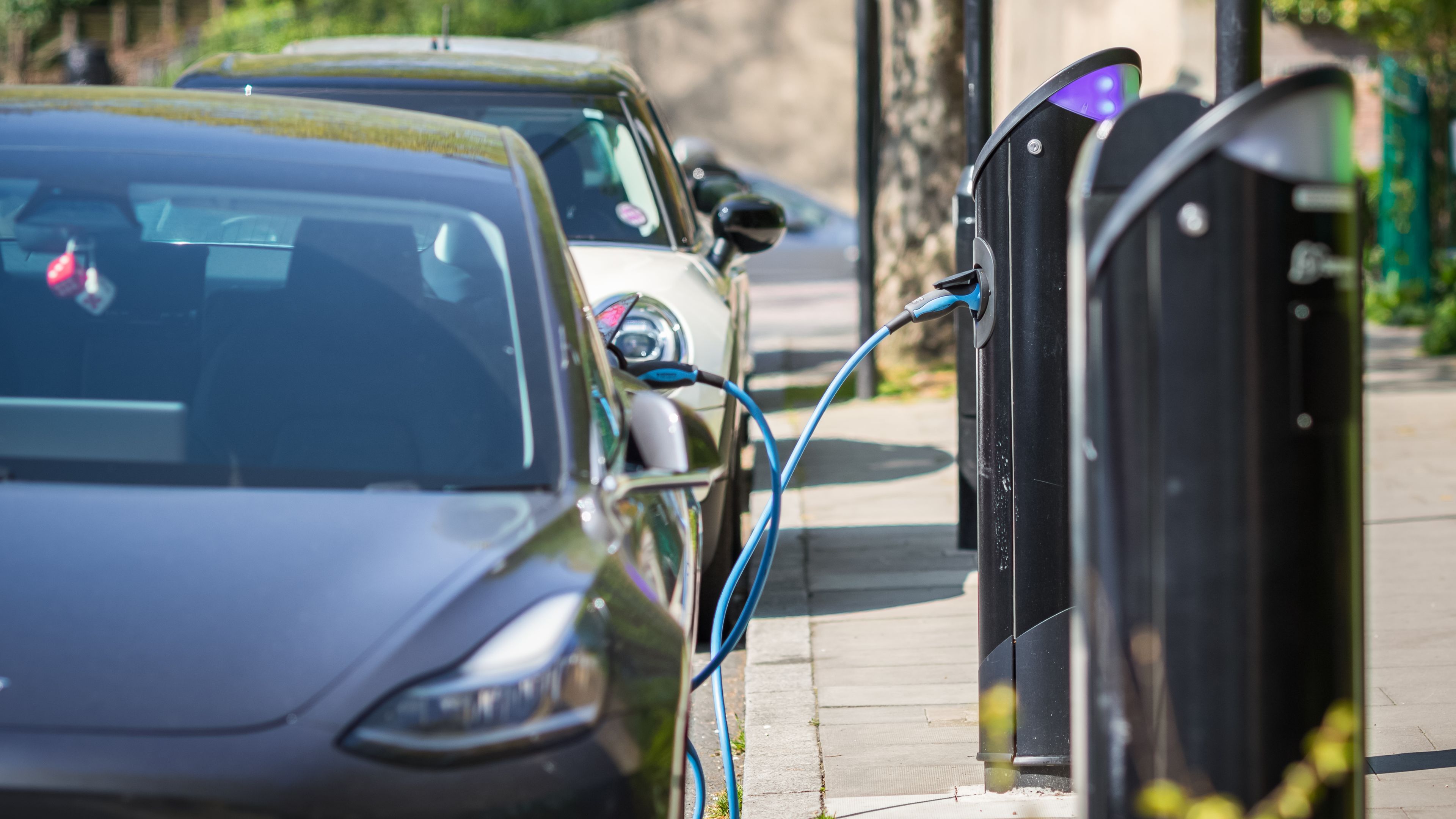
Do I Need to Return an EV Rental With a Full Charge?
Hertz offers three great options options to recharge your rental EV. Read about them below.

Are electric cars better for the environment?
As people across the world consider the environmental impact of everyday life, many are exploring ways to reduce their carbon footprint with Electric Vehicles (EVs).
Five Ground-Breaking EVs: What is the Best Electric Car Ever?
Electric cars are becoming more and more innovative, affordable and reliable. As a result they’re now so popular that even some their biggest skeptics are beginning to take notice.
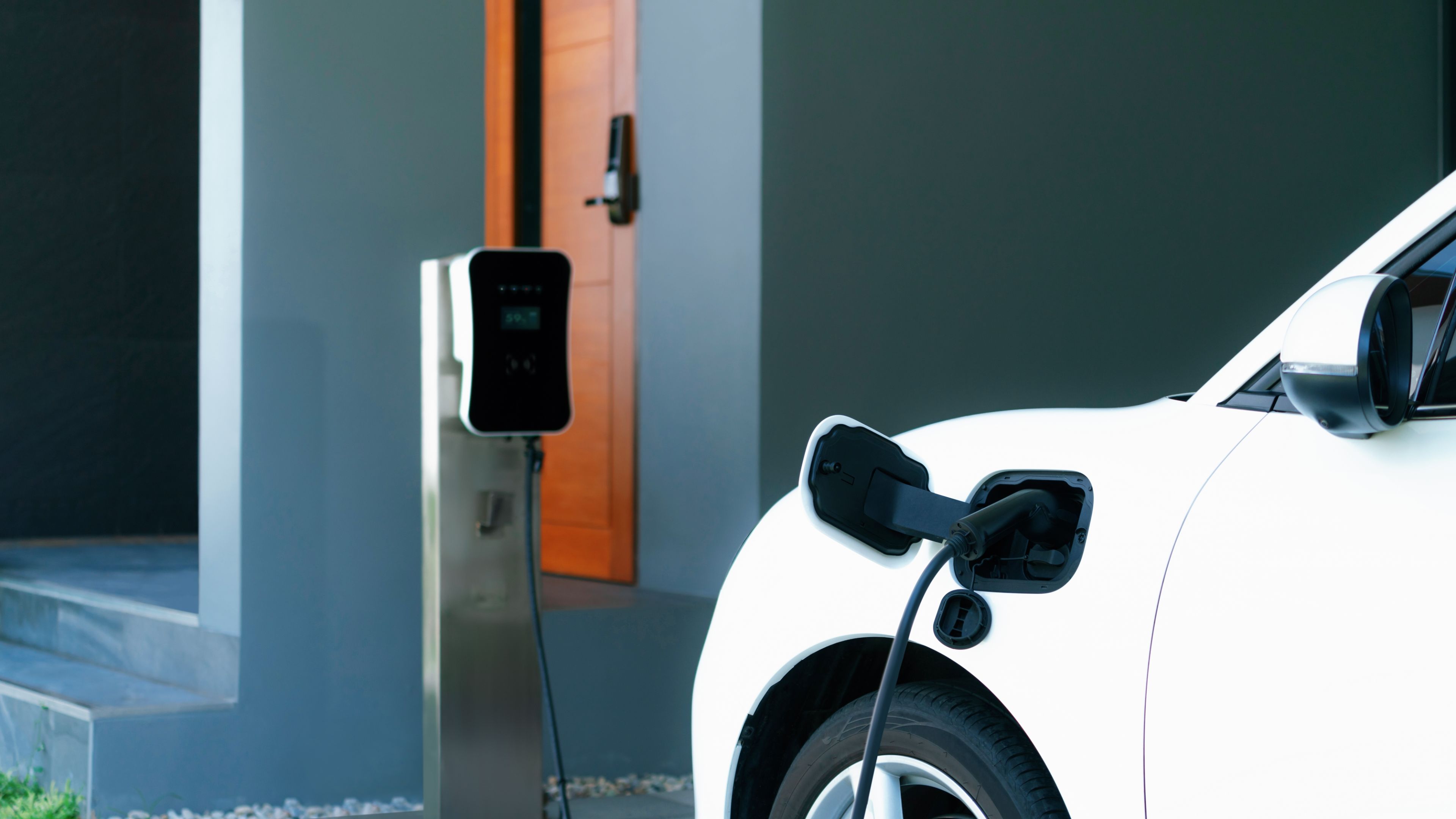
How Do You Charge an EV at Home?
Read our in-depth guide for the answer and much more EV charging information. Learn more with Hertz.

Tesla in Cold Weather – Your Questions, Answered
Everything you need to know about driving a Tesla in cold weather, including tips on using onboard technology to maximize range and much more.
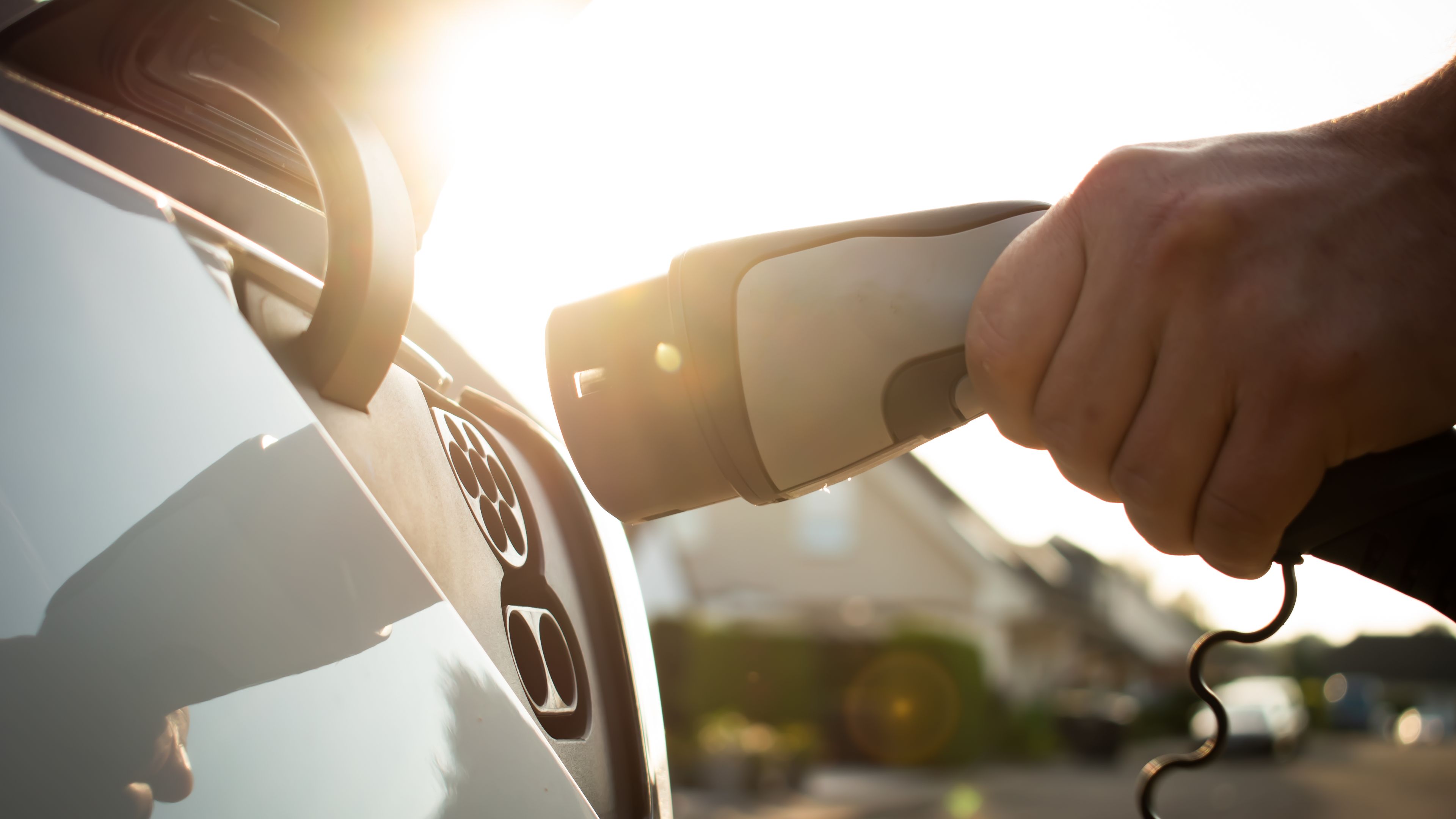
When will EVs overtake gas-powered vehicles?
EVs have been on the rise, but when will all cars be electric? This Hertz piece looks at when electric could overtake gas-powered vehicles.
