


Members-only perks


06/17/2022 • 4 min
The dawn of the dream car: Luxury cars of the 1930s
The 1930s were a key time in automotive design. Find out more about this golden age of dream cars with Hertz.
As the 1930s began, it would have been hard to imagine the decade's dramatic impact on the future of automotive design. In the throes of the Great Depression, Americans struggled to afford basic necessities, and owning transportation was often out of reach. However, that didn't stop automobile manufacturers from creating some of the industry's most significant new designs and features during this time. In fact, 1930’s automobile design marked a turning point for luxury and innovation in what was still an industry in its infancy.
The 30s was the decade in which the ’big three’ auto manufacturers of today truly came into their own: Ford, General Motors and Chrysler. While each of these automotive giants had been producing cars for years, if not decades, they began to introduce mechanical innovation the likes of which had never been seen before. Much of this innovation can still be seen in cars on the road almost a century later. The era ushered in new engines, including the ever-popular V8, the V12 and the V16, safer windshields and the all-important – yet previously overlooked – windshield wiper. Trunks were built into cars along with hydraulic brakes and transmissions that shifted smoothly, making both driving and riding even more enjoyable.
Better by design
It wasn’t just technical and mechanical expertise that blossomed during the 1930s. Car designs also began to change and improve. Most of the cars produced at the beginning of the decade were squared and had a basic utilitarian appeal, but designers began experimenting with a more rounded teardrop shape during the mid-1930s. By the end of the decade, the look of automobiles had evolved to smoother, sleeker and more aerodynamic designs.
Much of the credit for this new approach rests squarely on the shoulders of Harley J. Earl, an innovative car stylist who became the first designer to truly emphasize form as well as function. His designs changed the approach to auto design and led his employer, General Motors, to create a design studio for just that purpose. ‘The Styling Section’, as Earl’s studio was known, spawned the first cars to tie a specific model identity to each year of production, while maintaining just enough continuity to keep things familiar.
With more emphasis on the body styles of cars, the industry went through some dramatic changes. Some of the earliest cars produced in the 1930s rapidly became beloved classics, as memorable and sought after today as they were then. These included the 1930 Cadillac, the ultimate in sophisticated motoring, and the iconic 1932 Ford Coupe, which solidified its place in the bedrock of American culture over 30 years later as the inspiration for the Beach Boys’ album Little Deuce Coupe.
Earl's 1936 Chevrolet Coupe, with its rounded roofline and fenders, waterfall grille and running boards, sparked a surge in sales that allowed Chevy to replace Ford as the leading domestic automaker. However, Ford's 1936 Coupe also found a place in the hearts of American drivers, and both companies continued to modernize their look each year as the decade continued.

Driving toward the future
Earl became the first to create a ’concept car’, and his 1938 Buick Y-Job was a futuristic model that whetted America's appetite for things to come. This one-off design, which Earl used as his own personal car, was a two-seat sports model with forward-looking features like electric windows, hidden headlights and flush door handles.
The model helped automakers envision what was possible, prompting them to turn their attention to a strategy of constant improvement in performance and design. No longer limited by what could happen now, auto makers embraced the concept of innovation for the future.
By the end of the 1930s, the modern car was as much an artistic design statement as a means of transportation. The decade ended with the introduction of striking designs that have gone down in history as classics. Cars like the 1939 Lincoln Zephyr, the 1939 Ford Model A (a dramatic departure from the look of the 1930 Model A) and the 1939 Graham Model 97 all clearly demonstrated that a new era for automobiles had begun.
Classic 1930s cars remain extremely popular with many collectors. Do you have a favorite car model from the 30s? Let us know by giving us a shout on Facebook.
Related Articles
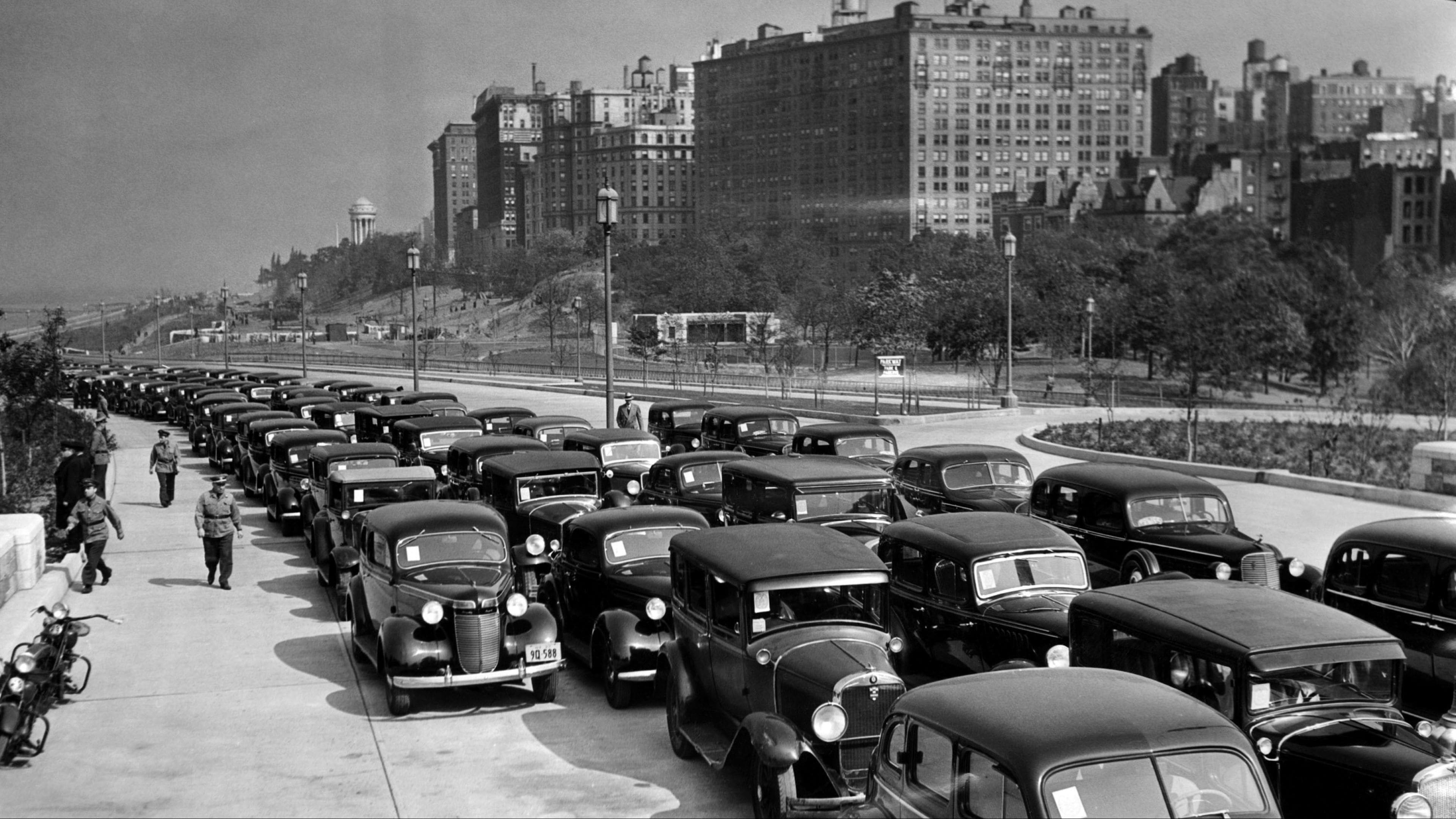
Life During Wartime: How World War II Changed the Auto Industry
In the 1940s, the future of the automotive industry looked bright. Following dramatic innovations in mechanics and body design, discover why the cars were artistic and luxurious.
The Pros and Cons of a Do-It-Yourself Oil Change
Do the perks of a do-it-yourself oil change outweigh the potential pitfalls? To answer that question, consider the pros and cons of changing your own oil with this Hertz guide.

Buying a car: are those extra features wants or needs?
Buying a car means choosing from a variety of options. From safety to sunroofs, here is a helpful list of wants vs. needs to consider when car shopping.
