


Members-only perks


06/17/2022 • 4 min
The Pros and Cons of a Do-It-Yourself Oil Change
Do the perks of a do-it-yourself oil change outweigh the potential pitfalls? To answer that question, consider the pros and cons of changing your own oil with this Hertz guide.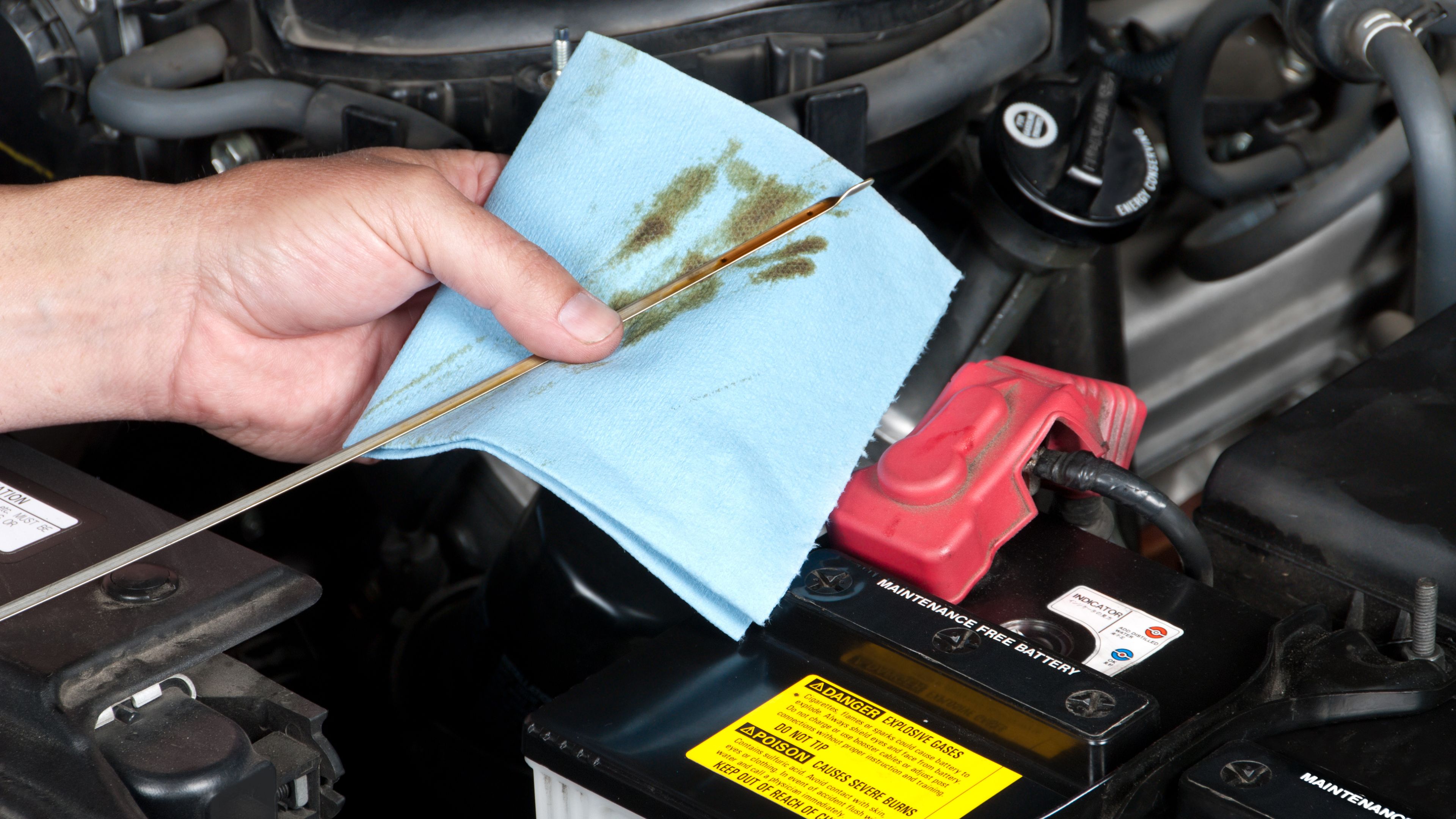
A car is often one of life’s essentials. From commuting and chauffeuring the children to running errands or taking family vacations, we depend on our cars every day. Unfortunately, they are also one of the most expensive items we own; it’s not only the cost of buying and insuring a car, but also the cost of gas and ongoing maintenance. However, there are ways to save money on regular car maintenance, such as do-it-yourself oil changes. But do the financial perks outweigh the potential pitfalls? Learn more about the pros and cons of changing your own oil and decide whether it’s a task you could tackle.
Pro: Less Strain on Your Wallet
For cars that take standard oil, the average cost of a professional oil change falls between $35 and $75. If your car needs synthetic oil, you can expect to pay anywhere from $65 to $125, although synthetic oil tends to last longer, so you will recoup some of this cost. When you don’t have to pay for labor, the average price for materials – an oil filter and five quarts of oil – falls between $30 and $45 plus tax. This also depends on the grade and type of oil you require.
Tip: Retail stores purchase auto supplies in bulk and mark up resale prices. Websites like Amazon and eBay can sometimes offer better deals on oil and filters than brick-and-mortar stores.
Bear in mind that a DIY oil change will also require a few basic tools, including:
- Floor jack
- Latex gloves
- Replacement drain plug washer
- Funnel
- Jack stands
- Oil filter wrench
- Oil drain pan
- Socket wrench
- Wheel chocks
This could mean that you won’t save much money the first few times you change your own oil. However, consider the fact that most manufacturers recommend an oil change every six months or 7,500 miles and you will soon start to see the savings add up.

Con: Remembering to Change the Oil
Most automobiles using standard oil require an oil change every 7,500 miles or every six months, whichever comes first. When you have your car serviced and the oil changed by professionals, the technician will usually place a handy little sticker on your windshield inscribed with your next service date. When changing your own oil, it's up to you to keep a record of the oil change date and mileage to keep your car running smoothly.
Tip: Stash a small logbook in your glove box for recording mileage and oil change dates and add a reminder to your calendar.
Pro: Might Be Quicker
If your schedule only allows you to take your car to a mechanic during peak hours, you might end up waiting a while. If you have experience with DIY oil changes, expect to have it done in around 30 to 45 minutes. Remember, the more you do it, the faster you’ll get!
Tip: The service express lane at your car dealership may offer a less-crowded alternative to a quick-stop shop and prices are generally comparable.
Con: Mistakes Can Be Costly
Although changing motor oil isn't difficult, it's important to be careful and thorough. Using the wrong grade of oil can affect the car’s hydraulic components and lead to engine damage. Adding too little oil could also mean that engine parts become dangerously under-lubricated, while overfilling can cause leakage in engine seals and gaskets. Mistakes as simple as failing to tighten the oil drain plug or forgetting to remove the old oil filter gasket can drain the oil from your car without your knowledge. In the worst-case scenario, these issues could lead to you needing a new engine. To ensure the most effective DIY oil change, follow these top tips:
- If the engine is hot, cool the car down for about 30 minutes before changing the oil.
- Warm a cold car up for a few minutes before changing the oil for quicker drainage.
- To prevent spills, use a funnel-top drain pan.
- Keep a roll of paper towel handy and wear latex gloves.
- Purchase an oil-absorbent product for quick clean-up.
- Protect the floor of your garage by laying an old shower curtain under the car and hose it off when finished.
- After filling the oil filter, spread a little bit of oil onto the seal before you install it for a better fit.
- Use a torque wrench to tighten the oil plug and check the spec for your vehicle (typical spec is 25 foot-pounds).
- When pouring oil, position the quart with the spout at the top (not the bottom), and pour slowly.
Whether you depend on professionals for an oil change or tackle the job on your own, regular maintenance is a must for smooth automobile performance. Connect with us on Facebook to share your oil change tips and tricks.
Related Articles

Life During Wartime: How World War II Changed the Auto Industry
In the 1940s, the future of the automotive industry looked bright. Following dramatic innovations in mechanics and body design, discover why the cars were artistic and luxurious.

Buying a car: are those extra features wants or needs?
Buying a car means choosing from a variety of options. From safety to sunroofs, here is a helpful list of wants vs. needs to consider when car shopping.

Taking care of business: Putting the cloud in your car to work for you
Connect your car to the cloud and enjoy a seamless driving experience without missing your calls and emails. Learn more about smart connection for productivity.
