


Car Rental - Italy
Car rental in Italy takes you on a journey around a country that is simply ‘Bellissima’. Discover why Italy is one of the world’s most popular and stylish countries. The capital, Rome, is one of the most historic cities in the world, featuring iconic ancient landmarks including the Colosseum and the Roman Forum. Or you may want to sample the ‘dolce vita’ lifestyle of the ‘Floating City’ of Venice, with its gondoliers and Gothic palaces or surround yourself with the myths and legends of Naples.
At Hertz, there’s a car to suit every trip. Whether you need weekend car rental of a hatchback for zipping around Florence, or want an electric car to impress on a business trip to Milan, we have you covered.
And there’s no shortage of convenient pick-up and drop-off points if you decide to rent a car in Italy.. Driving around Italy should be memorable for all the right reasons – and that includes a perfect car rental experience with Hertz.
Top Locations in Italy
A Quick Guide to Italy
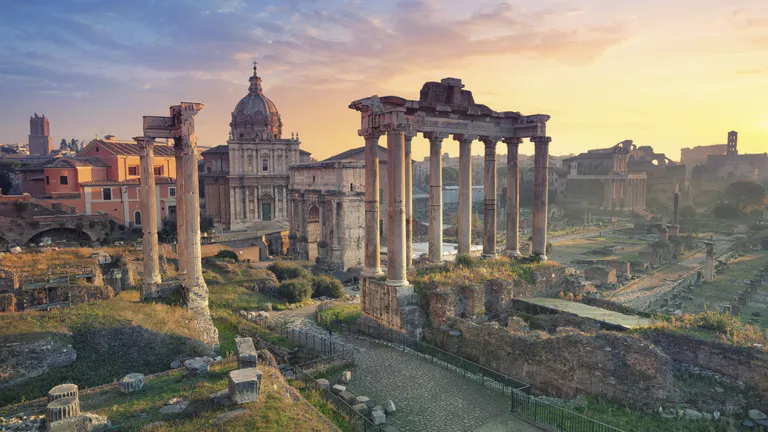
Rome
Italy’s capital is one of the world’s most spectacular cities. Situated in the northwest, it’s a glorious mix of cultural delights and architecture dating back to ancient times. As for attractions – there’s the Colosseum, Trevi Fountain, the Pantheon and the Vatican. The only problem you’ll have is fitting all the wonders in.
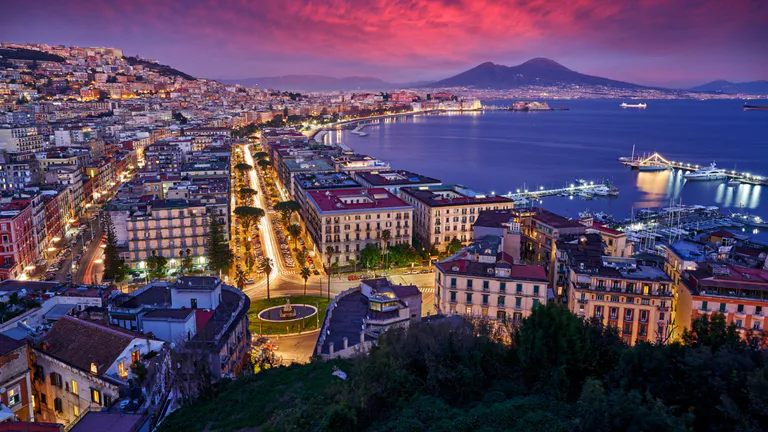
Naples
Italy’s third-largest city was founded by the Greeks in the first millennium BC. It’s one of the oldest continuously inhabited urban places in the world. Visit the city center and you can see why UNESCO designated it a World Heritage Site. You’ll also be able to enter the Chiostri di Santa Chiara, a network of fascinating historical cloisters.
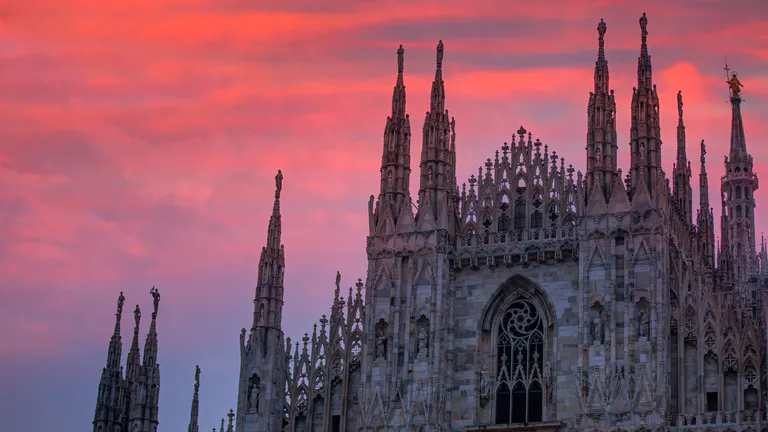
Milan
The second biggest city in Italy is situated in the north and is home to the stock exchange. It’s also one of the fashion world’s big four and the Milan Fashion Week is a semi-annual highlight. And from Renaissance art to contemporary showpieces, culture vultures are spoilt for choice.
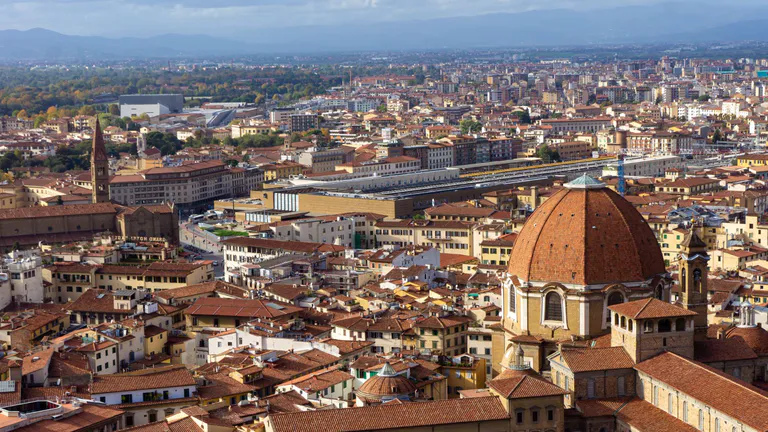
Florence
The capital of the Tuscany region is considered by some historians to be the birthplace of the Renaissance. Thankfully for everyone, many of its cultural highlights remain, including the Duomo cathedral, the 12th-century Romanesque Baptistery and the Galleri degli Uffizi, home to one the world’s most famous art galleries.
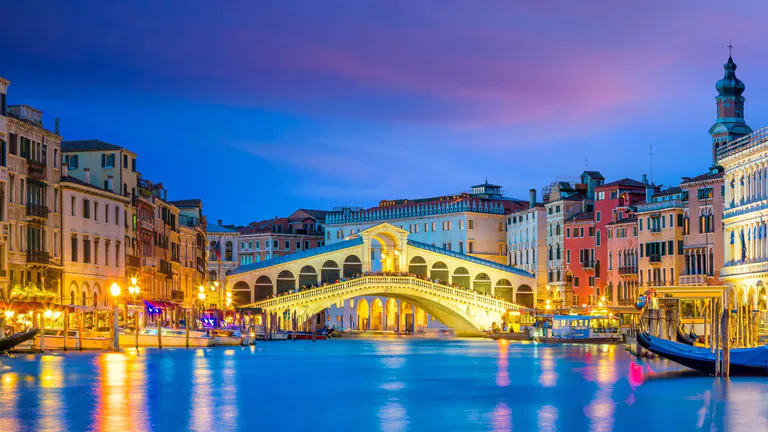
Venice
For romance and beauty, few cities can rival Venice. Grab a gelato by the Grand Canal and watch the water taxis drift by in the sun. Alternatively, get some Insta-worthy snaps of the Gothic-style Doge’s Palace. Then walk across the Rialto Bridge, as seen in films including Casino Royale.
Palermo
The capital of the southern island Sicily, Palermo is rightly famous for its history, culture and food. Italian food is renowned, but Palermo’s street food will tantalize your tastebuds. Make sure you sample the fried balls of rice called Arancina, or a pane con le milza (sandwich stuffed with veal).
Trapani
This old fishing port is nestled on the west coast of Sicily and a charming example of Italy at its best. Highlights include the old town with its delightful fish market. And the medieval Erice Village, balanced on a rocky cliff, provides a spectacular view of Sicily.
Catania
At the base of Mount Etna lies Sicily’s second largest city. Catania has survived several earthquakes and is one of the island’s most popular destinations. The late-Baroque architecture has to be seen to be believed, as does the Piazza dell’Universita, which houses not one but two palaces.
Turin
Few cities have backdrops as fantastic as Turin. This northwestern city lies at the foot of the Alps and is famous for the iconic Fiat car and first saleable hard chocolate. However, it’s not stuck in the past – Turin is also known for contemporary art and an envious live music scene.
Lodi
Awesome architecture, landscapes to die for and gastronomic delights aplenty make this northern Italian city full of sights to soak up. Don’t miss the unfinished Church of Saint Francis, or a chance to travel by bike or horse along the Suburban Ring.
Driving In and Around Italy
- Motorways: 130 kph (80 mph)
- Dual Carriageways: 110 kph (68 mph)
- Main Roads Outside Built-up Areas: 90-110 kph (56-68 mph)
- Main Roads With Built-up Areas: 50-70 kph (32-44 mph), according to local signs
Explore Italy

Venice’s Top 10 Attractions
Built across 118 islands, the Floating City is an urban wonder of the world, where canals replace streets and gondolas act as the most romantic taxi imaginable. Known affectionately in Italy as La Serenissima (meaning ‘most serene’) Venice is a fantastic place decorated with magnificent architecture that you have to see to believe.

Venice Neighborhoods Guide
Once you’ve explored St Mark’s Square, gazed upon the Doge’s Palace and taken a gondola ride on the Grand Canal beneath Rialto Bridge and the Bridge of Sighs, it’s time to discover the rest of Venice.

Day Trips from Pisa
From the iconic leaning tower to the grand and majestic Piazza dei Miracoli, it can be hard to tear yourself away from Pisa’s exciting architecture and history. But you’re not just in Pisa – you’re in Tuscany. As one of Italy’s most scenic and historic regions, Tuscany is home to scores of medieval cities set among rolling countryside, striped with green vineyards and olive groves, and interrupted only by terracotta-hued buildings.
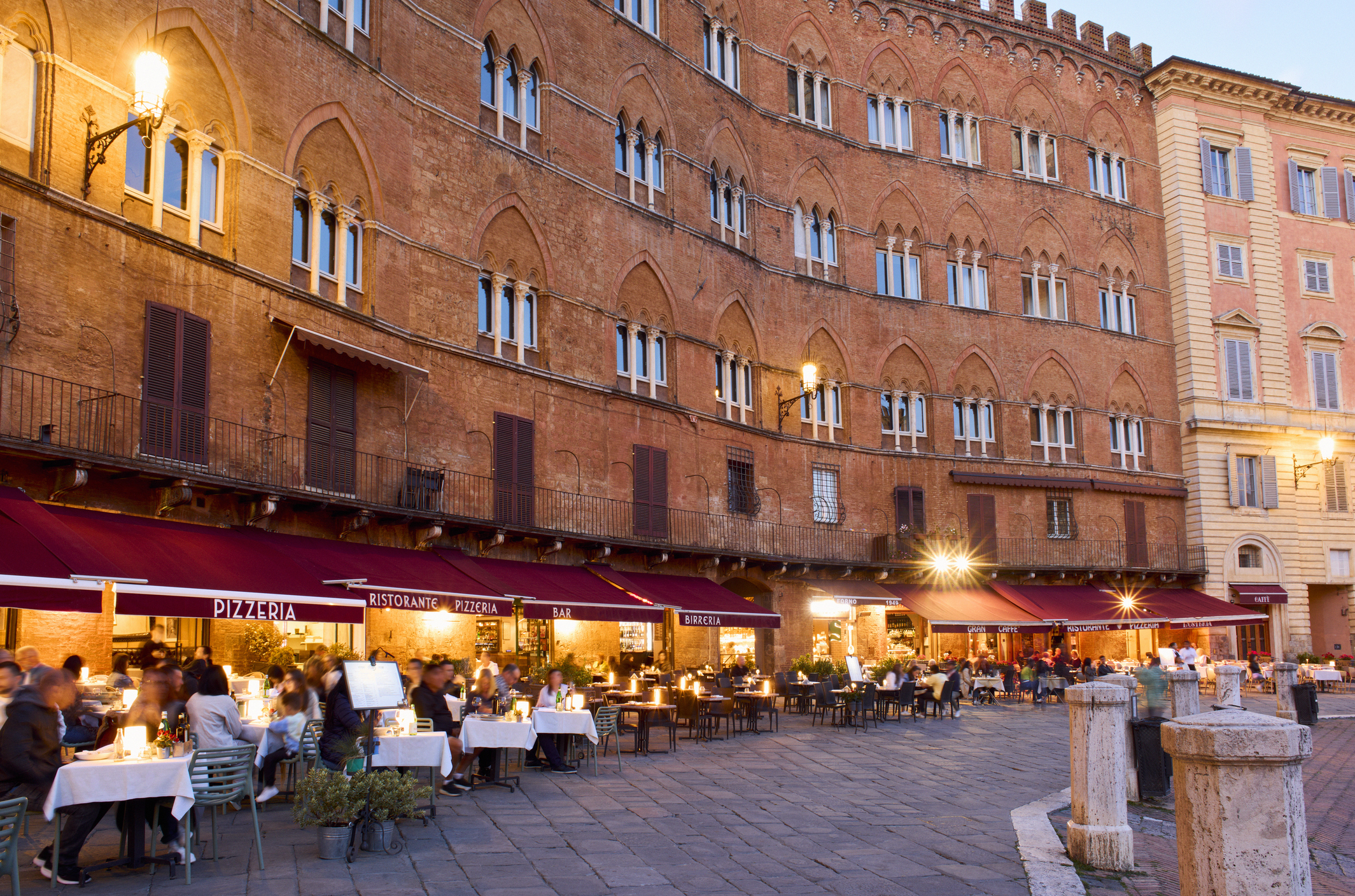
The low-carb foodie guide to Florence, Italy
Looking for low-carb food options in the capital of Italy’s Tuscany region? We’ve got you covered with our 101 guide to low-carb eateries in Florence.
