


Members-only perks


08/21/2024 • 5 min
Inside the World of Polestar: Charging FAQs
Answers to the top frequently asked questions about charging a Polestar 2.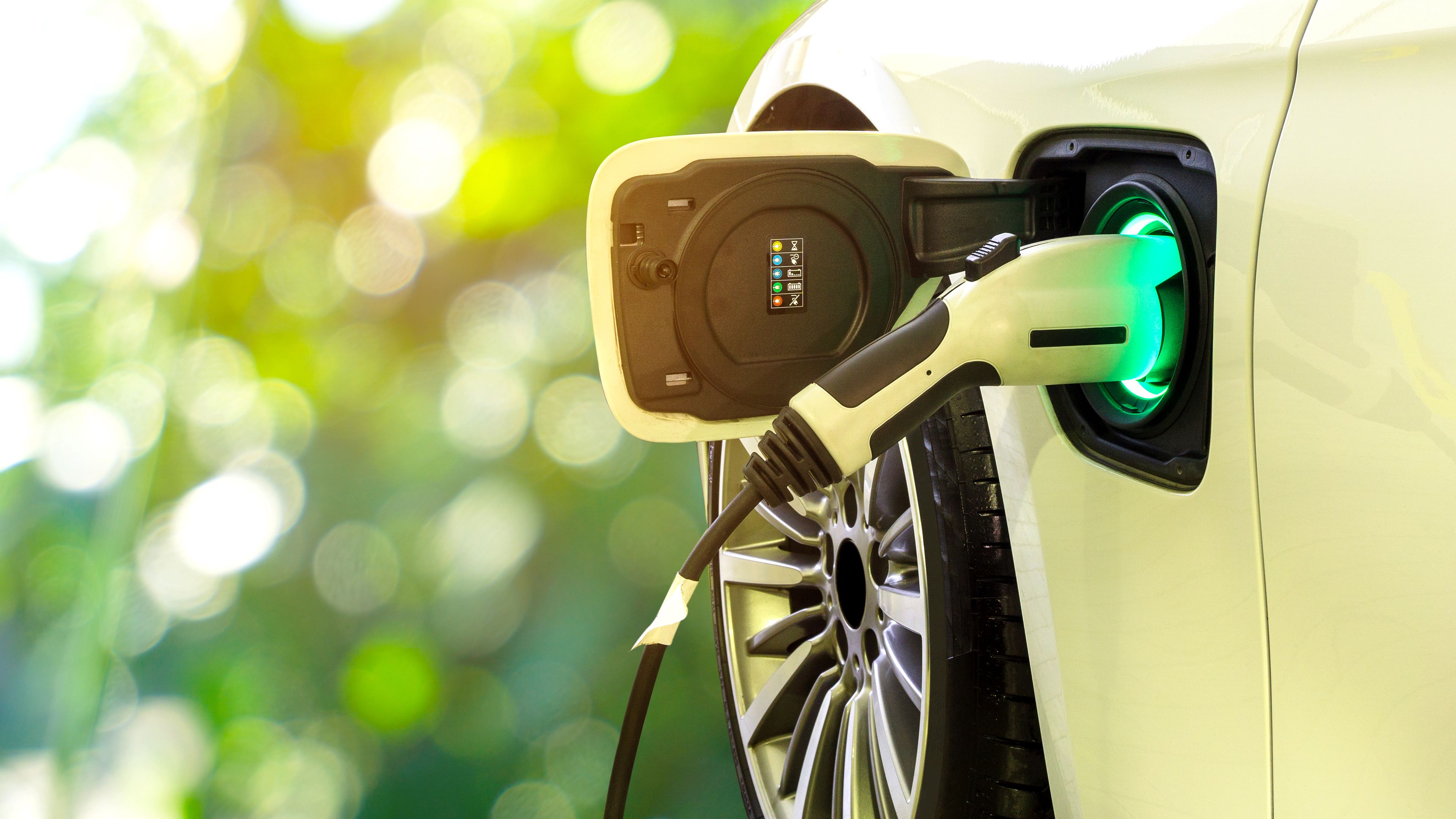
So far, on our trip inside the world of Polestar, we’ve taken apart the Polestar 2 to see exactly what makes it stand out from the crowd. We’ve also taken the Polestar on a road trip from LA to Las Vegas to experience how it drives. But how does Polestar’s electric car stand up in the day-to-day? In this final part of our series, we get under the hood – literally and figuratively – to find out the answers to common questions around EV vehicles and range anxiety. Ready? Let’s Go!
Charging at Home: What Do You Need?
Like all other cars that run entirely on electricity, the Polestar 2 needs charging when its battery gets low. For most people, charging at home or work is an efficient solution - allowing the car to charge for long periods while it’s not in use. If you’re on the road when you need to top up, it’s easy to charge your Polestar at one of the 114,000+ public charging points located across the U.S.
If you’re charging at home and you have access to private parking, a wallbox charger can be a fast and convenient way of charging. If you’re staying in a new city and renting your Polestar 2 from Hertz, consider charging access when looking for hotels or holiday homes.
Every Polestar 2 comes with a charging cable and onboard charger. They can charge at a rate of up to 11kW when charging at a standard AC wallbox by using a 3-phase 16A adapter. It’s important to note that this means that the Polestar can charge at a max rate of 11kW. Put simply, if you try charging at an outlet with a higher kW, the Polestar 2 won’t charge any faster than 11kW.
It’s strongly recommended that you only use the Polestar 2 charging cable that came with your car. It’s specifically created to work with your Polestar and to prevent damage to the battery while allowing the car to charge as fast and as efficiently as possible.
If you’re installing a charger at home, we recommend including a feature called load balancing. As the name might suggest, a load balancer prevents excessive energy consumption, saving your Polestar 2’s battery and your wallet. You can use a standard plug socket if you wish, though most safety regulators recommend this isn’t a permanent solution.
How to Charge a Polestar 2
Charge your Polestar 2’s battery to full following these steps.
1. Open your Polestar’s charging hatch and remove the protective cover on the plug.
2. With your charging cable, push the plug all the way into the input socket. You should notice it automatically locks into place after a moment.
3. On the charging station’s interface, follow the instructions to authorize and begin the charge. You can also control the percentage of the battery you wish to charge in case you don’t want to fill your battery. Before the charging can begin, the charging station will perform an isolation test which will take roughly one minute.
4. Once charging has begun, the LED lamp in the charging socket will start to flash green. If you look inside the Polestar, the driver and center display will show the remaining estimated charging time. It will also inform you if there are any issues with charging.
5. When you’re ready to stop charging, you can find the button to stop next to the input socket. If you’re stopping fast charging you won’t be able to automatically resume because the charging station will require authorization again. Unlocking your car doesn’t typically stop fast charging.
How Long Does It Take To Charge?
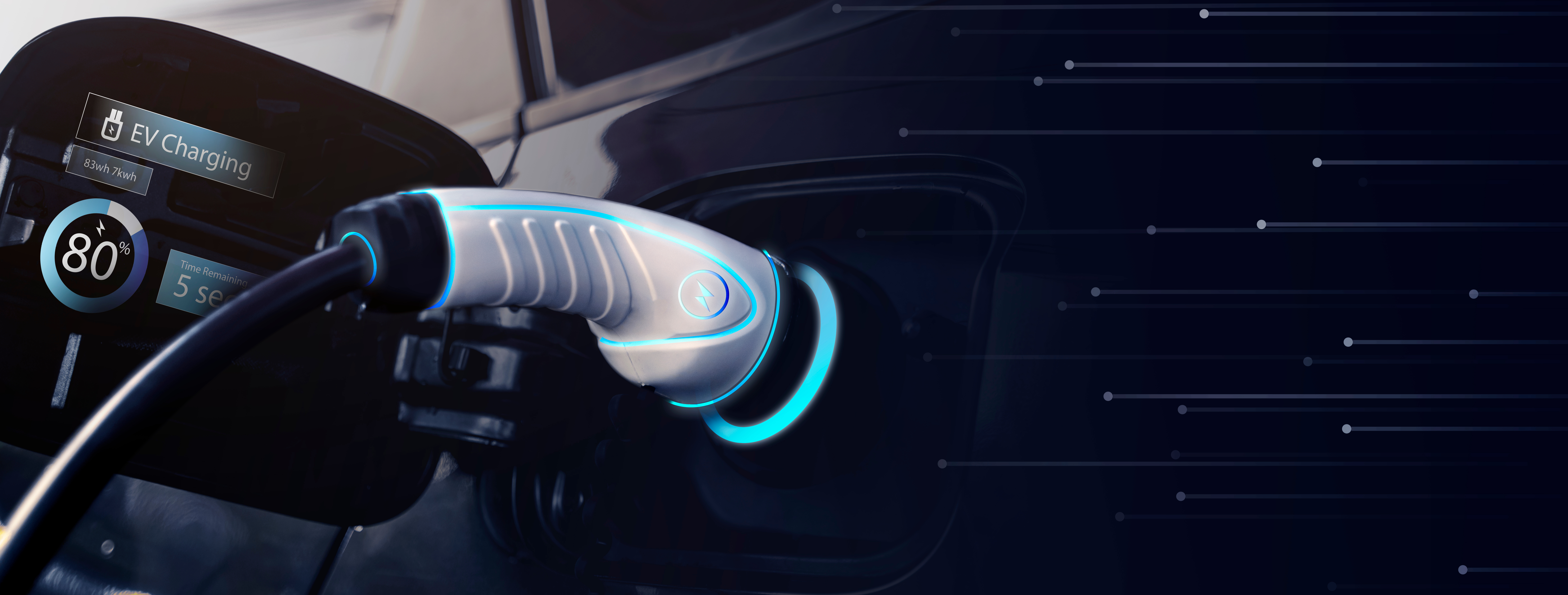
The charging time for your Polestar 2 will depend on the charger you’re using. For example, if your battery is almost empty when you plug in your car, it will take around eight hours for the battery to fully charge to 100% with an 11kW AC charger. If you only charge for an hour, you’ll still be able to get about 40 miles out of the car.
For some people, especially those who live in a city, 40 miles a day is more than enough. Just remember that, even if your home charger is capable of 22kW, your Polestar 2 is only able to take in 11kW maximum.
Your Polestar 2 is also able to charge up to 155kW on a DC charger. Charging between 10 and 80% can take as little as 35 minutes.
It takes longer to charge your battery between 80 and 100%. It can be better to stop twice and not charge all the way, rather than stop once and charge to 100% if you’re going on a long journey.
The reason why normal plugs aren’t advised is because your home’s standard 230V socket with 10 Amps will take around 40 hours to charge an empty battery up to full. And five hours to reach the 40-mile mark. While 40 miles is the estimate, factors such as temperature, traffic and wind can affect your overall battery efficiency.
How Can I Find Public Chargers?
Public chargers can be found all over the U.S. In public parking areas, near shopping malls, restaurants and increasingly found at gas stations, you don’t have to go too far to charge your Polestar 2.
There are a handful of apps available for phones or websites designed to help you find the nearest charger to you or your upcoming journey. In the Polestar, you can view charger locations using the pre-installed Google Maps app by pressing the button on the central display or asking Google to show you.
When it comes to paying for charging, the most common way is by having a contract and authenticating your ID with an rf-id tag. On the whole, it’s much cheaper to run an electric car than one that runs on gas, with electric vehicle owners saving on average $600 a year on fuel costs.
Some states also provide rebates, grants and incentives for electric car users. Be sure to check with your state to find out how much you can save.
Range Anxiety
Like any other EV, the Polestar 2’s range is determined by a handful of factors. Things to consider include, but aren’t limited to, your battery size, the size of your wheels and overall vehicle weight.
Your driving conditions are also going to affect your range. Road conditions and temperature all play a part in the effectiveness of your Polestar. In colder weather you’ll find you have a reduced range when compared to warmer days. However, you can get around this by warming and preconditioning your car while it’s still plugged in, leaving you with more energy for driving.
It’s worth considering your own driving style too. As with any vehicle, the faster and more aggressively you drive - the lesser your range is.
The Polestar has a few handy features to help give you a performative edge. With Polestar 2’s one-pedal drive function, you’re able to make the most of brake energy regeneration and reduce overall energy consumption. To keep an eye on your range during your journey, you can use Polestar’s built-in range assistant and plan accordingly.
Related Articles
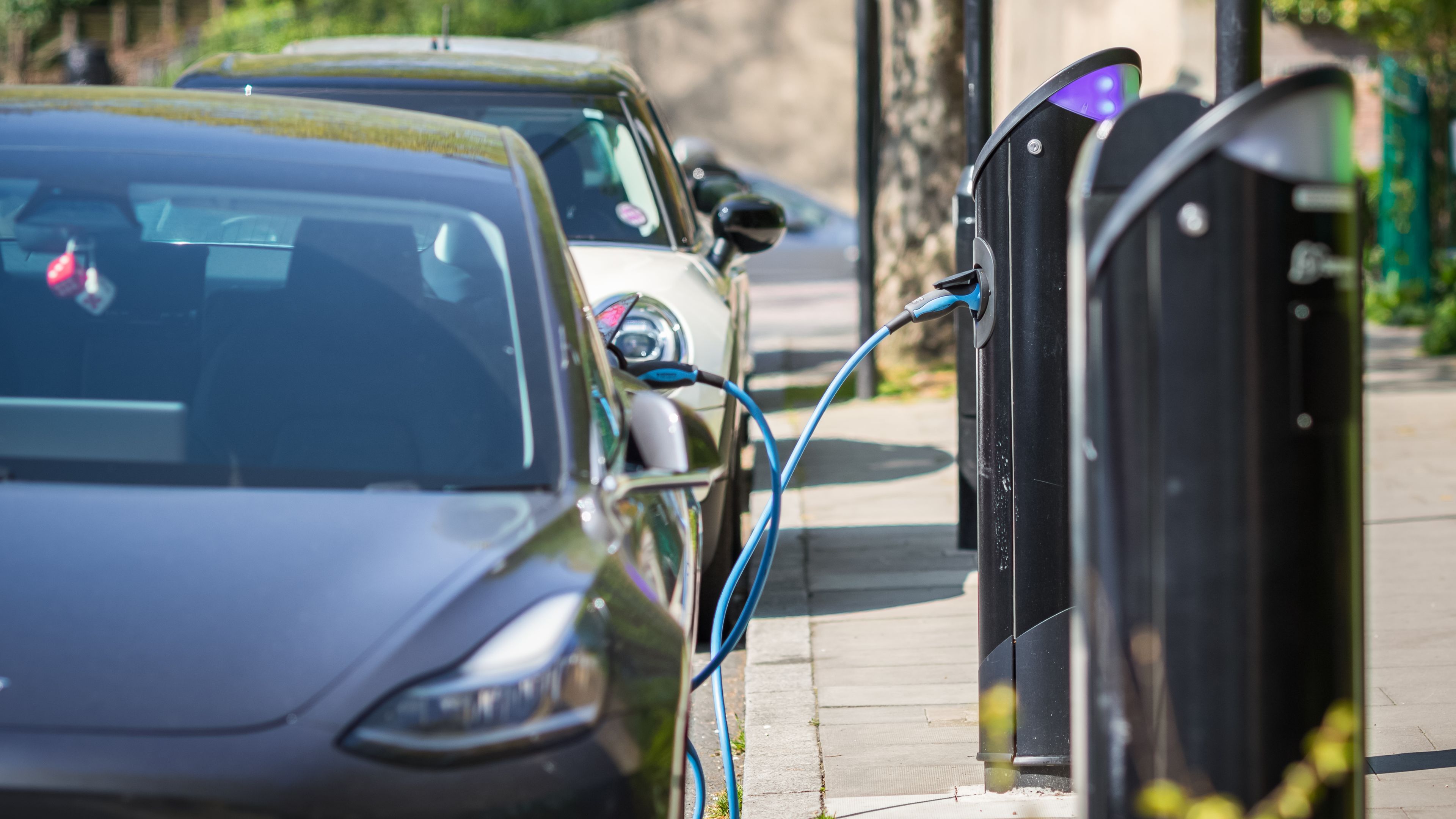
Do I Need to Return an EV Rental With a Full Charge?
Hertz offers three great options options to recharge your rental EV. Read about them below.

Are electric cars better for the environment?
As people across the world consider the environmental impact of everyday life, many are exploring ways to reduce their carbon footprint with Electric Vehicles (EVs).

Five Ground-Breaking EVs: What is the Best Electric Car Ever?
Electric cars are becoming more and more innovative, affordable and reliable. As a result they’re now so popular that even some their biggest skeptics are beginning to take notice.
