


Members-only perks


06/16/2023 • 6 min
How Much Electricity Does a Tesla Use?
Find out how much electricity an electric car uses with our EV guide. Discover the energy usage of Tesla and get ready to explore the open road today.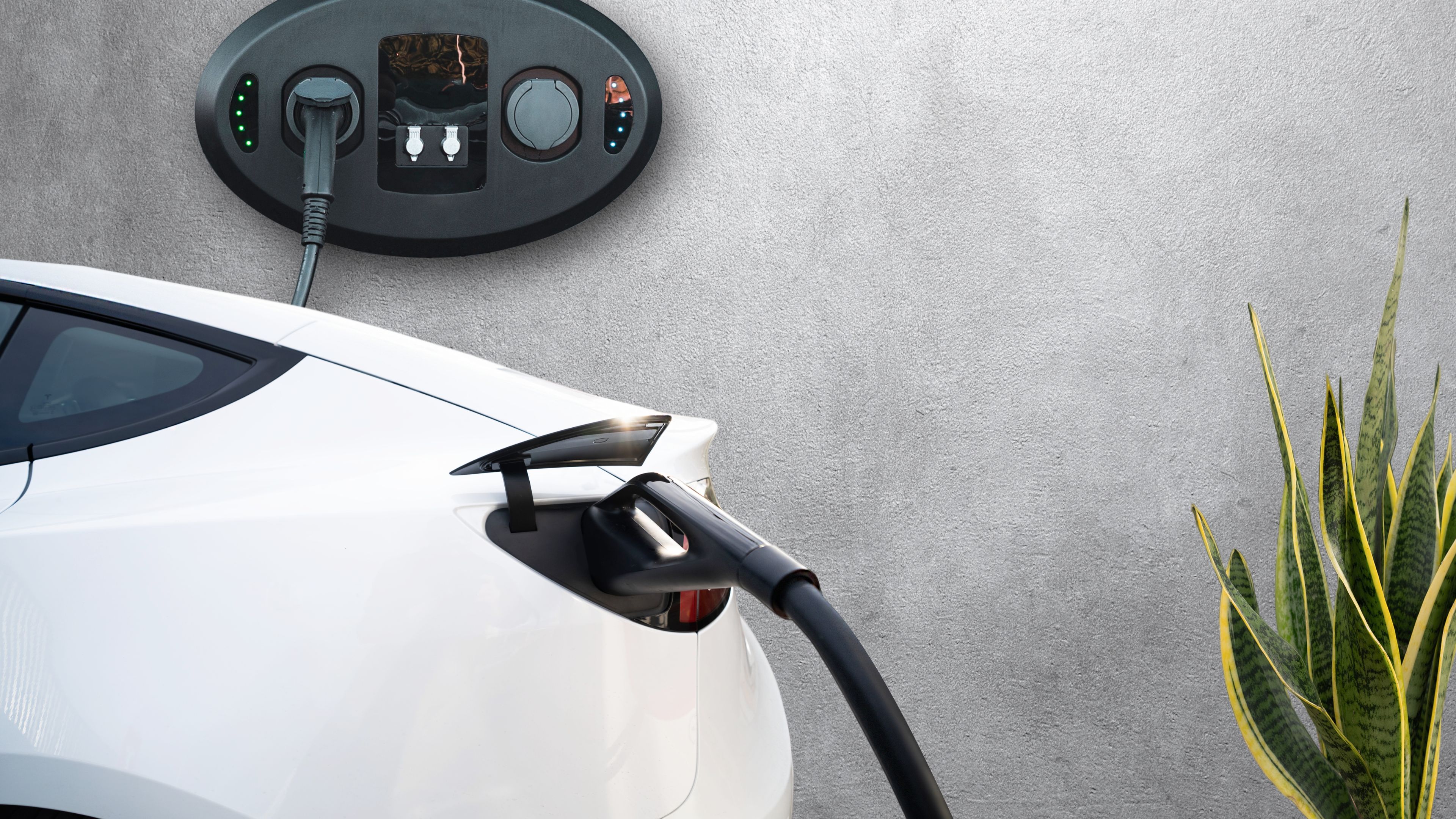
How Much Electricity Does a Tesla Use?
Tesla’s mission is to accelerate the world’s transition to sustainable energy through electric vehicles and solar-energy technology. To achieve this and compete in the mass automotive industry, Tesla ensures their electric vehicles (EVs) are affordable and efficient while providing a unique driving experience.
Read on to find out how much electricity a Tesla uses as we consider each Tesla model.
How Much Electricity Does It Take To Charge A Tesla?
The amount of electricity a Tesla uses on a full charge can vary based on several factors. It can depend on the model, where you choose to charge your EV and how long you leave your EV to charge.
If you’re wondering if Tesla electricity is free, then it’s best to be aware that most Tesla owners have to pay to charge their EVs when using one of the Tesla Supercharging stations. The only exception may include Model S or Model X owners who purchased their EVs in 2017 or earlier, as they may have free Supercharging.
Battery capacity is the main component to consider when it comes to how much electricity it takes to charge a Tesla. We’ve broken down the battery capacity and charge times for each Tesla Model below.
Model S
The Model S is Tesla’s flagship EV. Released in 2012 as the world’s first luxury electric sedan, the Model S now boasts up to 405 miles per charge.
The 2023 Model S has something for everyone, with up to 26 cubic feet of cargo space and front and rear touchscreens with internet and GPS connectivity. Meanwhile, the 1,020 horsepower Plaid performance model can accelerate to 60mph in 2.1 seconds.
At an AC charging station – using the same power you would use to charge at home – at max power of 17 kW, it would take around seven hours to fully charge. In contrast, at one of Tesla’s Supercharging stations, at 250 kWh of power, it would take just 30 minutes to reach 80% battery capacity.
Model 3
This midsize EV was released in the Summer of 2017 and is the most affordable Tesla within the range. With three trims available, RWD, Long Range and Performance, you can experience the quality and practicality of the Model S at an accessible price tag.
At an AC charging station, or at home, you can expect to charge all versions of this model at 11 kW. This can take around six hours to fully charge the RWD and over eight hours for the Long Range or Performance trim. A Supercharger station would charge this Model to 80% battery capacity in around 30 minutes.
Model X
The Model X was first released in 2015. Tesla considers this mid-size luxury crossover SUV[AF2] the highest-performing SUV ever built. The standard trim comes with Dual Motor All-Wheel Drive. You can also opt for the all-powerful Tri Motor All-Wheel Drive with the Model X Plaid trim boasting more than 1,000 horsepower all the way to top speed.
At a standard AC charging point at home or at a charging station, the Model X will take around seven hours to charge to full capacity at 17 kWh. However, at Tesla Supercharger locations, it may take just 30 minutes to reach 80% charge capacity.
Model Y
Released in 2020, Tesla’s Model Y was an immediate success. In 2022, the Model Y became the winner of the Cars.com Best Electric Vehicle of 2022 award, among others. This year, the electric car won a Safety Award from What Car? It was the highest-scoring model in the Euro NCAP crash tests.
Dynamic off-road capability makes this mid-size SUV particularly desirable. With independent electric motors that digitally control torque to the front and rear wheels, this SUV handles well in all terrains, with good traction and great stability.
These features inevitably consume energy. At an AC charging point, it can take eight hours for a full charge at 11 kWh. At Supercharger locations, this time can be reduced to just 27 minutes.
How Much Electricity Does An Electric Car Use Per Month?
If you’re considering purchasing or renting a Tesla, you may be interested to know how much electricity a Tesla uses in an average month.
According to the U.S. Department of Transportation, Americans drive an average of 13,456 miles per year – that’s 1,123 miles per month. For EV drivers, this may equate to around $51.66 per month in electricity costs, depending on where you charge your EV.
Compare this to the cost of gas-fueled vehicles, which cost $150 to $200 a month on average, and the savings are clear. The costs of each Tesla Model are broken down in the table below.
Model | Usable Battery Capacity | Drive Range | Cost per mile | Cost per month | Cost per year |
Model 3 RWD | 57.5 kWh | 272 miles | 4.03 cents per mile | $45.26 | $543.08 |
Model 3 Long Range | 75 kWh | 358 miles | 3.76 cents per mile | $42.22 | $506.70 |
Model 3 Performance | 75 kWh | 315 miles | 4.67 cents per mile | $52.44 | $629.33 |
Model S | 95 kWh | 405 miles | 4.40 cents per mile | $49.41 | $592.94 |
Model S Plaid | 95 kWh | 396 miles | 4.58 cents per mile | $51.43 | $617.20 |
Model X | 95 kWh | 348 miles | 5.17 cents per mile | $58.06 | $696.71 |
Model X Plaid | 95 kWh | 333 miles | 5.40 cents per mile | $60.64 | $727.70 |
Model Y Long Range | 95 kWh | 330 miles | 4.31 cents per mile | $48.40 | $580.82 |
Model Y Performance | 95 kWh | 303 miles | 4.75 cents per mile | $53.34 | $640.11 |
How much electricity does a Tesla use per mile?
Across the entire Tesla range, it could cost between $2.90 and $4.50 to drive 100 miles, which equates to 2.9 to 4.5 cents per mile. Although the energy to charge a Tesla isn’t free, the cost to fuel EVs compared to gas equivalents will leave you with a considerable saving.
Tesla produces a diverse lineup of cars that cater to a broad audience. Affordable and efficient, Tesla EVs can travel the miles, provide luxury and comfort and, above all else, use electric power that costs a fraction of gas.
Go green today and explore our wide range of electric car rentals, from Tesla to Polestar.
Related Articles
Do I Need to Return an EV Rental With a Full Charge?
Hertz offers three great options options to recharge your rental EV. Read about them below.

Are electric cars better for the environment?
As people across the world consider the environmental impact of everyday life, many are exploring ways to reduce their carbon footprint with Electric Vehicles (EVs).

Five Ground-Breaking EVs: What is the Best Electric Car Ever?
Electric cars are becoming more and more innovative, affordable and reliable. As a result they’re now so popular that even some their biggest skeptics are beginning to take notice.
