


Members-only perks


06/17/2022 • 4 min
How the 1990s Changed Car Design
In the 1990s, new safety and emission guidelines changed the way cars were built. Discover how designers experimented with ways to evolve the overall look of the American automobile.
The 1970s and 1980s were a time of change for the auto industry. New safety and emissions guidelines affected the way cars were built, and designers experimented with various ways to evolve the overall look of the American automobile.
By the end of the 1980s, drivers were tired of wedge-shaped, boxy cars that focused more on fuel efficiency than on aesthetics. Designers focused their attention on concepts they knew had worked in the past — namely, the curves that graced cars in the 1930s and 1960s — and then improved on those concepts. Those weren't the only changes seen in cars during the last decade of the 20th century, though. Cars changed in three other very important ways during this period.
Return of the Curves
The Toyota Supra's popular wedge shape became a driving force when it was unveiled in the 1980s. However, by the beginning of the next decade, it had lost much of its appeal. Designers went back to the drawing board and revisited successful cars like the 2000GT. They borrowed (and updated) a few design elements and came up with a model that emulated all the best features of a classic sports car. The 320-horsepower model pushed the Supra into the "supercar" category and gave it brand-new bragging rights.
Other car makers also reinvigorated their cars with curves. Mazda rolled out its smooth, rounded Miata in 1990 and enjoyed tremendous success. In 1991, Dodge introduced the Stealth, a sporty reinvention of the Mitsubishi 3000GT. Car design definitely turned a corner in the first two years of the decade, and it continued shapeshifting as the 1990s unfolded.
Speedier and Sportier
The 1990s saw the launch of an impressive line-up of sports models that offered great handling and a burst of power at an affordable price point. Cars like the Lamborghini Diablo, McLaren F1, and Ferrari F50 were high-performance, expensive beauties that most car owners could only dream about. But more accessible models like the third-generation Mazda RX-7 satisfied everyday drivers' need for power and speed at a reasonable price.

Between those two extremes, moderately priced supercars like the Acura NSX, the Nissan 300ZX, and the Chevrolet Corvette ZR-1 were all alternatives that checked all the boxes for drivers seeking both style and substance.
More Power to You
The 1990s spawned many memorable cars, but two vehicles stand out as symbols of the bold direction carmakers decided to take. With the introduction of the Dodge Viper in 1992, Dodge immediately stole the spotlight from the rest of the automotive world. This muscular, rounded powerhouse started as a concept car, but Dodge ultimately put it into production. It may have lacked traction control, but it was a head-turner of a car. Features included side exhaust pipes, a V10 under the hood, and a wide body that rode low to the ground. It was pure adrenaline housed inside a flashy, aggressive body — and America loved it.
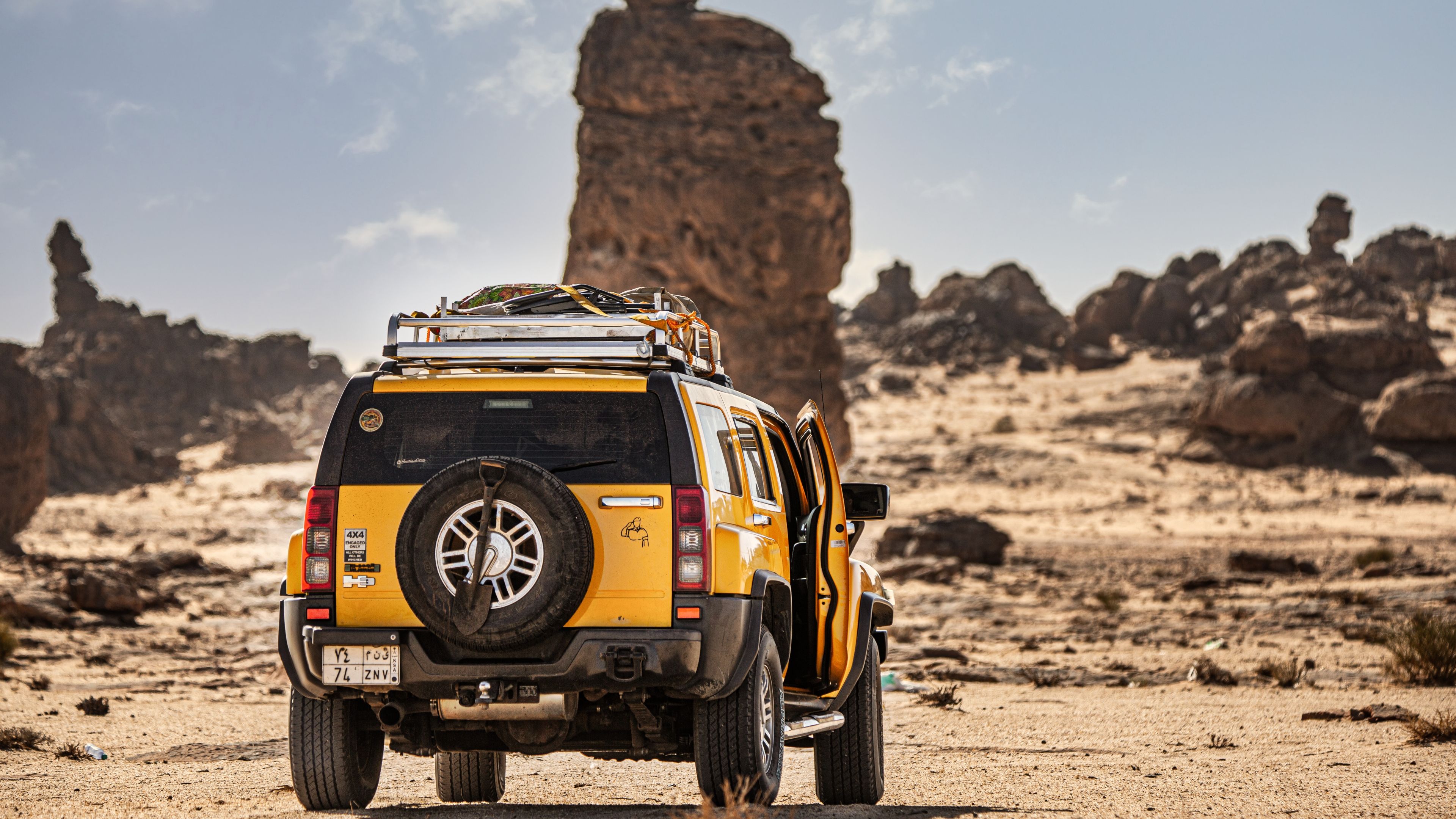
That same year, another powerhouse vehicle caught the attention of America's drivers. The polar opposite of the Viper, the Hummer H1 was a four-wheel-drive utility vehicle modeled on the military's M998 Humvee. It had low production numbers and was built on the same assembly line as military models, but it included creature comforts like cruise control and power windows. Subsequent Hummers were smaller and more consumer friendly, but the H1 made a lasting impression on drivers.
Today, the advancements in technology have seen even greater transformations in the auto industry. It’s hard to say where car design will be in another 20 years’ time, but we’re certain it’ll continue to challenge expectations.
What is your dream car from the 1990s? Tell us about it on Facebook.
Related Articles
Life During Wartime: How World War II Changed the Auto Industry
In the 1940s, the future of the automotive industry looked bright. Following dramatic innovations in mechanics and body design, discover why the cars were artistic and luxurious.
The Pros and Cons of a Do-It-Yourself Oil Change
Do the perks of a do-it-yourself oil change outweigh the potential pitfalls? To answer that question, consider the pros and cons of changing your own oil with this Hertz guide.

Buying a car: are those extra features wants or needs?
Buying a car means choosing from a variety of options. From safety to sunroofs, here is a helpful list of wants vs. needs to consider when car shopping.
