


Members-only perks


03/01/2018 • 5 min
How a Silent Film Star Changed the Automotive World
Born Florence Bridgwood to vaudeville actress Lotta Lawrence, Florence Lawrence took her mother's stage surname upon entering the film industry as an actress in 1906.
She rose to fame as a silent film starlet, but she was also an avid automobile enthusiast who liked to tinker with vehicles from that early era, a passion that played a major role in the development of the automobiles of today.
Silent Film Star
At the beginning of her career, Lawrence played Daniel Boone's daughter in a silent film produced by Thomas Edison's movie studio. She went on to star in almost 300 films over the course of her movie-making career, including "Resurrection" (1909) and "The Closed Door" (1913). Lawrence was also the first film star to have her name associated with the films she starred in, leading to her nickname as "The First Movie Star."
Automotive Inventor
After finding fame as a film actress, Lawrence turned some of her attention to her passion for automobiles. Wealthy enough to afford a car, the actress soon found herself taking frequent drives and tinkering with her new object of affection. This led to the invention of three pieces of vehicle hardware that no driver could do without today: the mechanical turn signal, the brake light, and the electric windshield wiper. Although her initial designs have long since been supplanted by more modern technology, the cars of today can thank Lawrence's initial efforts for putting them on the road to improved vehicle safety.
Invention of the Mechanical Turn Signal
Lawrence's first invention, the mechanical turn signal, utilized a signaling arm to alert nearby drivers and pedestrians of the driver's intent to turn. Activated through the push of a button, the system raised and lowered a flag on the rear bumper of the car.

Source: Shutterstock
Invention of the Brake Light
In addition, Lawrence designed a simple yet ingenious device to alert other drivers when a vehicle was coming to a stop. A driver pushed a brake pedal to raise a small sign in the rear of the car that read "Stop." Unfortunately, Lawrence failed to get a patent for her brake sign, just as she failed to do so with her mechanical turn signal.
Invention of the Electric Windshield Wiper
Another invention Lawrence is credited with creating — also unpaid and unpatented — is the electric windshield wiper. After her failure to patent this third invention, other companies were quick to swoop in and claim ownership, patenting their own designs for these industry-changing inventions.
Related Articles
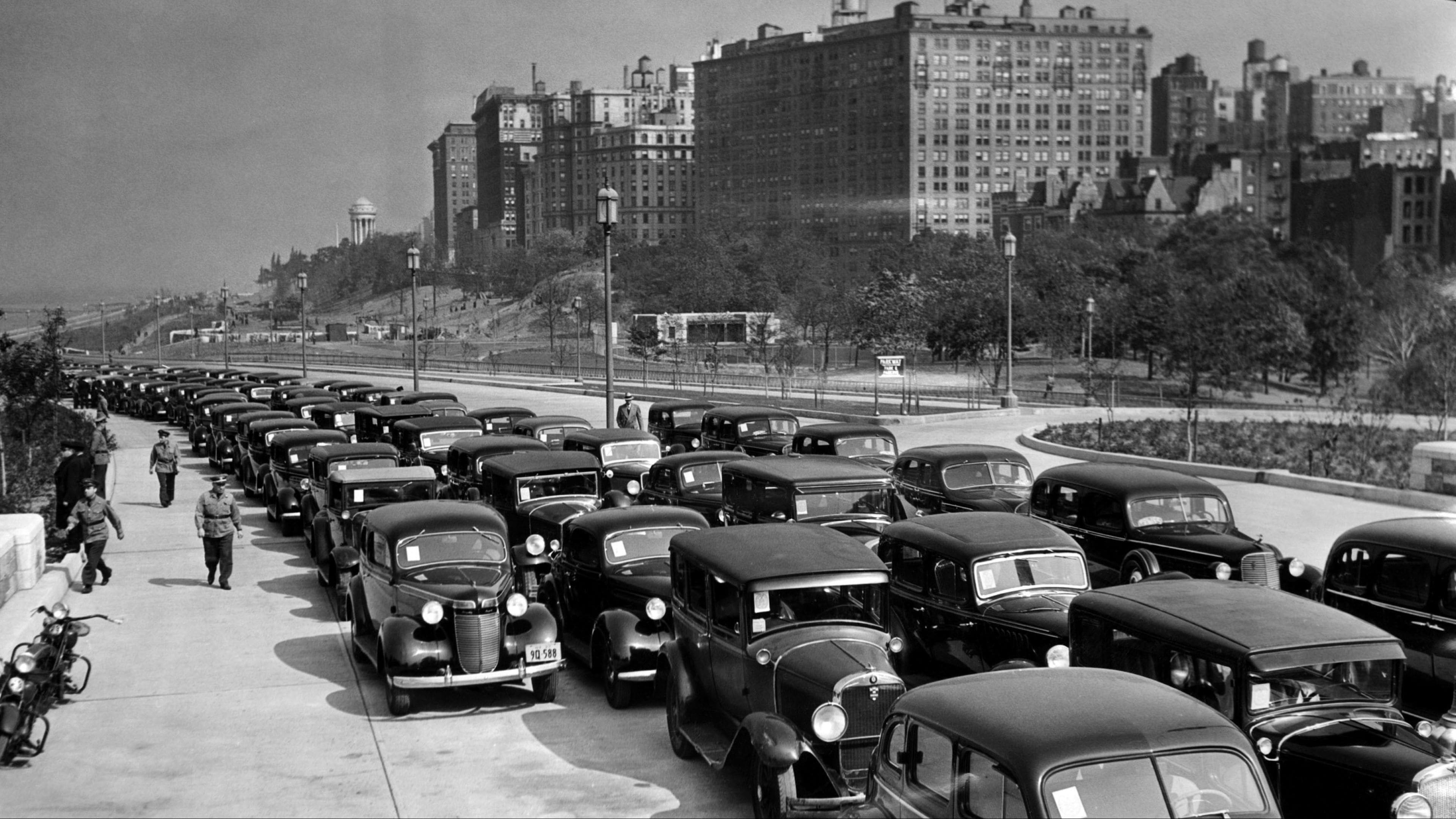
Life During Wartime: How World War II Changed the Auto Industry
In the 1940s, the future of the automotive industry looked bright. Following dramatic innovations in mechanics and body design, discover why the cars were artistic and luxurious.
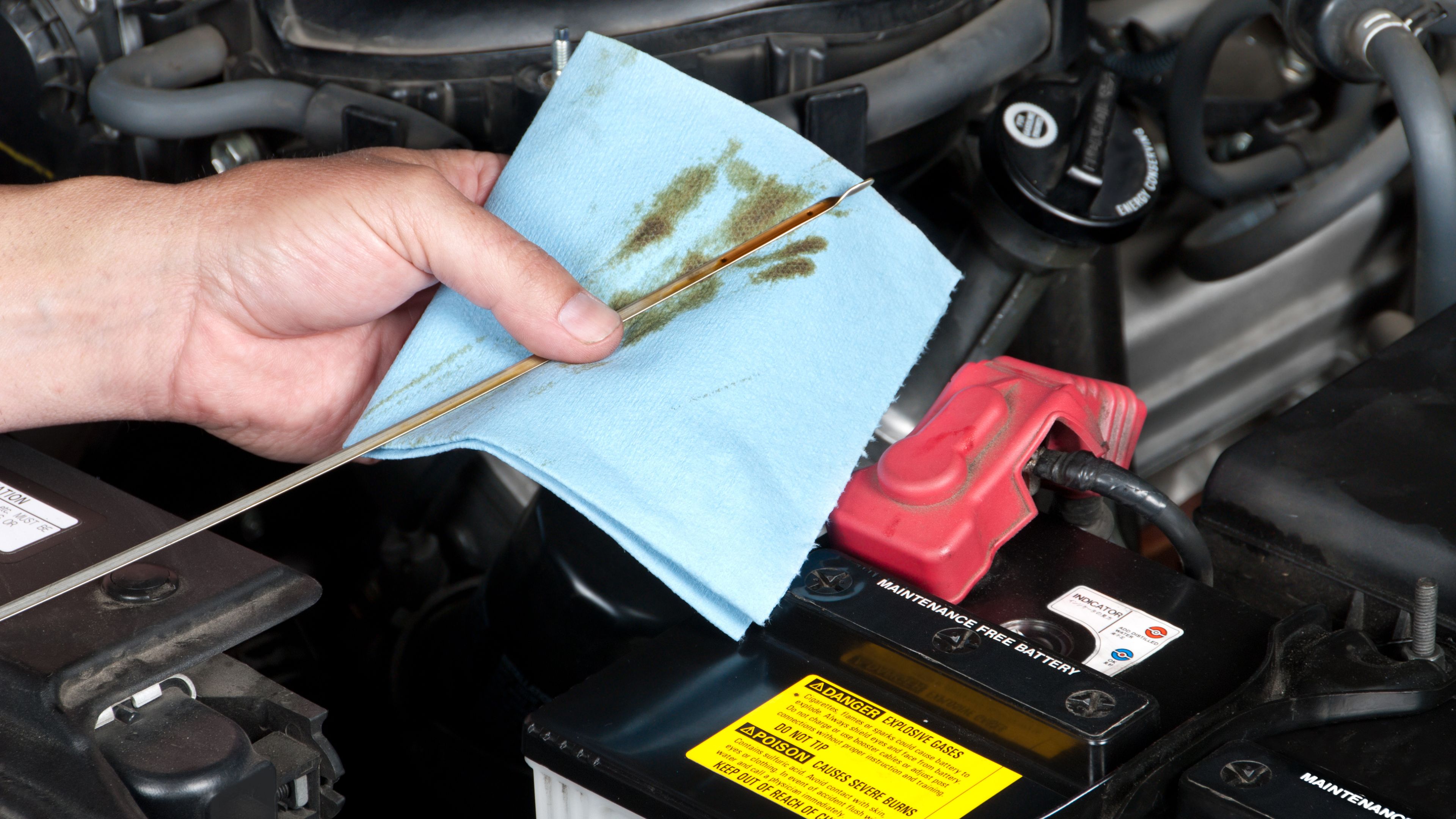
The Pros and Cons of a Do-It-Yourself Oil Change
Do the perks of a do-it-yourself oil change outweigh the potential pitfalls? To answer that question, consider the pros and cons of changing your own oil with this Hertz guide.

Buying a car: are those extra features wants or needs?
Buying a car means choosing from a variety of options. From safety to sunroofs, here is a helpful list of wants vs. needs to consider when car shopping.
