


Become a Hertz Gold+ member


08/27/2018 • 5 min
Car Buying: Don’t Forget the Interior
There are a lot of things to consider when you're buying a car. Although the vehicle's performance, style, and design often get the most attention, the interior features are just as important.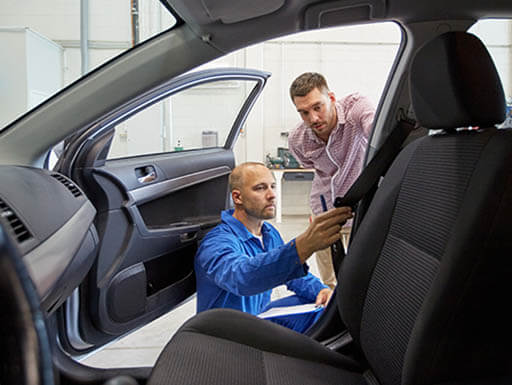
Your comfort largely depends on the interior layout, and there are also indicators within that can alert you to potential problems with the car. Check each of these interior components as you're car shopping.
Seats
If you're buying used, then carefully inspect the seats for stains or excessive areas of wear and tear. Although a blemish or rip doesn't speak to the overall performance of the vehicle, it does affect its value and can also give you an idea as to how the previous owners treated the car. After checking out the upholstery, test the manual or power controls to ensure the seats adjust as they should.
When you're looking at the seats, take comfort into consideration. Make sure you can easily reach the steering wheel and you can clearly see the road while you're driving. Also, check to make sure you can clearly check your blind spots. Even if you don't plan to use the back seat, test the amount of leg room and determine if it's easy to get in and out.
Heat and Air Conditioning
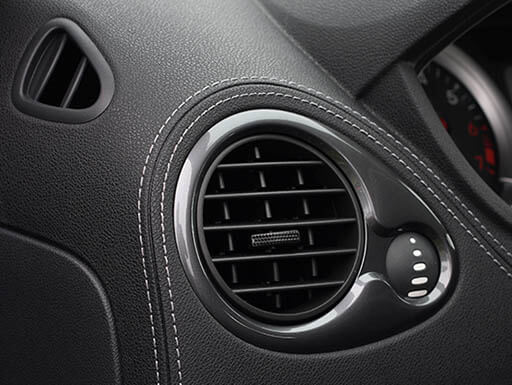
Test both the heat and the air conditioning to make sure they work correctly. Flip between settings to ensure that you notice a difference between low and high, and make sure all the vents are blowing. Listen for rattles and squeaks as you run the climate control, and then close the windows to determine if there are any unpleasant odors coming from the vents, which could indicate a larger problem.
Accessories and Features
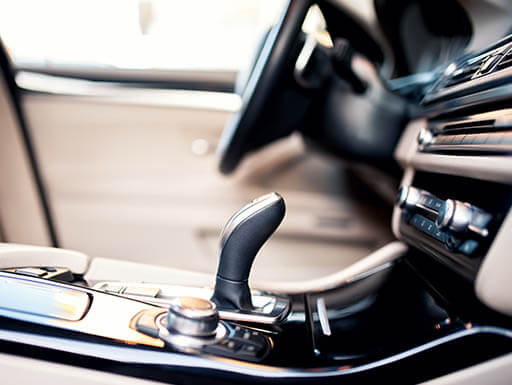
Sit in the driver's seat and test all accessories that come with the vehicle. These include the windshield wipers and wiper fluid, power mirrors, and gauges. Turn on all the lights and look for any dimmed or flickering bulbs, which could signal an electrical issue. After firing up the engine, make sure no dashboard lights remain illuminated. Next, test that the power windows go up and down without making any unusual noises, and ensure that all the power locks operate smoothly. Finally, take note of all the cup holders and the storage space, and consider whether these are adequate for your needs.
Audio System
Test both the AM and FM radio stations, and make sure the volume controls work. If the car has a CD player, then insert a disc to check that it plays and ejects. If there is an entertainment system with a screen, check that the screen and/or control knobs are easy to use for you. Then make sure all USB and AUX connector ports work.
Spare Tire
Check the vehicle's spare tire, jack, and tools to ensure they are all in place and easily accessible. These items are easy to swap out, but you'll want to know prior to purchasing if you need to negotiate their replacement. Check the spare tire for signs of water or rust, as these could indicate prior water damage.
Water Damage
The car's interior may provide clues that the vehicle previously suffered water damage. Odor is the first indicator; smells like mildew or sour milk are often a sign that the car has a leak or has experienced flood damage. Look in the glove box, under the seats and floor mats, along the ceiling, and in the trunk to check for leaks, rust, or other signs of water damage.
Purchasing a car should be an exciting process, not an overwhelming one. Follow us on Twitter for more tips, and discover inspiring places to take your new ride.
Related Articles

Life During Wartime: How World War II Changed the Auto Industry
In the 1940s, the future of the automotive industry looked bright. Following dramatic innovations in mechanics and body design, discover why the cars were artistic and luxurious.
The Pros and Cons of a Do-It-Yourself Oil Change
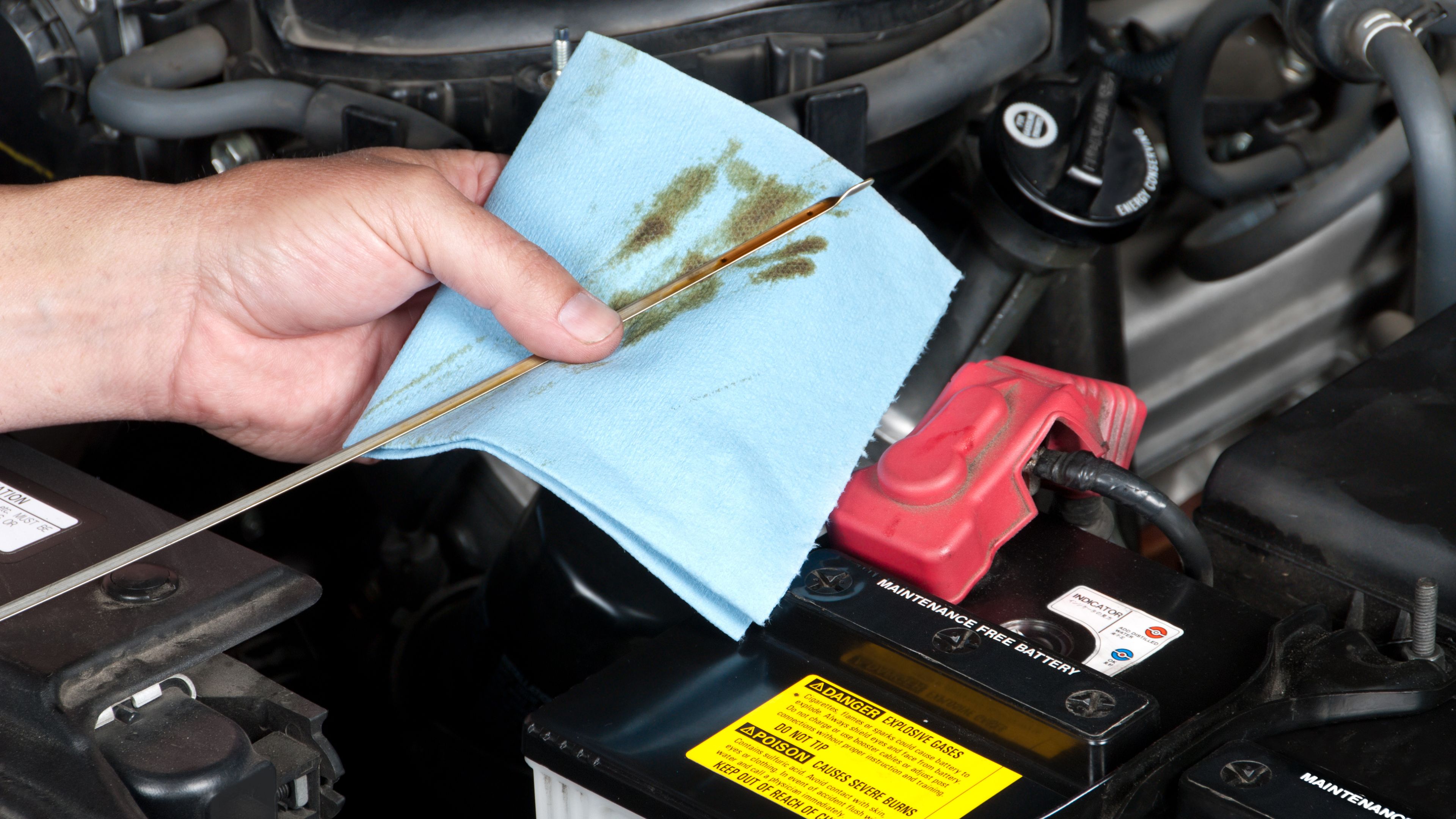
Do the perks of a do-it-yourself oil change outweigh the potential pitfalls? To answer that question, consider the pros and cons of changing your own oil with this Hertz guide.

Buying a car: are those extra features wants or needs?
Buying a car means choosing from a variety of options. From safety to sunroofs, here is a helpful list of wants vs. needs to consider when car shopping.
