


Members-only perks


Car Rental - Belgium
Rent a car in Belgium, Europe’s decadent and storied centerpiece, to unlock the pint-size home of the European Union – a place you can drive across in just three hours.
Sandwiched between the Netherlands and France, Belgium is split into two distinct regions. Dutch-speaking Flanders is in the north, while French-speaking Wallonia sits in the south. Rent a car in Belgium, and you’ll notice differences between the flat coastal plain in the west and the rolling Ardennes hills and woods to the east.
We have a fantastic range of rental cars to choose from in Belgium, including compact cars for city driving and cabriolets to set the scene for a romantic Belgian road trip.
From the Grand Place in the capital city, Brussels, to the canals of Bruges and the tiny chocolate stores of Antwerp, car rental in Belgium unlocks many delights.
A Quick Guide to Belgium
With a car rental in Belgium, the world is your oyster – or perhaps your steamed mussels.
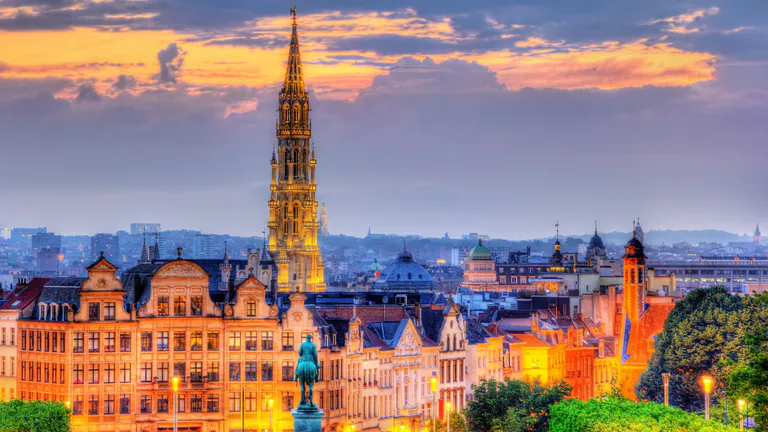
Brussels
Brussels is the lively capital city of Belgium, known for hosting several European Union buildings and for its delectable upscale cuisine. Flemish art, iced waffles and layers of architecture create a refined atmosphere. Visit in your rental car to see the Royal Museums of Fine Arts of Belgium – home to 20,000 items, including the world’s largest collection from surrealist Rene Magritte.
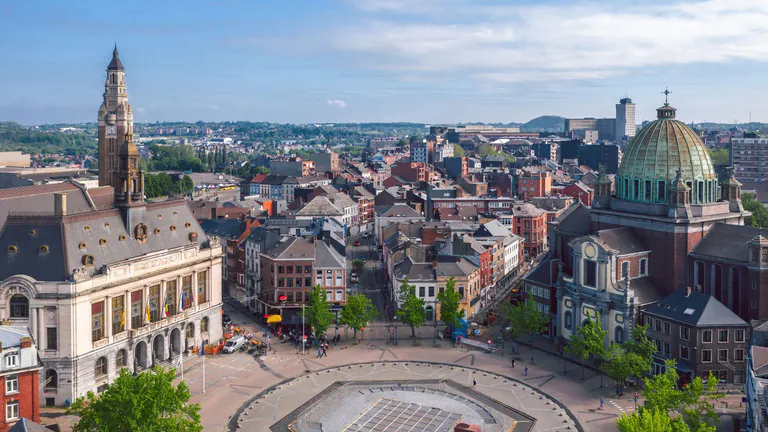
Charleroi
Charming Charleroi is a laid-back city with a love for alternative arts and culture. You’ll find the epicenter of Belgian comic strip culture here – keep your eyes peeled for comic character statues hidden throughout the city.
This place has industrial heritage aplenty, including the Bois du Cazier Museum and the city’s very own Glass Museum.
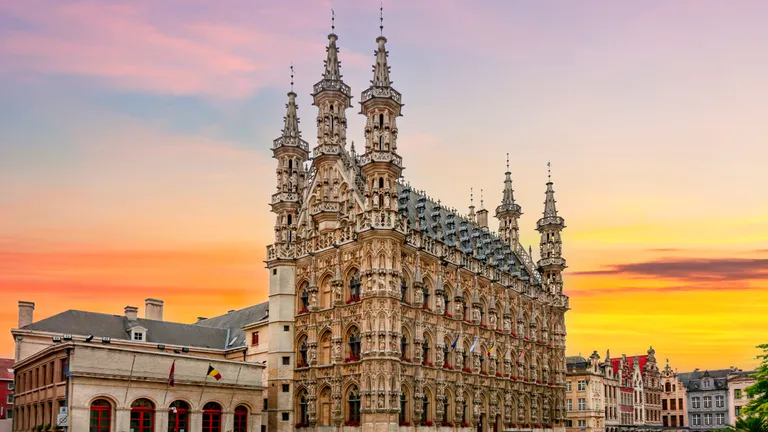
Leuven
The spires of Leuven make the city atmospheric in all seasons. Visit Saint Peter’s Church to see 15th-century Gothic architecture crowned by a UNESCO-listed belfry and bell tower, or head to the Historical Leuven Town Hall and prepare for detail that dazzles.
Meerdaalwoud, 25 minutes from the center of Leuven, offers great hiking grounds.
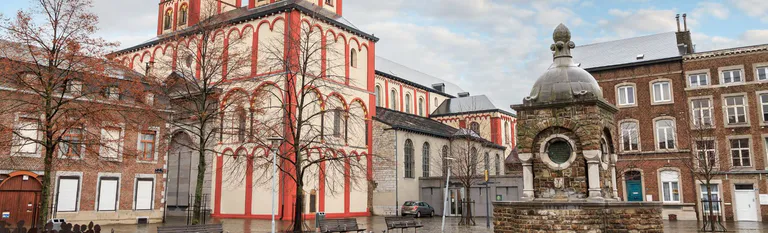
Liege
Brush up on your French skills and step into Belgium’s third city, a place where commerce and leafy sophistication go together. Le Grand Curtius Museum, an iconic red building, celebrates the region’s decorative arts heritage. You’ll also find luscious parks and a place to explore underground at Blegny-Mine, a former coal mine.
Don’t pass up the opportunity to climb Montagne de Beuren, Liege’s landmark staircase.
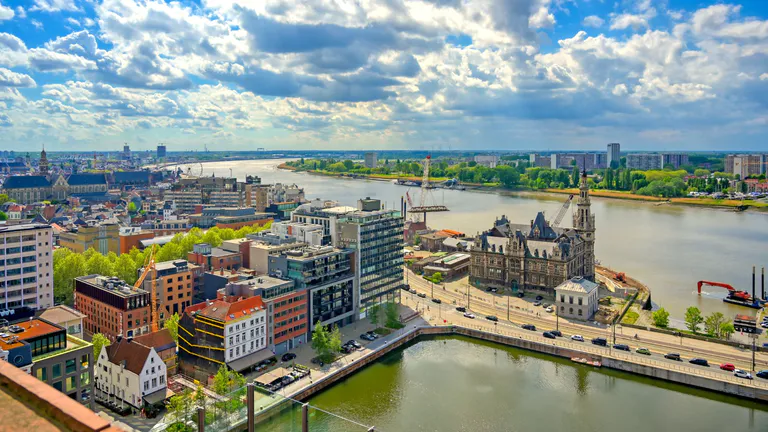
Antwerp
Riverside chocolatiers, ornate guildhalls and the world’s largest Belgian chocolate museum – what more could you desire from a road trip in Belgium? There’s a UNESCO-listed print museum and celebrations of more recent innovations at the Museum of Modern Art, Antwerp.
Ghent
Load up the rental car for a fairytale adventure. In Ghent, the star attraction is Gravensteen, an imposing 12th-century castle. Behind the mystical moat, you’ll find exhibits on the castle’s history and weaponry, complete with audio tours.
Soak up charming views at Korenlei, then visit the Design Museum Gent to explore the niche world of Belgian and international product design.
Kortrijk
Fantastically Flemish and known as the site of the Battle of Golden Spurs, Kortrijk is a mid-size city with plenty of medieval attractions. You’ll see the Broel Towers by the riverside. Be careful not to miss the Belfry of Kortrijk – a Belgian icon and UNESCO World Heritage Site. If you don’t mind narrow spaces, it’s possible to climb for exemplary views of the city.
Bilzen
This peaceful town in Belgium’s southeast makes a great stop on any road trip – there’s Alden Biesen, a cultural center set in a castle, plus plenty of parks and trails for outdoor activities.
One of Bilzen’s most memorable attractions is Neanderthal Site Lanaken, a protected archaeological site dedicated to our mysterious and now-extinct hominid cousins.
Namur
The capital of the Wallonia region features a sense of mystery at every turn. There are four miles’ worth of underground passages, a citadel that looks out over central Belgium and Gotet Cave is just a short drive out of town.
Crupet Castle – a medieval fortified farmhouse that exudes tranquility – is just 25 minutes from Namur by rental car.
Mons
Cobblestones and cafe culture define Mons, a Belgian city that evolved from a Roman camp. Visit the Van Gogh House, step into an unusual modern art gallery on a former mining site, or entertain the kids at the Museum of the Fair and Memory. In the historic center, you’ll find seafood eateries at every turn.
Driving in Belgium
- The speed limit on motorways – both A and E roads, plus some R-marked beltways – in Belgium is 120kph (75mph) and, unless there's congestion, there's a minimum motorway speed limit too: 70kph (43mph).
- On other roads, the maximum Belgian speed is 90kph (56mph).
- In residential areas, the limit is normally only 20kph (12mph).
