


Become a Hertz Gold+ member


06/17/2022 • 6 min
A California Road Trip: Sequoia & Kings Canyon to Death Valley
Yearning for a Hertz California adventure? Read our guide as we lead you through the adventurous Sequoia & Kings Canyon to Death Valley road trip.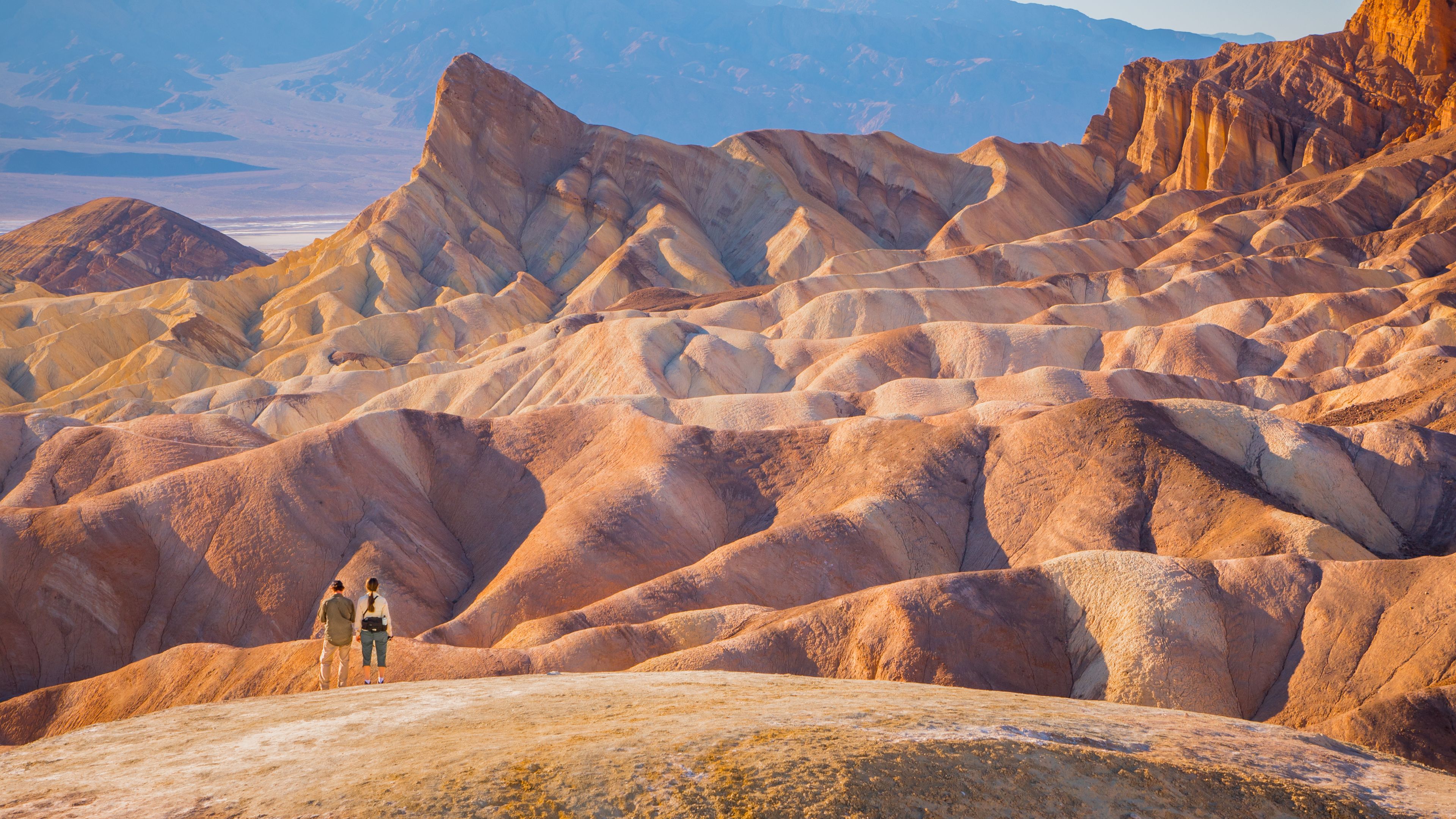
Travel the length of California - 800 miles from end to end - and you'll drive through every terrain imaginable: snow-capped mountains, verdant meadows, rolling vineyards, soaring Redwood forests, vast farmlands, and arid desert. A road trip from Sequoia & Kings Canyon National Parks to Death Valley National Park is a study in California's natural diversity.
At Sequoia & Kings Canyon, you'll be surrounded by the Sierra Nevada's high granite mountains and giant Sequoia groves, while in Death Valley, a below-sea-level basin, you'll see towering peaks, jagged rock salt plains, volcanic hills, and sand dunes.
Here's where and how to make the most of your California road trip.
Sequoia & Kings Canyon National Parks
The Sequoia & Kings Canyon National Parks are located side by side and cover 1,353 square miles in total. President Benjamin Harrison established Sequoia National Park in 1890 to protect the giant sequoia trees from logging. Kings Canyon National Park came along in 1940, with support from President Franklin D. Roosevelt.
Sequoia Groves
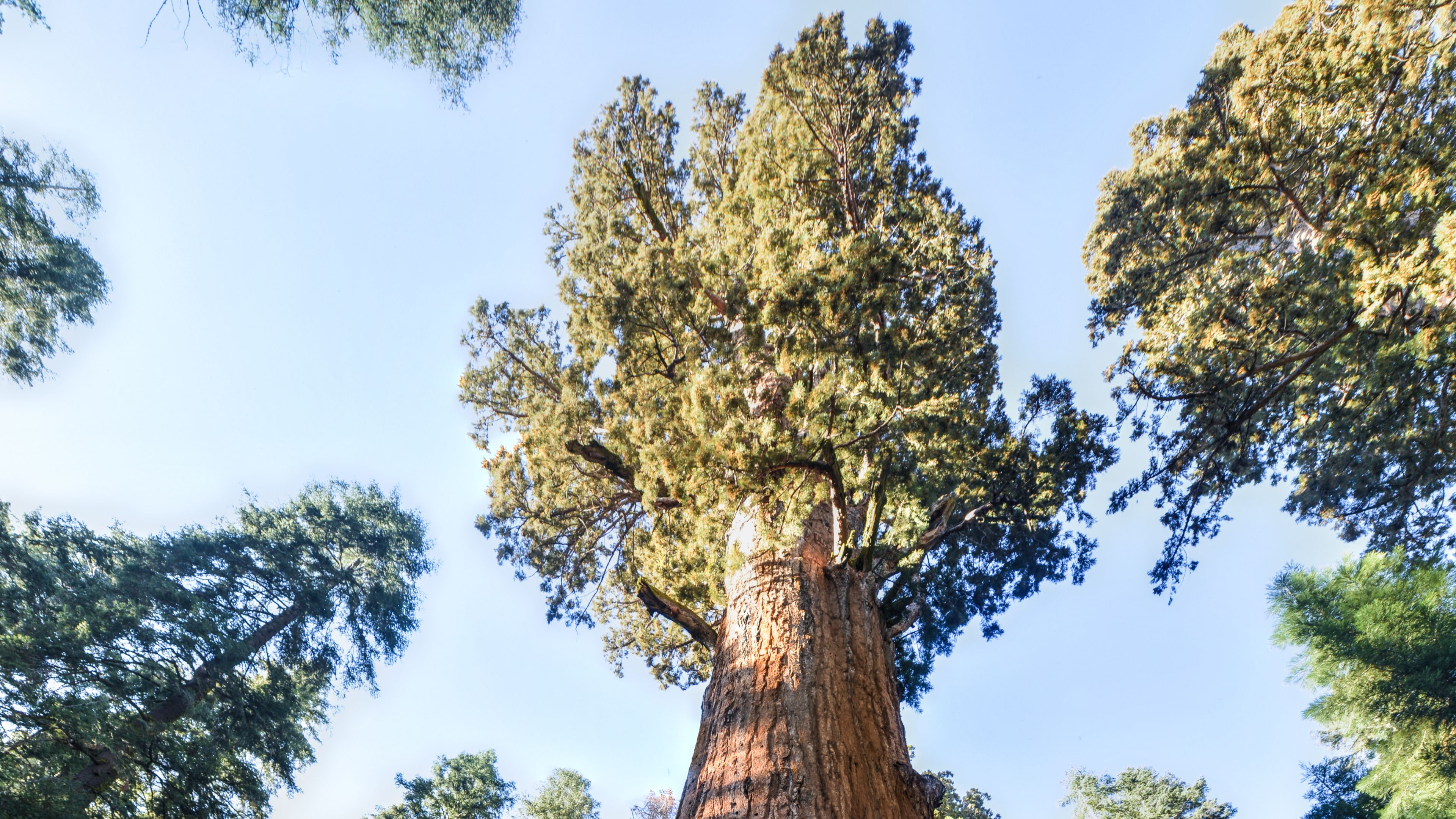
The highlights of Sequoia Park are the giant sequoia groves, where trees rise to be more than 300 feet tall. At Giant Forest, you'll find the General Sherman Tree, the largest living sequoia. You can pay a visit to the Grant Grove to spot more sequoias, measuring up to 20 feet in diameter, but the star attraction is the General Grant Tree, which is recognized as the nation's Christmas tree. To get away from the crowds, take the two-mile hike from Generals Highway to Muir Grove.
Hiking Trails
For a moderate day hike, trek the 4.2 miles to the Upper and Lower Monarch Lakes. You'll be rewarded with spectacular views as you pass through lush meadows and a red fir forest. The trail is in the Mineral King Valley area, which starts at 7,500 feet elevation. Take your time and drink plenty of water.
Extend your day at Giant Forest with a hike along the Middle Fork or Marble Falls trail, both of which will take you past peaceful waterfalls. Other popular hiking spots nearby include Cedar Grove and the popular, yet difficult, John Muir Trail.
Best Time to Visit
Sequoia & Kings Canyon National Parks stay open year-round, although some roads and hiking areas may close for the winter season. Be sure to check the park’s website before your trip to stay informed.
The foothills of the park have mild winter temperatures for hiking, but some sections also offer cross-country skiing and snowshoeing in the colder months.
In the spring, you'll see wildflowers in the foothills, snow atop the sequoias, and fast-moving rivers and waterfalls. The weather is unpredictable, with occasional snow showers, so pack a variety of layers and come prepared for anything.
Summer attracts the largest crowds thanks to the comfortable temperatures in most parts of the park. It can reach over 90 degrees Fahrenheit in the foothills though, so bring plenty of water to stay hydrated.
Fall ushers in cooler evenings and warm to moderate days. It can be difficult to predict what temperature you'll get, but the crowds are sparser than in summer and the autumn views are spectacular.
Death Valley National Park
The largest national park outside of Alaska, Death Valley covers 3.3 million acres. Driving through Death Valley can take you from Badwater Basin, at 282 feet below sea level, to Telescope Peak, which climbs to 11,049 feet.
"The landscape in Death Valley is so incredibly remote and desolate," says Krista Canfield McNish, founder of the travel blog FoodWaterShoes. "Throughout the park, you'll see deserted old mines and camps. I came away from our experience respecting the Native Americans and pioneers who made their way through this tough terrain."
Hiking
Hiking is plentiful in Death Valley, but you won't find many marked trails. Here, you'll have to trek cross-country, along flatlands, slopes, or mountains, using the footprints of those that walked before you as your guide. With that in mind, Canfield McNish advises that you take extra precautions or hire a guide to ensure you arrive at your destination safely.
Places to See
Death Valley offers dozens of opportunities to see one-of-a-kind landscapes and rock formations.
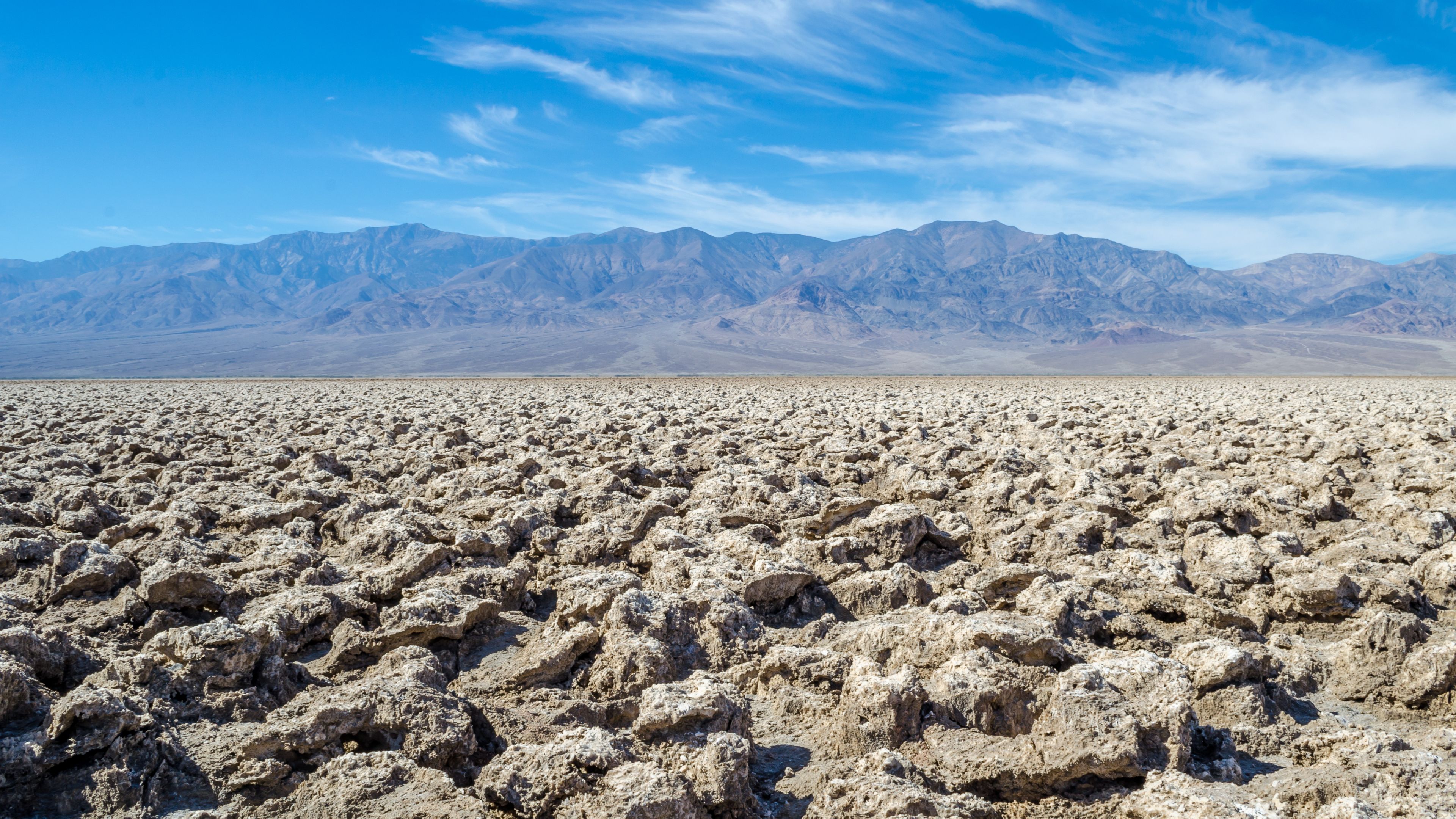
A round on the Devil's Golf Course would be one tough game! A massive salt rock area near Badwater Basin, the landscape is eroded into jagged spires as far as the eye can see. Look out for the salt pool.
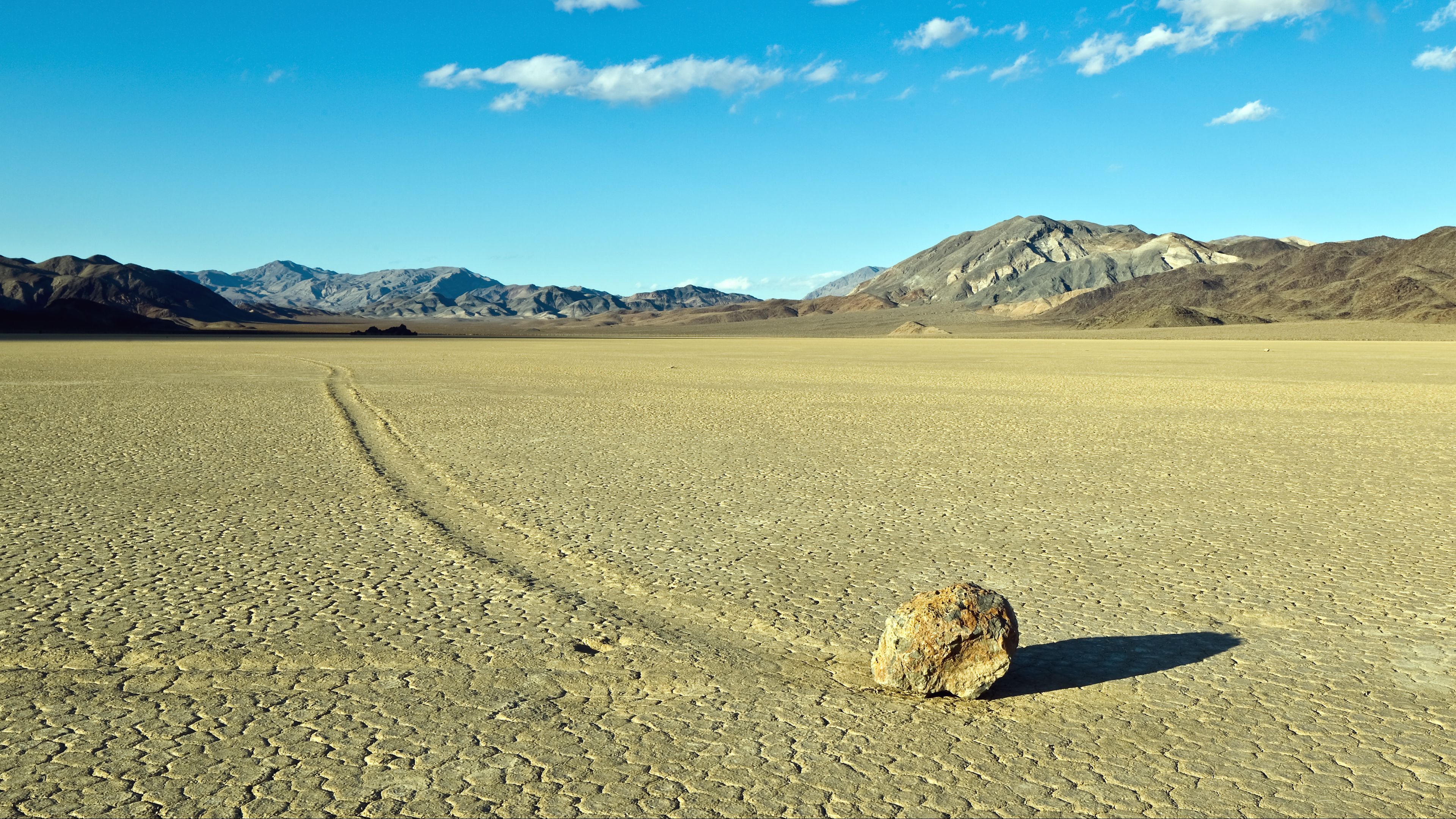
Have you ever seen a rock move on its own? You might at Racetrack Playa, located two miles south of the Grandstand parking area. Known as "sailing stones," the rocks in this desert move and shift for no logical reason. The National Parks Service says that no one has seen the rocks move, but they do leave evidence behind.
"The smallest hints of ice, combined with light breaths of wind, move what would otherwise stand still," says Canfield McNish. “It's a powerful metaphor only nature can illustrate."
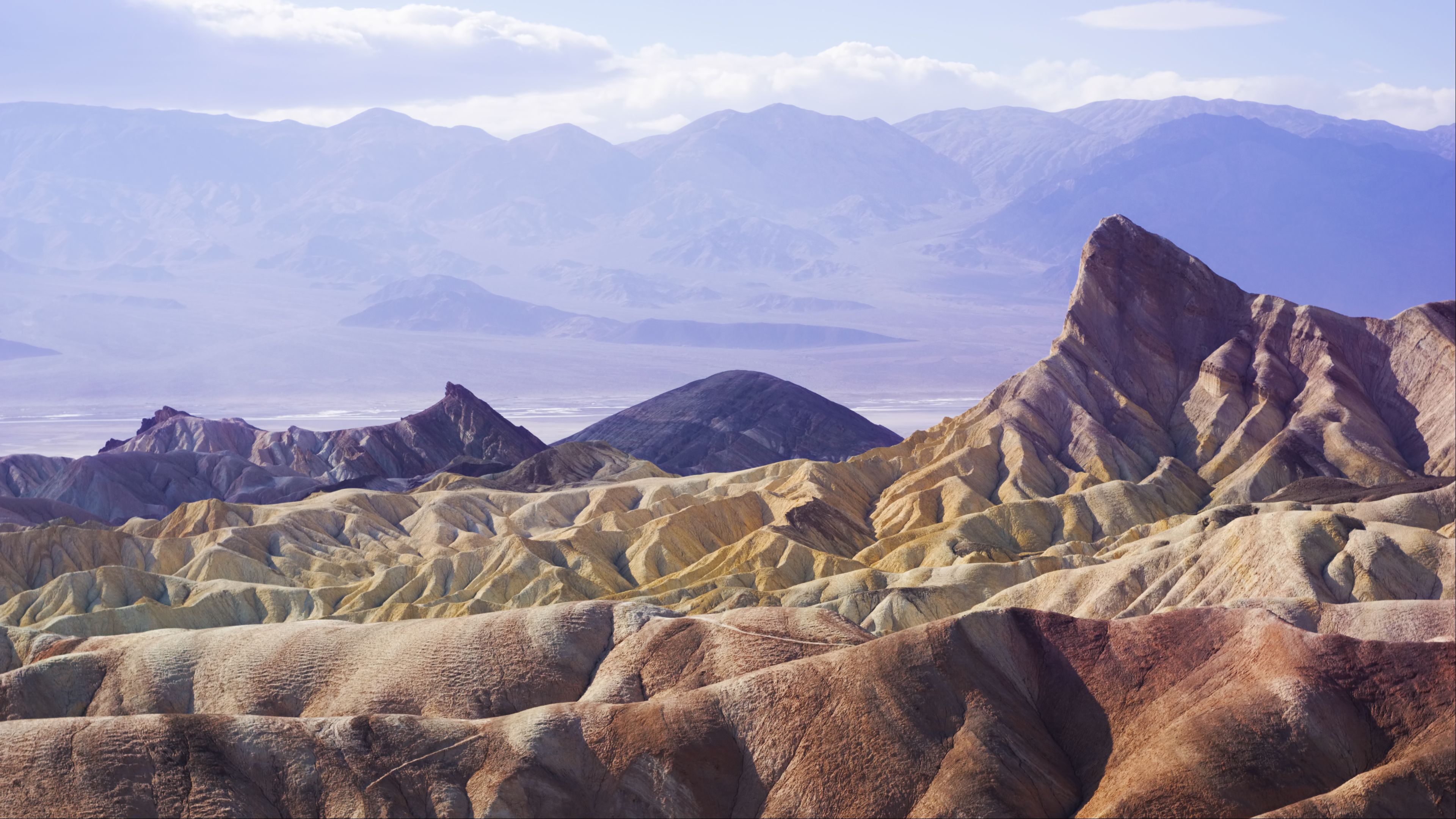
For the most remarkable sunrise and sunset views, visit Zabriskie Point. You'll see multiple shades of gold in the Golden Canyon cliffs. Take the short, paved trail to the lookout, or extend your day with a longer hike.
Mosaic Canyon is a moderately tricky hike of around four miles, but it’s worth the effort. The angular breccia, composed of tiny fragments of a variety of rock types in a natural cement, features in outcroppings along the trail, while in other areas the stone has been polished to a high marble sheen by passing flash floods.
Other don't-miss Death Valley sites include the volcanic hills of Artist's Drive, Twenty Mule Team Canyon through the badlands, and the Mesquite Flat Sand Dunes.
Best Time to Visit
Unless you enjoy 120-degree heat, visit Death Valley in the winter or spring. From February through May, you'll spot desert gold, bear poppy, desert dandelions, and a variety of other wildflowers throughout the park. The flowers usually bloom earliest in the lower elevations and gradually begin to appear in the higher elevations later in the season. Average temperatures range from the low 70s in February up to 100 degrees Fahrenheit in May in lower elevations. Lows range from the mid-40s to the low 70s. However, no matter what time of year you visit, you’re sure to be stunned by the variety of landscapes contained within this California gem.
What are your favorite hiking spots in the Sierras and Death Valley? Share your travel pics with us on Instagram.
Related Articles
Canyons of Arizona and Nevada road trip
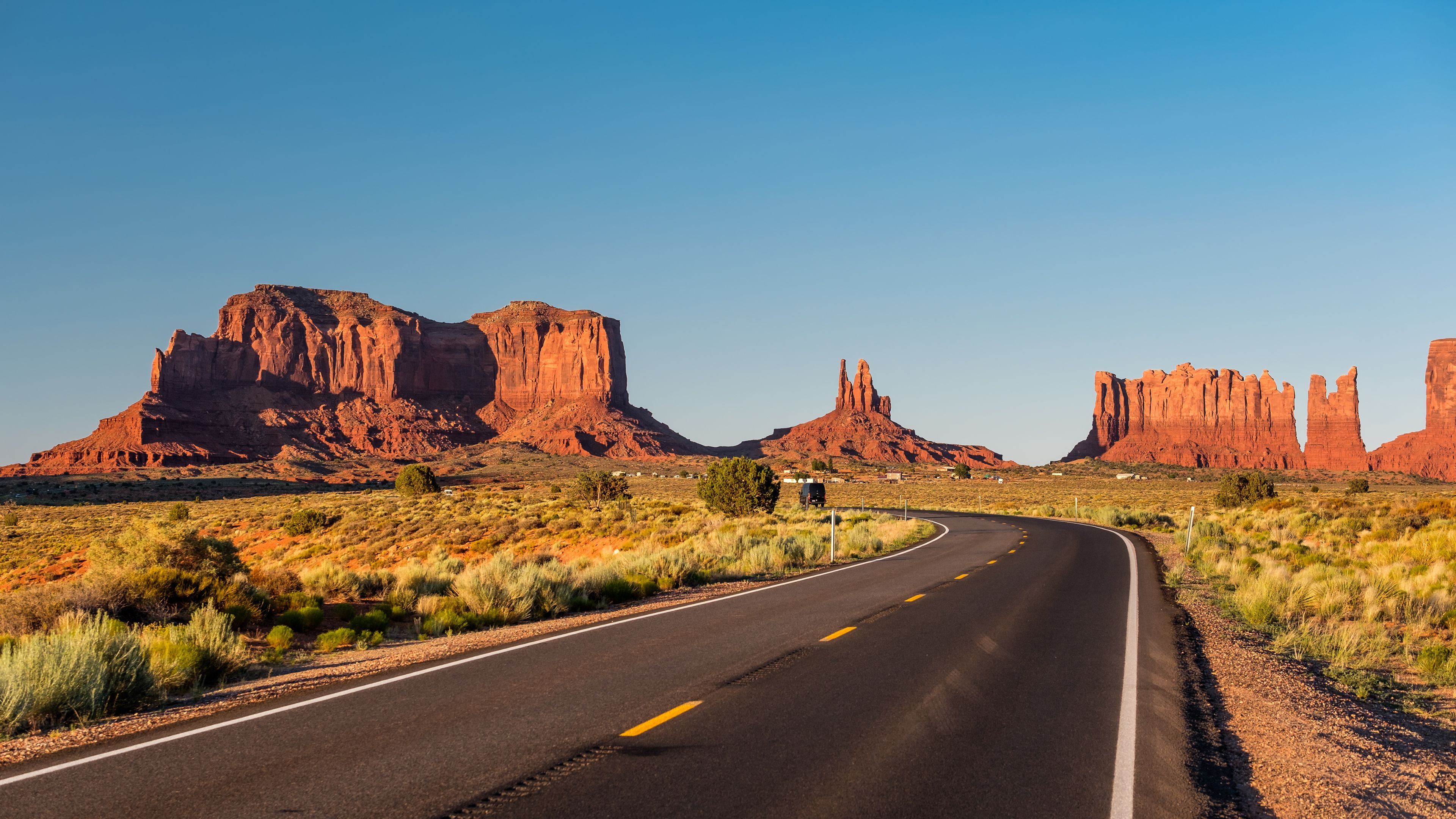
From the Grand Canyon and Antelope Canyon, to Valley of Fire State Park and Horseshoe Bend, discover things to do in Arizona and Nevada in an unforgettable road trip. This route is one of unspoiled wonder, where the scale of what time has wrought dazzles the senses, and every stop is sure to leave you in awe of the drama of nature’s finest theaters. Enjoy this unique road trip with Hertz.
A Complete Guide to Los Angeles’ Neighborhoods
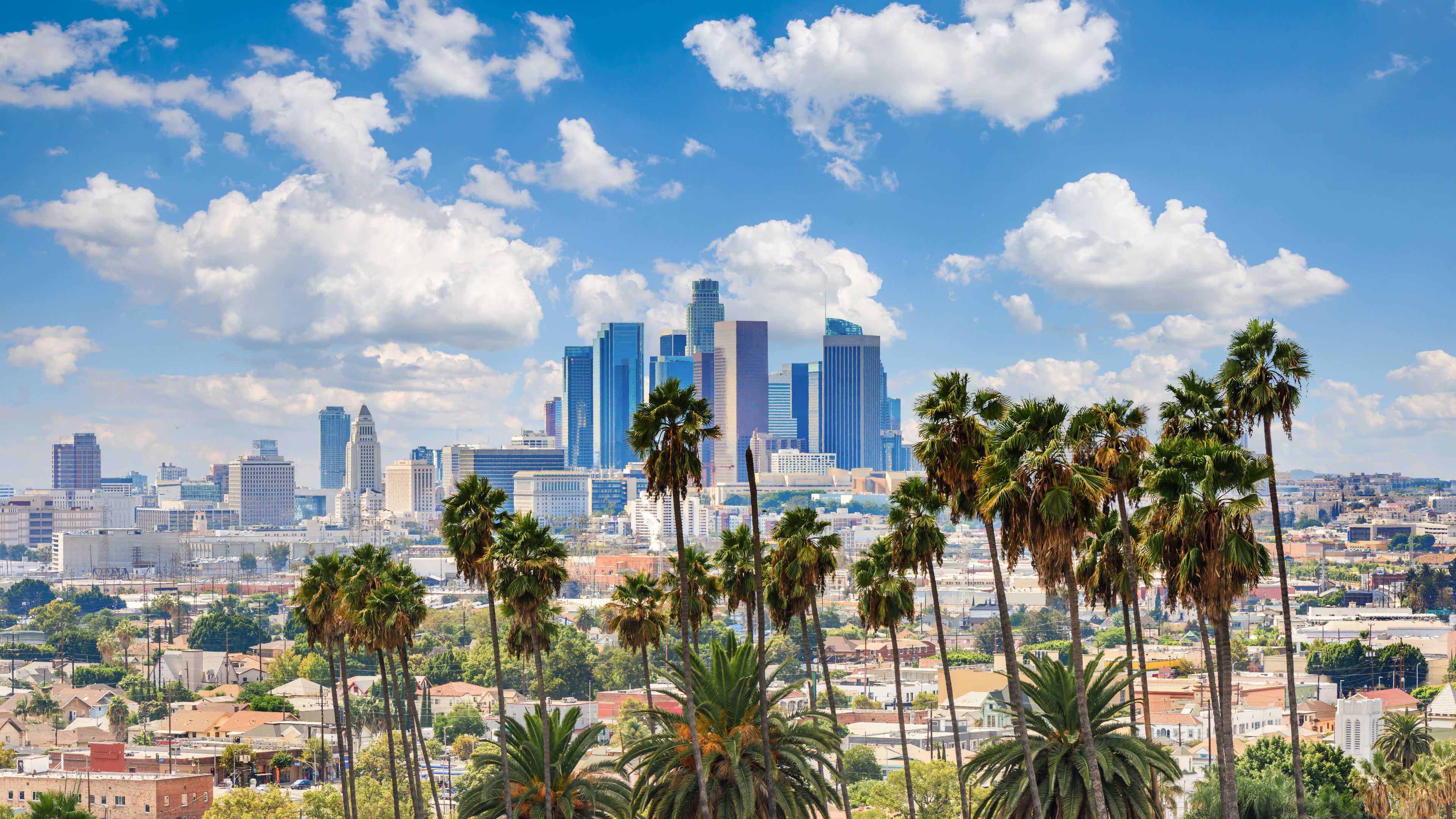
Looking for things to do and see in Los Angeles’ neighborhoods? Discover some of the best to experience with Hertz during your visit in our latest guide.

Best restaurants in Los Angeles
Discover the best places to eat in Los Angeles. From Californian classics to innovative fusion food, LA’s diverse food scene has something for everyone.
