


Members-only perks


11/21/2023 • 7 min
How to Charge an Electric Car on a Roadtrip
Find out how to charge an EV car on a road trip with our guide. Rent EV cars for eco-friendly adventures. Start planning your trip with the help of Hertz.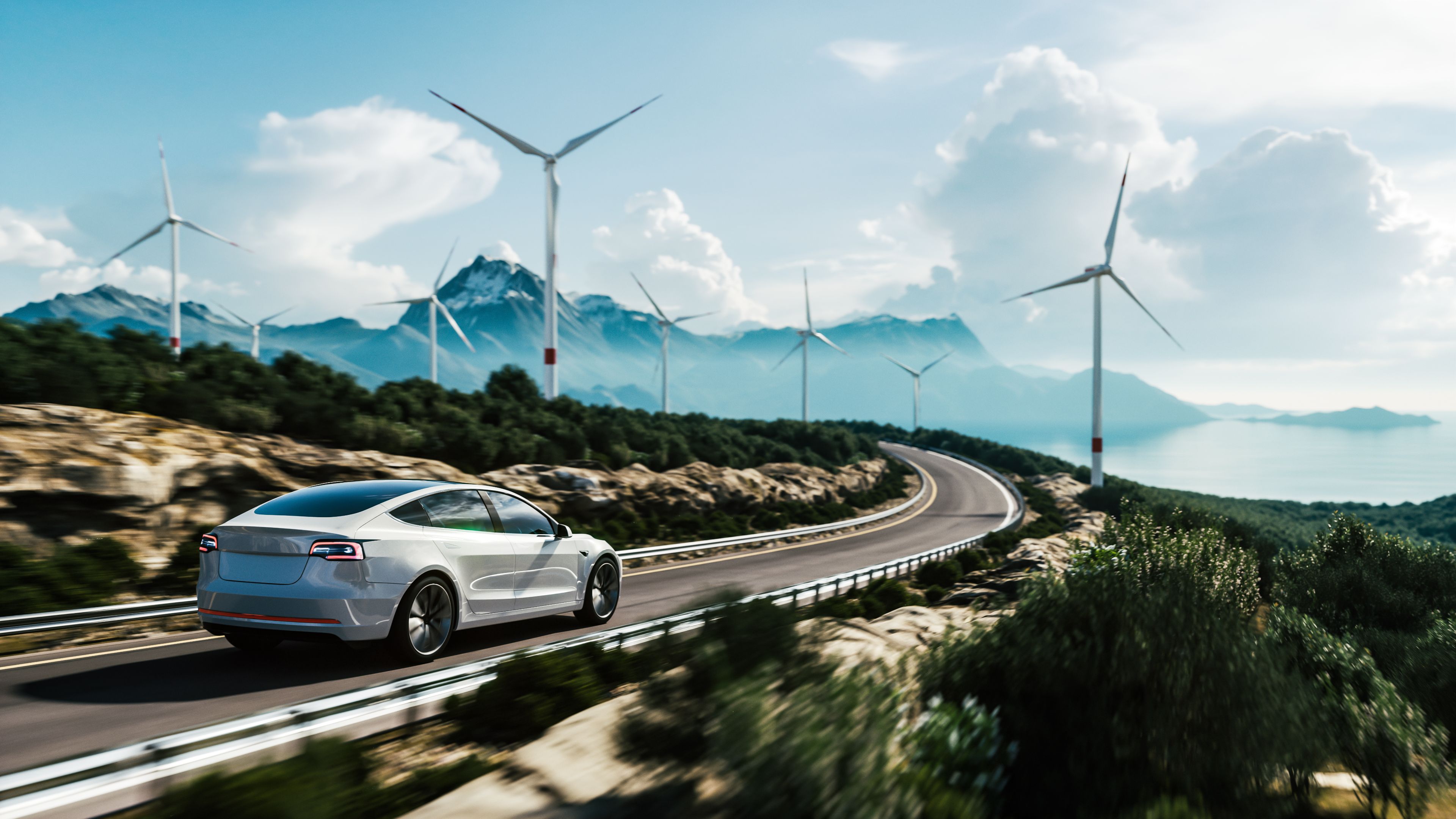
Road trips are a bucket list item for many. Whether it’s navigating the moody coastline of Scotland or an iconic stretch of highway in the US, a road trip is an exciting adventure that takes you to multiple new locations in one trip. Planning one is always plenty of fun and driving in an EV adds a whole new dimension to the journey.
However, much like when driving a car that runs on gas, you’ll want to check that you’ve got enough charge to make it to the next stop. The good news is that charging infrastructure is growing, making EV road trips easier than ever. As well as being more eco-friendly than a petrol vehicle, EVs are fun to drive. So, how do you go about staying topped up on a multi-mile adventure?
Join us as we look at how to charge your EV on a road trip so you’ve got enough juice to reach your destination.
Understanding EV Charging Basics
There are three types of EV chargers typically available: Level 1, Level 2, and DC Fast Charge. The types differ in their power output, meaning the lower the level, the longer it takes to top your battery up. However, you’ll likely find it’s cheaper to charge less over longer.
Let’s look at the three in detail.
Level 1 EV charger
Voltage: 120 volts (in North America) or 230 volts (in Europe).
Power Output 1-2 kilowatts (kW).
Charging Speed: Slowest among the three types. It adds about 2-5 miles of range per hour of charging.
Connector: Regular household outlet.
A Level 1 charger is usually a standard household plug. Charging time takes a while, usually overnight – but you can charge at cheaper rates than more powerful plug-ins.
Level 2 charger
Voltage: 208-240 volts (in North America) or 230 volts (in Europe).
Power Output: 3.7 kW to 19.2 kW.
Charging Speed: Faster than Level 1. It can add 10-25 miles of range per hour of charging.
Connector: J1772 (in North America) or Type 2 (in Europe) for the vehicle side and various connector types for the charging station side.
You’ll encounter Level 2 chargers at public charging facilities. These are faster chargers than Level 1 options and can usually have you on the road in a few hours.
DC Fast charger
Voltage: Typically 400 volts or more.
Power Output: Ranges from 20 kW to 350 kW or more.
Charging Speed: Very fast, providing 60-300 miles of range in about 20-60 minutes.
Connector: CCS (Combined Charging System), CHAdeMO, or Tesla Supercharger, depending on the charger manufacturer and your vehicle's compatibility.
The fastest chargers around. DC Fast chargers (also known as Level 3 in some places) are ideal if you’re in a hurry or on the move. You might find these at highway service centers. These chargers are designed to have you back on the road, fast. You can expect to be topped up in around 30 minutes.
Planning Your Charging Stops
A road trip with an EV can be plenty of fun – and better for the environment too. Just as with a petrol-powered car, you’ll want to make sure you’ve got enough in the tank to reach your destination.
Knowing how far you can get on a charge and where the next charging location is will save you time and stress, plus you can avoid running out of juice roadside.
Here are a few important considerations:
- Know your range. Understand how far you get on a full charge. You’ll need to know your maximum range to ensure you can prevent running out. Remember, your max range may change depending on traffic, weather, and terrain.
- Plan your route around plugs. Planning all the places to visit on your road trip is plenty of fun. While your route will be based around sightseeing, don’t forget to incorporate charging spots into your route too. You never want to be too far from a place to plug in.
- Check out our EV Road Trip Planner [DJ(S1] to find a charger near you when you’re on the road.
- Consider charging times. You’ll find shorter and longer charge times depending on what type of plug you’re hooked up to. Some Level 1 sockets can take up to 12 hours to fully charge. Choose your chargers with timings in mind. It’s not good plugging in for a 12 hour-charge if you’ve got dinner reservations across town in an hour.
- Pack the right plugs. There’s no universal power socket for EV cars. While many charging stations have adaptors to help you hook up, not all do. Pack plugs and adaptors for your specific car so you can use whatever charger you happen across.
Utilizing Fast Chargers
Fast chargers, sometimes known as Level 3 chargers, can have you back on the road in as little as 30 minutes. These heavy-duty chargers are usually found at highway service centers, where getting back on the road ASAP is important.
Fast chargers help keep you get back on the move to make the most of your trip. You don’t want to be wasting your valuable vacation time hanging around waiting for the car to charge.
You can find fast chargers on your route by using a charging map tool like the Hertz EV Route Planner[DJ(S2] .
Paying for Charging – What to Expect
When it comes to paying to power your EV, costs will vary depending on several factors. The price of plugging in depends on:
- Electricity rate. The price of electricity will differ between areas and providers. Each charger will usually display how much you’ll be charged per kilowatt.
- Charger type. Faster chargers are great for filling up fast, but they’re not cost-effective. Slower charging stations are usually more affordable, but it comes at the price of added time.
- Charging time. As you might guess, the longer you need to plug in, the more you’ll pay.
- Your EV. Some cars are more economical than others. The same is true of electric vehicles. Some models will be able to travel further on the same charge.
Hertz has partnerships with charging station providers across the world. If you’re in a rental EV, you could plug in for less.
Safety Tips While Charging
Make plugging in a smooth operation by sticking to these safety and etiquette tips.
- Check plugs and sockets before and after use. Make sure all connectors are free of damage.
- Make sure you park safely and in the correct spot.
- Don’t drive over charging cables, step on them, or drop them as this can damage the internal connection.
- Stay nearby. Keep an eye on your charger to make sure you unplug once you’ve topped up the amount you want. Nobody likes a charger hog!
- Don’t unplug somebody else’s vehicle.
Making the Most of Charging Downtime
Use a Level 1 or Level 2 electric charger and you’ll likely find yourself with plenty of downtime. If the car is safe and secure, now could be a good time to make the most of your trip with some local exploration.
Do some digging into things to do nearby and put together a list of mini-adventures you can get up to while you wait. Here are a few ideas to kick things off.
- Try new foods. Sample local delicacies or taste your way through global cuisines at a nearby restaurant.
- Sightsee. Visit local landmarks and must-see spots in the nearby area.
- Take a hike. Stretch your legs and explore your surroundings on foot.
It’s true – charging a car battery takes a little longer than just filling up the gas tank. However, that extra time gives you more opportunities to explore and enjoy your road trip adventure.
Let’s Go!
- EV charging stations come in three varieties: Level 1, Level 2, and DC Fast (Level 3). The higher the level, the faster and more powerful the charge. However, faster charging costs more.
- Make the most of your charging downtime by exploring the local area.
- Remember to be courteous and safe at a charging station. Use the charging equipment appropriately and be aware of other users.
Charging infrastructure is only expanding, making it easier than ever to find somewhere to plug in and power up. Browse the range of EV vehicles for hire at Hertz and start your road trip today.
Related Articles
Do I Need to Return an EV Rental With a Full Charge?
Hertz offers three great options options to recharge your rental EV. Read about them below.

Are electric cars better for the environment?
As people across the world consider the environmental impact of everyday life, many are exploring ways to reduce their carbon footprint with Electric Vehicles (EVs).
Five Ground-Breaking EVs: What is the Best Electric Car Ever?
Electric cars are becoming more and more innovative, affordable and reliable. As a result they’re now so popular that even some their biggest skeptics are beginning to take notice.
