


Members-only perks


05/25/2023 • 5 min
Can you charge an electric car in the rain?
It’s a question a lot of first-time electric car drivers ask themselves: ‘Can I charge my EV in the rain?’ This Hertz guide will answer that definitively.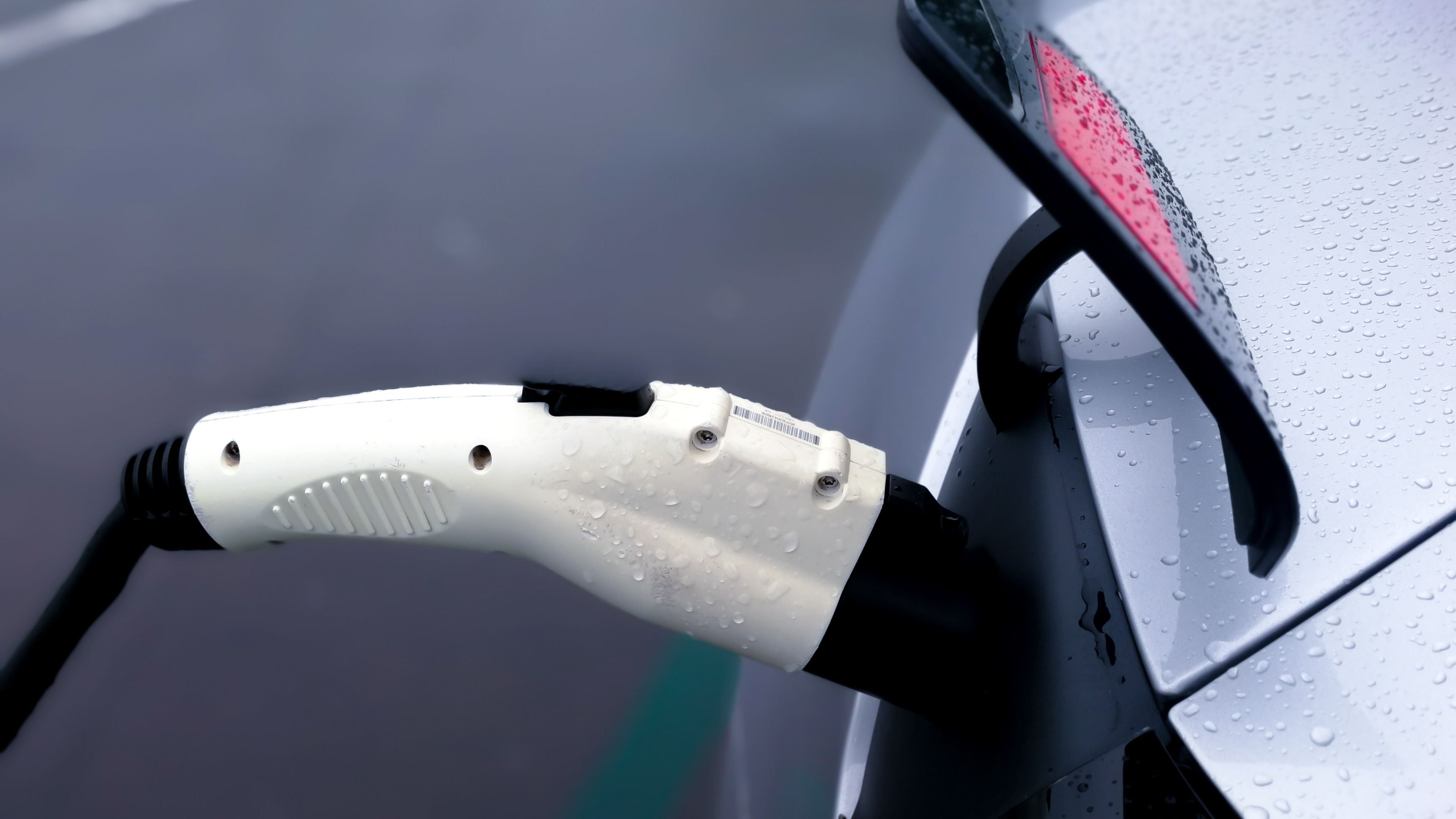
We all know water and electricity don’t mix – we’ve been told it since kindergarten. But does that extend to electric cars? And if so, how do you wash them? Do you have to run for cover when it rains or snows? Thankfully, the answer’s no. The battery and chargers of EVs are designed to be weatherproof. So come rain or shine, they’re safe to drive (and charge).
We’ll explain in more detail how the weather impacts electric cars and answer the following questions:
- Is it safe to charge an electric car in the rain?
- Can you drive an electric car in the rain?
- Should I do anything differently when charging an EV in the rain?
Is it safe to charge an electric car in the rain?
The answer is a definite yes. Most of us are taught that water conducts electricity so it feels like an EV and rain wouldn’t mix. But the technology powering electric cars is specifically designed to protect the vehicle and drivers from any kind of electrical shock.
EVs are safe to charge in all weather conditions. From the cables to the chargers and charging points, every piece of equipment has not only been waterproofed, but rigorously tested.
What happens if you charge an electric car in the rain and water breaches the waterproofing? Well, nothing.
There are several safety measures to protect you. If water gets into an EV charger, the connection will be interrupted and the current won’t flow. So you and any passengers are completely safe.
Can you drive an electric car in the rain?
Electric cars - just like their gas-powered counterparts, can be driven in the rain. All the safety standards that make an EV safe to charge in wet weather, also makes them safe to take on the roads during a downpour. That said, you’ll still need to apply the usual road safety rules when driving your electric car in the rain. No car - gas or electric - should be driven through deep puddles or standing water. In very heavy floods, where the car could become partially submerged, water can damage a car’s electrical system and battery. You’ll also want to keep your windows shut to avoid rainwater damaging your EV’s interior - or getting into the switches and buttons on the dash.
In terms of handling, the same rules apply. Think of your EV just like a regular gasoline powered vehicle. Remember to increase braking distances and drive a little slower to account for the change in the road conditions – with the added benefit of increasing your electric vehicle’s range. With a little common sense, electric cars are perfectly safe to drive in the rain, snow or storms.
How come it’s safe to charge EVs in the rain?
It’s very safe to charge an electric car in the rain as every step of the charging process has been designed to protect drivers and EV users. The cables and charging points are all waterproofed to high standards, with extra layers of safety measures in place to direct any electrical current away from the user and down through the EV to the ground. The electronics in an EV follow strict rules set by safety organizations, such as the International Electrotechnical Commission. These organizations set standards for the electric technology found in everything from phones and TVs to lamps and EVs.
Home Charging Points
Although there are a variety of charging points that can be installed in your home, all of them are rigorously tested and completely safe. Just make sure you get them installed by a qualified professional. Whether you position them out in the open or in a garage, all charging equipment is designed to be completely waterproof. This makes it super simple for you to keep your electric car ready to go come rain (snow) or shine.
Public Charging Points
Much like home chargers, public charging points are designed to be safe in all weather when properly installed. The main thing to keep in mind is finding them. Various apps allow you to see where your nearest charging points are, so you know you’re never too far away. You will probably also have to pay to use them, especially for the faster charging points. Regardless of how fast they are – or where they are – they all adhere to the same safety regulations so you can have complete peace of mind.
What if my charging cord gets wet?
Dropped your EV charging cord in a puddle? Not an ideal way to start your day, but not a disaster either. These power cords are designed to only carry electricity once they’re connected to an electric car. For extra safety, an electronic signature is needed from both the EV and the charging point to signal that it’s safe to charge the EV. If a charging cord is dropped into water, no electricity will pass through.
Should I do anything differently when charging an EV in the rain?
No. If your charging point, and all the cabling, is manufactured to the proper safety standards, you shouldn’t need to do anything different. The process for charging an electric car is the same in all weather conditions.
Here are four tips to make sure charging is always safe:
- Use dedicated charging points – Whether you’re charging at home or at a public charger, professionally installed EV charging ports are the safest way to charge your electric car.
- Buy approved charging cables – Most EVs come with charging cables but if you need to buy some, make sure they’re recommended by the manufacturer.
- Never use multi-plug extension cords - Always use the correct, manufacturer-approved cables and cords. Domestic cables should never be used.
- Check your charging point – Whenever you use a charger, it’s a good idea to check it’s in good condition.
There you have it, EVs are as weatherproof as their gas-powered siblings, and charging an EV in the rain is entirely safe.
So what are you waiting for? Book your EV-powered adventure and it’ll be electric (come wind, rain or snow). Reserve an electric car with Hertz today.
Related Articles
Do I Need to Return an EV Rental With a Full Charge?
Hertz offers three great options options to recharge your rental EV. Read about them below.

Are electric cars better for the environment?
As people across the world consider the environmental impact of everyday life, many are exploring ways to reduce their carbon footprint with Electric Vehicles (EVs).
Five Ground-Breaking EVs: What is the Best Electric Car Ever?
Electric cars are becoming more and more innovative, affordable and reliable. As a result they’re now so popular that even some their biggest skeptics are beginning to take notice.
