


Members-only perks


02/06/2023 • 4 min
Smart Roads and Cities: How Technology Helps Your Commute
Technology is helping cities to become smarter. Find out how this is helping your commute with Hertz as we look to a future of smart roads and cities.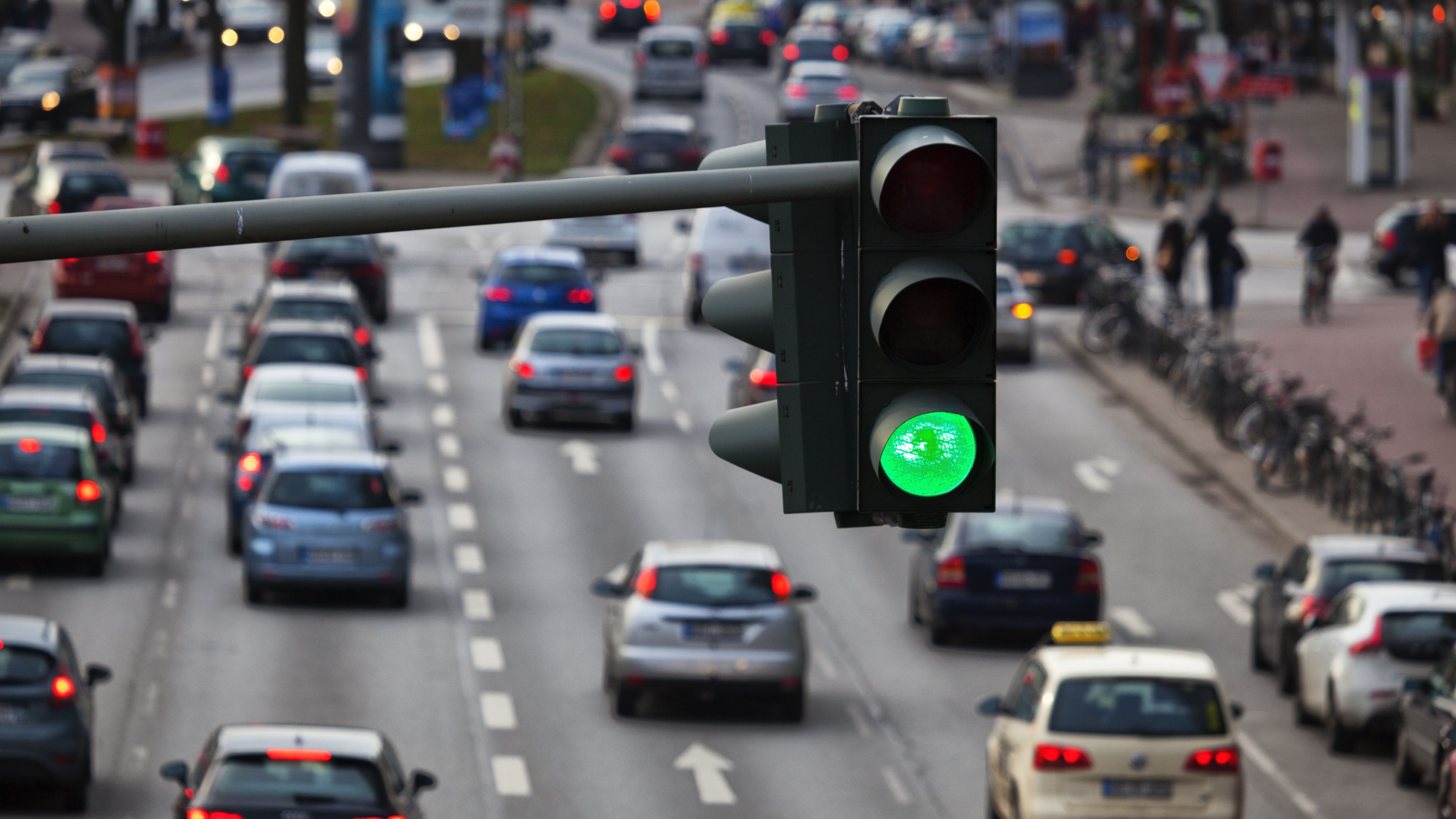
The modern world means constant connection to your phone, computer, tablet and car, so why not your roads? As smart technology continues to transform many aspects of daily life, roadways are finally starting to catch up.
Many stretches of pavement, highway and road systems are becoming more intuitive to improve driving efficiency. With many Americans facing longer commute times than ever before, these developments are very good news. Take a look at some of the ways smart roads are changing the way we drive.
Smart Corridors
If you've driven along the highway and noticed a sign communicating traffic information, you’ve already experienced a smart corridor system. They’re able to display important information to drivers, with a strong presence throughout the country’s highways. Smart corridor systems include overhead signs, traffic information boards and ramp meters. They help to reduce traffic congestion, with drivers able to take alternate routes prior to arriving at a crash site. They add a level of flexible adaptability as drivers are able to adapt according to the situation in real time.
It's already common for highways to use smart corridor systems. Many cities are now using technology on their busiest streets. Beyond traffic information boards and overhead signs, other city features include:
- Public Transit Queue Jump: Queue jumps offer pull-outs so buses can stop without interrupting traffic and then use special traffic lights to help buses merge back onto the road.
- Smart Kiosks: As seen in a test run in Kansas City, some cities install kiosks along city blocks to broadcast information about transportation routes and city services.
- Pedestrian Hybrid Beacons: These pedestrian-activated devices signal drivers and stop traffic when a pedestrian needs to cross. They have been shown to reduce pedestrian-related accidents by 69 percent and, by eliminating the timer system and only stopping traffic when someone needs to cross, they also improve efficiency.
Smart Traffic Lights
Smart traffic lights adjust to real-time traffic to keep traffic flowing. This is especially prevalent during times of congestion. These lights also practice coordinated signal timing along a road, a technique that allows the highest number of vehicles to pass in the shortest amount of time.
The technology is performing well. A pilot run testing the smart light system in Pittsburgh, Pennsylvania, reduced travel time by 25 percent and idling time by more than 40 percent. With more efficient travel, researchers predict that emissions could decrease by 21 percent.

Vehicle-to-Infrastructure Systems
Imagine if the road could alert your vehicle that black ice is on the road ahead, or if your car could communicate with parking meters to find an available spot. With vehicle-to-infrastructure (V2I) technology, this kind of driving could soon be a reality. These systems would allow vehicles to communicate with a variety of road devices, such as tollbooths and freeway lamp signals. This allows infrastructure devices to alert your vehicle if a detour is necessary if ice is on the road or if there is road work up ahead.
Electronic Tolls
Stopping at pay tolls is a thing of the past. The latest developments have made toll plazas automated, removing the need to halt. Cashless electronic toll systems are taking over. If you’re already a driver that owns a transponder with a linked payment account, nothing will change. For others, the high-tech sensors and cameras snap your registration plate, with a bill sent to your address.
This system is far from perfect, although it’s certainly a step in the right direction. Cashless systems automate the process, hence reducing traffic build-up without hindrance to the flow of cars. As a result, commute times decrease, as well as a shrinkage in the number of accidents near tolling areas. It also makes it easier for drivers, as they no longer have to remember to take cash with them on the road.
Interested in learning more about the innovative changes in automotive technology? Follow us on Twitter to hear about the latest auto advancements.
Related Articles
Life During Wartime: How World War II Changed the Auto Industry
In the 1940s, the future of the automotive industry looked bright. Following dramatic innovations in mechanics and body design, discover why the cars were artistic and luxurious.
The Pros and Cons of a Do-It-Yourself Oil Change
Do the perks of a do-it-yourself oil change outweigh the potential pitfalls? To answer that question, consider the pros and cons of changing your own oil with this Hertz guide.

Buying a car: are those extra features wants or needs?
Buying a car means choosing from a variety of options. From safety to sunroofs, here is a helpful list of wants vs. needs to consider when car shopping.
