


Members-only perks


06/17/2022 • 4 min
How Electric Cars Are Getting Rid of the Brake Pedal
Electric cars are already a game-changer for the automotive industry. They're increasingly perceived as affordable, practical, quiet, and good for the environment.
Adapting to a world where electric cars are more prevalent means adjusting to a few changes, including plugging in to recharge instead of pulling into a gas station to fill up.
However, one of the biggest adjustments may be learning how to brake in an entirely new way. Many car manufacturers are now designating just one pedal for both speeding up and slowing down.
How Regenerative Braking Works
For years, motorists have been accustomed to using one pedal for the gas and one pedal for the brake. Of course, manual transmission cars also have a third pedal for the clutch. Electric vehicles are changing all that thanks to something called regenerative braking.
Regenerative braking turns a vehicle's motor into a power generator of sorts. Every time a driver hits the brakes, the friction - or drag - created by the braking process generates energy. In a traditional internal combustion engine, this energy is lost. In electric vehicles, when a car starts coasting, the motor functions as a generator, producing and collecting electricity from the wheels. Not only does this reduce the amount of wear and tear on the brakes, but it also feeds energy back to the car's battery to improve driving range.
Regenerative braking changes the way cars use energy, but that's just the beginning. It also changes the way people drive. With this approach, the accelerator pedal is used to both speed up and slow down the vehicle.
Regeneration Nation
Although this sounds like cutting-edge technology, regenerative braking has been around for years. Trains and trolleys have been using regenerative brakes for more than a century, and in 1967, AMC introduced a concept electric car called the Amitron that also featured regenerative braking.
Now, it has become a distinctive feature of electric cars, starting with the release of the Tesla Roadster in 2008. Today, electric models including the BMW i3 and the Chevrolet Bolt EV have embraced one-pedal driving.

Driving with One Pedal
Pressing down on the pedal still makes the car increase speed, but the big difference comes when a driver takes their foot off the accelerator. Instead of coasting, the car immediately slows down — much harder and faster than when a driver releases the gas pedal in a traditional vehicle. To slow the car, drivers must learn to release one pedal instead of pressing a second pedal.
One of the main benefits of this braking is that it’s easier on drivers stuck in stop-and-go traffic who would normally have to switch back and forth between the gas pedal and the brake.
Depending on the design of the vehicle, releasing the pedal will bring the car to an eventual, complete stop. However, there is still a brake pedal for hard stops or emergencies that call for rapid braking. The big difference drivers will notice is how often — or how seldom — that brake pedal gets used.
Over time, drivers can learn to master this type of pedal power, enjoy a smoother experience, and rarely bother to hit the brake at all.
Automakers are ready to take regenerative braking into the future and bring today's drivers along for the ride. Have you driven an electric car with regenerative braking? Tell us about your experience on Facebook.
Related Articles

Life During Wartime: How World War II Changed the Auto Industry
In the 1940s, the future of the automotive industry looked bright. Following dramatic innovations in mechanics and body design, discover why the cars were artistic and luxurious.
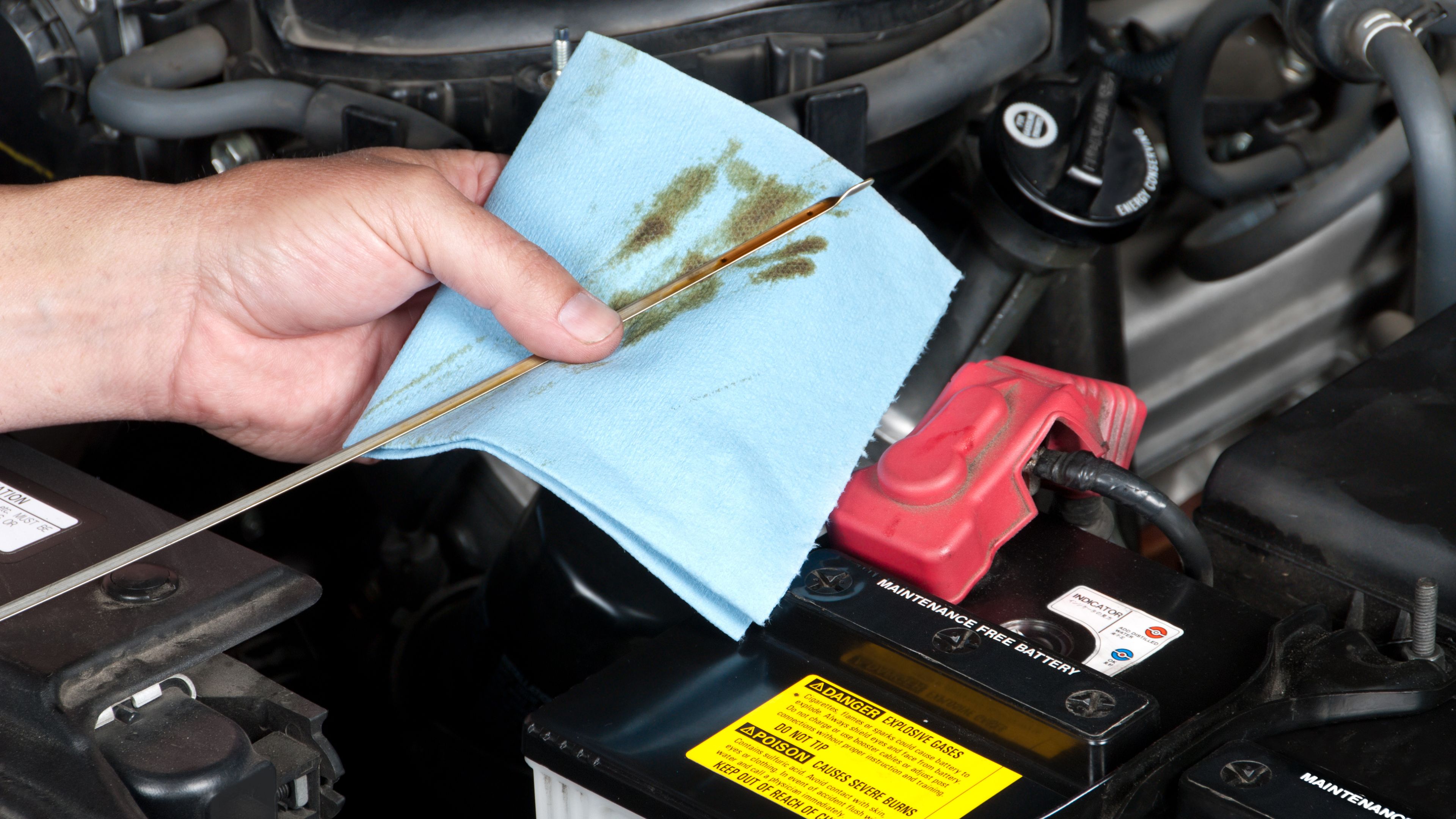
The Pros and Cons of a Do-It-Yourself Oil Change
Do the perks of a do-it-yourself oil change outweigh the potential pitfalls? To answer that question, consider the pros and cons of changing your own oil with this Hertz guide.

Buying a car: are those extra features wants or needs?
Buying a car means choosing from a variety of options. From safety to sunroofs, here is a helpful list of wants vs. needs to consider when car shopping.
