


Members-only perks


06/16/2022 • 4 min
Using Technology to Enjoy Your Time on the Road
The modern car has many features that make it both, safer and easier to drive. Here, we look at some of the most important and useful ones to have.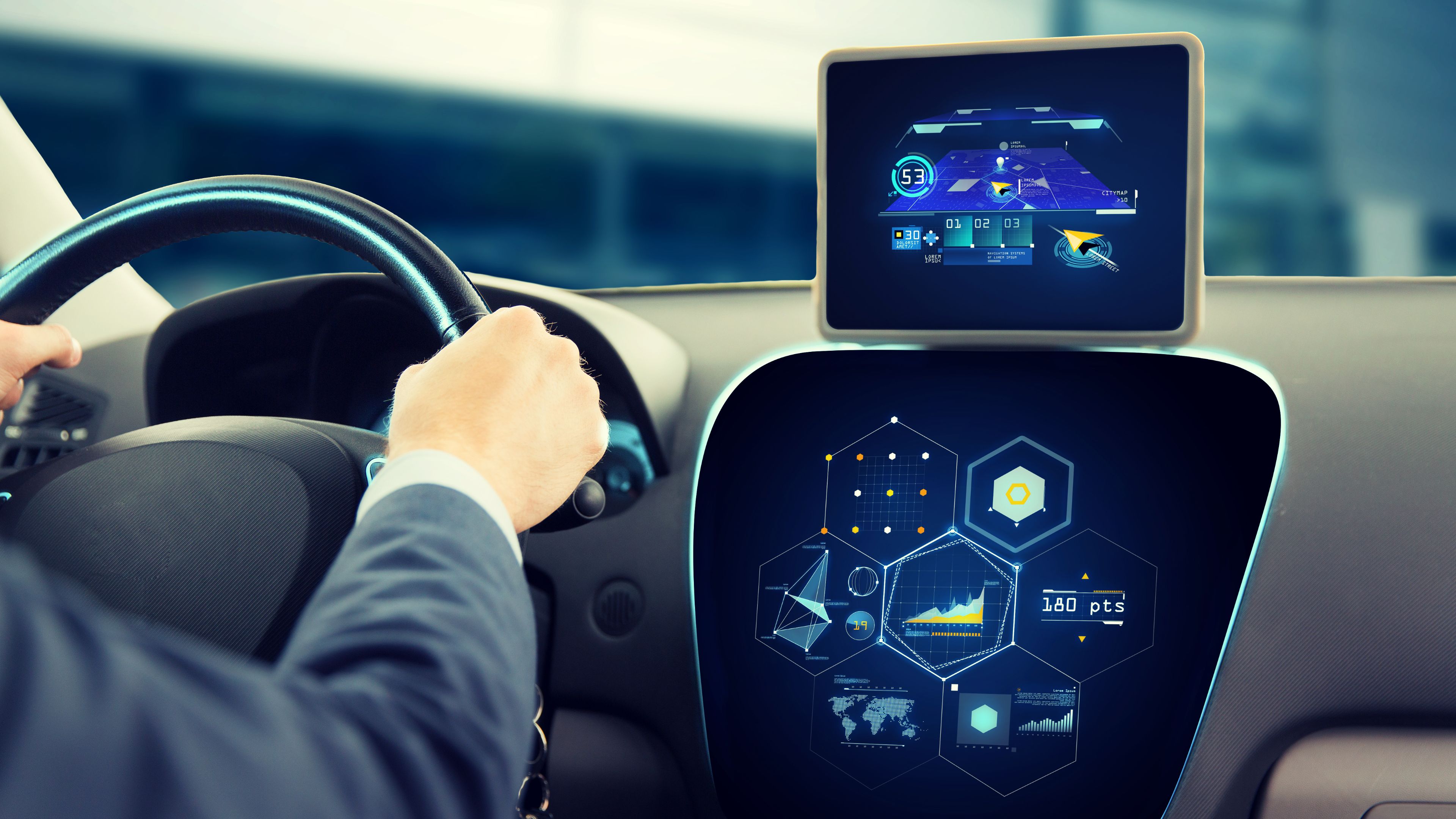
More than 250 million cars and trucks travel America's roadways, and their drivers are spending a significant amount of time inside them. According to a 2021 AAA study, American drivers traveled an incredible 2.92 trillion miles over the year. As a result, car and tech companies continually look for ways to reduce the stress of driving and make time spent in your car more comfortable. Next time you hit the road, you might find yourself utilizing some of this technology to make your trip a little smoother.
Smartphone Integration
Smartphone integration bridges the gap between your cell and car. It allows drivers to access a range of features including navigation, messaging, and calls via either voice commands or a touchscreen. Many manufacturers have developed their own technology, but Apple CarPlay and Android Auto are universal systems that work across their models.
The technology aims to make your driving experience more seamless, allowing you to navigate to the nearest gas station or call your partner without having to lose concentration. One downside to this type of system is that it relies on smartphone reception, which can be a little spotty in more rural areas.
Advanced Self-Driving Capability
Although once only the feature of sci-fi movies, self-driving vehicles are becoming a reality. Advanced self-driving is just the latest in a long line of systems that allows the driver to take more of a back seat. Much of this technology is still developing but manufacturers like Audi, Volvo, Tesla, and Mercedes-Benz, have already made impressive headway.
For now, road-ready self-driving capabilities include features like traffic-jam assist, cameras to predict movements up to two cars ahead and adaptive cruise control. If you face a long commute every day, a combination of these assets may relieve some of your stress and make driving a little easier too.
Safety Features
Some of the most compelling car advances are being made in driver safety. While these advancements aim to help minimize the likelihood and severity of accidents, they can also reduce the amount of stress that comes with navigating a busy road. The most popular safety features include the following:
Rear Cameras
Rear backup cameras are no longer a novelty. From 2018 The National Highway Traffic Safety Administration (NHTSA) mandated that all new cars must include backup cameras. A rear camera makes backing up and navigating far easier and much less hazardous, as it eliminates the low blind spots that can make driving in reverse so dangerous.
Lane Departure Warning and Lane Keeping Assist
Lane departure warning uses cameras around the vehicle to monitor the location of your car and alert you when it drifts near the road's lane marking. Older models sound an alert, but depend on you to correct the vehicle's position, while newer versions utilize the latest technology, called lane keeping assist, to keep the vehicle centered within the lane without driver assistance.
Forward Collision Warning with Automatic Braking
Forward collision warning with automatic braking is an important technology that alerts if your vehicle closes in on something too quickly. By using cameras, laser, or radar, the car detects an impending collision and applies emergency automatic braking to help stop the car. This braking system doesn't always eliminate a collision but can help decrease the severity of impact.

Looking for more ways to ease your commuting nightmare? Follow us on Twitter to stay up to date on the latest technologies designed to make your drive more enjoyable.
Related Articles
Life During Wartime: How World War II Changed the Auto Industry
In the 1940s, the future of the automotive industry looked bright. Following dramatic innovations in mechanics and body design, discover why the cars were artistic and luxurious.
The Pros and Cons of a Do-It-Yourself Oil Change
Do the perks of a do-it-yourself oil change outweigh the potential pitfalls? To answer that question, consider the pros and cons of changing your own oil with this Hertz guide.

Buying a car: are those extra features wants or needs?
Buying a car means choosing from a variety of options. From safety to sunroofs, here is a helpful list of wants vs. needs to consider when car shopping.
