


Members-only perks


06/16/2022 • 5 min
Exploring America’s Love Affair with the Ford Mustang
With its sleek elegant design and presence, the Mustang steals the heart of its enthusiasts. Discover the magic of this powerhouse vehicle with Hertz.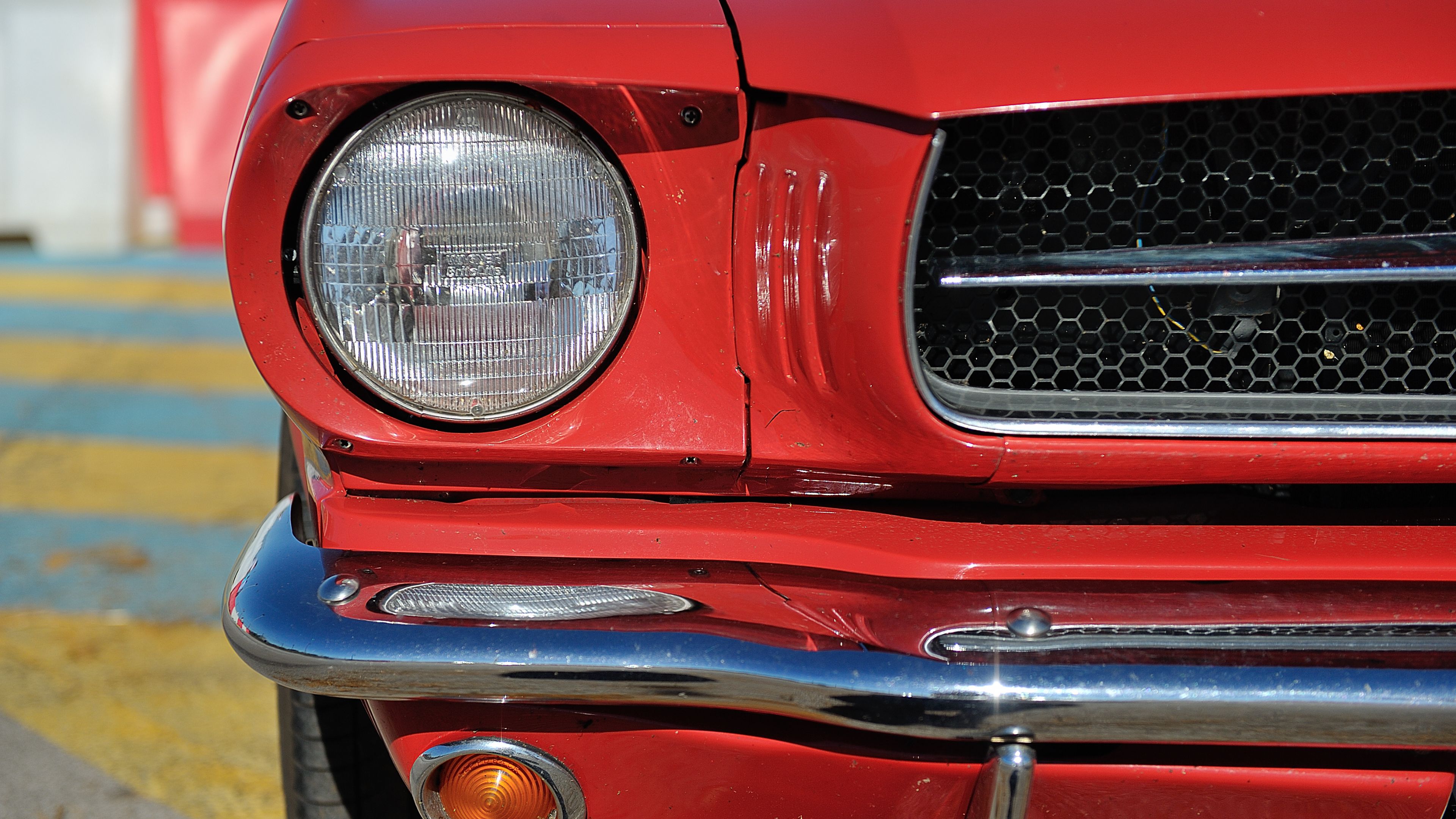
Few cars have had an impact on American automotive history like the Ford Mustang. Since its introduction in the 1960s, the Mustang has cemented itself as one of the most popular vehicles ever made. Its firm standing as an auto icon remains steadfast, despite its various transformations.
Take a look at the Mustang's progression through the years and the effect it's had on pop culture.
The Mustang Motors to Life
The Ford Mustang made its debut on April 17, 1964, encompassing a sporty look that attracted the attention of young car buyers. The name was attractive, hailing from a World War II fighter plane, with a reasonable sale price of $2,368. Ford anticipated annual sales of 100,000 or so units – they received 22,000 on the first day alone.
The vehicle established its popularity immediately. Becoming the best-selling model since Model T, with sales of over one million units within the first 18 months. The coupe and convertible options made it a hit across all demographics.
Source: Shutterstock
Movie Madness
Enthusiasts immediately realized that the Mustang was more than an affordable sports car. The sleek design captured the attention of Hollywood filmmakers. Keen to show off its elegance on the big screen, it appeared in films such as the 1964 James Bond film, Goldfinger and the 1968 classic Bullitt, which was a huge success. In fact, the 1968 GT 390 Fastback Mustang secured its legacy on the silver screen by playing a huge role in one of the best car chase sequences of all time.
The Mustang established its presence in Hollywood, going on to star in more than 500 films. Some of these include such landmark movies as Knight Rider, Charlie’s Angels and The Thomas Crown Affair. It crossed over into other popular culture too – Serge Gainsbourg and Brigitte Bardot’s Ford Mustang song from 1968 perfectly captured it as a timeless icon of American cool, while other artists recorded songs about it as well.
Rise of the Pony Car
Competitors raced to put similar models on the market after the Mustang's rise to fame. These rivals included the Chevy Camaro, Dodge Charger, Chrysler Barracuda and Pontiac Firebird. The Camaro became a rival to the Mustang, a feud that still exists to this day. Car and Driver magazine continues to pit the two giants against each other.
Despite the heated debate about which is best, the Mustang is one sports car that's never been on the sidelines, remaining in constant production since the start.

Source: Shutterstock
1970s Slowdown
By the mid-1970s, pony cars started to fall out of favor. There was a decline in sales due to rising insurance, the 1973 oil embargo and a loss of horsepower due to a change in emission standards.
Other car manufacturers discontinued sales of their pony and muscle cars, such as the Barracuda and Challenger, while the Mustang got a redesign. Ford gave the model a facelift in 1974, but it did little to improve the vehicle's waning popularity. Despite the decade's slowdown, the car's intense rivalry with the Camaro remained as strong as ever.
Galloping to the Front of the Pack
The Mustang didn't linger in the shadows for long. In 1982, Ford unveiled the GT model with a 5.0-liter V8 engine and 157 horsepower that propelled the car back into popular favor. This model had a 15-year run before the introduction of the SN95 in 1995.
Ford continued to churn out Mustangs, even when Chevy retired the Camaro in 2002. In December 2013, Ford unveiled the sixth-generation Mustang. Comprising a look which blended the car's classic styling with a modern design and customizable options. The left-hand and right-hand driving options expanded its popularity worldwide.

Source: Shutterstock
The Mustang's iconic past doesn't mean it isn't looking ahead to the future. The 2022 models boast a sleeker design, more power and improved fuel efficiency. The new mixed with the old is a perfect concoction which places the Mustang in good stead for the future. Embracing new advancements, while keeping the original authenticity is key. This new era of vehicle advancements offers an exciting glimpse into what the future holds.
The Mustang has a firm standing in classic Americana. It's one of the many cars that's shaped the American automotive story.
Discover more stories about the vehicles you love on the Hertz blog, including the luxury vehicles of the 1930s and the unforgettable era of cars in the 1970s.
Related Articles
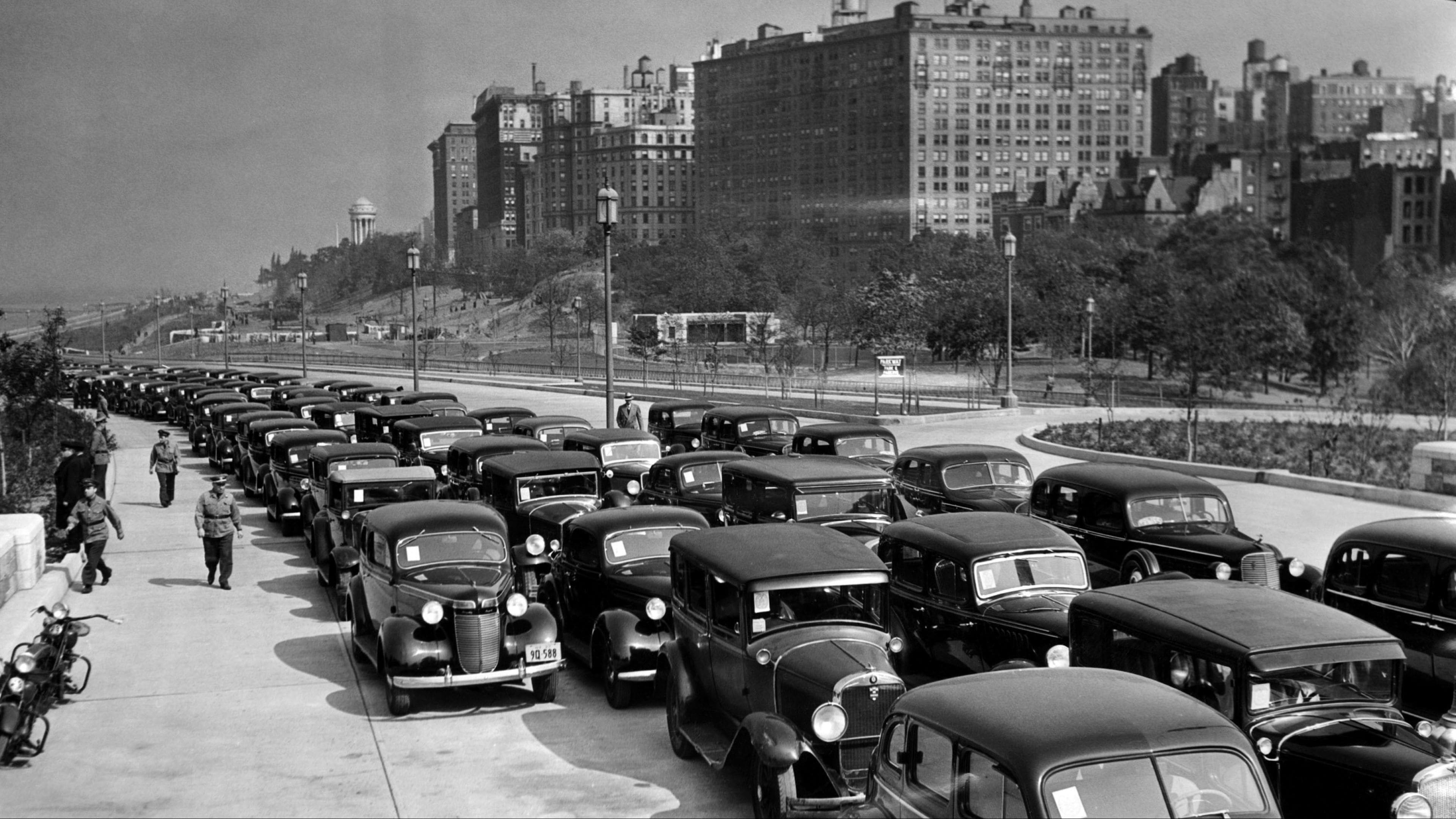
Life During Wartime: How World War II Changed the Auto Industry
In the 1940s, the future of the automotive industry looked bright. Following dramatic innovations in mechanics and body design, discover why the cars were artistic and luxurious.

The Pros and Cons of a Do-It-Yourself Oil Change
Do the perks of a do-it-yourself oil change outweigh the potential pitfalls? To answer that question, consider the pros and cons of changing your own oil with this Hertz guide.

Buying a car: are those extra features wants or needs?
Buying a car means choosing from a variety of options. From safety to sunroofs, here is a helpful list of wants vs. needs to consider when car shopping.
