


Members-only perks


06/17/2022 • 5 min
A Tribute to the Past: Keeping the Auburn Alive
When the Auburn Automobile Company formed in 1900, brothers Frank and Morris Eckhart hoped to make a name for themselves in the fledgling American automotive industry. Little did they know the fascinating road their company, based in Auburn, Indiana, would take, and they definitely couldn't have imagined a Southern schoolteacher would be the key to keeping their vision alive more than 100 years later.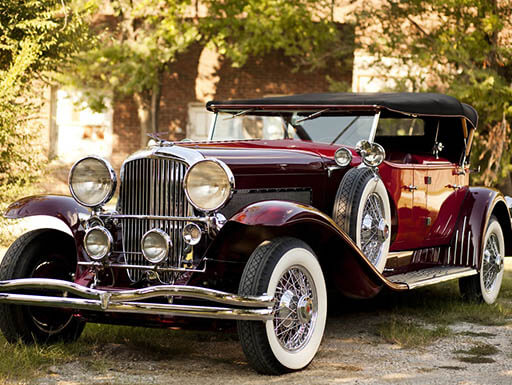
As the 20th century began, Auburn Automobile Company built a reputation for crafting innovative but pricey Auburn cars. The company shuttered when World War I caused a shortage of materials, and the brothers eventually sold out to a group of Chicago-based investors in 1919. Under the leadership of a car-salesman-turned-general manager named Errett Cord, the company thrived, eventually becoming Auburn Cord Duesenberg, or ACD, a company known for its high-performance luxury cars, which included the Auburn, Cord, and Duesenberg models.
By the end of the Roaring 20s, the cars had become the ride of choice for the rich and famous, making it difficult for the company to keep up with demand. Their sleek, advanced styling and forward-thinking engineering created machines that were both beautiful and powerful, but once again, the company fell victim to the hard realities of the times.
Struggling to stay afloat as the Great Depression gripped the country, the company tried selling cheaper Auburns with less power, but like many other auto manufacturers, they couldn't withstand the economic collapse of the country. Production of all Auburn, Cord, and Duesenberg models ended in 1937, and a Buick dealer named Dallas Winslow bought the assets and started a parts and service business based in the old factory.
Second Chapter
Auburn's history might have silently faded to black had the vehicles not captured the fancy of a Tulsa, Oklahoma, high school auto mechanics teacher named Glenn Pray. In 1952, Pray bought a 1936-1937 Cord Phaeton that was in dire need of restoration. Doing the restoration work himself, he became intimately familiar with the Cord and the company that made them.
"He bought parts from the factory and said that one day he'd like to buy the factory," recalls his son, Doug Pray. "Then about a year later, a friend told him he'd heard someone was trying to buy the factory. He started panicking, because he didn't think it would ever be for sale."
With no money to his name, Glenn Pray borrowed $20, put his only suit in the trunk of his car, and drove to the factory in Auburn, Indiana. He stopped at a gas station, changed into his suit, and went in to talk to Winslow about buying the factory.
"After giving him a tour, Dallas turned and asked him, 'Well, young man, what do you think?'" says Doug Pray. "And my dad said, 'I think I'll take it.' He was 33 years old, didn't have a penny to his name, had a schoolteacher's salary — and he'd just bought [the factory]."
To pay for it, Glenn Pray had to sell his prized Cord, but he closed the deal, moved operations to Broken Arrow, Oklahoma — where the Auburn Cord Duesenberg Company still is today — and began selling parts for the out-of-production cars. "He just hoped it would work," Doug Pray says. "He grabbed the bull by the horns, and then once he had the bull, he just held on until it worked."
Reimagining History
Glenn Pray's vision didn't end with providing parts for Auburns and Cords. He also decided to put them back into production. In 1964, he introduced the Modern Cord 8/10, a front-wheel drive, updated version of his beloved Cord. Working with Gordon Buehrig, the designer of the original Cord, Glenn Pray reinvented the car, reignited interest in it, and became hailed as an innovative automotive pioneer.
"At that time, no one even knew what the Cord was," Doug Pray said. "After that, he ended up on the cover of seven different magazines."
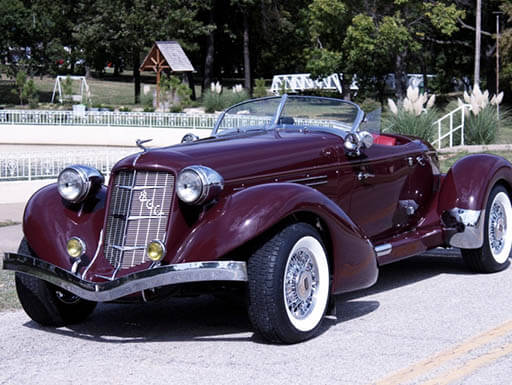
And he was just getting started. In 1968, he introduced the Auburn 866 Speedster, which stayed true to the classic Auburn body lines and used original Auburn chrome and trim until the original supply was exhausted. The 3,000-pound car sold for $8,450, but by the time their production run ended in 1981, they were selling in the low $30,000 neighborhood. It quickly became a highly sought collectible that inspired no less than a dozen knock-off "replicar" companies who tried emulating the Auburn design.
The company also made Auburn 871 Phaetons, which carried a price tag of $45,000 to $60,000. With only 18 ever made, these vehicles are extremely rare. Glenn Pray stopped making production cars in 1981, and the company turned its attention to parts and restoration services. He passed away in 2011, but the company he so lovingly resurrected continues to live on under his son's guidance.
"It's a real neat story," Doug Pray says. "Who knows what would have happened if he hadn't stepped in. There's not an Auburn or Cord in the world that doesn't have our parts in it."
And what became of the other interested buyer, the one who prompted Glenn Pray to sell his car and buy the factory? As it turns out, he never existed. "After my dad told his friend he wanted to buy the factory, it started a rumor that someone wanted to buy it," Doug Pray says with a chuckle. "So that 'other person' who was going to buy it was him."
Do you have your own attachment to a special car? Visit our Facebook page, and tell us your inspirational story.
Related Articles
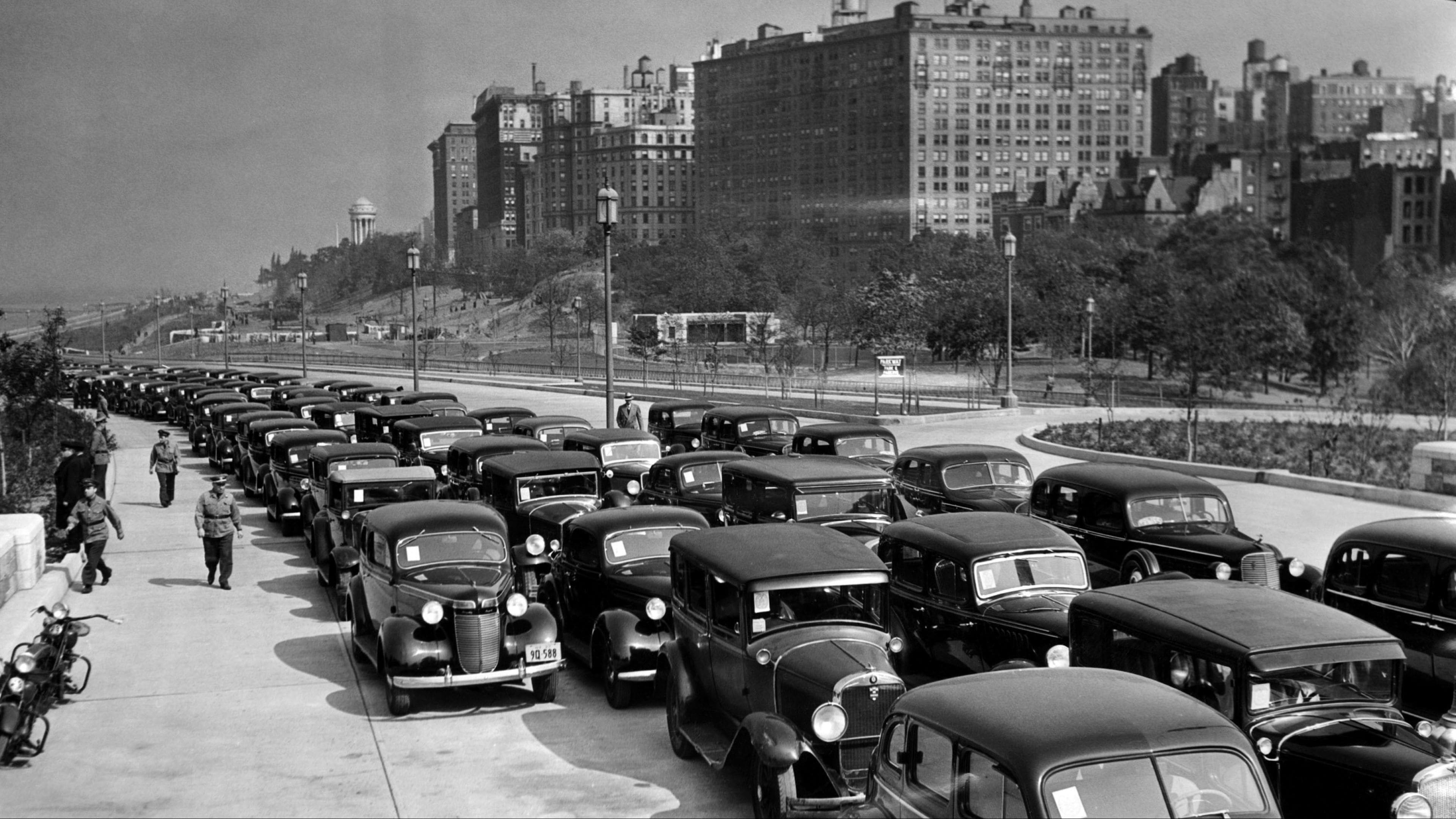
Life During Wartime: How World War II Changed the Auto Industry
In the 1940s, the future of the automotive industry looked bright. Following dramatic innovations in mechanics and body design, discover why the cars were artistic and luxurious.
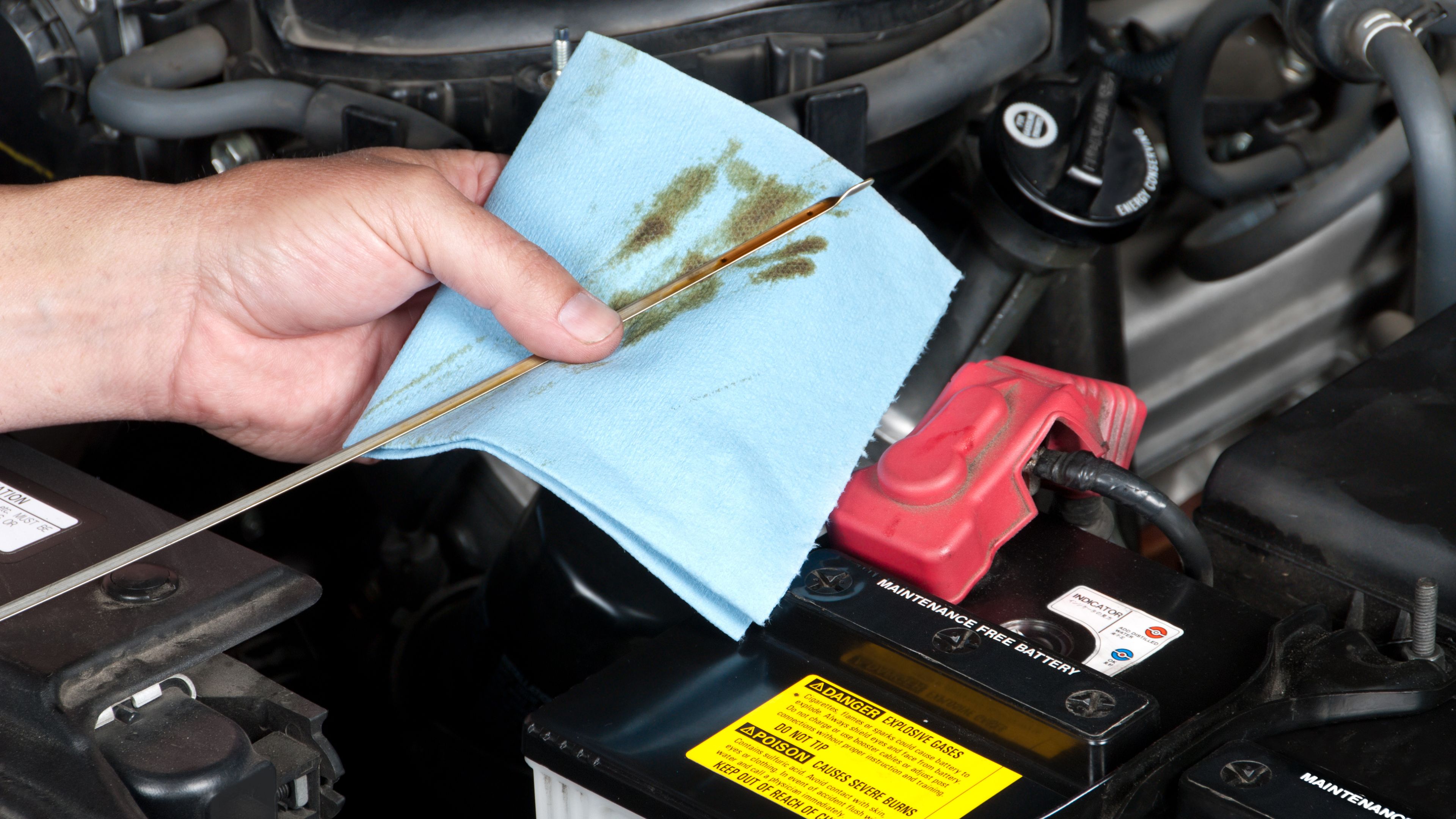
The Pros and Cons of a Do-It-Yourself Oil Change
Do the perks of a do-it-yourself oil change outweigh the potential pitfalls? To answer that question, consider the pros and cons of changing your own oil with this Hertz guide.

Buying a car: are those extra features wants or needs?
Buying a car means choosing from a variety of options. From safety to sunroofs, here is a helpful list of wants vs. needs to consider when car shopping.
