


Become a Hertz Gold+ member


06/16/2022 • 4 min
5 Tips to Extend the Life of Your Car
Keeping your car in good condition can help make sure it runs well, and for longer. We’ve gathered our five top tips to help extend the life of your car.
With ever-increasing advances in engine technology, modern vehicles need less servicing than older models and need replacing much less often. These days, cars can make it to 200,000 miles without much issue, but that's no reason to put your car's maintenance on the back burner.
There’s no way around it – your vehicle still needs regular upkeep. Not only can it extend the life of your car, but it can also save you time and money by keeping you out of the repair shop.
"Doing basic maintenance can prevent expensive problems," says Lauren Fix, an automotive expert and author of Lauren's Guide to Loving Your Car. She adds: "The Car Care Council states that if you follow your owner's manual, follow the service schedule and change fluid, belts and hoses, you can save over $1,200 per year in car repair expenses."
So, ensure these easy maintenance tasks stay on your radar, and you'll enjoy a car that stays in tip-top shape for miles and miles.
What you’ll learn:
- How to change the engine oil
- Following the service schedule
- Getting under the hood
- Listening to the sound of your car
- Keeping the car clean

Change the engine oil
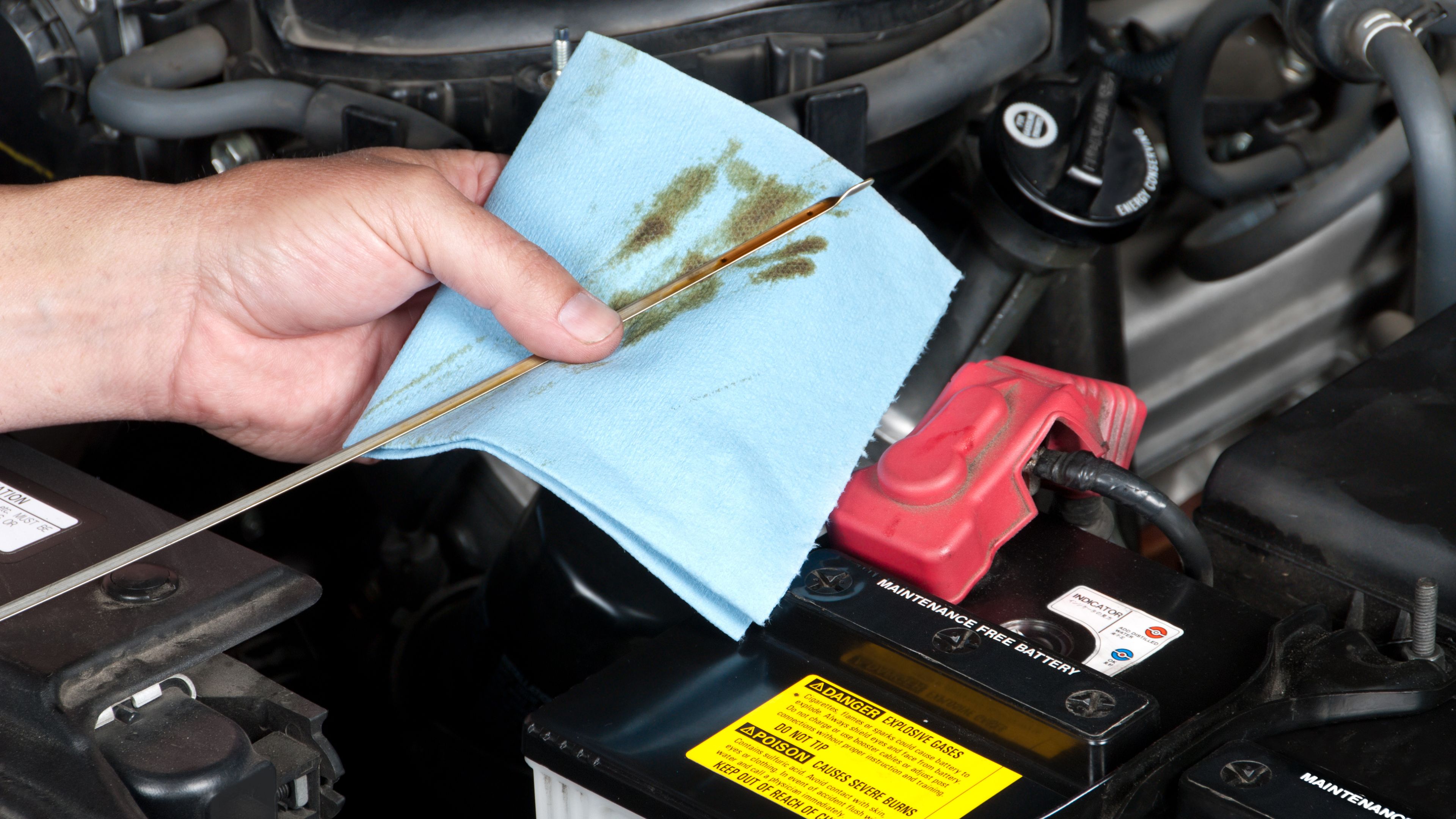
Changing the engine oil and oil filter regularly is perhaps the single most important maintenance procedure you can do to help your engine last longer.
- Check the oil once a month, and make sure it's topped up to the proper level. You may need to check more often if you have an older car or notice oil leaks.
- Park the car on level ground to get an accurate reading and, if oil is needed, don't overfill.
- If you do have leaks, get them fixed as soon as possible.

Follow the service schedule
Every car has a manufacturer's service schedule detailing how often the car should be serviced and for what type of upkeep. For instance, it may provide a checklist of fluids to change or parts to check every 30,000 or 60,000 miles.
To keep your car in top form, it's important to follow these guidelines – you can find them in your owner's manual or online. Newer cars even flash alerts on your dashboard or info panel when it's time for a service. Don't ignore them. It’s better to act on them than risk more serious problems further down the line.
Get under the hood
Just about everything needed to keep your car and engine running smoothly is nestled under the hood. Give the engine a 10-minute once-over every month by checking hoses and belts for wear and looseness or fraying on the edges of belts.
Besides your engine oil, there are various other fluids that need to be checked regularly, including:
- Radiator reservoir level
- Brake fluid
- Power steering fluid
Warm up the engine and then check the transmission fluid. Maintaining fluids at their proper levels is a great way to avoid costly repairs.
Listen to the sound of your car
You're no doubt familiar with how your car sounds, so you should listen for any strange or unfamiliar noises, both while idling and when driving. An unusual noise can often be the first sign that something needs repair. A click in the engine could mean a problem with the valve train or any number of issues. A squeal or grind when you apply the brakes could mean the brake pads or rotors are wearing down and need replacing.
Keep the car clean
Maintaining the exterior and interior condition of your car has more than cosmetic value. It can go a long way toward retaining the car's value. The elements – hot sun, salt air, dirt, snow or road salt – can take a toll on your vehicle's body over time.
- Wash the car once a week, if possible, and spray the undercarriage.
- If the water that beads up on the surface is larger than a quarter, it's time for a wax job.
- Clean the interior, including vents, and apply special protectants to the dash and other areas to ward off damage from the sun.
For more car maintenance tips and inspiration for your next road trip, check out our car and travel resources on the Hertz blog.
Related Articles

Life During Wartime: How World War II Changed the Auto Industry
In the 1940s, the future of the automotive industry looked bright. Following dramatic innovations in mechanics and body design, discover why the cars were artistic and luxurious.
The Pros and Cons of a Do-It-Yourself Oil Change
Do the perks of a do-it-yourself oil change outweigh the potential pitfalls? To answer that question, consider the pros and cons of changing your own oil with this Hertz guide.

Buying a car: are those extra features wants or needs?
Buying a car means choosing from a variety of options. From safety to sunroofs, here is a helpful list of wants vs. needs to consider when car shopping.
