


Members-only perks


06/17/2022 • 4 min
5 Ways Backup Cameras Keep You Safe
Since May 2018, the United States has enforced a law introduced by the National Highway Traffic Safety Administration (NHTSA) introduced a law in the US mandating compulsory adoption of backup cameras in all new vehicle models.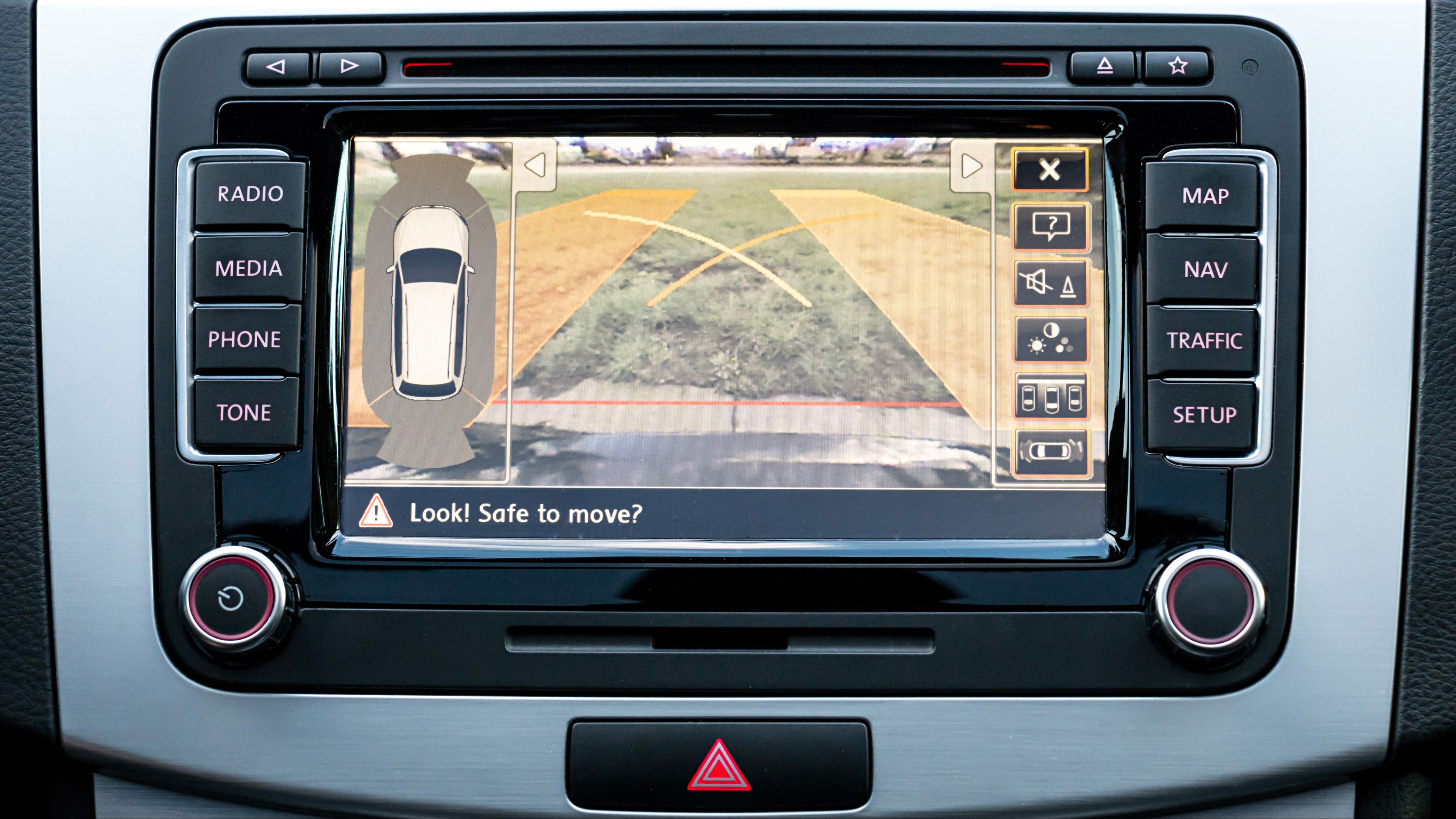
Even before this law came into force, backup cameras were popular, with up to 75% of vehicles in the US already having them fitted.
Now that a few years have passed and backup cameras have been adopted nationwide, these cameras provide drivers and pedestrians with a high level of safety and assurance. Here are some of the benefits of backup cameras and how they can keep you, your passengers, and nearby pedestrians safe.
They Provide a Sightline for Kids and Pets
According to the NHTSA, the addition of backup cameras will help to prevent injury and death caused by reversing accidents, also known as backover accidents. A backover accident is caused by a driver reversing over another person or animal without noticing.
14,000 vehicle reversal-related accidents happen each year in the US, leaving over 200 people fatally injured . This has made such accidents a rising cause of concern with traffic and accident control policymakers in the US, especially as most victims are children.
Through the implementation of mandatory backup cameras and the wider views that these cameras provide, drivers can more safely guide their vehicles while reversing and spot potential hazards. These regulations, therefore, can help to reduce the number of backover accidents and make high-risk areas, such as parking zones, much safer.
They Nearly Eliminate the Blind Zone
According to a study by the Insurance Institute for Highway Safety, the countrywide implementation of reverse-vision cameras in all vehicles will reduce blind spots for drivers on the road by 90%.
In fact, this percentage is significantly higher for cameras that do not come with additional backup audio sensors.
The benefit of backup cameras with no additional features is that they cause the driver to pay closer attention to the monitor screen and continue assessing the risk factors as they back up, whereas relying on audio sensors can sometimes give drivers a false sense of security.
The resounding benefit of backup cameras is that they allow drivers to see clearly, with a taller and wider-angle view than the rear-view mirror provides. If drivers use caution and monitor their surroundings without going through the motions of relying on warnings, this feature could aid in completely eliminating the so-called “blind zone.”
They Aid in Parallel Parking
No matter how safe you are as a driver, you’ll always find yourself facing some tricky parking scenarios. When it comes to parallel parking, backup cameras can help to ensure that you are making all the right moves to get your vehicle in the desired space without any bumps or scrapes.
As well as improving parallel parking, backup cameras are also known to come in handy when navigating crowded parking areas such as those at large shopping malls, which may have small parking spots and columns to navigate. Whenever you need to park in a tight area or one that is filled with many passing pedestrians, having a backup camera keeps you, and everyone near you, safer.
Additional Benefits for specific vehicle types
Large off-road vehicles, low-slung sports cars, and sport utility vehicles often suffer from poor visibility due to their non-conventional chassis design. This effect is compounded when backing up as the driver’s line of sight may not align with the rear-view mirror. This means that backup cameras are an essential addition to these vehicles and can make them much safer for use on everyday roads and more challenging terrain. Modern backup cameras also include features such as waterproof and self-cleaning lenses for vehicles that frequently travel through rough terrain.

Source: Shutterstock
They Reduce Traffic Stress
Have you ever had to reverse our from a narrow alley or driveway into oncoming traffic? Or have you ever been stuck at a red light and realized that you might have to back up your car to change lanes or create room for passing pedestrians? Those moments happen to the best of us. When driving a vehicle that has a backup camera, reversing in stressful situations becomes an easier, more peaceful process. Simply use the backup camera to safely gauge the cars around you and ensure that no bumpers are bumped, then navigate the vehicle where you need to go. Backup cameras always have your back.
To find out more ways to keep yourself and your passengers safe behind the wheel, check out these 10 tips on driving distraction-free.
Related Articles
Life During Wartime: How World War II Changed the Auto Industry
In the 1940s, the future of the automotive industry looked bright. Following dramatic innovations in mechanics and body design, discover why the cars were artistic and luxurious.
The Pros and Cons of a Do-It-Yourself Oil Change
Do the perks of a do-it-yourself oil change outweigh the potential pitfalls? To answer that question, consider the pros and cons of changing your own oil with this Hertz guide.

Buying a car: are those extra features wants or needs?
Buying a car means choosing from a variety of options. From safety to sunroofs, here is a helpful list of wants vs. needs to consider when car shopping.
