


Members-only perks


11/10/2026 • 10 mins
Ghost towns of the West road trip
Empty saloons and silent streets left just as they were. Across the deserts of California, Nevada and Arizona, the ghost towns of the West offer a real glimpse of the past undisturbed. This western road trip brings together 12 of the most interesting, abandoned towns in the USA. Explore the ghost towns of America in comfort with a Hertz car rental. A vehicle such as the Chevy Tahoe is well suited to handle the desert highways and gravel approach roads of the American Frontier.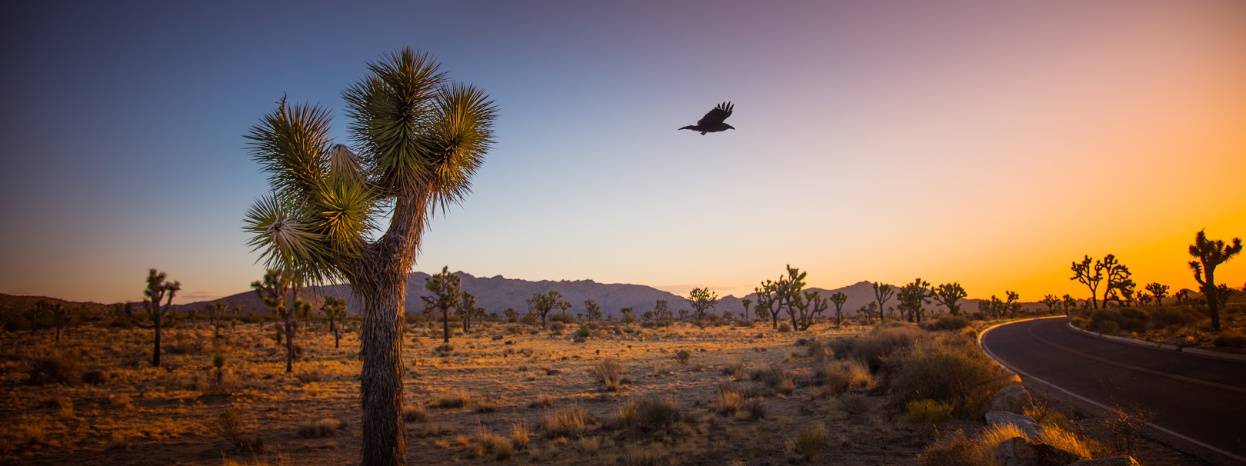
Summary
- This Old West Road trip covers the route from Bodie ghost town in California to Chloride in Arizona, crossing three states.
- The 1,400-mile journey links 12 historic ghost towns and abandoned mining towns, including Bodie, Goldfield, Rhyolite and Calico Ghost Town.
- Standout attractions include the Neon Museum in Las Vegas and the Bombay Beach ruins on the Salton Sea.
The drive from California to Arizona
Kick off your ghost town road trip from Bodie, high in California’s Eastern Sierra, and make your way to Chloride in northwestern Arizona. The trip covers around 1,400 miles, crossing three states.
The full scenic route loops through Las Vegas, the Mojave Desert and Los Angeles and is best spread over five to seven days. There are no toll roads along the way, though some stops, such as Bodie State Historic Park, may charge a small entrance fee.
Starting point: Stop 1: Bodie
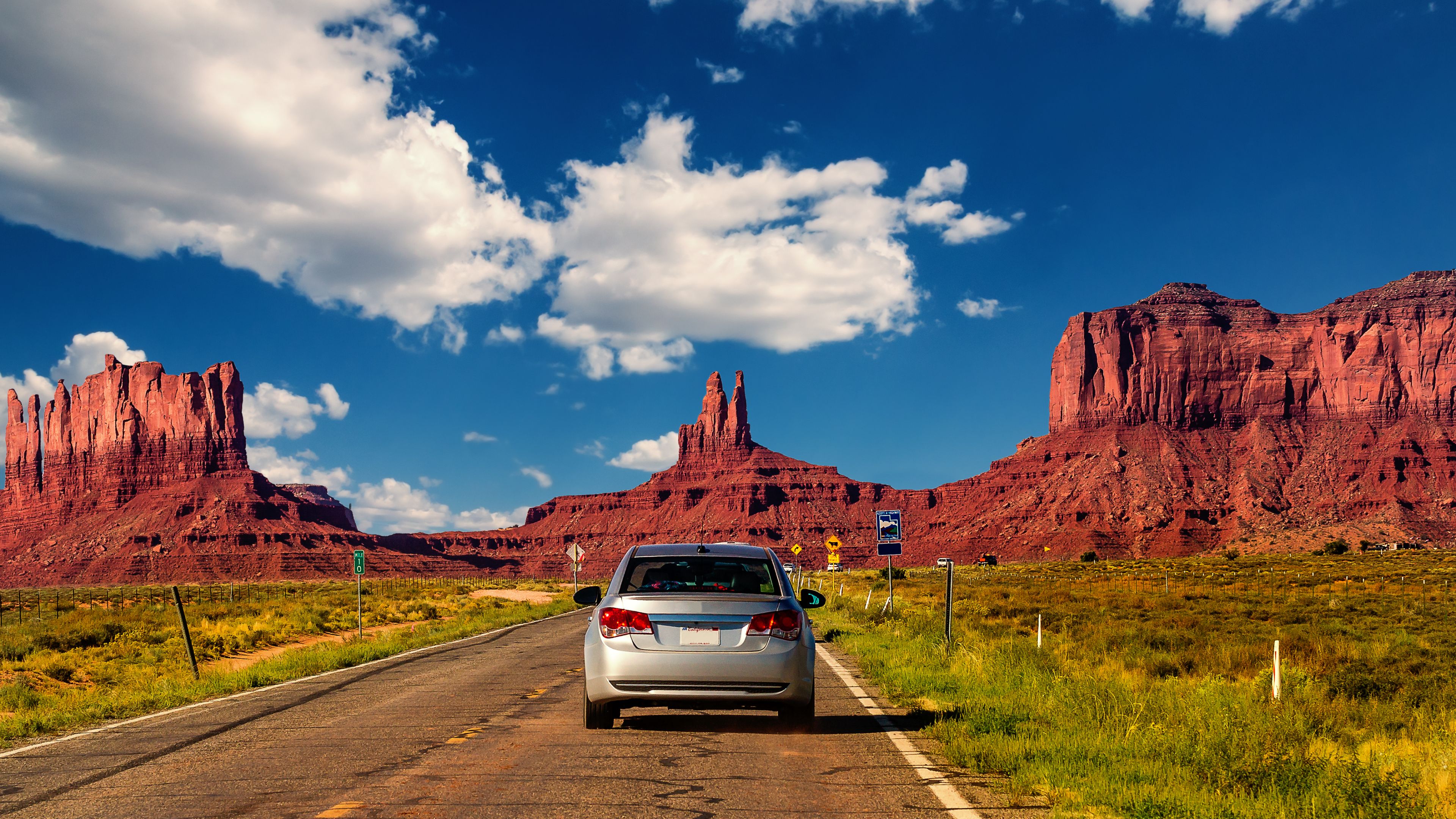
They say Bodie exists in a state of ‘arrested decay’, which makes this ghost town an ideal starting point for this tour of the American West. Bodie was a thriving 19th-century mining town at its height, before declining within a few decades of being established. Today it’s preserved as Bodie State Historic Park, and it’s widely regarded as the best-preserved of all the ghost towns in California. Explore the eerie atmosphere of its deserted homes, saloons and buildings more than 8,000 feet up in the eastern foothills of the Sierra Nevada Mountains.
Stop 2: Goldfield
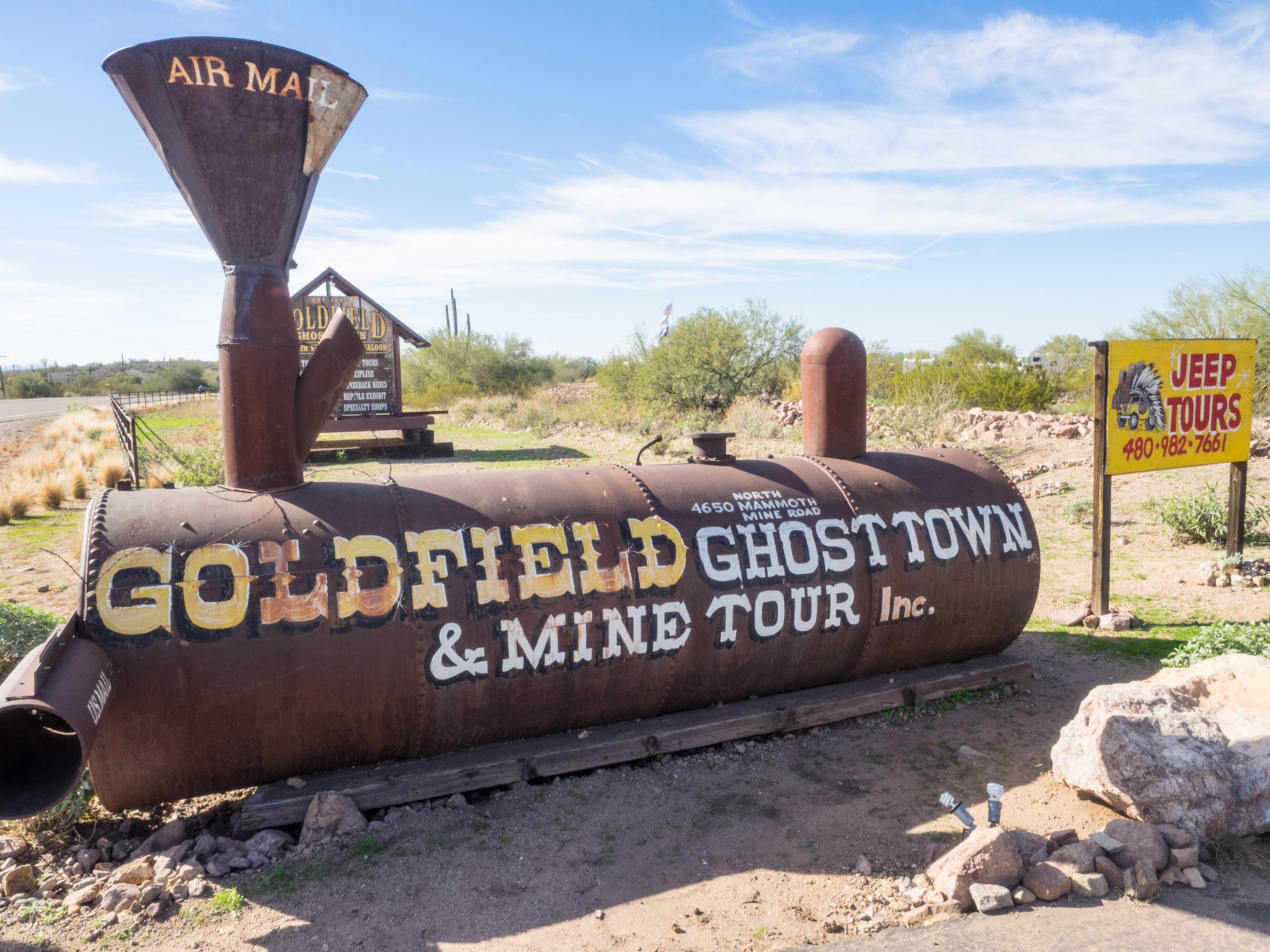
The discovery of gold in the Nevada desert in 1902 created one of the last true Wild West boomtowns. Goldfield grew into a settlement that quickly became the largest city in Nevada. Vintage photos show a busy main street full of horse carriages and stores, but the boom didn’t last. Once the mines became unprofitable, people drifted away. The Goldfield, Nevada, ghost town is now one of the most interesting to explore, where visitors can wander windswept streets past the remains of the old Goldfield mining town, including a school and a grand hotel.
Stop 3: Rhyolite (near Beatty)
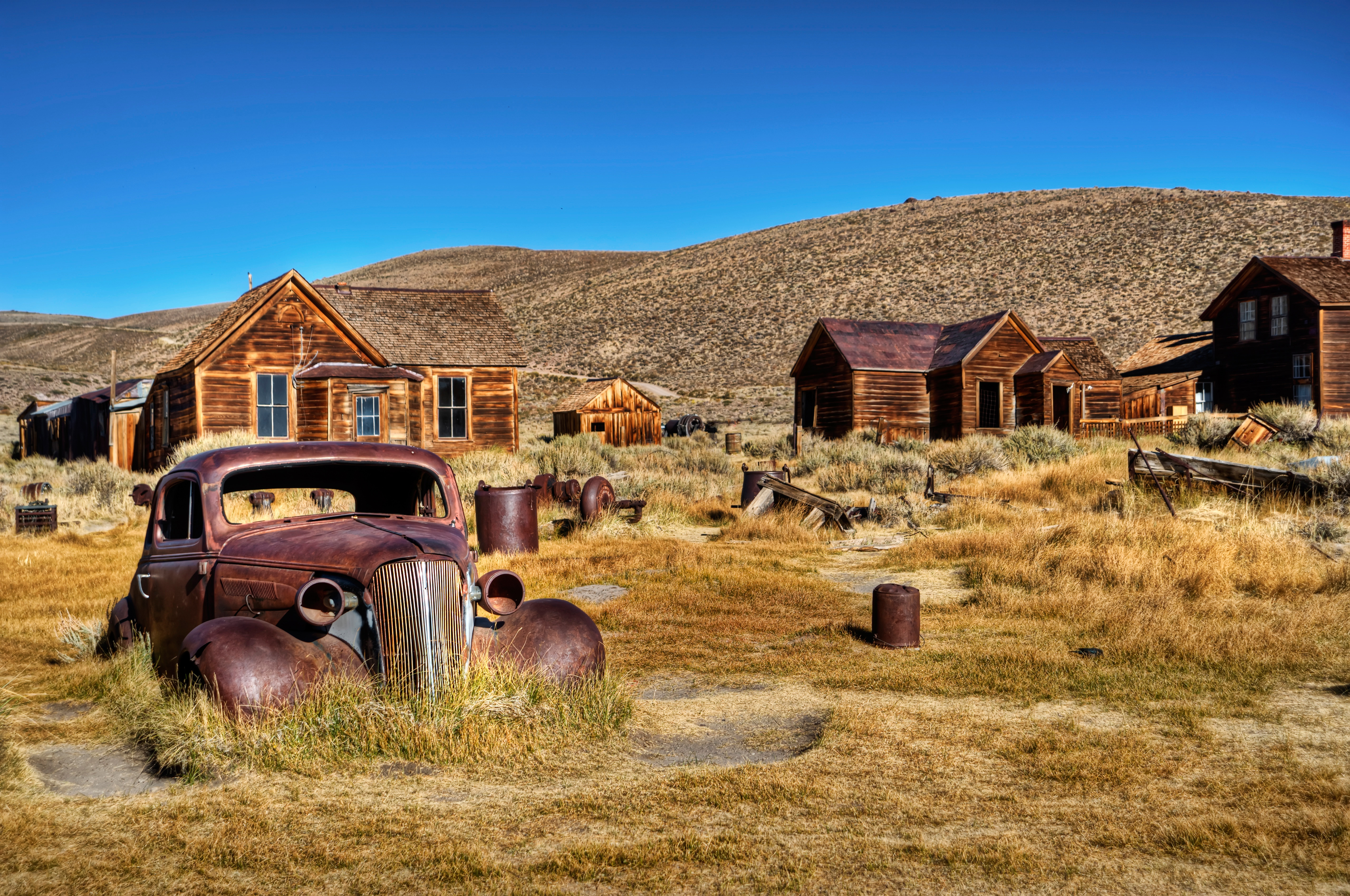
Rhyolite was once a flourishing town with a railway station, hospital and banks. But its fall was fast. Undermined by the financial crisis of 1907, the Rhyolite ghost town still stands in a sheltered basin high in the Bullfrog Hills north of Las Vegas. It’s often ranked among the best ghost towns in Nevada. To get to Rhyolite, you can follow the road north from Highway 374 and it will take you right into the heart of this abandoned gem. Explore everything from photogenic ruined banks to a famous house built from bottles.
Stop 4: Ballarat
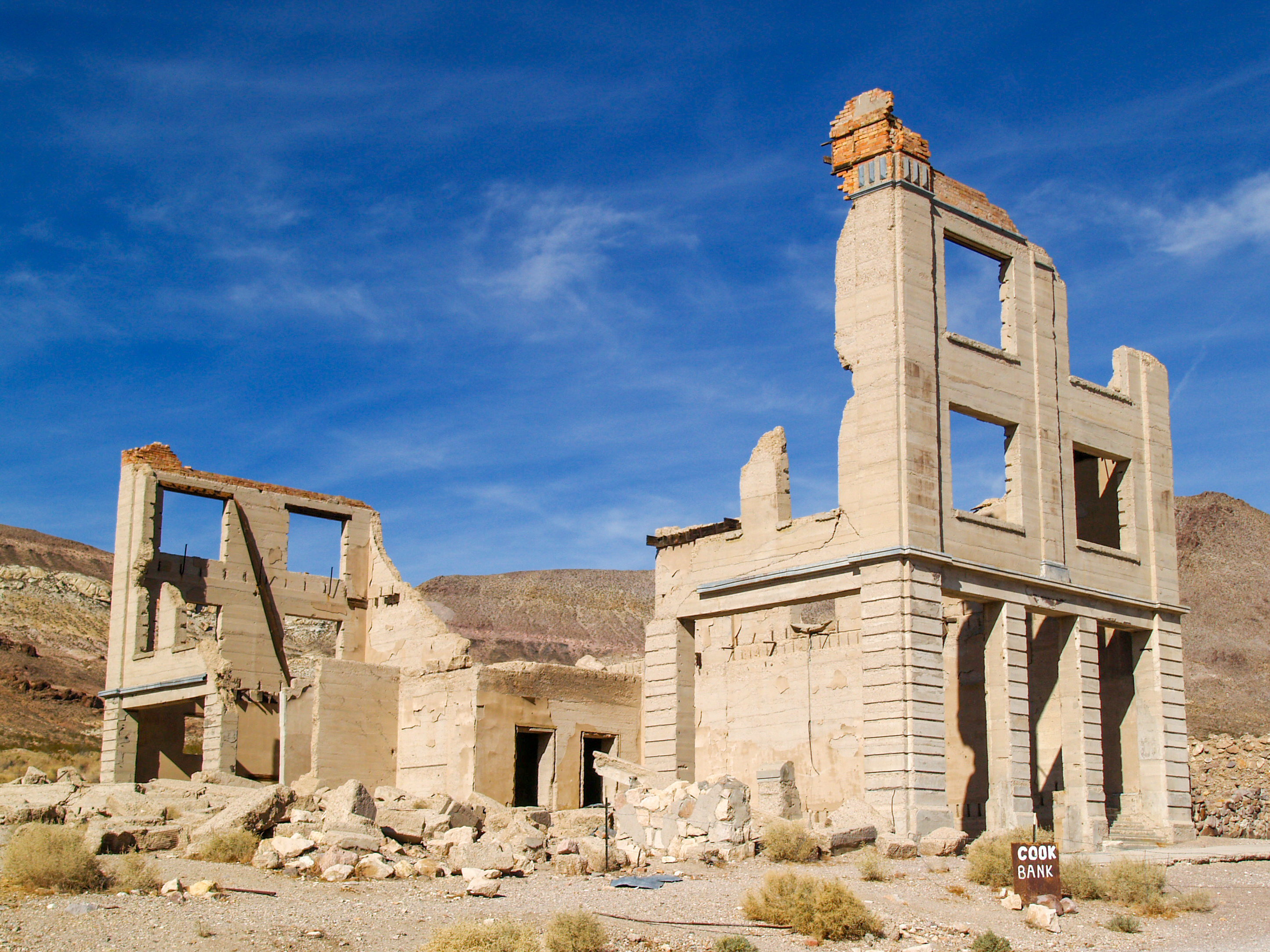
Founded in the late 1890s to serve the tail end of the California gold rush, Ballarat was a key supply stop for prospectors heading into the Panamint Mountains. It didn't last long. By 1917, most businesses had moved on and the population faded away. Today, the Ballarat ghost town is one of the loneliest abandoned towns in California. All that’s left is a scattering of crumbling buildings and a small general store, kept open by the town's one remaining resident.
Stop 5: Neon Museum
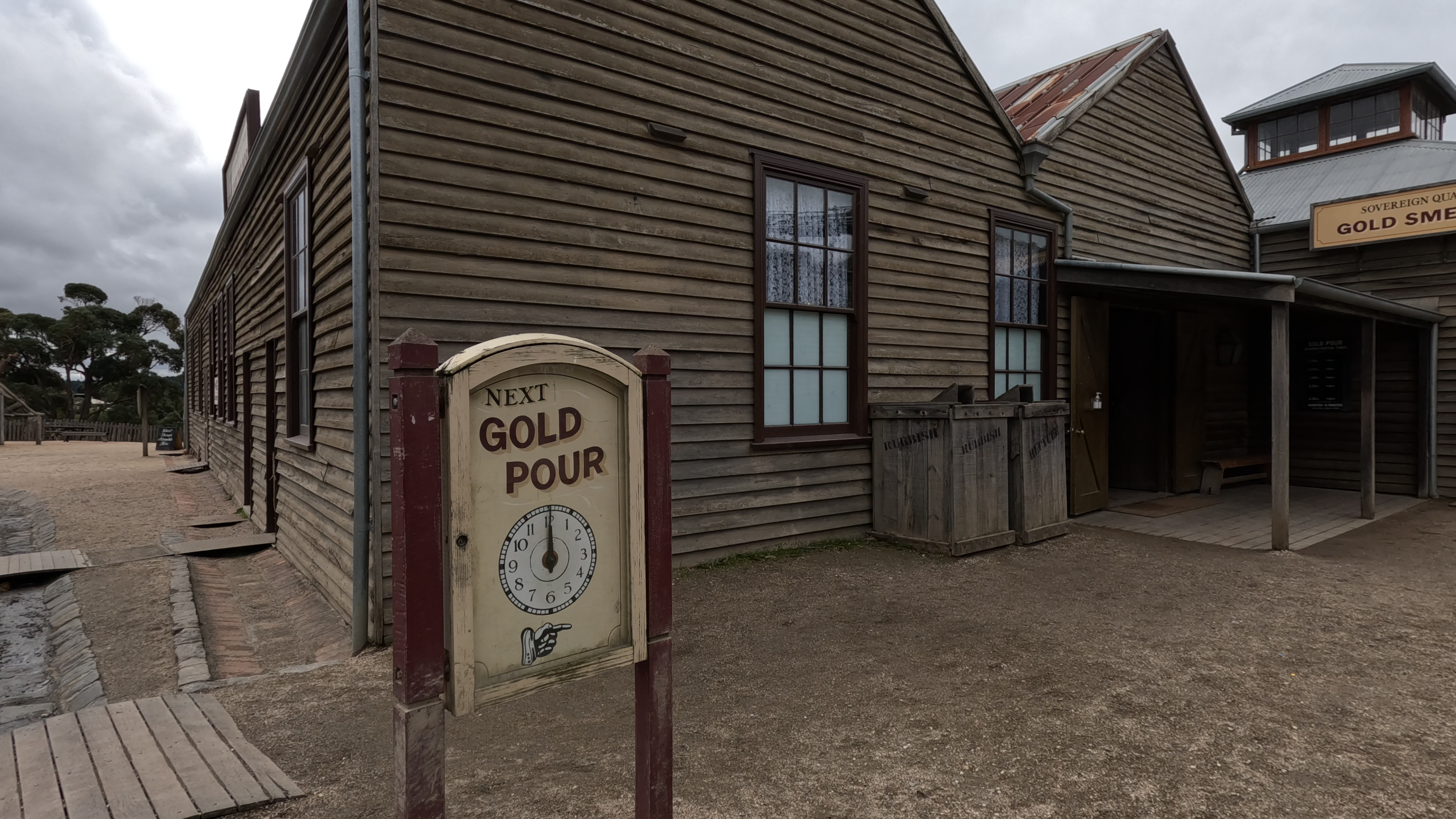
The Neon Museum is a six-acre outdoor display of disused signs from Las Vegas casinos, bars, gas stations and hotels. It’s like exploring a graveyard of once-glossy businesses. Make your way through 80 years of flamboyant Vegas history at the Neon Museum’s famous Boneyard, with informative guided tours available. The Neon Museum Las Vegas offers day and night visits, but keep in mind that many of the colorful steel-and-glass masterpieces are illuminated after dark.
Stop 6: Eldorado Canyon
Less than an hour from the Las Vegas Strip, the Techatticup Gold Mine sits in Eldorado Canyon, deep in the southern Nevada desert. The mines here were among the richest in the state before closing after World War Two, leaving behind a handful of weathered buildings and rusting vehicles. Tour guides can take you into the old mine workings, where you'll hear stories of claim disputes, shootouts and the lawless characters who worked this remote camp a century ago.
Stop 7: Mojave Air and Space Port
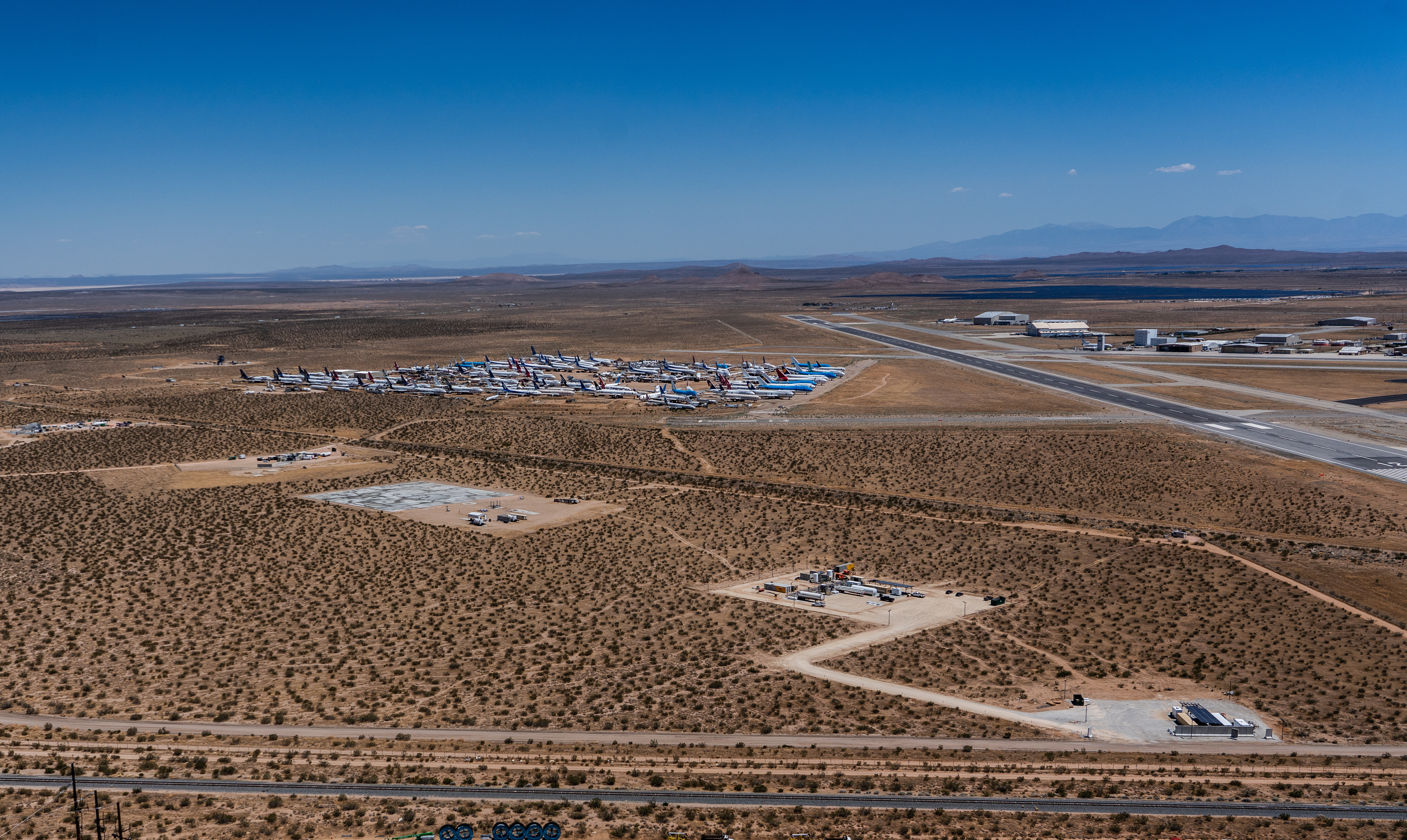
Hundreds of retired jets sit parked in the California desert at the Mojave Air and Space Port, awaiting scraping, storage or repair. This working aerospace facility doesn't offer public tours, but it opens its doors for 'Plane Crazy Saturday' on the third Saturday of every month. It’s a free historical aircraft display day where you can get up close to vintage planes, browse the outdoor exhibits and grab breakfast at the on-site Voyager Restaurant. Aside from event days, the rows of stored airliners are still an impressive sight from the public roads around the airport.
Stop 8: Calico
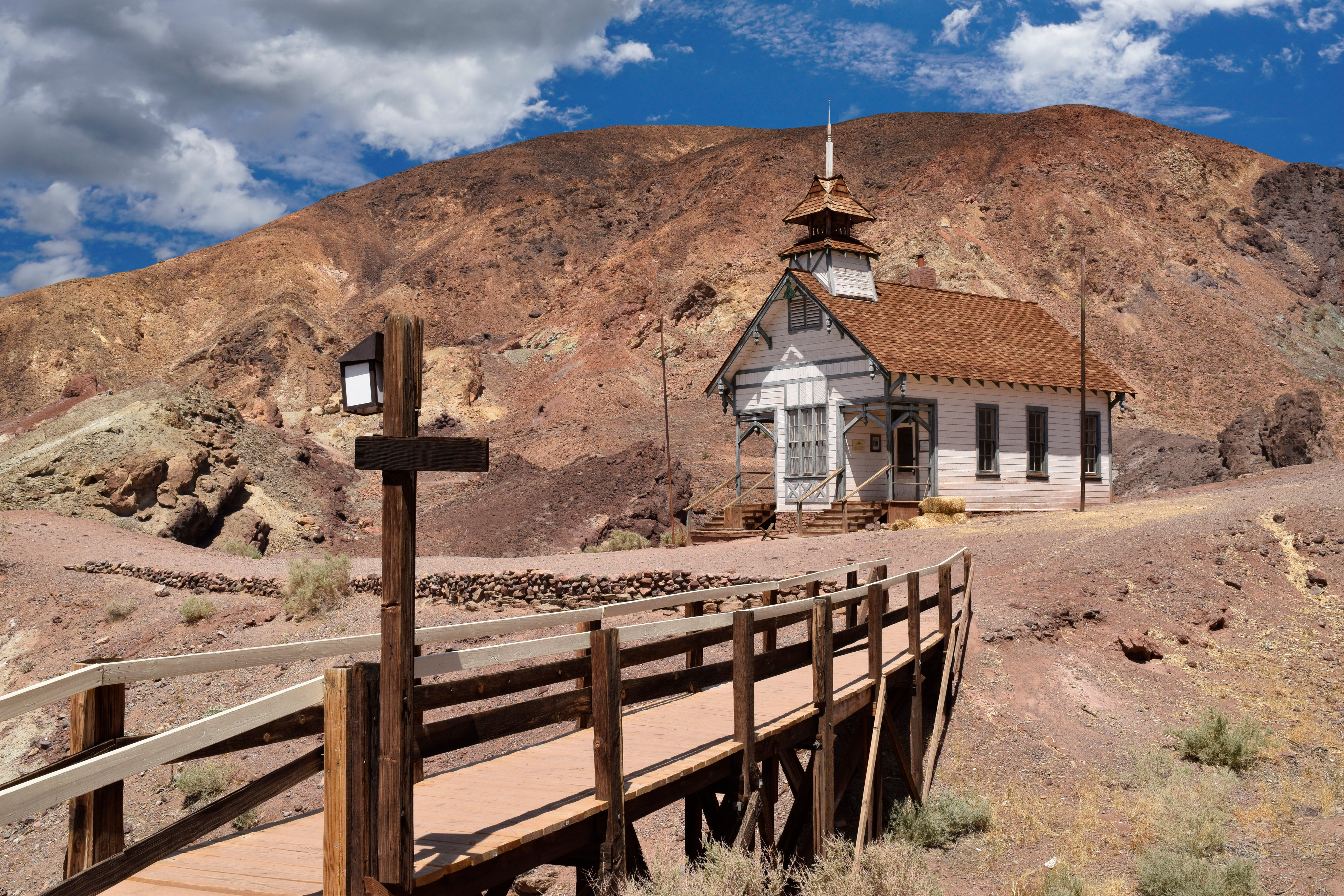
Calico sprang up in the San Bernardino desert in 1881 on the back of the largest silver strike in California. Soon, 500 mines were operating here, producing more than $20 million of silver ore in a decade. But when silver prices plummeted, Calico's population did the same. Restored in the 1950s by Walter Knott of Knott's Berry Farm fame and now run as a county regional park, Calico Ghost Town is one of the best-known of America's abandoned mining towns. Reached via the fittingly named Ghost Town Road exit off I-15 at Yermo, it offers shops, restaurants, campsites and mine tours among the relics of the old workings.
Stop 9: Griffith Park Zoo
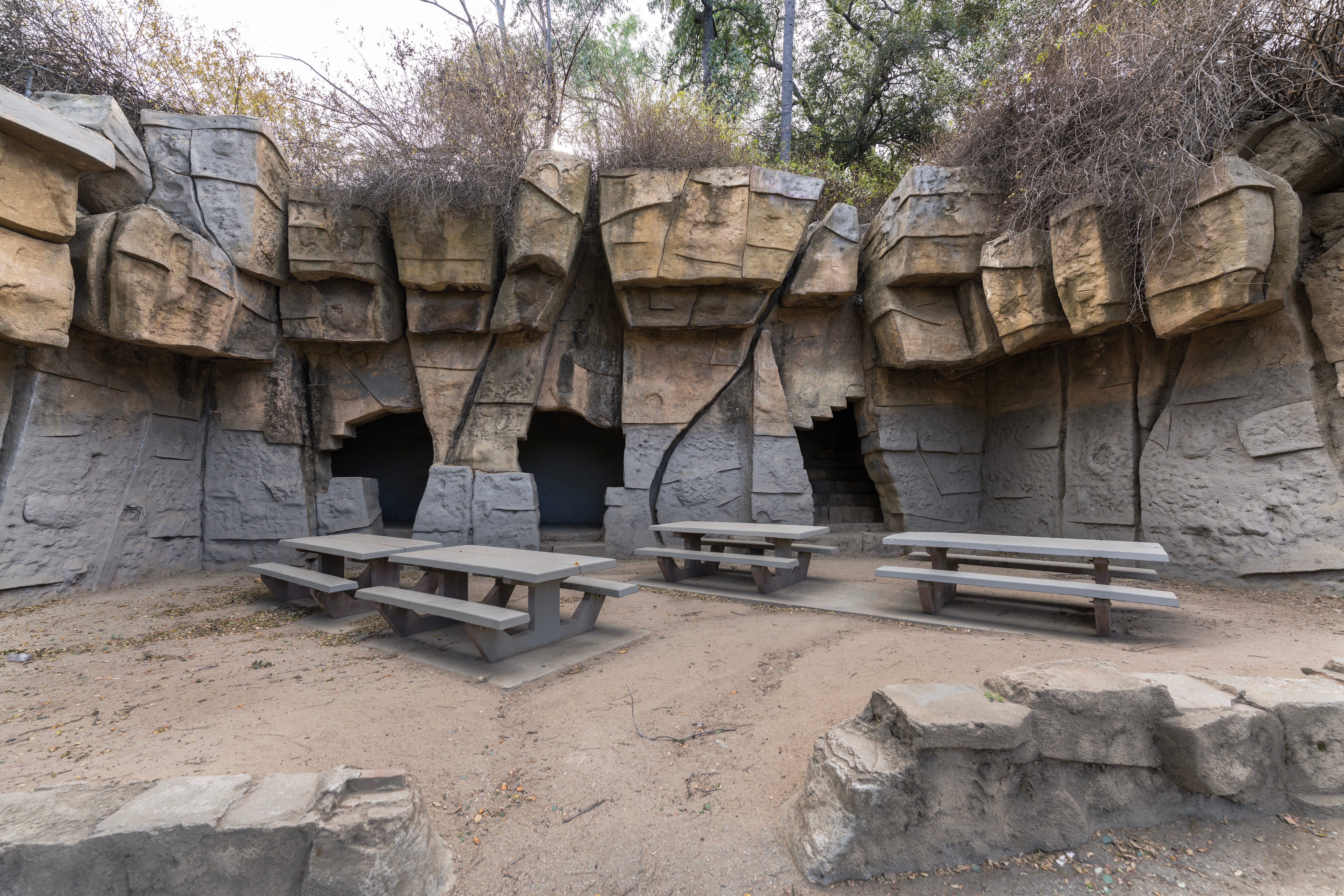
Hidden inside LA's Griffith Park is something few cities can claim: a completely abandoned zoo. When the Los Angeles Zoo moved to its current site in 1966, the old Griffith Park Zoo was simply left behind. The bars, grottos and animal enclosures still stand where the roars of more than a thousand animals once echoed. Despite the many myths about hauntings and apparitions, the site remains free to visit as a public picnic area, offering the unusual chance to eat lunch in the former lion enclosure or take a selfie in the old bear cages.
Stop 10: Bombay Beach
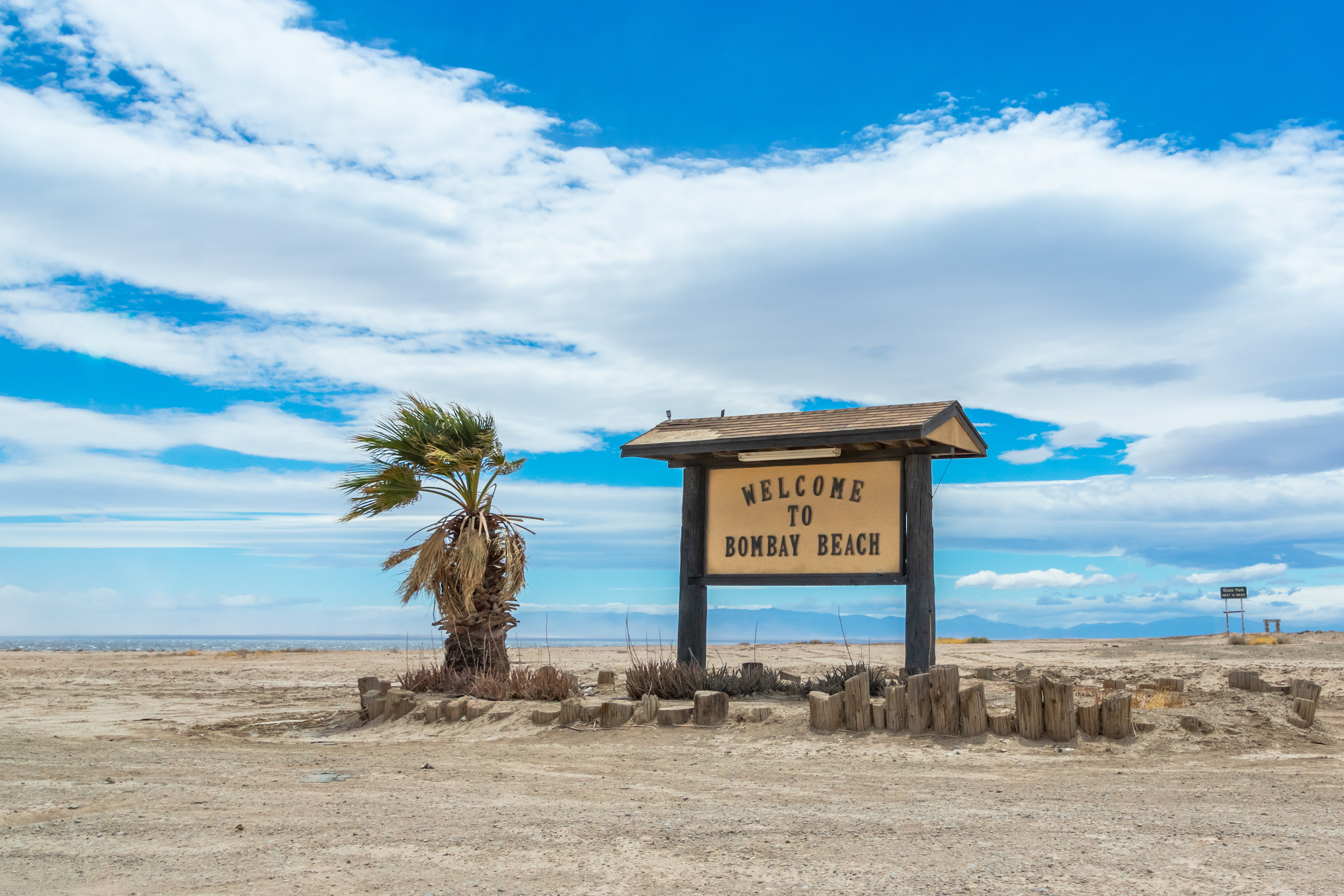
Bombay Beach was once a fashionable Salton Sea resort where the Beach Boys and Hollywood stars came to waterski. But as the inland sea receded and grew polluted, the crowds disappeared and rising mud swamped many of the homes along the shore. Today, Bombay Beach, California, is a semi-ghost town. What’s left is a few rows of trailers and cabins alongside a thriving outsider-art scene. The rising sculptures from the salt flats and the post-apocalyptic panorama of the Bombay Beach ruins make for striking photographs. It's the most recent and one of the most surreal of the American ghost towns on this route.
Stop 11: Santa Claus

Not every ghost town in Arizona started with a gold strike. In a patch of dusty scrubland south of the Hoover Dam, Santa Claus began life in the 1930s as an ambitious Christmas-themed resort, complete with decorated trees, restaurants and gift shops. Families could meet Santa any day of the year, and the post office did a roaring trade postmarking Christmas letters from its festive address. The magic didn't last, however, because no one lives or works here today, making the Santa Claus ghost town one of the strangest of all the Arizona ghost towns.
Stop 12: Chloride
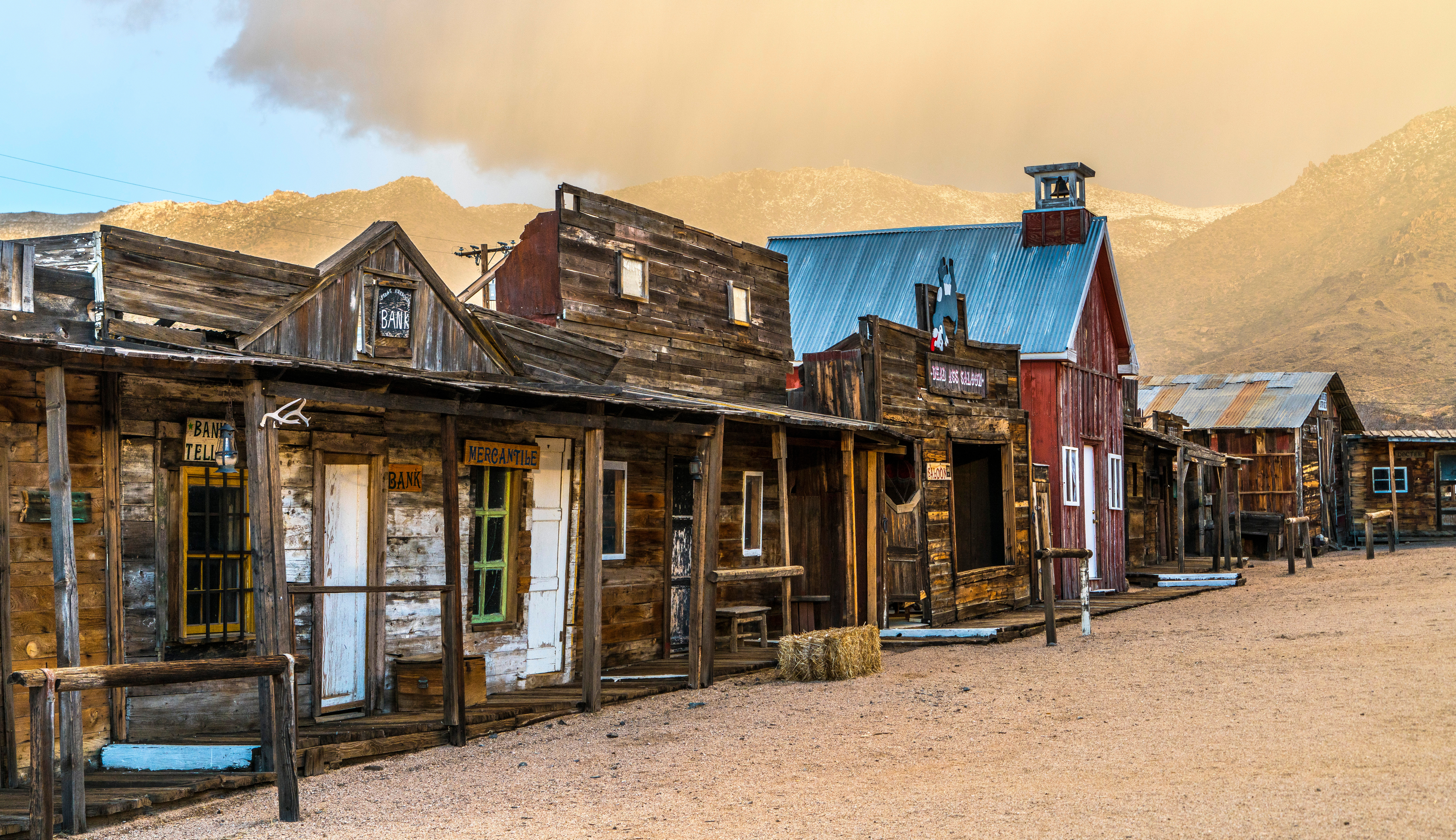
End your tour at Chloride, Arizona, a community that pulled itself back from the brink of extinction and one of the best ghost towns in Arizona to explore on foot. Gold and silver were found here in the mid-19th century, then the railroad arrived and the town boomed. Within 50 years, it was nearly deserted. Before you finish your road trip, don’t miss the giant murals painted on the rocks east of town by artist Roy Purcell in 1966, the Chloride ghost town’s most popular attraction. Explore its quirky yard-art installations, lively restaurant and gift shops. Drop off your rental at the nearby Hertz Kingman location, around 20 miles south, and leave with a collection of memories worth a lifetime.
Ghost towns of the West road trip, let’s go!
From the High Sierra to the Arizona desert, the ghost towns of the West tell the story of old businesses that boomed, busted and moved on. And there’s no better way to trace this history than from the comfort of a car rental. With pick-up points across California, Nevada and Arizona, Hertz puts every stop on this route within easy reach. Choose a comfortable SUV for the desert miles and turn the abandoned towns in America’s West into a memorable road trip.
FAQs
Are there any old cowboy towns left?
Yes. Preserved historic mining towns such as Bodie, Calico and Chloride let you walk authentic Old West streets, while living towns like Tombstone, Arizona, still stage gunfight re-enactments. Many ghost towns survive thanks to dedicated preservation efforts across many Western states.
What is the biggest ghost town in America?
Jerome, California, is generally considered the largest ghost town in the U.S. Once home to 15,000 people, it’s equally captivating and a fan favorite among tourists and photographers for its rustic structures.
Is the Wild West still a thing?
The frontier era ended in the 1890s, but its spirit survives across the West in working ranches, rodeos and preserved boomtowns. Visiting abandoned towns in U.S. deserts and mountains is the closest you can get to experiencing the real Wild West today.
Which U.S. state has the most ghost towns?
Texas is usually credited with the most, by sheer number, estimated at 511 in total. The ghost towns in Colorado, California and Arizona also number in the hundreds.
Why are there so many ghost towns in America?
Most abandoned towns in the U.S. grew rapidly around gold, silver or copper strikes, then emptied just as fast when the ore ran out. Railroad closures and highway rerouting also turned once-busy communities into ghost towns that tourists can explore today.
Related Articles
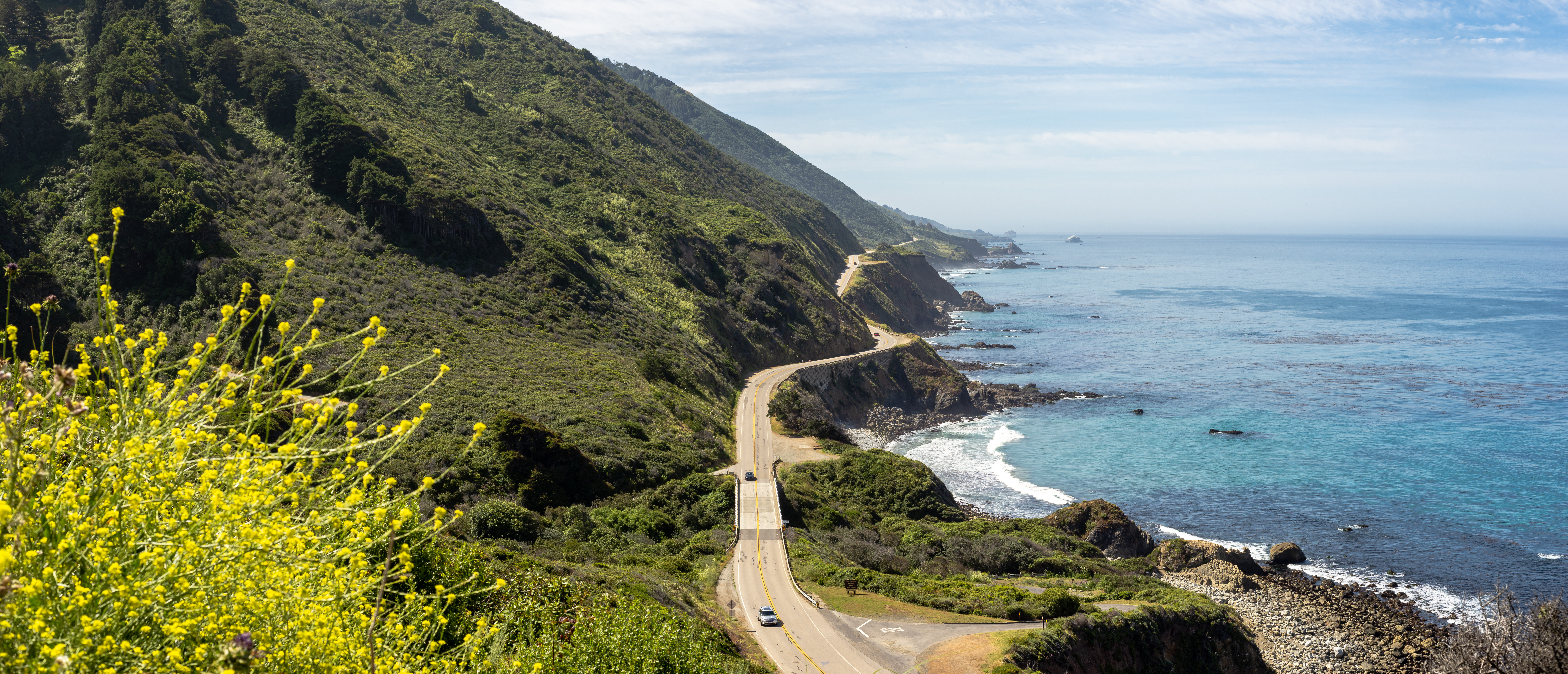
Pacific Coast Paradise road trip
We’ve devised a stunning tour of America’s west coast that includes some of the country’s best driving roads, plenty of exciting scenery and some stunning sights. Our Pacific Coast road trip route from Seattle, WA, to Santa Barbara, CA, provides a sensational slice of west-coast landscapes, from snowy-capped Mount Rainier to the glorious surf of California’s Big Sur. See it all with a car rental from Hertz. Renting a car means you can travel freely, and it also allows you to control your itinerary, skipping a stop or replacing one attraction for another to suit your preferences.

Best things to do in Atlanta
Atlanta, Georgia is a vibrant city that offers visitors a diverse range of experiences. From its rich past to its modern attractions, there's something for everyone to enjoy in Georgia’s state capital. Whether you're a history fan, a nature lover or a foodie, you won't be short of things to do.
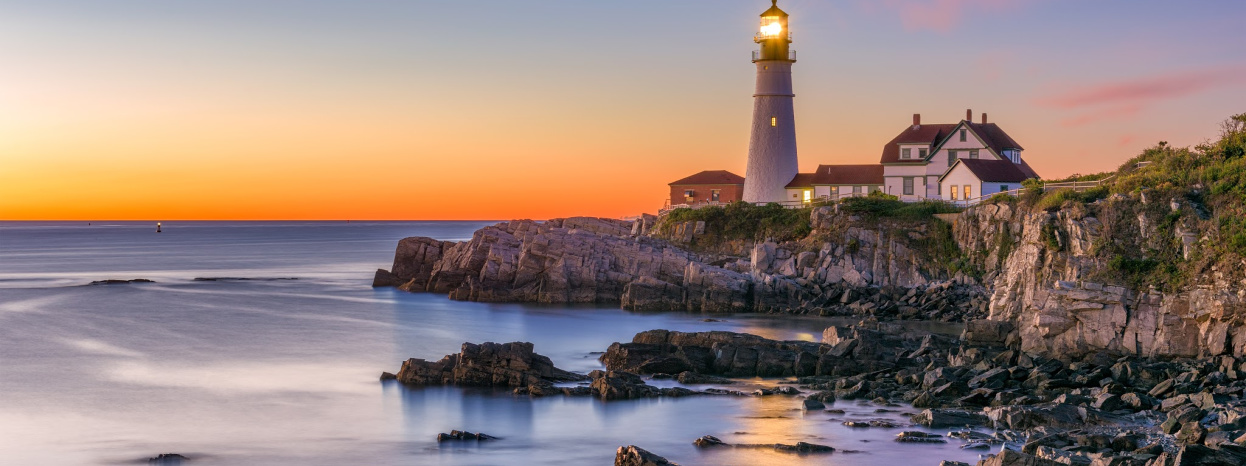
Magical Lighthouses of Maine road trip
The Maine coast is home to some of the most iconic and beautiful lighthouses in the U.S., making it the perfect destination for a scenic coastal road trip. From historic beacons perched on dramatic cliffs to charming harbors surrounded by classic New England fishing towns, the route showcases the very best of Maine’s maritime heritage and natural beauty. With many of Maine’s best lighthouses spread across hundreds of miles of coastline, having the flexibility to travel at your own pace makes a real difference. Renting a car with Hertz allows you to easily explore remote coastal communities, discover hidden viewpoints, and enjoy the freedom to stop whenever a photo opportunity appears along the coast of Maine.