


Members-only perks


06/17/2022 • 4 min
Car rental vs. car sharing
It’s never been easier to reserve a vehicle when you need to travel, with cars available at the click of a button on your laptop, tablet or smartphone.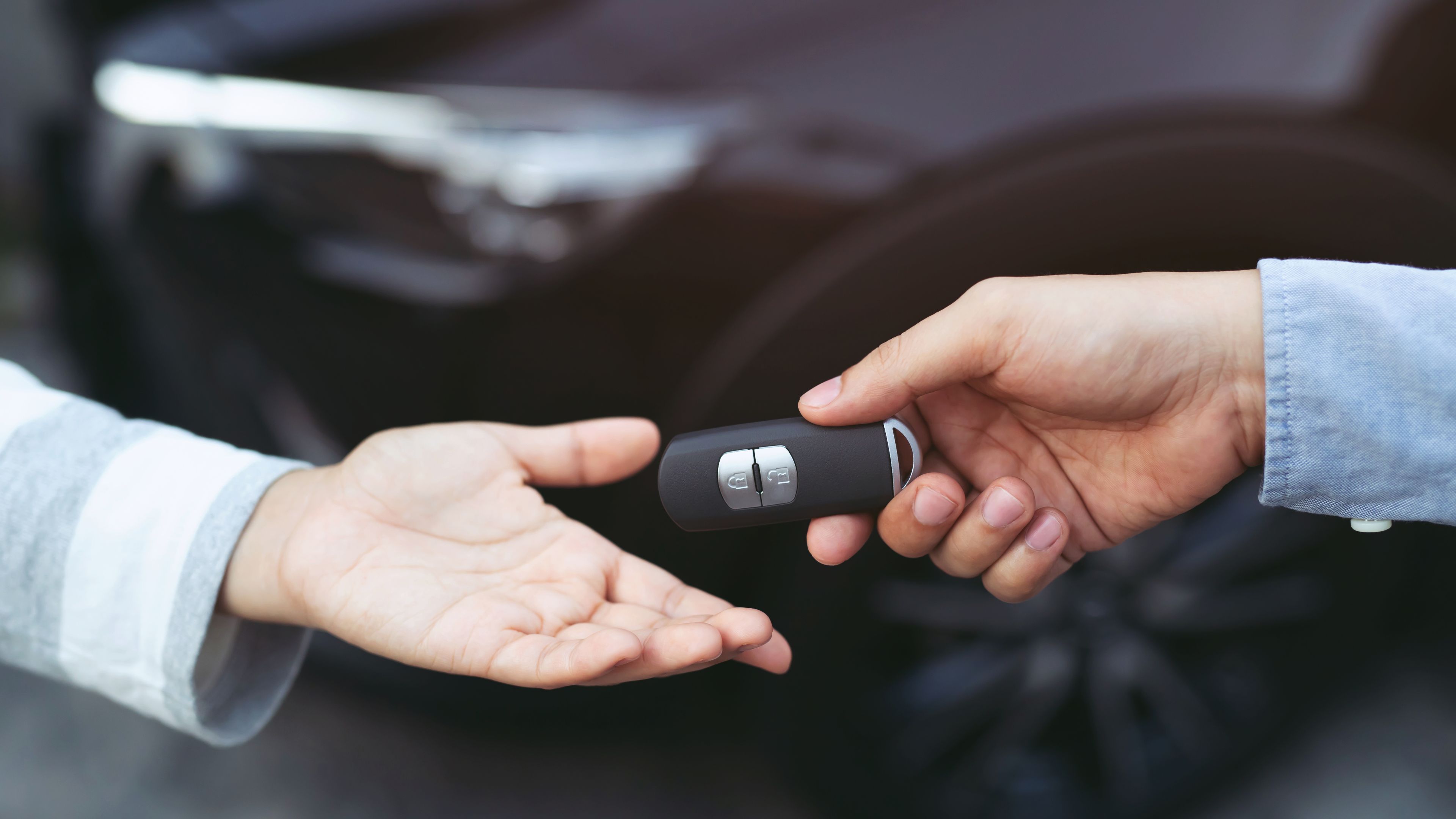
Car rentals for business, vacation, and personal travel have evolved. From booking only with car rental companies to newer options like peer-to-peer car rental, the landscape is changing. This new approach to car rental is also known as car sharing, but how exactly does it work?
Read on to find out how you reserve a car, the insurance you’ll need, and whom you’re renting from with P2P car rental.
What is car sharing?
Car sharing is where you rent a vehicle for a short space of time, from a private owner, through a P2P car rental company.
It’s not the same thing as a taxi or ride-sharing service like Uber. Rather, it’s where car owners offer their personal vehicles for others to rent for short periods. The reservation and any payments are overseen by a third-party company and rentals are typically organized online, for both delivery and pick-up.
Think of it like the car version of lodging marketplaces like Airbnb. Rather than booking with a regular hotel company, you’re renting someone else’s property for a short space of time. Except, in this case, you’re borrowing a car.

How does car sharing work?
Peer-to-peer car sharing works when a private car owner lists their vehicle online for flexible, short-term hire. They will usually do this through a car sharing company, which will display their user profile on their website.
It’s the owner’s responsibility to keep the car in peak condition. This includes arranging:
- Repairs
- Servicing
- General Maintenance
Those who wish to rent a car share can visit the car sharing website to browse for a vehicle online, and then choose an insurance plan to cover their travel. Most companies will ask you to pay for all costs upfront.
Arranging the delivery or collection of the vehicle can incur extra costs. This could also involve meeting the car owner for an introduction to how the vehicle runs. When the car share comes to an end, the car is then returned to its owner and the third-party company will pay to clean the vehicle.
What are the differences between car rental and car sharing?
There are several ways that car sharing and car rental differ from one another. This includes how they operate, the service you receive from the company, and the fleet of vehicles available. One big difference is that car sharing is separate from car rental, with different regulations. Here are just a few of the other ways they differ.
Car Rental
- The rental company leases you the car from a standardized fleet.
- The car rental company handles the upkeep of the vehicle, according to state laws.
- Locations are available state-wide and globally, in cities, towns and airports.
- The rental company arranges the collection or delivery of all rented vehicles.
- Safety regulations are in place for young drivers, with minimum age limits.
Car Sharing
- The private owner of the car leases the vehicle through a car sharing company.
- Maintenance of vehicles is usually the responsibility of the car owner.
- Peer-to-peer car sharing is available across the country, but not in all states.
- The car owners deliver or arrange the pick-up themselves.
- P2P rental companies may place age limits on young drivers, but this depends on the company.

How is insurance affected when car sharing vs. renting?
It’s always best to double-check your insurance policy before reserving a car share or rental car.
Most car sharing services offer commercial auto insurance for the participants involved. These can include the car’s owners, renters and third parties. When you rent, you can rely on your own insurance policy or pay extra for more benefits.
If your personal insurance plan protects your vehicle, as well as rental cars, further coverage isn’t necessary. This can make it cheaper to ensure you’re protected when you get behind the wheel.
On top of that, there’s a long history of established policies organized between car rental companies and the state. It’s there to help protect you and ensure others are safe on the road.
As car sharing is not recognized as part of the car rental industry, it doesn’t always adhere to the same regulations. This can leave you vulnerable in the event of an accident and could impact you if there's a claim.

How does car sharing liability work compared to renting?
Liability insurance covers any potential damage to other vehicles as well as injuries to their drivers.
Specific details and limits vary state by state, though auto insurance offered by car sharing companies can include:
- Liability coverage up to $1 million for car owners and renters
- Underinsured motorist coverage
- Personal injury protection
- Limited comprehensive and collision cover
It’s common for personal auto insurance plans to exclude liability coverage for peer-to-peer car sharing.
You may already have the appropriate cover as a part of your existing insurance policy. If that’s the case, you could already have the necessary liability and personal accident coverage included in the fine print. If not, optional protection plans are available.
Is car sharing or car rental more secure?
Peer-to-peer car sharing has become a popular alternative for travel and does have its benefits. Even so, it’s still a relatively new concept when it comes to state governance and auto insurance policy.
Car shares may market themselves as being more affordable. However, they can come with some risks, especially if something goes wrong with your reservation or journey.
Mandates, laws, and regulations for the safety of the consumer and road users have been in place for decades. Car rental can offer you a more secure and reliable way to travel in the US, and countrywide laws and the American Car Rental Association work to protect renters.
Pros and Cons of car sharing?
Pros
- Cheaper
- No maintenance costs
- No repair costs
- Increased flexibility
- Variety of cars available
Cons
- Rigid planning needed
- Potential to ‘lose’ your vehicle (you risk losing out on a vehicle to another driver if you don’t leave the meter running the whole time)
- Not ideal for emergencies
- Never having the same vehicle can be a disadvantage as taking your things out every time can become a nuisance and you’ll need to acclimatize to a new vehicle each time.
Related Articles
Renting a Car for Someone Else With Hertz
Rent a car on behalf of someone else with Hertz. Learn more about how the process works, additional driver fees and how to add drivers to your agreement.

Call of the Wild: Best American Wildlife Vacations
Enjoy the best that the American wildlife has to offer. A safari experience close to home, see big cats and jungle animals with your Hertz Car Hire today.

How to Pay for Your Car Rental
When it comes to renting a vehicle from Hertz, it's important to know what the accepted payment methods are and if there are any significant differences between them. This knowledge can make your rental experience smoother and get you on the road faster.
