


Members-only perks


07/06/2023 • 6 min
What Does it Cost to Charge an Electric Car?
If you’re considering renting an EV, one of your first thoughts may be, ‘what does it cost to charge an electric car?’ Find out with Hertz.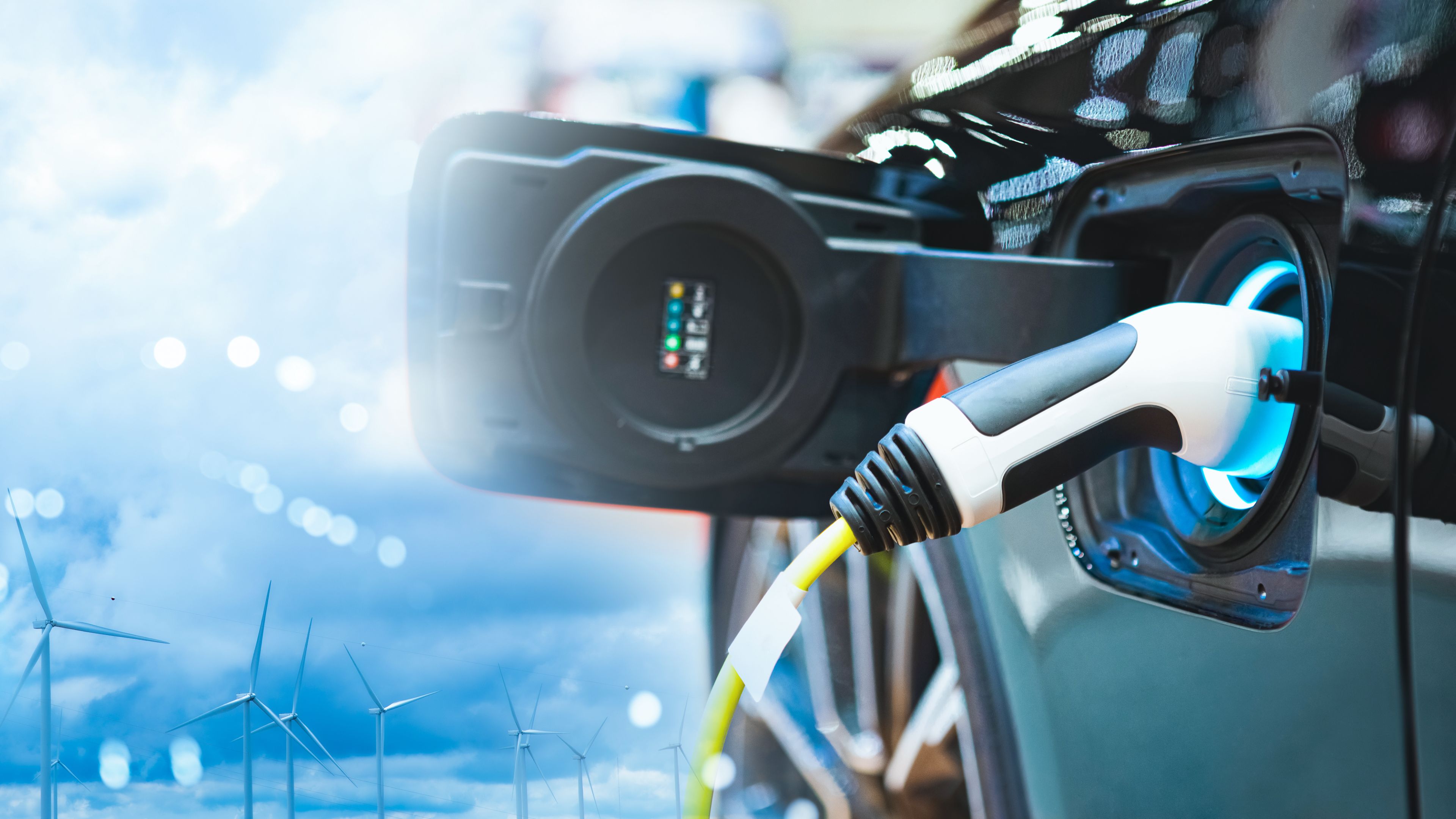
Electric vehicles (EVs, for short) are becoming increasingly popular, and it’s easy to see why. EVs put an end to filling your tank with gas, which is bad for the environment as well as your finances.
Even though you don’t have to fill your EV with gas, there are still running costs to consider because the vehicle still needs to function, and that requires charging. Whatever your reason for renting an EV, you’re going to want to know how much charging one would cost.
In this guide, we’ll explore the costs associated with charging electric vehicles.
Do You Need to Pay to Charge An Electric Vehicle?
Yes. Although you don’t refuel an EV like a traditional gas or diesel car, you do have to pay to charge an EV. And unlike hybrid cars, EV car batteries don’t recharge themselves.
How often you need to charge an EV depends on:
- which EV you rent
- which charger you’re using
- your driving habits
Charging an EV at home is convenient if you have a charging point. Additionally, many parking lots, grocery stores, and hotels are now equipped with charging stations, providing more options for EV owners.
And yes, there are EV charging stations – both public and private – that let you charge your vehicle for free. However, if you aren’t near one of these incredibly convenient locations, you'll likely need to pay. The cost can vary depending on where you choose to charge.
How Much Does it Cost to Charge an EV in Public?
The average cost to charge an EV from a commercial charger, from empty to nearly full, is between $10 and $30. But this will vary depending on the different types of chargers – level 1, 2 or 3. Remember, level 1 will take the longest but will cost the least, and level 3 will be the most expensive, but will charge the quickest.
Cost is an important factor when deciding between renting/buying a traditional internal combustion engine (ICE) car or an EV. So, knowing what to expect when it comes to the cost of charging an EV will help you make up your mind about which road to take.
Check out our range of EV cars to rent.
Where Can You Charge An Electric Car?
One of the best things about renting an EV is the sheer number of places where you can charge one. Some of the most popular places to charge an EV include:
- At home – this is the most convenient option, and you could plug in overnight before you need to travel.
- Supermarket parking lot charging stations – many chains have already installed charging points, and announcements keep coming from those who are planning to do so. This makes charging very convenient if you’ve a big shop to do, as you can charge while you shop.
- Public transport hubs – many train and bus stations have charging stations in their parking lots.
- Gas and service stations/truck stops – you might be surprised, but many now provide charge points for EVs.
- Restaurants – charge your car while you’re dining.
- Hotels – some hotels offer free charging to
entice customers.
How Do I Find Public Charging Stations?
If you’re on a road trip, you can find EV charging stations with:
- Your car – most EVs have infotainment displays which often give you locations.
- Search apps – smartphone apps such as PlugShare and ChargeHub often offer more up-to-date charge info than Google Maps and Apple Maps.
- Charging network apps – these can help you get information directly from the source, but will sometimes not include competitors, so you might not be getting a complete picture. Some examples include PlugShare and ZapMap.
How Much Does it Cost to Charge an EV at Home?
If you’re thinking of buying an EV, charging at home can be one of the more economical ways of keeping your car charged. It can also save money if you’re renting one. In general, you can expect to pay 30-50% less than at a designated charging station.
However, there are two main costs, one upfront for installing a charging point, and the other will be the ongoing cost of charging the car.
Installing a Car Charging Point
If you want to charge an EV at home, the first step is to install a car-charging point. This is probably the most expensive cost you’ll incur, as the money will balance out through charging at home rather than a charging station.
There are three different types of charging stations, assigned by levels. The higher the level number, the faster the charge.
- Level 1 – These are the most basic type. You
can plug level 1 chargers into a standard 120V outlet. Although these are the
slowest to charge, they’re also the most convenient. - Level 2 – You can charge between five and seven times quicker with a level 2 than a level 1. They connect to a 240V unit, which you might already have installed. If so, the basic installation costs between $200 and $500. If the system needs mounting and setup from zero, expect
to pay between $1,000 and $1,500 more. - Level 3 – Can charge an EV in 30 minutes,
but you need a special permit for a level 3 to be installed, and the parts and
labor can be very expensive – around $50,000.
Average Price of Charging an EV at Home
The cost of charging an EV at home can vary based on several factors:
- Your car’s battery capacity: Larger batteries require more electricity to charge, hence might cost more.
- How much you have left in the battery when charging: Charging from near empty will cost more than topping up a half-full battery.
- The region where you live: Electricity prices vary by region, affecting the cost.
- The time of year: Some utilities have seasonal rates.
- The time of day for peak charges: Charging during peak hours can be more expensive due to higher demand.
- Current price of electricity: This is a direct factor in the cost of charging.
The average cost in the US for charging a 60-kilowatt-hour Tesla Model 3 at your home comes out to around $6.83. A Volvo XC40 Recharge with a 78-kWh battery pack would cost $8.88.
Charging an EV is typically more cost-effective than refueling a gasoline car. For instance, a 2022 Nissan Leaf EV costs about 4.48 cents per mile to drive. In contrast, a gasoline-powered 2022 Toyota Corolla hatchback costs about 9.9 cents per mile.
Hertz EV recharging options
Learn about our three EV recharging options.
Let's Go!
Embrace the future of sustainable travel and enjoy the cost-effective benefits of electric vehicles. Whether you're considering purchasing an EV or just renting one for a trip, understanding the charging landscape is crucial. So why not experience it firsthand?
Related Articles
Do I Need to Return an EV Rental With a Full Charge?
Hertz offers three great options options to recharge your rental EV. Read about them below.

Are electric cars better for the environment?
As people across the world consider the environmental impact of everyday life, many are exploring ways to reduce their carbon footprint with Electric Vehicles (EVs).
Five Ground-Breaking EVs: What is the Best Electric Car Ever?
Electric cars are becoming more and more innovative, affordable and reliable. As a result they’re now so popular that even some their biggest skeptics are beginning to take notice.
