


Members-only perks


06/17/2022 • 4 min
Vehicle tech features for safer driving
From lane detection systems to adaptive cruise control, we cover the latest must-have tech safety features in this handy guide. Drive safer with Hertz.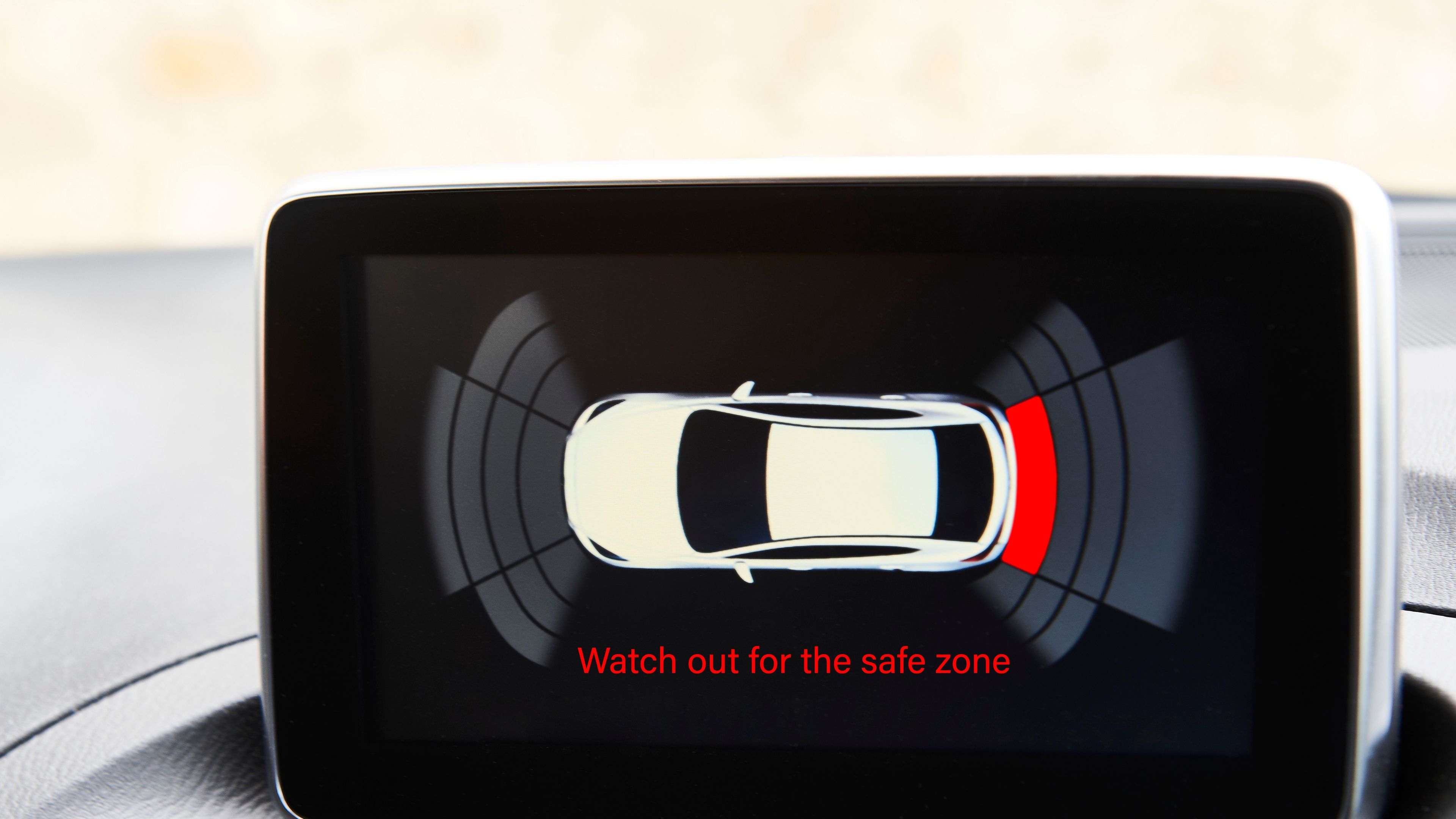
Anti-lock brakes (ABS), electronic stability control (ESC), and airbags made headlines in the mid-90s as the latest must-have safety features. Now, these features come as standard on almost all vehicles. The automotive industry has evolved even further since then, and new advancements continue to shape — and reshape — the way people drive.
Although safety-focused technology can't replace solid driving skills and common sense, it can give you the extra peace of mind you need to relax and enjoy the journey. Embrace the open road with some of the best safety-oriented in-car technologies on your side.
Reverse camera
Designed to help reduce the number of accidents when backing up, this feature gives you a clear view of the area behind your vehicle's rear bumper. Small objects, pets, and children that would otherwise be impossible to see are easily visible on the in-dash display. Some backup camera systems also include a sensor with an alarm that goes off if the vehicle is too close to an object.
Parking sensors
Forget about stressing over parallel parking, with parking sensors and automatic parking systems, you can simply maneuver your car into the right position and technology will take it from there. Integrated sensors can detect any obstacles and calculate the proper steering angle to guide your vehicle smoothly into place.

Source: Shutterstock
Lane detection systems
Unintentionally drifting into another lane causes approximately 1.6 million crashes every year, many of them deadly. With a lane detection system, your vehicle will alert you when you start drifting over the lane markings. Some systems use an audible alarm, while others cause vibrations in the seat or steering wheel. Lane departure warning systems leave it to the driver to get back in lane, while lane departure prevention systems are slightly more advanced and can automatically steer the car back into a safe position.
Forward collision warning
As its name suggests, a built-in forward collision warning helps reduce the likelihood of rear-end crashes. Forward collision prevention technology varies among different auto manufacturers, with some options that provide visual or audio warnings, and others that can automatically brake when your vehicle is too close to something. These systems use a combination of sensors, radar, and cameras to enhance your safety.
Adaptive cruise control
Cruise control is a handy feature, but adaptive cruise control takes it to the next level. This emerging technology lets you set your speed without having to worry about manually resetting it when traffic slows back down. According to the U.S. News & World Report, adaptive cruise control uses either radar or lasers to judge the distance between your car and the car in front of you. It then automatically adjusts the throttle to maintain a safe following distance.
Adaptive headlights
Like adaptive cruise control, this feature doesn't require the driver’s direct input. Adaptive headlights automatically adjust based on your steering to better illuminate the road around turns and curves, over hills, and in potentially hazardous conditions. This minimizes your chance of having an accident by improving your visibility, a major factor in night-time accidents.
Automatic crash response
This mechanism jumps into action when the worst happens. In the event of a crash, when every second counts, a service advisor will automatically call the emergency services and direct them to the scene. The system can share the car’s location and provide details like its color, direction of travel, and amount of damage. A 24-hour emergency call service is also available by pressing the SOS button.
Even the best drivers can benefit from auto safety technology. As new innovations continue to make driving safer, you can worry less and enjoy the drive even more. Find more travel inspiration and safety tips on our Twitter page.
Related Articles
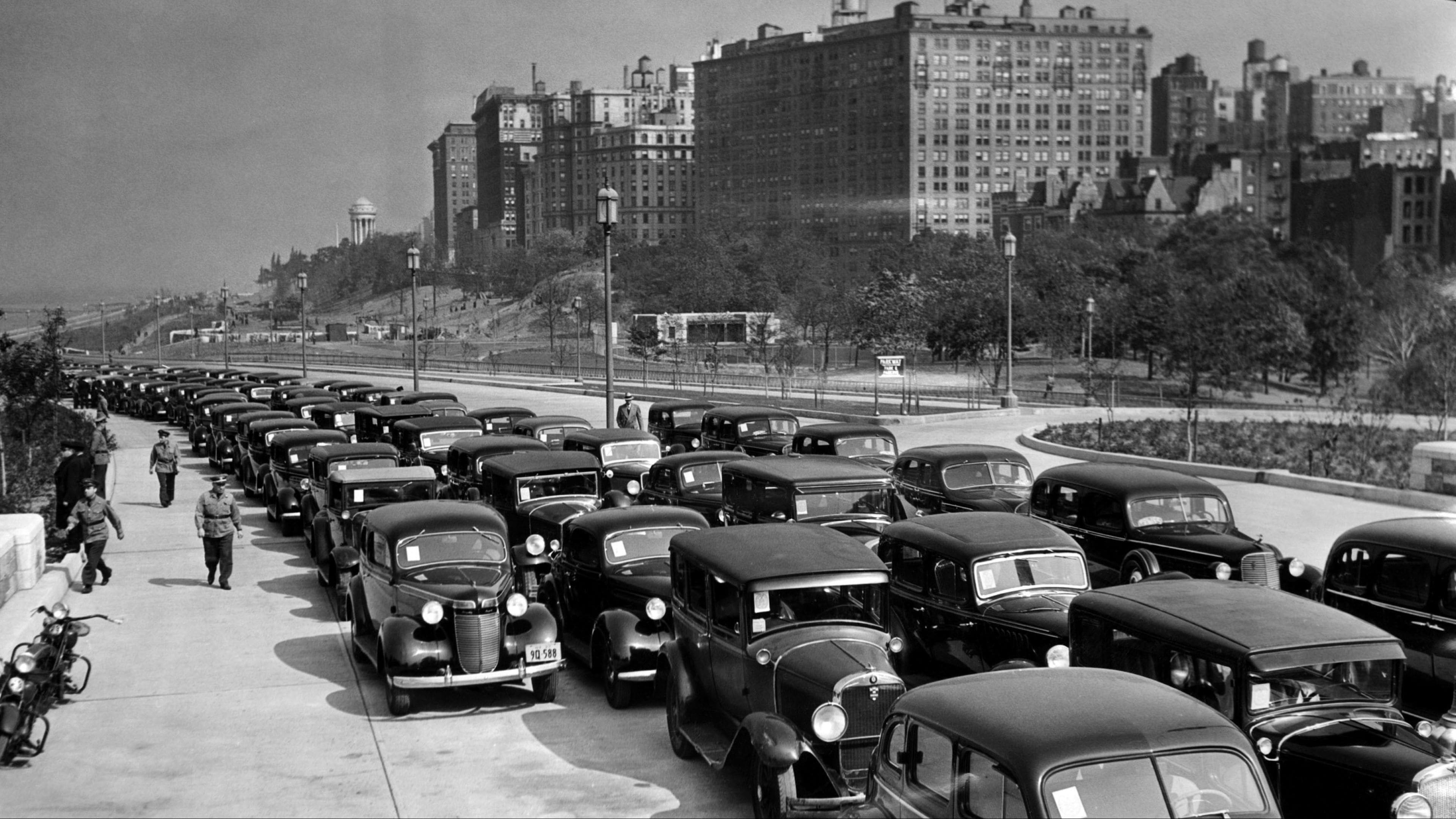
Life During Wartime: How World War II Changed the Auto Industry
In the 1940s, the future of the automotive industry looked bright. Following dramatic innovations in mechanics and body design, discover why the cars were artistic and luxurious.
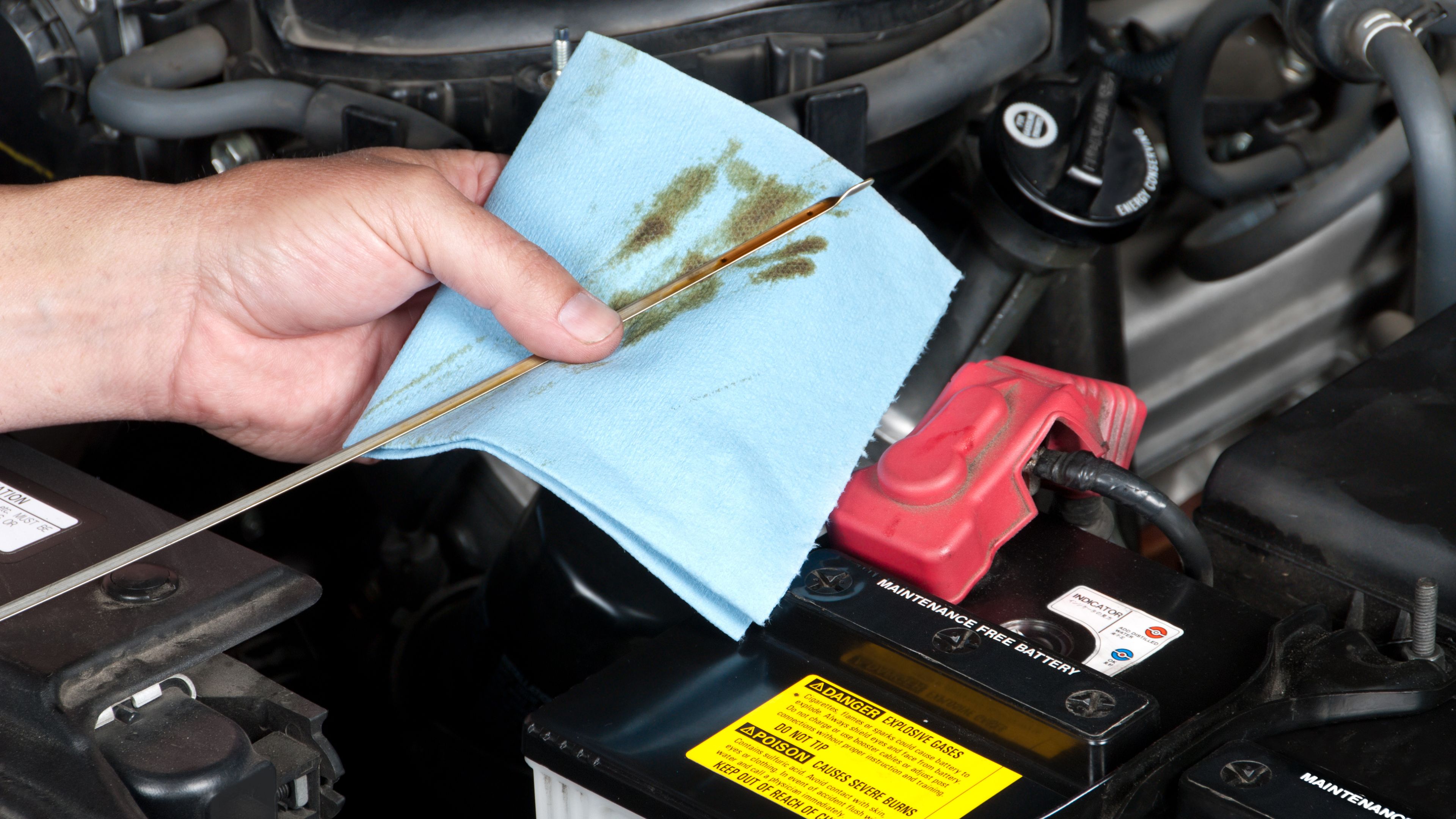
The Pros and Cons of a Do-It-Yourself Oil Change
Do the perks of a do-it-yourself oil change outweigh the potential pitfalls? To answer that question, consider the pros and cons of changing your own oil with this Hertz guide.

Buying a car: are those extra features wants or needs?
Buying a car means choosing from a variety of options. From safety to sunroofs, here is a helpful list of wants vs. needs to consider when car shopping.
