


Members-only perks


06/16/2022 • 4 min
Mary Anderson: The woman who set windshield wipers in motion
Windshield wipers haven’t always been a part of our cars. Discover the story and the woman behind the invention of windshield wipers with Hertz today.
Ever wondered where windshield wipers came from? Driving through harsh weather conditions, it’s hard to imagine a time where wipers weren’t there brushing away torrential rain and snow flurries. But they weren’t always standard. Read on to discover how this crucial safety feature became to be a standard on all vehicles.
Life without wipers
On a wet and freezing winter day in the early 1900s, Mary Anderson sat in a trolley as it made its way through New York City's crowded streets. From her seat, she watched the driver squint through a large, multi-pane windshield, trying to see through sheets of sleet that continuously accumulated on the glass.
At the time, windshields were made up of multi-pane windows – similar to double-paned windows on a house. Drivers could open and move the panes from the inside of the streetcar as needed. The purpose was to give them the ability to move debris-covered panes out of their line of sight or to allow them to lean out and clean dirty glass from behind the wheel. Unfortunately, the execution was clunky, inefficient and often dangerous.
The birth of an idea
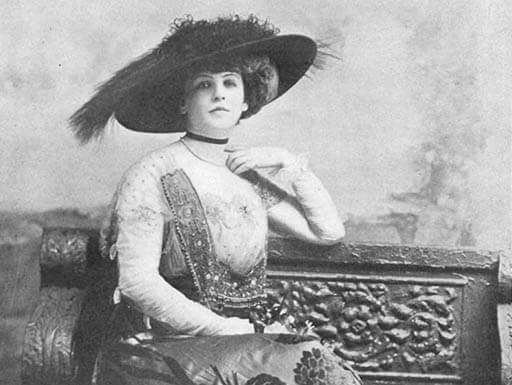
As Mary Anderson watched the situation unfold during her ride, she was struck with an idea. From her seat in the trolley, she sketched some rough drawings of an invention that would eventually change automobile history: a lever-operated (not electric) wiper that would drag across the window glass to remove rain or snow.
A savvy real estate developer from Alabama, Anderson was awarded a patent for her invention in November 1903. By then, she already had a string of entrepreneurial successes under her belt.
She was behind the building of Fairmont Apartments during Birmingham's building boom in the late 1800s, and she had taken her innovation and sense of adventure out West, where she spent five years running a cattle ranch and vineyard in Fresno, California.
Early development
Back in Alabama, Anderson began developing prototypes for her windshield wiper invention. Although earlier designs of similar devices already existed, Anderson's was the first to work successfully. Her wipers were spring-loaded, used an effective rubber blade, included a counterweight to ensure contact against the windshield glass, and could be removed (if desired) from the front of the vehicle after winter's harsh weather subsided each year.
Yet despite her enthusiasm and a promising prototype, Anderson was never successful in selling her invention. A Canadian manufacturing firm rejected her device outright, citing a clear lack of commercial value. Without a buyer, Anderson's invention languished, and her 17-year patent expired in 1920. However, that is not where our story ends.
Success without reward
Thanks in part to Henry Ford's assembly line concept, the automobile industry began to see explosive growth in America around the same year. As the number of glass-related injuries increased around the country due to a lack of standardization, Ford worked to create a safer, less expensive form of automobile glass, making windshields a common vehicle feature.
The implementation of windshield wipers soon followed. In 1922, just a few short years after Anderson's patent expired, Cadillac began installing wiper blades on its cars as a standard feature. The company's mechanical wipers were based on Anderson's original design, but without an active patent, she never received any money for her invention.
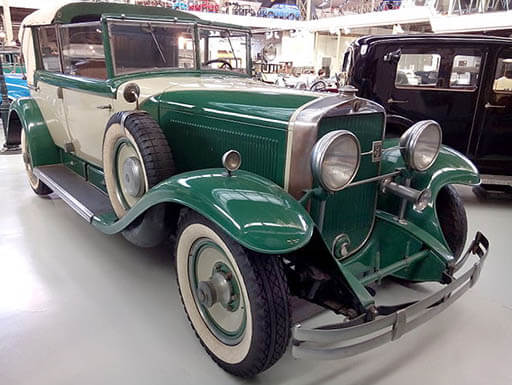
Anderson lived the rest of her life in Birmingham, Alabama, where she focused on managing her apartment complex. Although she never profited from her innovative windshield wiper design, she is remembered and celebrated for her early invention of this critical lifesaving device that put vehicles on the road to safer driving.
Who is your favorite female trailblazer in the automotive industry? Share your thoughts with us on Facebook.
Related Articles
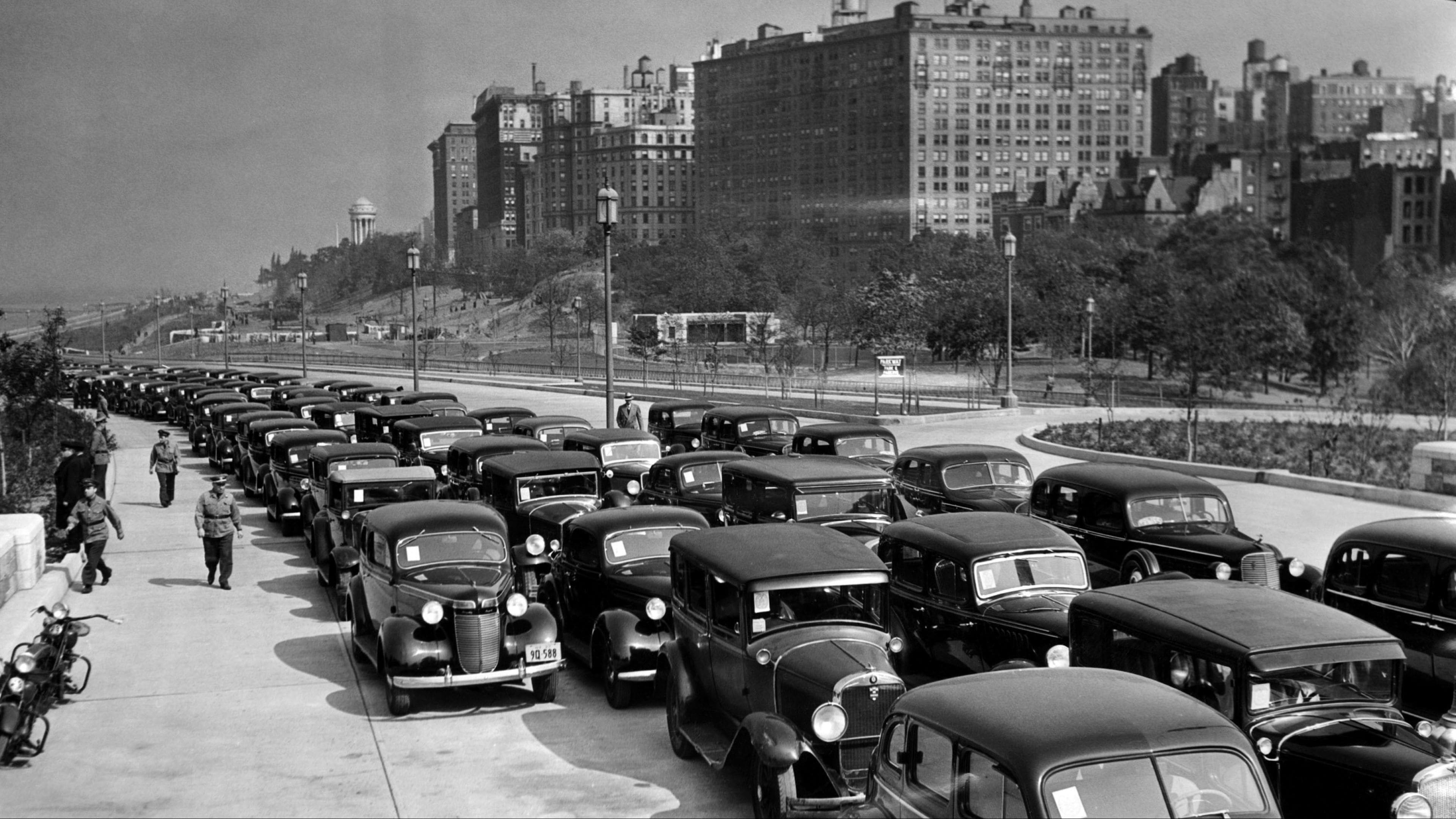
Life During Wartime: How World War II Changed the Auto Industry
In the 1940s, the future of the automotive industry looked bright. Following dramatic innovations in mechanics and body design, discover why the cars were artistic and luxurious.
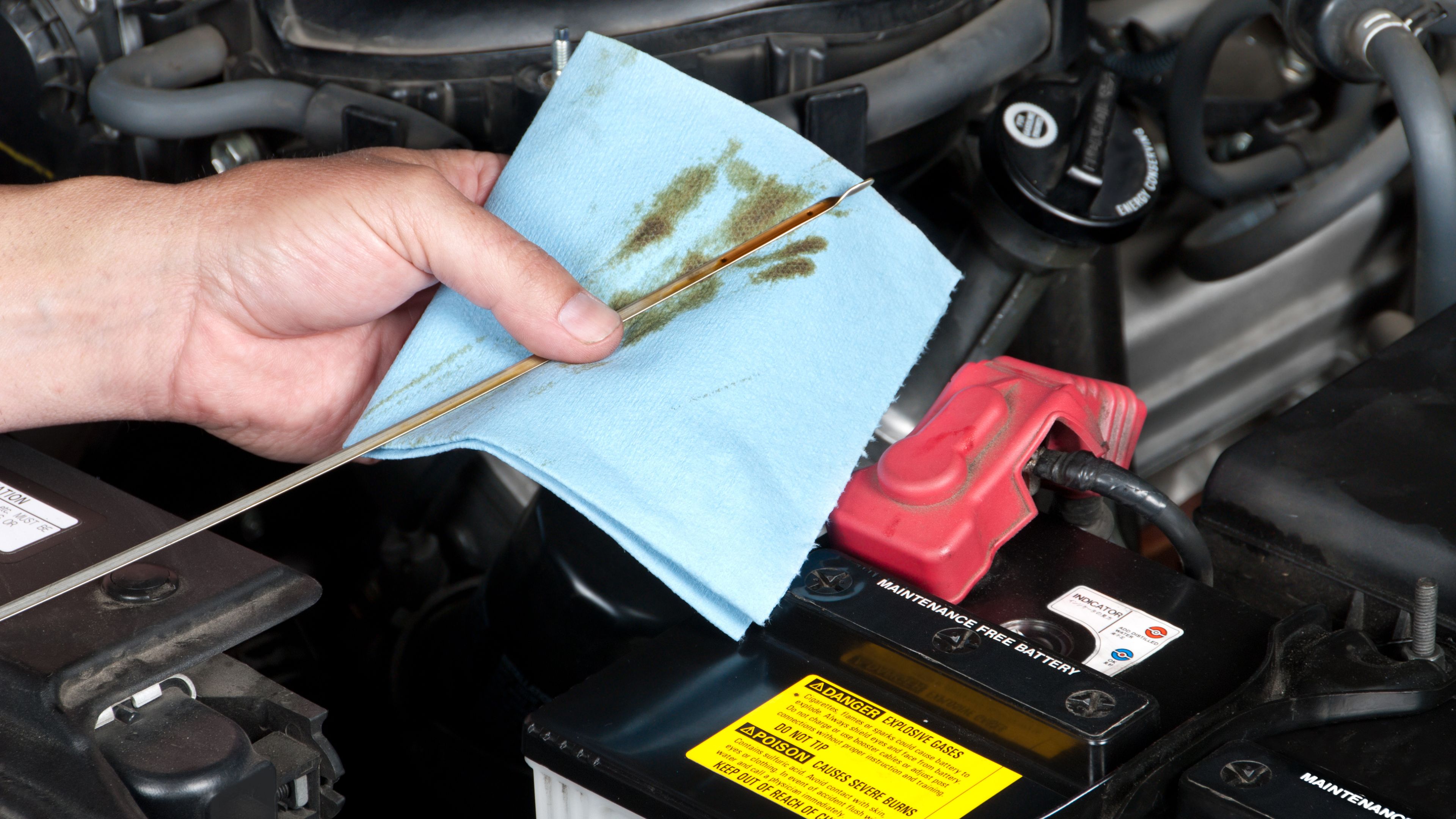
The Pros and Cons of a Do-It-Yourself Oil Change
Do the perks of a do-it-yourself oil change outweigh the potential pitfalls? To answer that question, consider the pros and cons of changing your own oil with this Hertz guide.

Buying a car: are those extra features wants or needs?
Buying a car means choosing from a variety of options. From safety to sunroofs, here is a helpful list of wants vs. needs to consider when car shopping.
