


Members-only perks


02/20/2023 • 3 min
How Janet Guthrie Changed Racing History
Janet Guthrie grew up seeking danger and adventure. After a failed bid to become an astronaut in 1964, Iowa-born Guthrie changed racing history by entering the world of motorsports.
Her adventurous parents were Janet’s inspiration, both of whom were pilots. This, and her inquisitive nature inspired her to enter the world of racing after learning to fly planes by the age of 16. She went on to earn a bachelor's degree in physics at the University of Michigan, which led to a job in engineering after graduation. Guthrie loved her work on Project Apollo at Republic Aviation, but she still craved something a little more exhilarating. It wasn't long before she landed in the driver's seat at some of America's biggest auto races.
The Start of a Racing Legend
Despite anger and disapproval from other competitors and even race aficionados, Guthrie made a name for herself as the first female to compete in the Indianapolis 500, the Daytona 500, and a NASCAR Winston Cup stock car race. Her entry into the sport paved the way for today's female racing phenoms, including Danica Patrick, Shawna Robinson and Pippa Mann.
What Guthrie was missing in support, she made up for in grit and tenacity. Lacking the funding, sponsorships and crew afforded to her male counterparts, she doubled down and did the work herself. This included building her own engines and towing her own race car — a Jaguar XK 140. To save money, she slept in her car at night between races and freshened up onsite each morning.
Recognition at Last
Guthrie raced on her own for more than ten years before capturing the interest of team owner Rolla Vollstedt. Oregon-based Vollstedt wanted to be the one to bring the first woman driver to the Indy 500, and Guthrie's talent was hard to ignore. Backed by Vollstedt, Guthrie qualified for the race and competed in 1977. Despite the continued protests and disparaging remarks about "a woman's place" not being on the racetrack, she cemented herself as a solid racer.
Bolstered by her engineering background and years spent building her engines, Guthrie proved herself to her crew and team. She went on to finish ninth in the 1978 Indy 500 — the highest rank ever achieved by a female driver. That record lasted for almost 30 years before Danica Patrick's fourth-place finish at the race in 2005.
Guthrie experienced her highest career finish in 1977 at Bristol Motor Speedway, when she placed sixth. Not long after, she had to go into early retirement due to a lack of sponsorship funds.

Despite her short career, Guthrie's contributions to the racing field didn't go unnoticed. In 1980, she was invited into the International Women's Sports Hall of Fame. It took until 2006 to claim her rightful spot in the International Motorsports Hall of Fame. She ultimately earned that well-deserved honor as well.
"If your desire is strong enough, anything is doable" Guthrie once said. She proved it as an impressive pioneer in motorsports, paving the way for improved equality during her racing tenure.
Snapshot of accomplishments
Take a brief look at Guthrie’s stunning career achievements below.
- First female to take part in the Indy 500.
- First female to take part in the Daytona 500.
- First female lap leader in NASCAR Winston Cup Series.
- International Women's Sports Hall of Fame (1980)
- International Motorsports Hall of Fame (2006)
- Automotive Hall of Fame (2019)
- Five top 10 finishes
If you find Janet Guthrie's story inspirational, share your thoughts with us on Facebook.
Related Articles
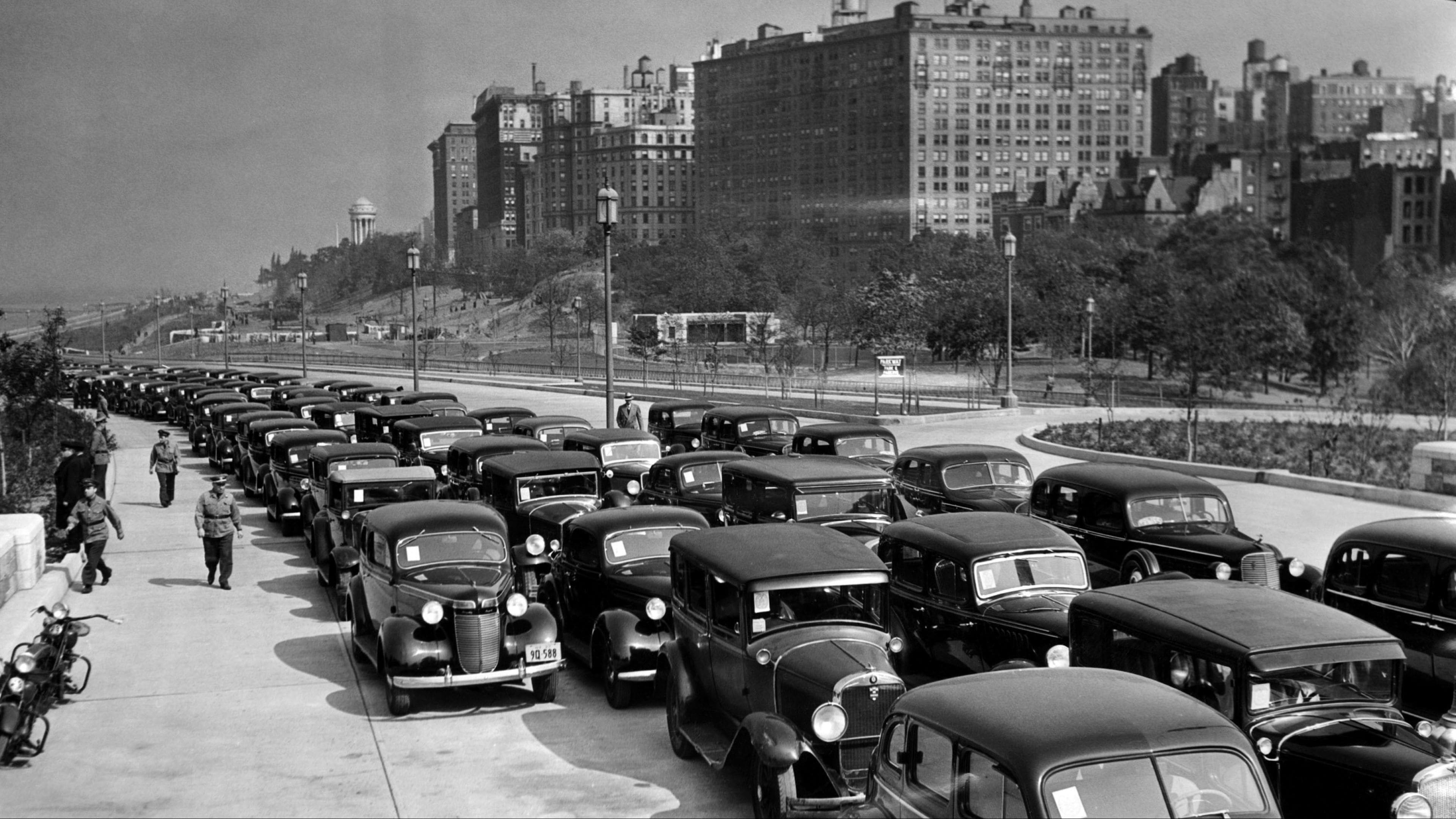
Life During Wartime: How World War II Changed the Auto Industry
In the 1940s, the future of the automotive industry looked bright. Following dramatic innovations in mechanics and body design, discover why the cars were artistic and luxurious.
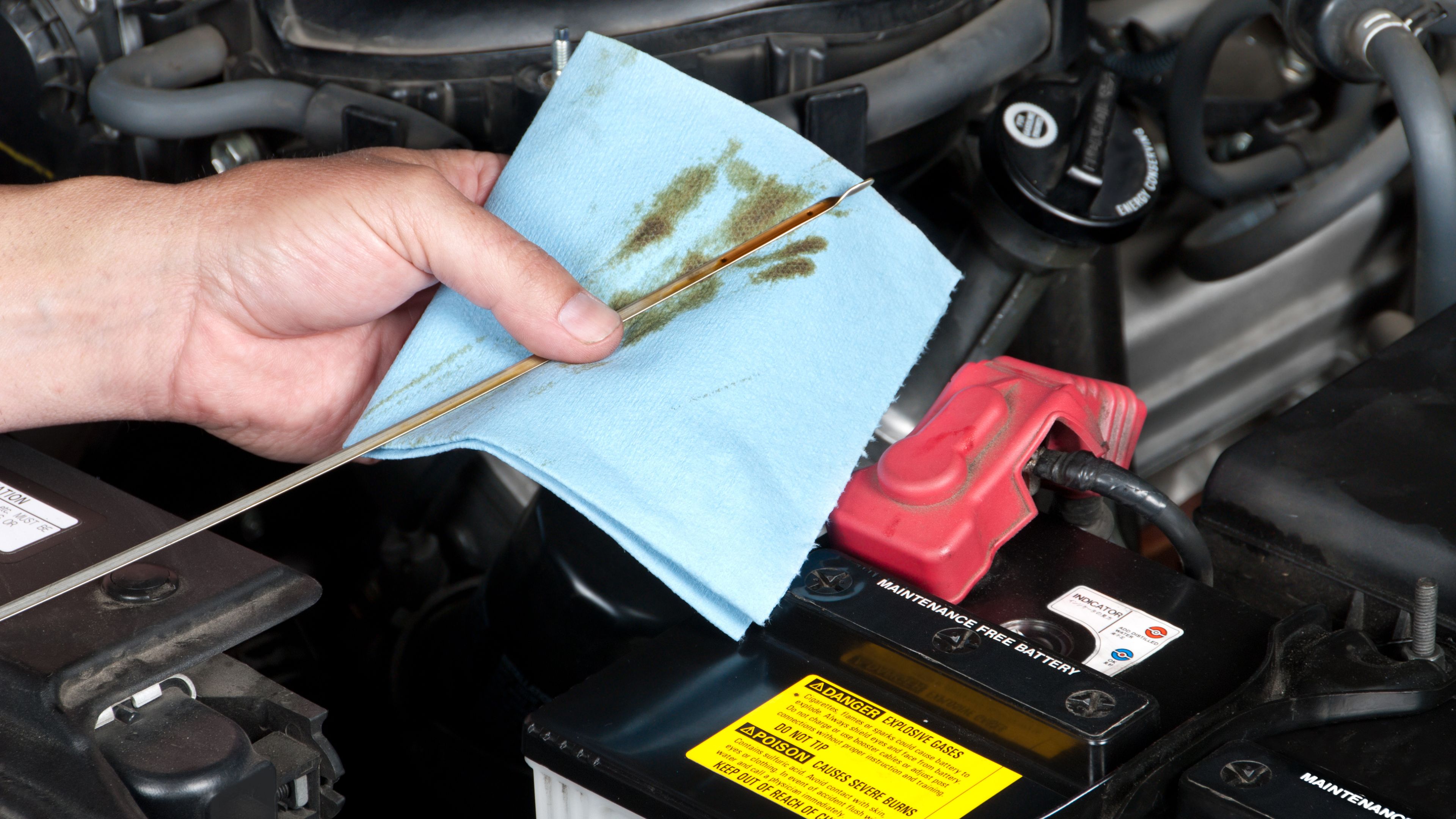
The Pros and Cons of a Do-It-Yourself Oil Change
Do the perks of a do-it-yourself oil change outweigh the potential pitfalls? To answer that question, consider the pros and cons of changing your own oil with this Hertz guide.

Buying a car: are those extra features wants or needs?
Buying a car means choosing from a variety of options. From safety to sunroofs, here is a helpful list of wants vs. needs to consider when car shopping.
