


Members-only perks


06/16/2022 • 4 min
How Driverless Vehicles Could Reduce Traffic
As technology advances, we are edging closer to driverless vehicles. With benefits such as reduced traffic, explore the fascinating phenomena with Hertz.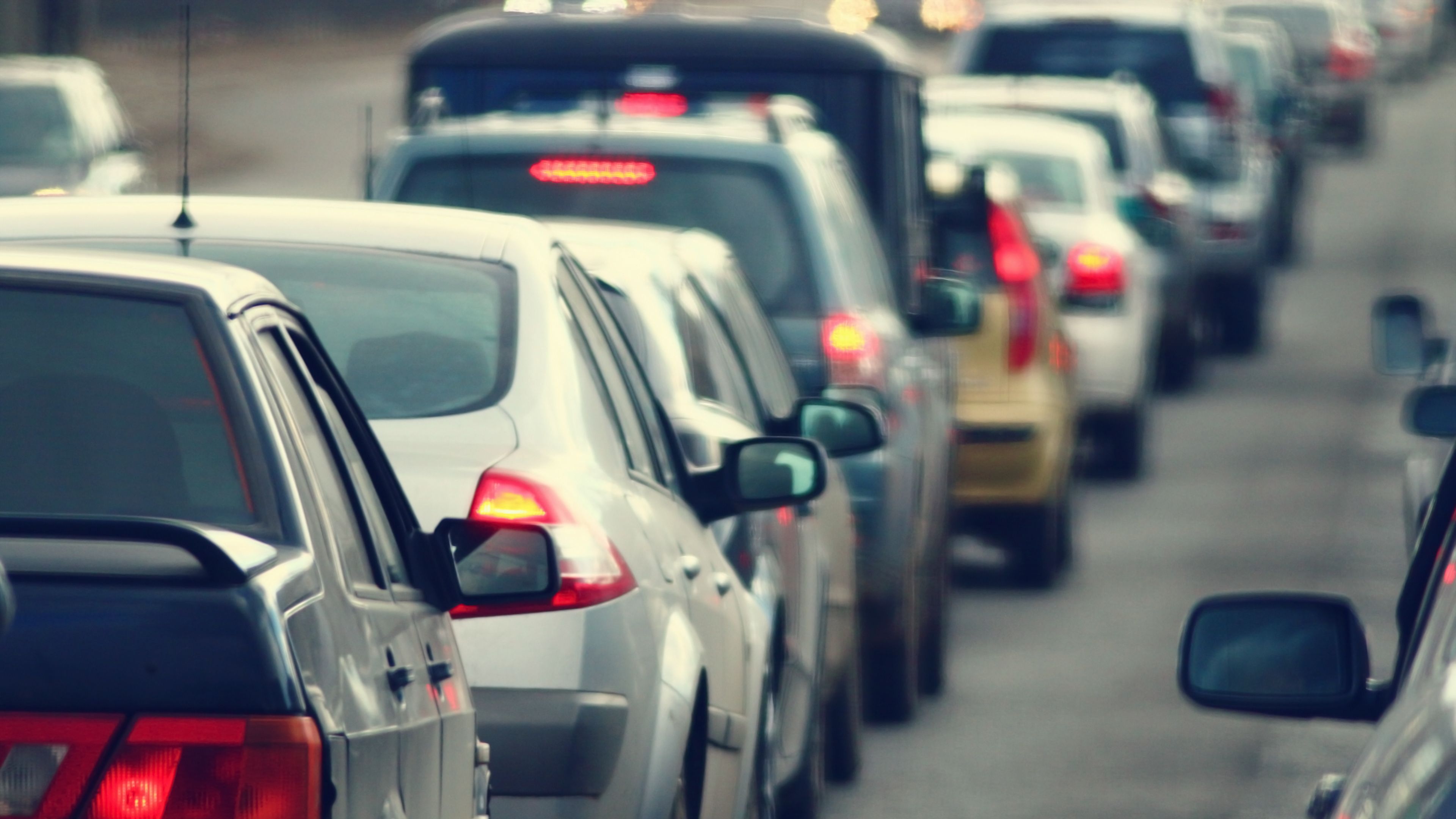
With the latest advances in technology, new cars offer far more than the ability to get from point A to point B. Although the world may still be many years away from a truly driverless car, vehicles are becoming increasingly more autonomous. This makes driving less of a hassle and reduces the likelihood of human error behind the wheel.
One of the biggest advantages that an autonomous vehicle offers is the ability to cut down on traffic. Take a look at how the technology of the future may make today's traffic jams obsolete.
Vehicle-to-Vehicle Communications
Cars are becoming more advanced, which is apparent through technology such as vehicle-to-vehicle communications (V2V). V2V allows vehicles to share information with each other and communicate over things like road conditions, traffic flow, speed and direction.
This technology also allows a car to sense if another vehicle is drifting into its lane. For now, sensors might only sound a warning alarm that requires the driver's attention. But in the future, a car might take over the braking or steering when sensing a possible collision.
The U.S. Department of Transportation believes that successful V2V integration in vehicles could prevent hundreds of thousands of crashes every year. In fact, they anticipate that this technology could cut or reduce the severity of up to 80 percent of non-impaired crashes. By reducing the accident rate by such a large percentage, drivers can enjoy more predictable traffic patterns.
Platooning
Another futuristic feature of autonomous vehicles is platooning. This is when vehicles travel close together to keep traffic moving and reduce congestion. Additionally, because these vehicles travel close together without the risk of crashing, more cars can fit on the road.
Adaptive Cruise Control
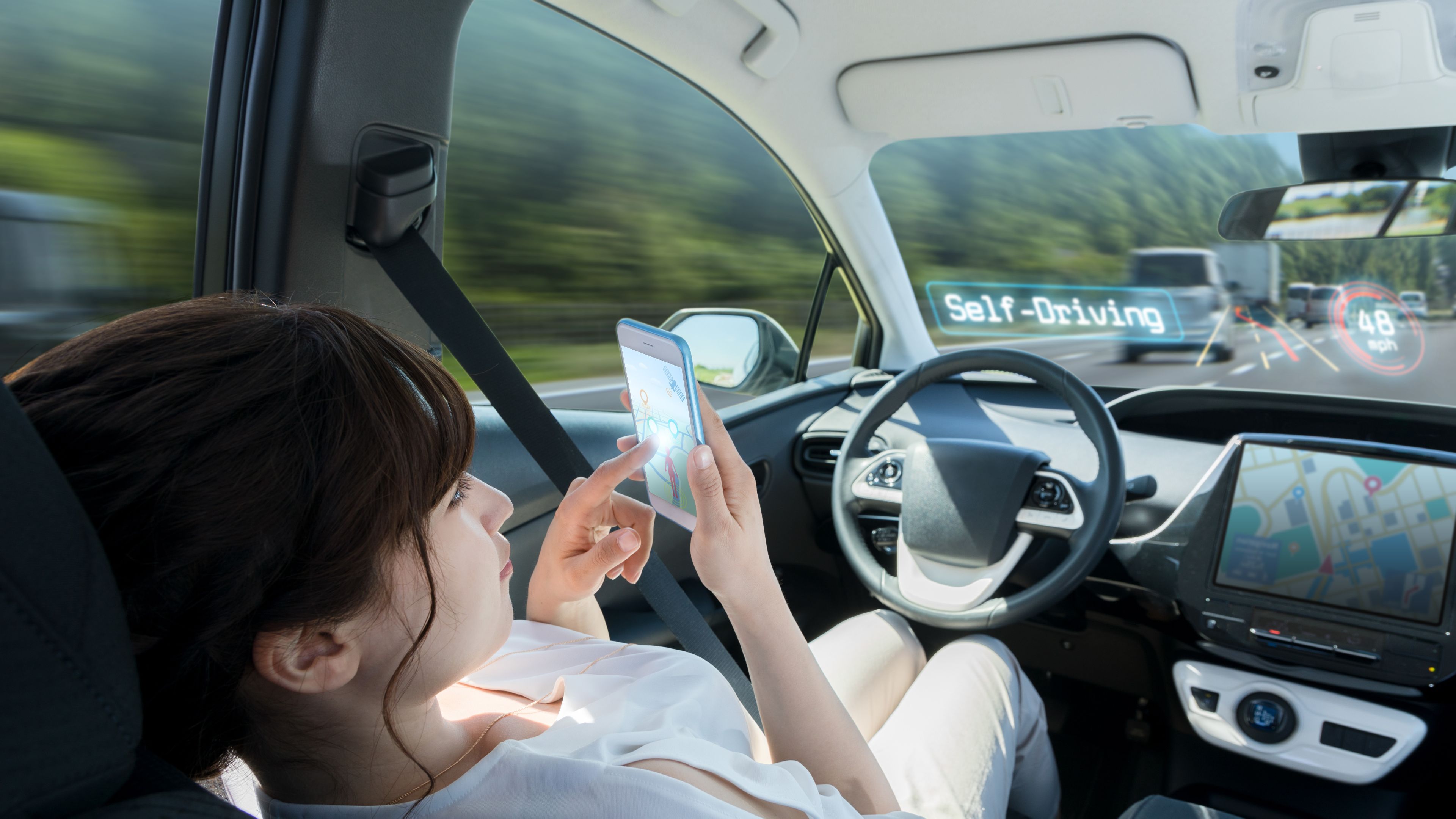
With adaptive cruise control (ACC), cars are now able to sense the flow of traffic and adjust their speed accordingly, without any integration from the drive.
ACC works by using radars or lasers to determine the speed of surrounding vehicles. It then modifies the cruise control accordingly, slowing down or speeding up to go with the flow of traffic. If most vehicles utilized this technology, it would help keep traffic flowing at an even speed and reduce some of the traffic backup that occurs when cars hit the brakes.
Intuitive Automotive Assistant
Intuitive Automotive Assistant offers drivers information on traffic conditions and even suggests alternate routes to avoid slowdowns. It’s often found in the infotainment system of the vehicle, along with other features such as entertainment software.
With more drivers knowing ahead of time which routes are most efficient, traffic becomes less congested. Upcoming advancements in technology may even be able to predict future traffic, meaning you would know before leaving the house if there’s traffic along your route.
Hands-free steering
Hands-free steering uses sensors to control the steering. The function serves to delegate driving tasks to the vehicle, freeing up the drivers’ efforts so that they can enjoy the driving experience.
It sounds good, but, in reality, there’s plenty of testing needed for this technology. We also have a long way to go in terms of having a fully automated vehicle including overcoming the obvious challenges when it comes to safety. Whatever the situation may be, the growth potential in this area is huge and it’s worth keeping an eye on this for the future.
With car technology continuing to advance, it's a challenge to keep up with the trends. Follow us on Facebook to learn more about the latest vehicle technologies that could change the way you drive.
Related Articles
Life During Wartime: How World War II Changed the Auto Industry
In the 1940s, the future of the automotive industry looked bright. Following dramatic innovations in mechanics and body design, discover why the cars were artistic and luxurious.
The Pros and Cons of a Do-It-Yourself Oil Change
Do the perks of a do-it-yourself oil change outweigh the potential pitfalls? To answer that question, consider the pros and cons of changing your own oil with this Hertz guide.

Buying a car: are those extra features wants or needs?
Buying a car means choosing from a variety of options. From safety to sunroofs, here is a helpful list of wants vs. needs to consider when car shopping.
