


Members-only perks


06/17/2022 • 5 min
Driving the Dream: A Guide to Finding and Buying a Rare Car
Visiting car shows and car clubs, and doing a lot of research, are just a few ways you can find a rare car. Follow these tips to ensure your dream car is the real deal.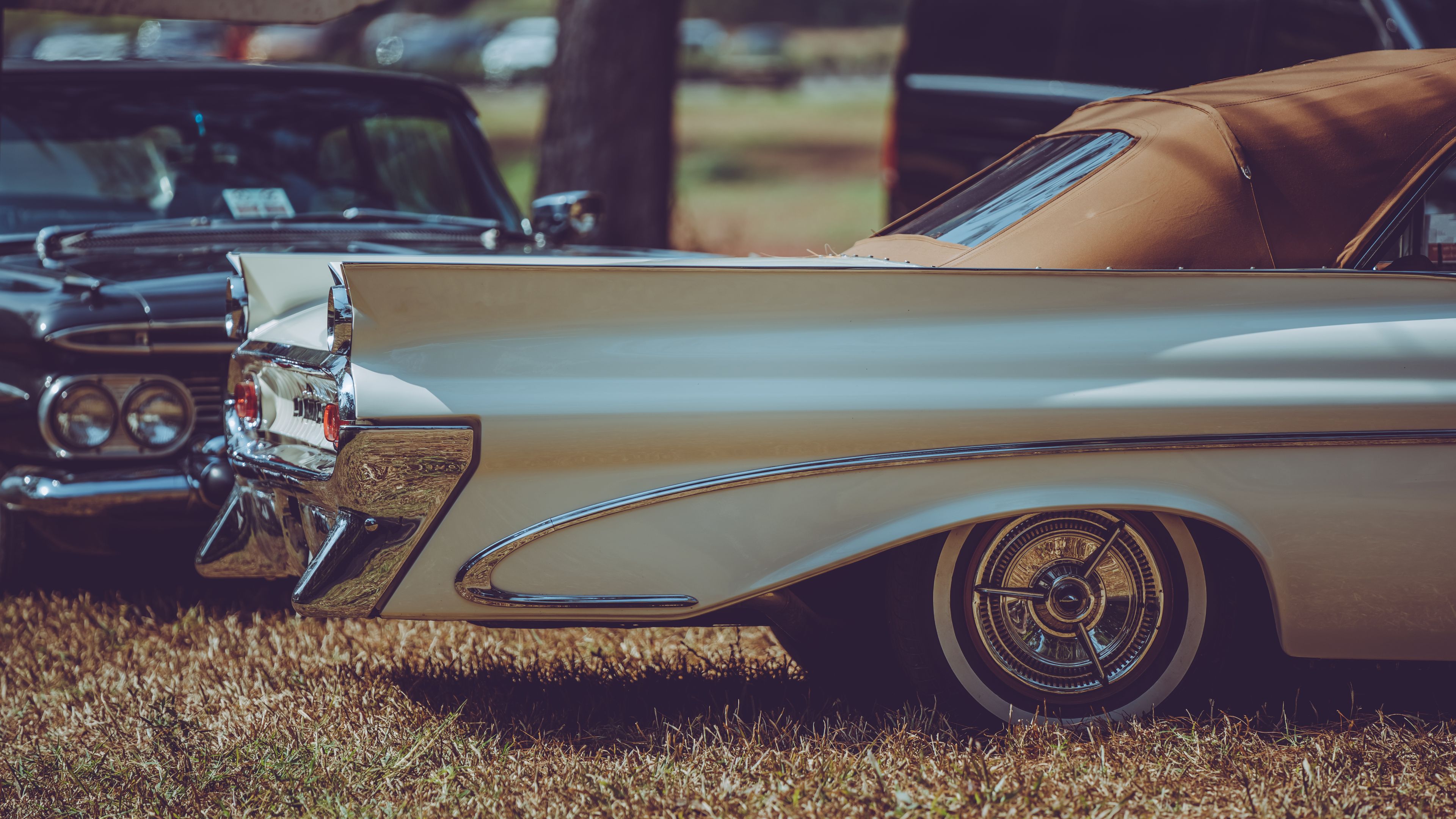
Driving the Dream: A Guide to Finding and Buying a Rare Car
Whether you're a casual or serious automobile enthusiast, driving the rare car of your dreams is the ultimate thrill. But finding and buying a classic car is a challenge for even the most experienced collectors. Stumbling across a precious rarity gathering dust in a local barn may happen on "reality" TV, but it's a scenario that rarely transpires in real life.
Patience and perseverance are two traits you need to possess when it comes to searching for your dream automobile. After all, a vehicle is rare for a reason, and that makes finding and buying an uncommon make and model a chaendeavorendeavour.
Defining "Rare"
Personal taste often dictates demand for these vehicles more than actual collectability. Rare cars can be classics, but not all classic cars are rare.
"Rarity is defined in cars as in anything else. There are not many of them," says Bill Sampson, President of the National Woodie Club, an organization for owners of rare and classic cars with wood-paneled exteriors. "'Classic' refers to design beauty, which, of course, lies in the eye of the beholder."
In general, several circumstances can lead to a car's rarity:
- A unique feature not found on other makes or models, such as gull-wing doors
- Limited production of a particular model
- An older make and model with a dwindling number of vehicles still intact
- Special factory modifications not found on other models, such as a one-of-a-kind exterior color or trim
- A famous history, such as an appearance in a film or a VIP ex-owner
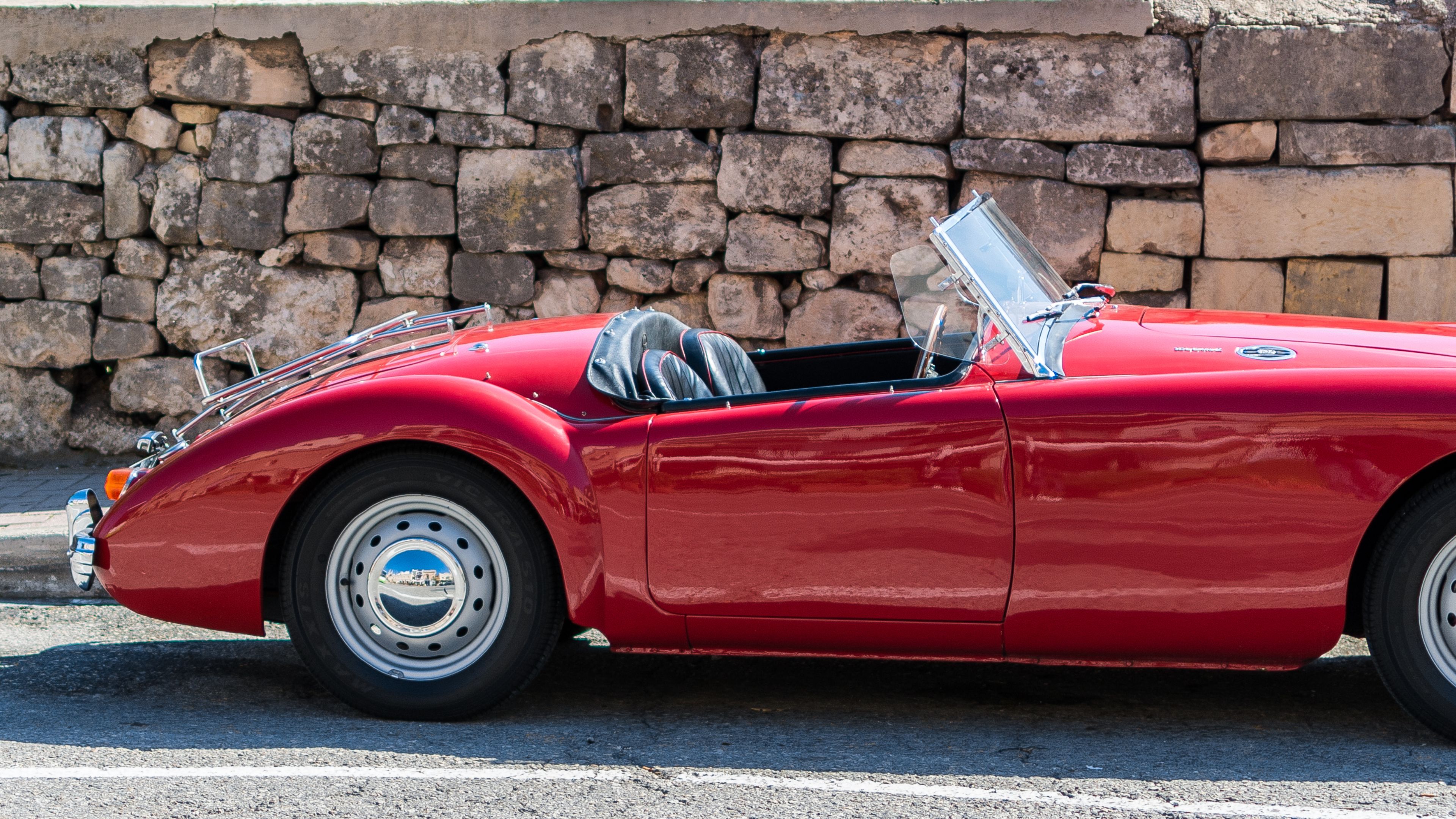
Finding Your Dream Car
The first step in finding a rare car is learning exactly what the manufacturer produced. You can't find your dream car if it doesn't actually exist because you’ve got some key details wrong. Even automotive experts and collectors do their homework to make sure they nail the details. "There are undoubtedly a lot of rare and classic cars out there" says Sampson.
Several magazines, books, and websites provide expert information on rare and classic cars, including up-to-date details on specific models, buying opportunities, and the rare car market in general. Read as much as you can to learn about a specific rare model you know you want, or to broaden the scope of vehicles on your wish list.
"Explore, explore, explore!" says Nicolas Zart, a rare and classic car authority. To find a rare car, Zart and other experts recommend attending car shows to talk with rare car owners and enthusiasts. "If you develop a taste for a rare car and communicate it," he says, "then you'll become known for that." This networking could lead to someone contacting you later with information on the rare model you want.
If the car you want is a popular rare model, it probably has at least one car club out there.
Search online for the right club for you and gain access to online forums. There, you can find out more about your rare car. You might also get talking to rare car owners and enthusiasts. Clubs can be great sources for finding specific models and may be able to tell you how to find reputable dealers, private owners, auctions, and car shows. "Word of mouth is the best," says Sampson. "The best cars tend to be known by those who desire them already."
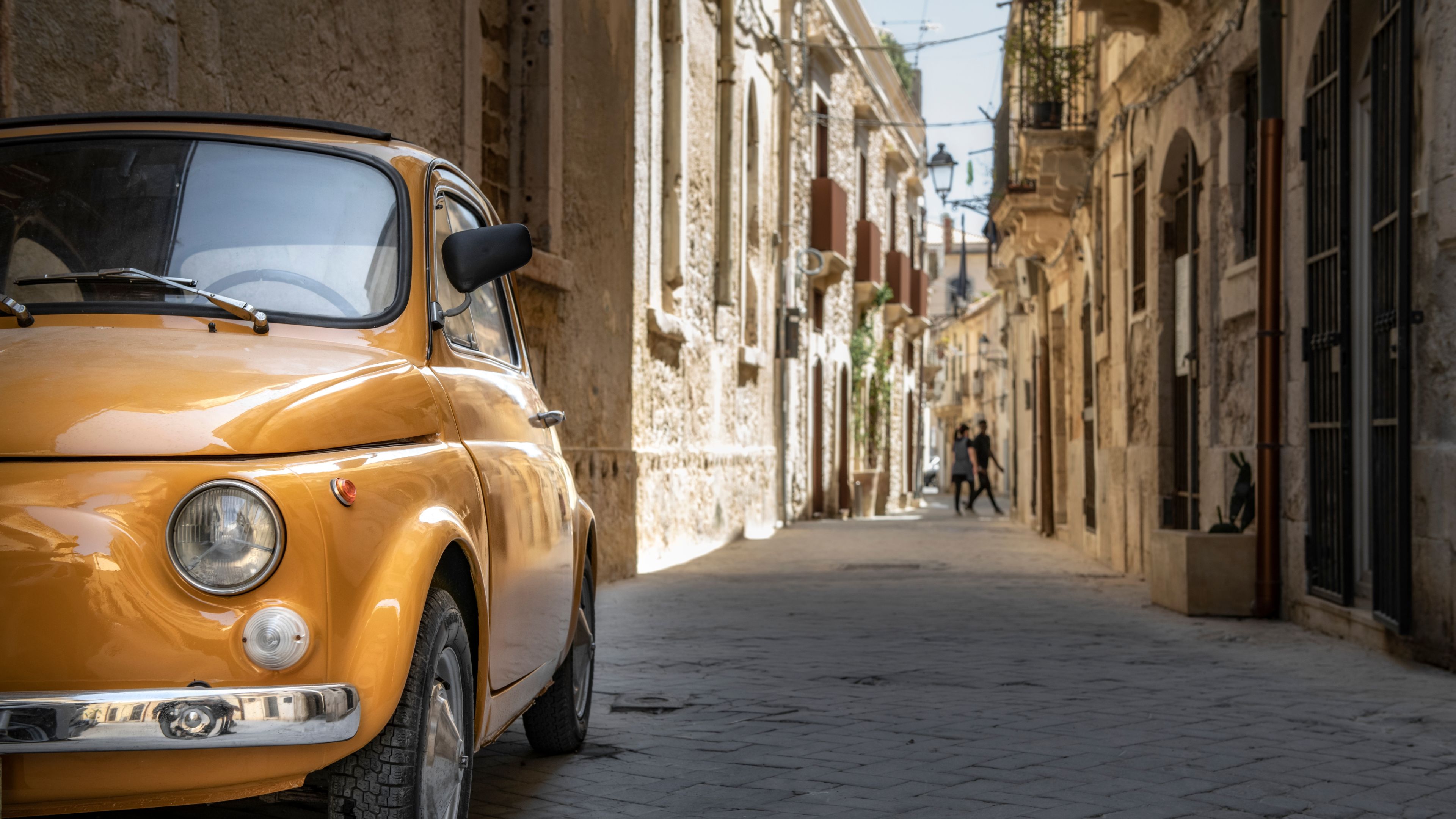
Making the Purchase
If possible, take a mechanic or expert with you to examine a rare car you’ve found for sale. As with any vehicle, check the integrity of the body for signs of rust and test the engine for mechanical issues. Talk to fellow car owners in advance, so you know what to watch out for during a test drive.
For rare cars, you're paying for more than just transportation, and originality is important if collectible value matters to you. If major parts have been replaced, such as the engine, transmission, or rear axle, it lowers the value of the car in the eyes of many collectors. The serial number stamped on the engine should match the vehicle's VIN number. The ideal scenario would be to find a car with a complete history, including receipts for services, repairs, and parts. If the car has been restored, ask for a detailed log of the restoration project with photos.
Prices vary widely for rare cars, and Blue Book value may not exist or be irrelevant. Ask owners on car club forums or check specialty car sites, such as Hemmings Motor News, to get a feel for current prices for the brand, model, and year, and don't be afraid to negotiate. When making an offer, factor in repairs the car may need as well as projected future maintenance costs. You should also make sure the car doesn't have any existing lines or undisclosed co-owners before handing over any cash.
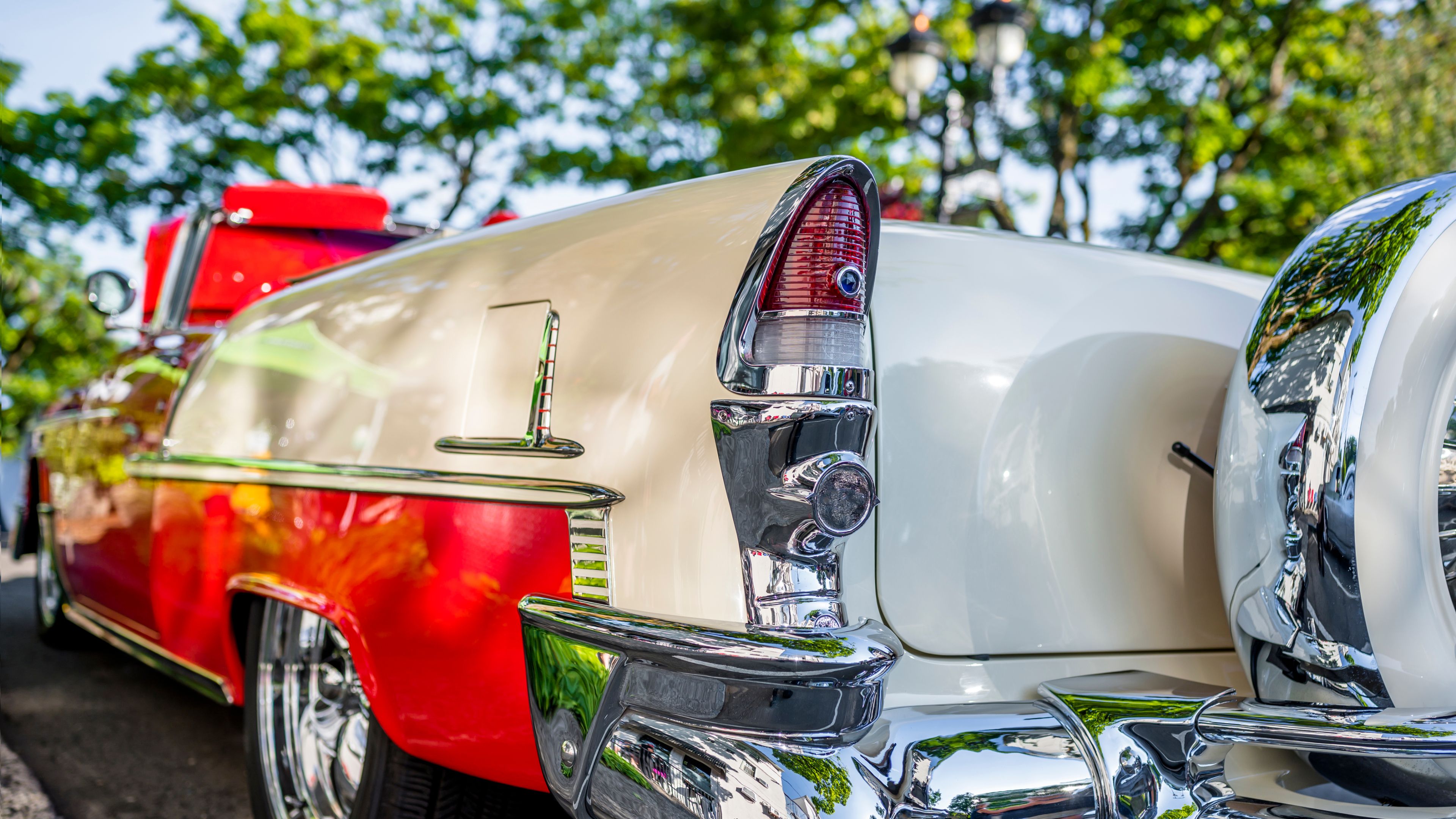
After finding and buying your dream car, there's only one thing left to do — enjoy the drive! If your new ride is photogenic, show off its best angles on our Instagram page.
Related Articles
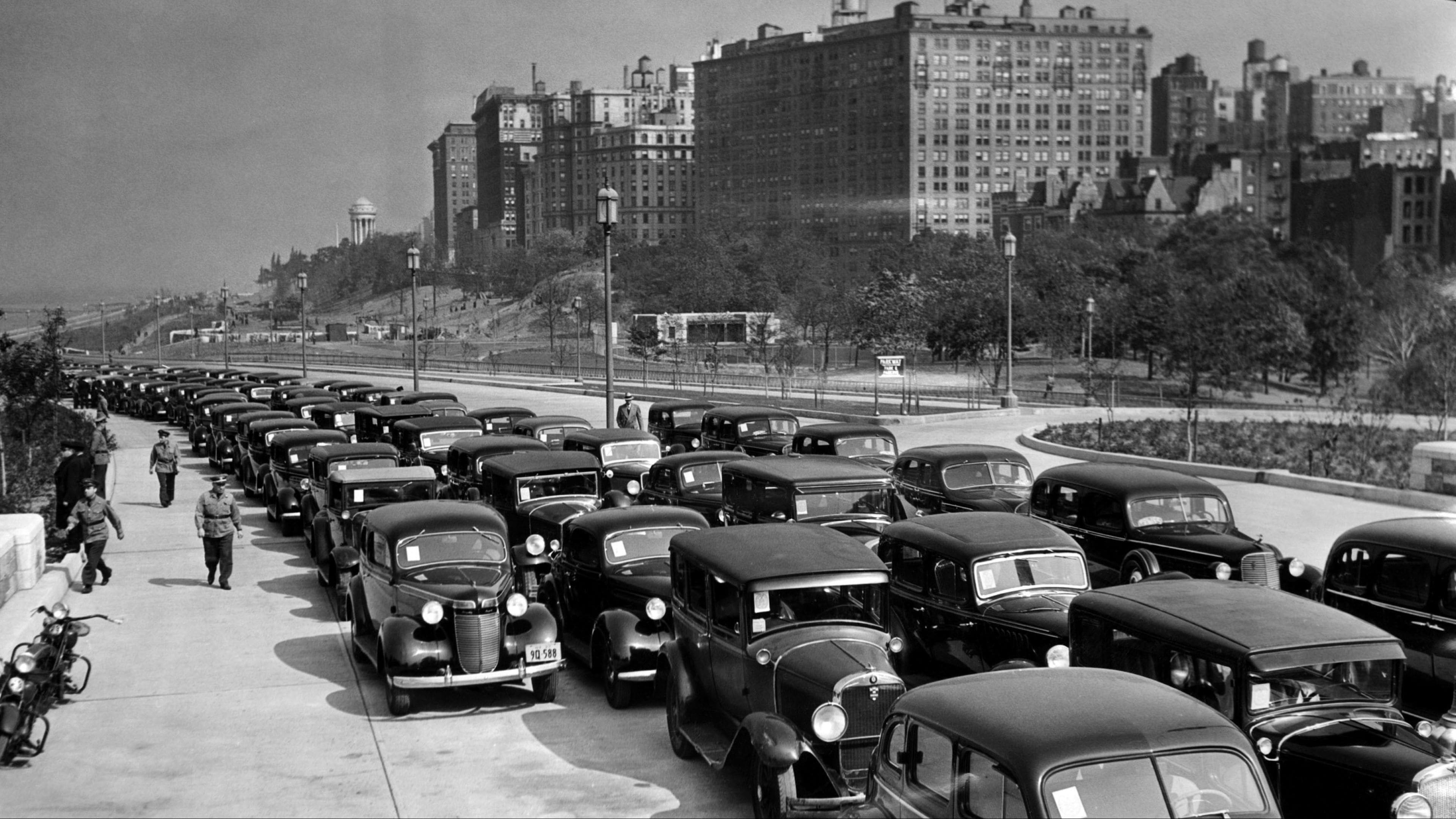
Life During Wartime: How World War II Changed the Auto Industry
In the 1940s, the future of the automotive industry looked bright. Following dramatic innovations in mechanics and body design, discover why the cars were artistic and luxurious.
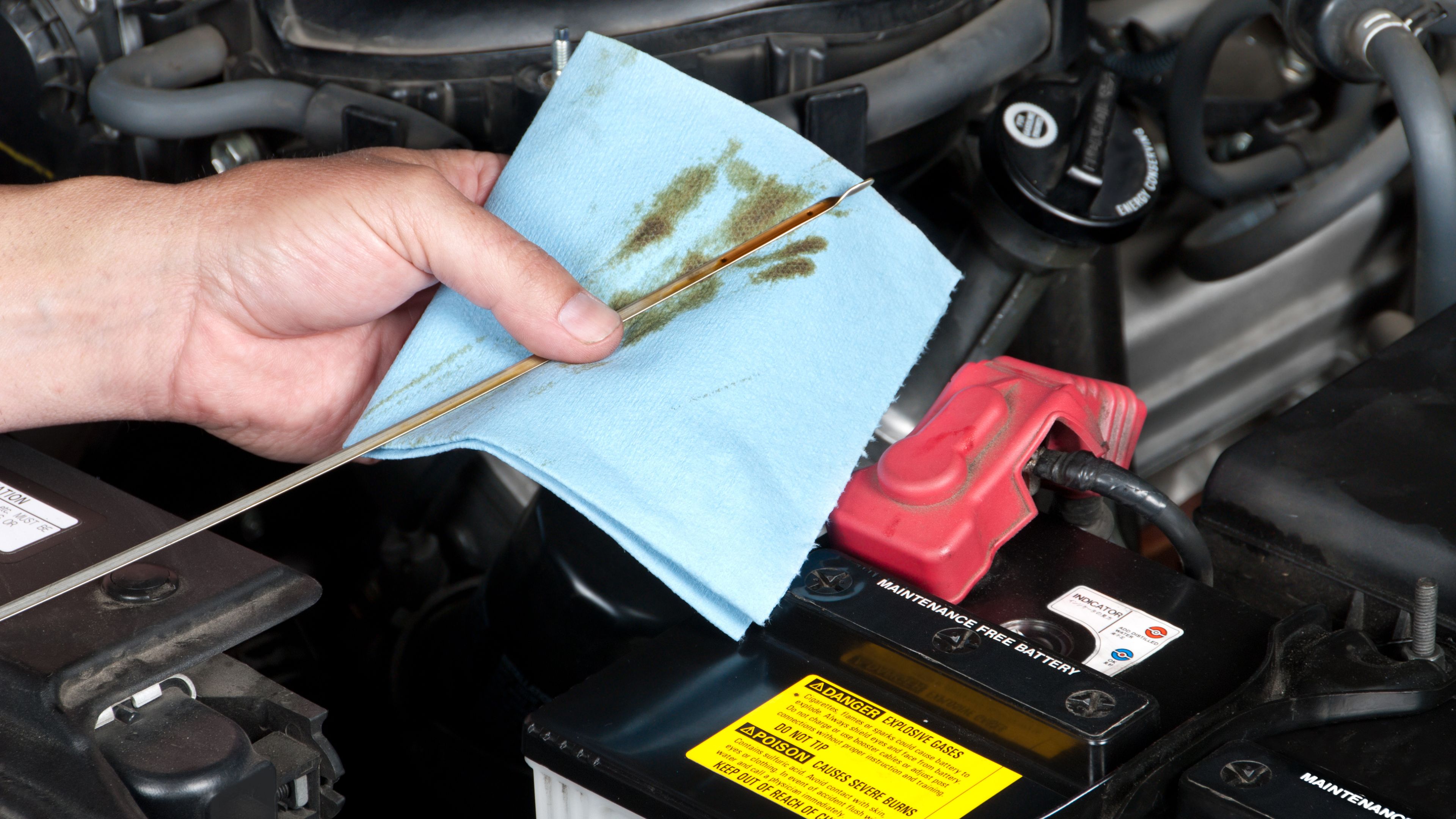
The Pros and Cons of a Do-It-Yourself Oil Change
Do the perks of a do-it-yourself oil change outweigh the potential pitfalls? To answer that question, consider the pros and cons of changing your own oil with this Hertz guide.

Buying a car: are those extra features wants or needs?
Buying a car means choosing from a variety of options. From safety to sunroofs, here is a helpful list of wants vs. needs to consider when car shopping.
