


Members-only perks


08/05/2024 • 6 Mins
Three Perfect Days in Lyon
Spend any amount of time in Lyon, and you’ll quickly discover a ripe metropolis with cultural treasures, world-class gastronomy, artistic pedigree, and a history that spans centuries back to Roman times.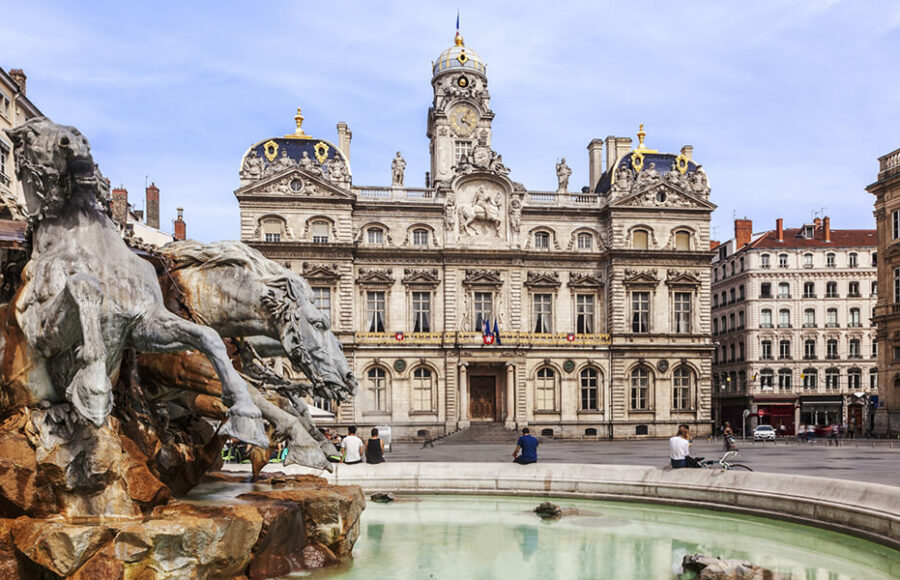
But, where does one start? With 72 hours on the clock, make the most out of your city break with this three-day itinerary, covering the best of what to see, where to eat, and what to do in wonderful Lyon.
Day One: History, Stunning Skylines, and Roman Ruins
One of the best ways to get to know a city is to explore its history. Thankfully, Lyon’s story of the past is fascinating. Its unique character and heritage have been preserved through the ages, so start your first morning with a stroll around the city’s old town, Vieux Lyon, which is one of the largest Renaissance-era old quarters in Europe.
Between the 15th and 17th centuries, the silk industry boomed in Lyon - factories clinked and clunked into action, while lavish government buildings and extravagant homes were built for the highest echelons of society. It’s well worth exploring this area on foot to discover the city’s traboules, or secret passageways, that intertwine with the Gothic, Italian, and French architecture on display.
There are plenty of independent stores in this area where local artists display their crafts behind wood-framed windows. In between them, you’ll discover quaint cafes and patisseries where you can pick up freshly baked croissants and coffee for breakfast.
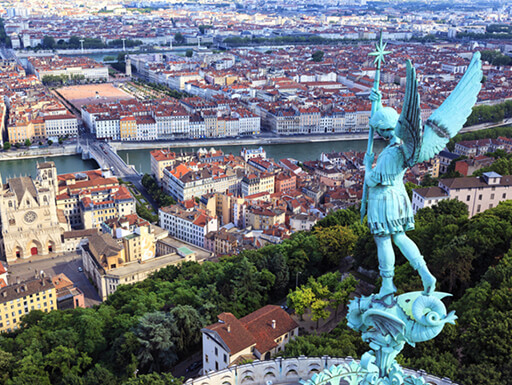
After a morning of exploring, take your historic tour into hilly Fourvière. As well as offering spectacular views across the city’s skyline, the district is also home to one of Lyon’s top attractions, the Notre Dame de Fourvière, which towers above the city.
Built in the 19th century in the dramatic Byzantine style, this basilica is spectacular both inside and out. Its exterior is grand and magnificent, with eight-sided towers and intricately carved white-stone walls. Step through the doors and you’ll have your breath taken away. It’s enormous, majestic, and extravagant with beautifully painted ceilings, lavish mosaics, and stained-glass windows.
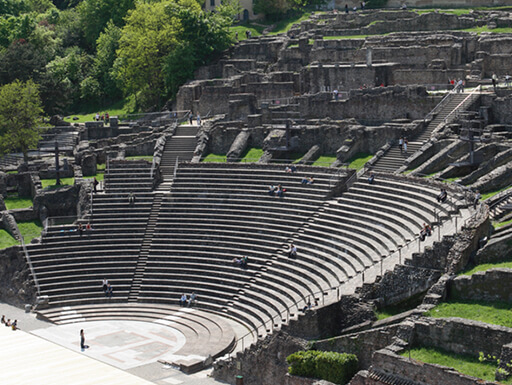
Nearby, you’ll find the two Ancient Theaters of Fourvière – the Grand and the Odeon. The oldest is the Grand, dating back to 17 BC and originally built as a gladiatorial arena. Thanks to restoration, it’s still in use today for dance, opera, and circus performances. Meanwhile, The Odeon is a younger and smaller version of the Grand that was built a century or two later.
After a full day of sightseeing, make your way back to the center of Vieux Lyon where an abundance of the city’s best restaurants await. Book a table at a Lyonnaise bouchon – the city’s traditional restaurants – where you can sample some of the finest local cuisine. Daniel et Denise is one of the best.
Day Two: Museums, Art, and Terreaux Square
Grab a patisserie treat and coffee from one of the city center cafes, such as L'Instant, and head over to the riverside for a seat overlooking the wide, yet tranquil, Rhône. It starts its course in the Swiss Alps and ends in the Mediterranean.
Once you’ve satisfied your stomach, take the opportunity to visit some of Lyon’s most impressive museums. Art fanatics should visit the Musée des Beaux Arts. It’s one of the largest galleries in Europe with collections of modern and historic artworks spread across more than 70 rooms. As if the antique artifacts, paintings, and contemporary sculptures weren’t enough of a pull on their own, the 17th-century building itself is a thing of beauty.
A short drive across town brings you to Musée des Confluences, a real anthropologic treat. With well-preserved fossils, dinosaur skeletons, and a 1,000-year-old Peruvian mummy, the museum uses fascinating interactive exhibits to examine how nature and humankind have shaped the world.
Once you’ve covered fine art and ancient history, head back into the center to discover the heritage of the city itself at the Musée de l'Imprimerie, which showcases Lyon’s role in the printing and bookmaking trade. Established in 1964, it celebrates books and graphic art, honoring the power of the printing press and journalism in communities across Europe.
After exploring the city’s exceptional museums, finish off your day at the vibrant Place des Terreaux. This elegant square is home to a number of many attractions and restaurants, with more to be found down the side streets behind the fountain. It’s worth reserving a table a day or two in advance on the Place des Terreaux, as the restaurants can soon fill up during peak times.
Day Three: Floral Displays, Fantastic Fescoes, and Wildlife
Start your final day in Lyon with some more art, but this time, stay away from the museums. The city doesn’t only have a flair for modern styles; it combines graffiti with fine art and sculpture, too. Join an art tour that will take you through the network of small passageways to see the large-scale murals and sculptures dotted around the city.
If you do it alone, start by searching for the Flower Tree sculpture, which overlooks the Rhône River near Guillotière Bridge. The tree’s bright and bold colors – not to mention its enormous flowers – make it easy to spot.
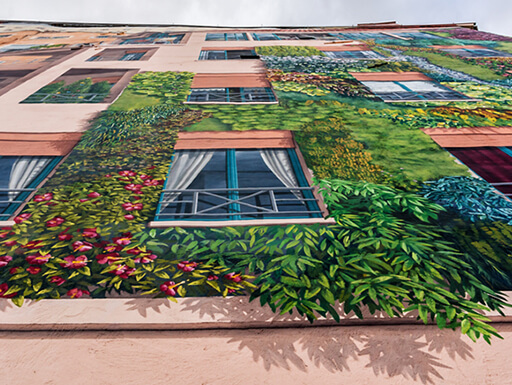
Next, continue the adventure by scouting out the CitéCréation so-called momentous murals. The art cooperative painstakingly creates enormous pieces that take over entire sides of apartment blocks. One of the group’s most famous works can be found in Croix-Rousse, called the Mur des Canuts. It spans a five-story building and looks so life-like that you could be forgiven for missing it at first.
Other pieces by CitéCréation in Lyon include the light and plant mural along Rue de l’Annonciade, which blends nature with modern infrastructure, and the otherworldly Lumière fresco in the Gerland district, which could be a still from a sci-fi blockbuster.
Elsewhere, Fresque des Lyonnais is one of the most famous murals in Lyon and emulates the character of its residents. Created between 1994 and 1995, this work of art features 30 famous figures who have shaped the history of the city, such as Joseph-Marie Jacquard, inventor of the loom, and Claude Bourgelat, the founder of the world’s first veterinary school. Can you spot Auguste and Louis Lumière – the inventors of the first motion-picture camera – standing on their balcony?
Following a busy day exploring the city’s street art, head to the market of Les Halles de Lyon Paul Bocuse to stock up on fresh produce and take your picnic to Parc de la Tête d’Or – one of the largest urban parks in France. This green haven is enormous and brimming with flora and fauna, making it the ideal place to eat and relax alfresco. Enjoy a late afternoon by the fragrant flower gardens or, if you get to the park early enough, spend time visiting the zoo.
Related Articles
10 ways successful people spend their free time
Most people are curious about the productivity hacks and workday schedules of highly successful people – but what about how they spend their free time?
Experience the Grand Canyon at night
Discover the breathtaking beauty of the Grand Canyon at night. Star-filled landscapes are the perfect setting for a memorable visit. Plan today with Hertz.

A Guide to the Best Jazz and Blues Clubs in St. Louis
Whether you’re a jazz and blues fan already or keen to learn more about both genres of music, a visit to St. Louis should be top of your to-do list with a Hertz car rental.

A road trip through Virginia’s civil war sites
With more than 2,000 significant events recorded, discover why Virginia is the ideal spot to hit the road and see some of the best historic Civil War sites.
