


Become a Hertz Gold+ member


04/03/2023 • 5 min
Driving in fog: Tips for staying safe on the road
If the roads look like a scene from a scary movie – with heavy fog and limited visibility, then it’s important to adapt your driving style to stay safe.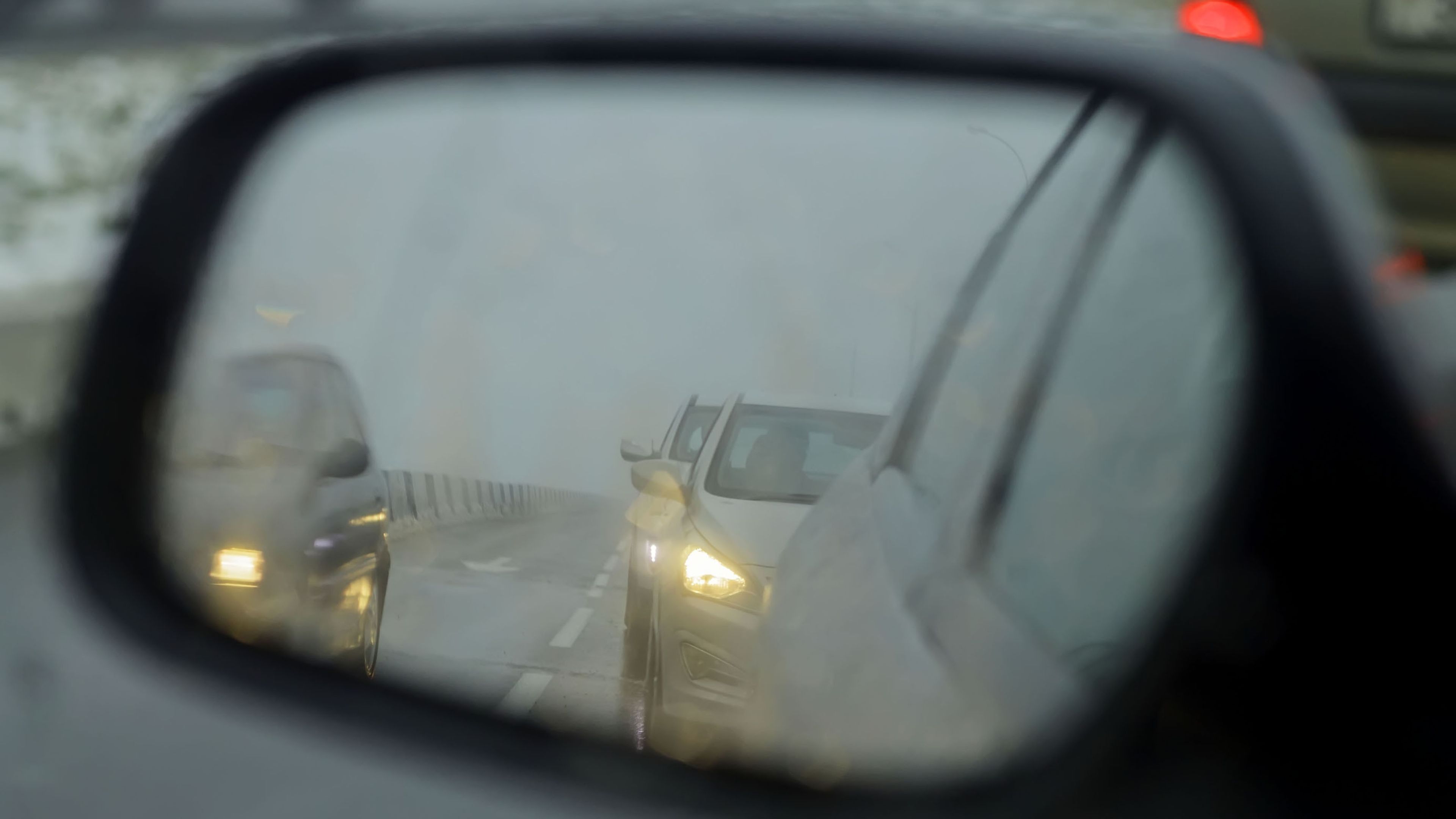
Driving in fog can be dangerous and difficult with drastically affected weather conditions. Throw in driving at night and you really need to plan your journey and drive carefully to reduce any risk of an accident.
Over 38,000 vehicle crashes occur each year in the US due to fog, as low visibility increases the risk of colliding with another car. But there are plenty of good driving tips to help you stay safe – read on to discover these.
Tips for driving in fog
Follow these tips to stay safe when out on the road in foggy conditions:
Follow these tips to stay safe when out on the road in foggy conditions:
- Reduce your speed – When driving in fog, it’s important you slow down considerably to distance yourself from other cars and give yourself plenty of time to brake and come to a stop.
- Limit distractions – Put away your cell phone, enjoy that drive-thru drink when you get to your destination, and lower your music to ensure your focus is solely on the road ahead.
- Leave plenty of room between your car and the one in front – If you need to brake quickly, you’ll be able to without the risk of rear-ending them.
- Pull over if visibility makes driving unsafe – It’s best to safely pull over, stop and call for help if the fog thickens and you can’t see clearly. Pull over as far away from the road as possible and wait for the fog to clear until it’s safe to drive again.
- Signal as much as possible – Make other drivers aware of your intentions at all times and use that blinker at every opportunity.
- Stay in your lane – Watch the lines of the road as much as you can and ensure you aren’t drifting into the next lane. Avoid changing lanes or passing other cars where possible when driving in fog.
- Check your speedometer regularly – When driving in foggy conditions, it can feel like you’re going much slower than you are. Check that you aren’t going over the speed limit.
- De-mist your windows – Keep your windows clear of condensation as you drive by using the car heater to de-mist the windscreen.
- Steer clear of highways, if you can – They might be the fastest route but when you’re driving in fog, speed is not your friend. Stick to slower roads where you can take your time and leave a little earlier.
- Avoid driving altogether if you can – We know, sometimes you must get to that urgent appointment or work meeting but if you can avoid driving in fog, we highly recommend doing so. It’s dangerous weather to venture out in, with thicker patches catching out even the most experienced drivers. Stay at home or wait until it clears a little before you drive.
- Check when it’s going to be foggy so you can plan ahead – If you’re based in the likes of Cape Disappointment, Washington then grey days are common with around 106 foggy days a year! San Francisco is another fog hotspot, with foggy days occurring during the summer months as well as the cooler seasons. If you’re based closer to the coast, you’re also more likely to see fog and mist that comes in from the sea and settles on land. Check the weather forecast so that you’re prepared.
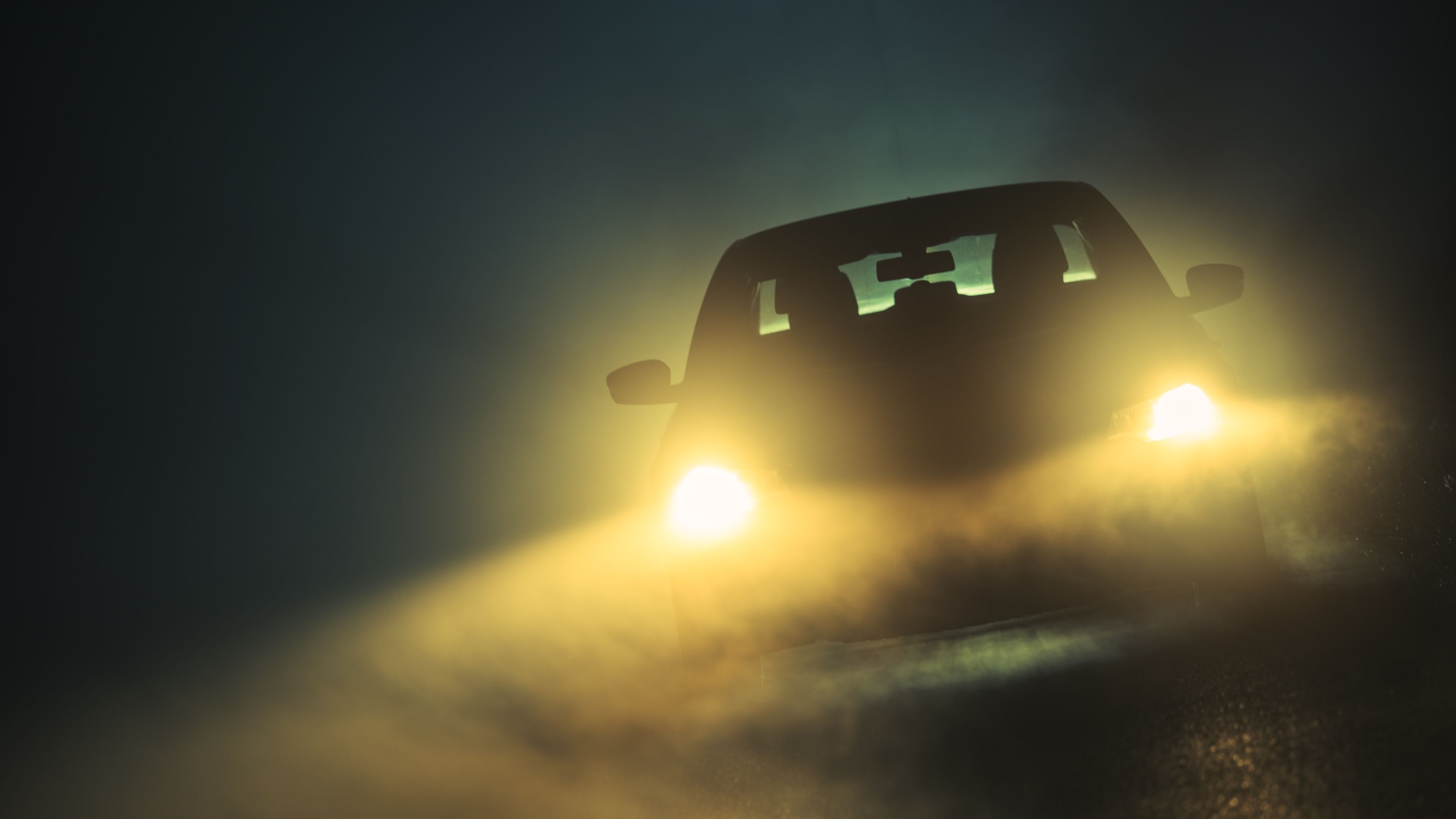
- Use your fog lights – And last but definitely by no means least, use your fog lights if you have them on your car. These downward-angled lights cut through the gloom to highlight the road in front of you, so you can see where you’re going, and other drivers can see you coming.

When to use fog lights
Only use your fog lights when you cannot see the road clearly – and bear in mind that every state has its own laws around using these lights. It’s a good idea to check the law in the state you’re driving in before turning yours on.
Fog, heavy rain and snow are the main weather conditions that would require fog lights. It’s important not to use fog lights when visibility is good, especially at night, as your lights can dazzle other drivers.
Don’t confuse your fog lights for your high-beam headlights that are typically turned on by pushing your light paddle forward. In low visibility conditions, the high beam can actually make it harder to see the road ahead, as the light reflects off whatever is reducing your visibility.
Front fog lights are also angled downwards, to reduce the risk of blinding other drivers and cars that feature them typically have them on the front and back.
How to check if your car has fog lights
Wondering if your car has fog lights?
Look at the hood of your car – you’ll see your main headlights and then further down usually in line with your license plate, there may be some smaller lights. These are your fog lights.
You can also check your light display for a symbol that looks like a headlight with three straight lines and a wiggly slash through them.
Not every vehicle has them fitted and many cars don’t feature rear fog lights, only front ones. Some cars have separate rear and front fog lights that you’ll need to turn on separately.
How to use fog lights
First, dig out that car manual from the glove box and have a look through it, there should be a section dedicated to lights and what all those symbols mean on the dashboard. Take some time to practice turning your fog lights on and off before you leave home, so you feel confident using them.
Some cars have a dial setting that you turn to switch on your fog lights, while others may require you to turn the collar on your light paddle behind the steering wheel.
Summary
It pays to be a cautious and considerate road user when driving in fog to stay safe and protect others. Follow our driving tips when you next head out, whether you’re planning a winter road trip or just need to rent a car while yours is in the shop. At Hertz safety is our number one priority and our cars are always of the highest standard.
Related Articles
Renting a Car for Someone Else With Hertz
Rent a car on behalf of someone else with Hertz. Learn more about how the process works, additional driver fees and how to add drivers to your agreement.

Call of the Wild: Best American Wildlife Vacations
Enjoy the best that the American wildlife has to offer. A safari experience close to home, see big cats and jungle animals with your Hertz Car Hire today.

How to Pay for Your Car Rental
When it comes to renting a vehicle from Hertz, it's important to know what the accepted payment methods are and if there are any significant differences between them. This knowledge can make your rental experience smoother and get you on the road faster.
