


01/09/2023 • 8 min
How to charge an electric car
Learn everything you need to know about charging your electric car.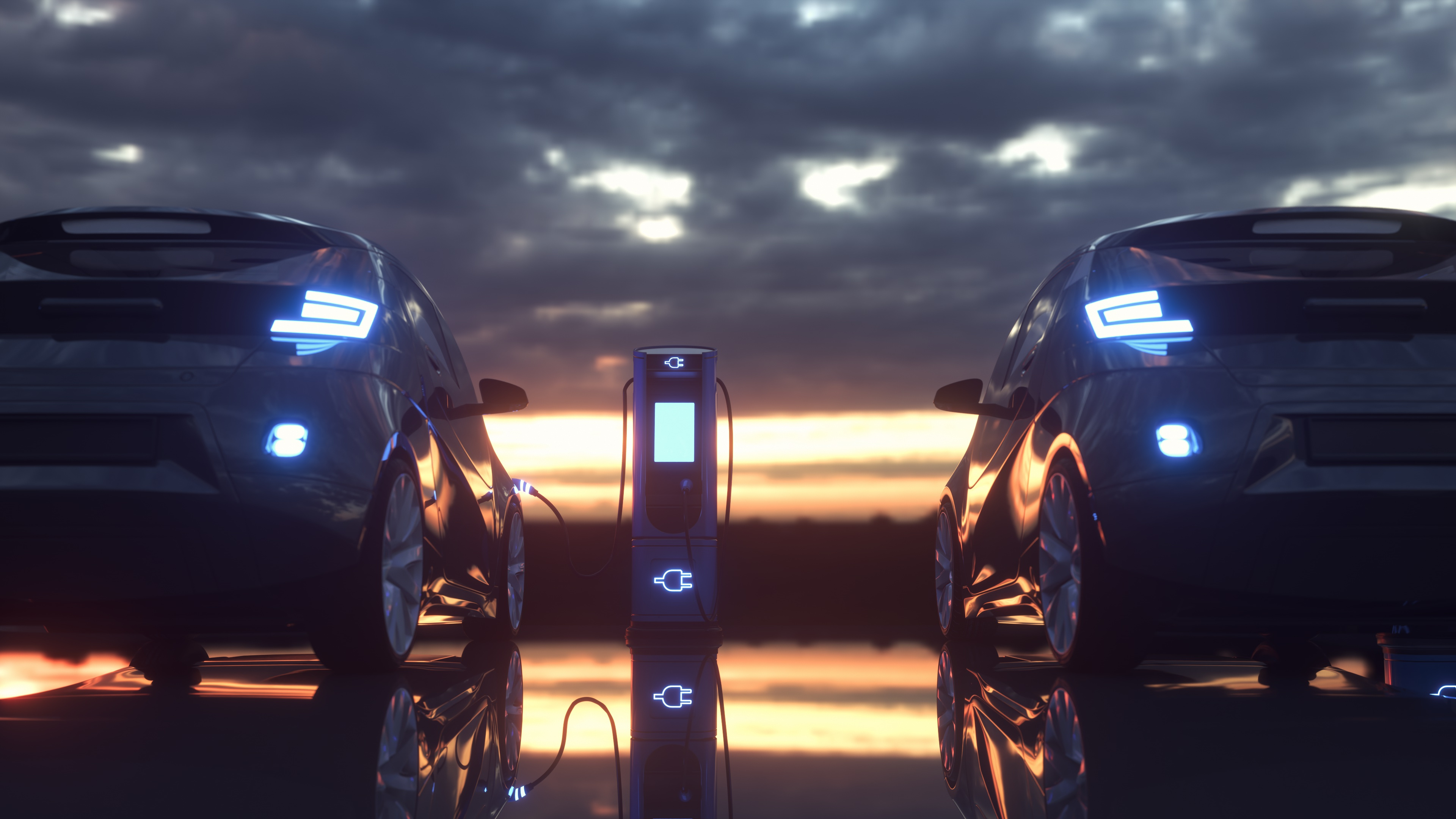
Making the shift from gas to electric can be daunting, but the switch is simpler than you might think.
We’re here to explain all you need to know about charging an electric vehicle: step-by-step instructions, where to charge, how long it takes to charge and how far a charge lasts. We’ll also cover the different charging station output levels, the average cost of charging an EV and how to monitor your charge status.
How does charging work?
Charging occurs by connecting the EV to a power source known as a charging station. Once connected to the charging station, EVs use their charging port and onboard charger to convert the external power into battery charge. While all-electric cars (BEVs), such as the Tesla Model 3, must be recharged at a charging station, hybrid vehicles (HEVs and PHEVs) can be recharged at a charging station or refueled at a gas station.
The Hertz charging policy now lets you Skip the Recharge. You can return your EV at any charge level and we’ll recharge it for $35—or just $25 for Gold Plus Rewards Members. Or, return it at the same level as pick-up and pay $0.
If you charge at a Tesla network station, we’ll pass through charging-related fees to the credit card you used to rent your Tesla.* And if you charge at a third-party charging station, just pay on the spot.
Where can I charge the car?
As well as charging at home, public and private charging stations provide you with a place to recharge and restart your journey. There are currently over 40,000 official public charging stations available across the US, with nearly 100,000 charging outlets installed in public spaces. To meet the increasing demand for electric car energy, stations are rapidly being installed nationwide.
Requiring only limited space, EV charging stations can exist in similar locations to gas stations, such as off the highway or even at gas stations, and in locations not suitable for gas stations. Such locations include public parking garages, office and retail parking lots and even busy downtown streets.
There are a variety of ways to locate public charging stations. In Teslas, Tesla Supercharger stations appear as red pins on the navigation screen. You can also touch the lightning bolt on the touchscreen or ask for location options via voice command.
Apps, such as Google Maps, Plugshare and ChargePoint, are available as well to pinpoint your nearest charging location. You can also visit the Electrify America website and use their charging station locator to find stations throughout the US.
How long does it take to charge an electric vehicle?
Electric car charging times vary depending on the size of the battery and the charging station output. The vehicle model affects the charge time as well, with manufacturers like Tesla, GM and others having different models that offer varying charge periods.
If you know the power output level of a charging station, you will know whether to expect a slower or faster charging experience. When available, we encourage you to select charging stations in the following order:
1. Tesla Superchargers: Add up to 200 miles in only 15 minutes
2. DC fast chargers: Ideal for longer journeys requiring short stops
3. Level 2 (240V): Achieve a partial to complete charge in 5-8 hours
4. Level 1 (120V): Convenient for home or local driving use, not for long trips
How much does it cost to charge an electric car?
Charging an EV at home has been found to be the most affordable and common option, with owners typically doing 80% of charging at home. The average EV-owning US household pays 12 cents per kilowatt-hour (kWh) of energy used to charge, adding on average $30-$60 to a monthly energy bill.
So how much does it cost to charge an EV at a public charging station? In short, it varies, but is always more affordable – and greener – than filling up with gas. Although free public charging stations do exist, most stations charge a fee based on kWh usage, charging time or percentage of battery charged.
The costs of charging can also vary depending on your location. Home charging, for example, varies from an average of 8.65 cents per kWh in Iowa to a rate of 32.76 cents per kWh in Hawaii. Just as home charging rates vary, rates at public charging stations can vary – even within the same city. Apps, such as Plugshare and ChargePoint, can reduce charging costs by locating free or less expensive charging stations in your area.
No matter the distance of your journey, charging an EV is sure to provide cost savings compared with fueling a gas-powered car.

How far can an electric car go on one charge?
Electric cars are capable of reaching different driving ranges, depending on:
• Make and model
• Size of the battery
• How much the battery is charged
Most EVs easily travel over 200 miles on a full charge, with select Tesla models reaching beyond that. The Tesla Model 3, for example, can travel up to 260-mile range.** With electric vehicle technology advancing all the time, these ranges are estimated to increase over the coming years.
Just like a car powered by gas, weather conditions and the style in which you drive an electric car will affect how much power the car has. For example, harsh braking uses more energy whether a car operates by gas or electric. Exercising safe driving practices will stop the car from wasting vital energy that could get it further down the road.
Likewise, using power-draining instruments and accessories onboard can deplete the battery. This includes entertainment systems, lighting and air conditioning.
Monitoring your EV's charge can be done in multiple ways. Displayed in a prominent location on the touchscreen, the battery meter reflects the charge remaining with numerical percentage, a status bar and color changes (green to yellow to red), and the battery range displays estimated miles remaining.
Although unlikely to occur if you are monitoring your charge, EV's provide plentiful alerts and warnings as well as suggested nearby charging station locations via pop-up notifications if a low charge is detected.
Ready to recharge and rethink the way you drive? Learn more about EVs by visiting our electric car hub for more information.
**EPA estimate according to Tesla, Inc. product specifications.
*See your EV Rental Terms to learn more
Related Articles

Electric cars: Range anxiety and how to beat it
Make the most of your electric car’s range and plan your trip without worrying about running out of power.

How to Drive for Lyft with a Hertz Rental Car
Driving for Lyft is a great way to be flexible with your working pattern, meet interesting people, and get the chance to be your own boss. Sounds like living the dream, doesn’t it?

The Uber driver’s guide to renting with Hertz
Discover more about how Uber have partnered with Hertz to offer a rideshare program for flexible renting.
