


Members-only perks


Car Rental - Serbia
A bold and boisterous country, landlocked Serbia is one of the jewels of Eastern Europe. Its unsettled history is all in the past, and the country has embraced its Bohemian roots to provide a very warm welcome to visitors from all over the world. From thriving, lively Belgrade to the ski resorts in the mountains, Serbia is a place of surprises.
We have pick up locations in Belgrade and Nis, including at the airports, so if you’re arriving by plane you can touch down and be on your way quickly.
We’ve got a great collection of cars for you to choose from – whether you’re here for a city break or heading out to explore more of Serbia.
A Quick Guide to Serbia
With Belgrade perfect for a city break, Nis a buzzing university locale, old buildings and churches parked next to art nouveau towns and the popular resort area of Zlatibor, there’s a surprising amount of places to visit in Serbia – each with their own character, traditions and pride.
Stay put in a city or follow the Danube on its course through the country – either way you’ll have a wonderful visit. Opt for car rental in Serbia and you’ll be able to take in the mountains, lakes and historic cities.
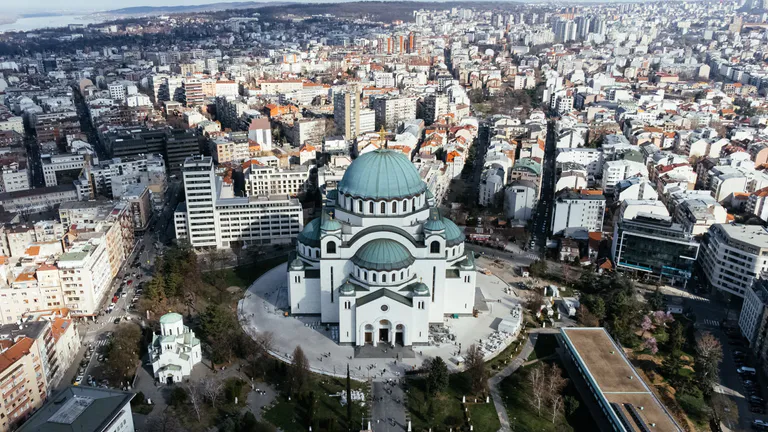
Bold Belgrade
A city with a clear personality and extremely lively nightlife, Belgrade is no shrinking violet. Positioned at the confluence of the Danube and Sava rivers, it has been a place with a key role in history. The Celts, Romans and Ottomans all staked their claim here, while it’s easy to find traces of the Habsburg dynasty.
Plenty of that history is packed into the Kalemegdan Citadel, the scene of dozens of battles over the centuries, with a 15th century tower and many 19th century elements, as well as fascinating exhibits such as Roman sarcophagi. Many visitors flock to the mausoleum containing the tomb of Marshal Tito, which is attached to the excellent Museum of Yugoslav History.
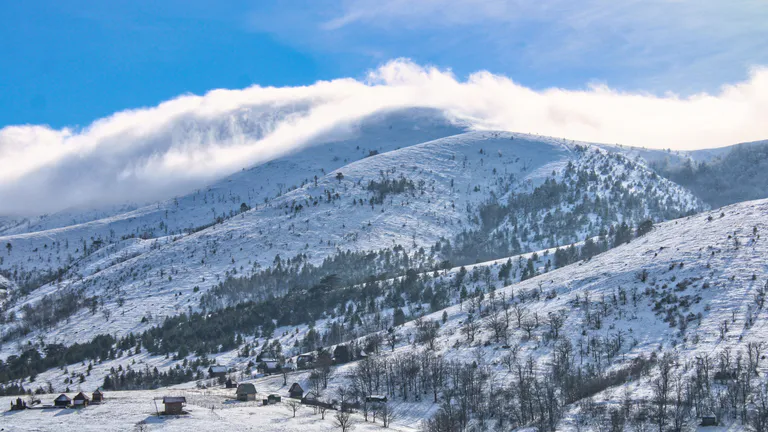
Serbia’s Sweet South
In the south-west of Serbia sits the region of Zlatibor, a gorgeous area with an almost Alpine feel. You’ll find fresh air, waterfalls, mountains and woods – as well as Serbs on vacation. It’s the place to idly peddle a boat on a lake, to see farm buildings from centuries past and to sample Serbian delicacies.
One of the most unique features is the village of Drvengrad. Built from scratch by the director Emir Kusturica for his 2004 movie ‘Life is a Miracle’, it’s a quaint place made from timber that now hosts a film festival and has streets named after Maradona, Bruce Lee and other stars. You can visit or even stay here, and the surrounding countryside is wild and worth exploring.
West of here lies the Tara National Park, full of hiking trails and once-in-a-lifetime opportunities to see wildlife such as brown bears, and rare types of owl and woodpecker.
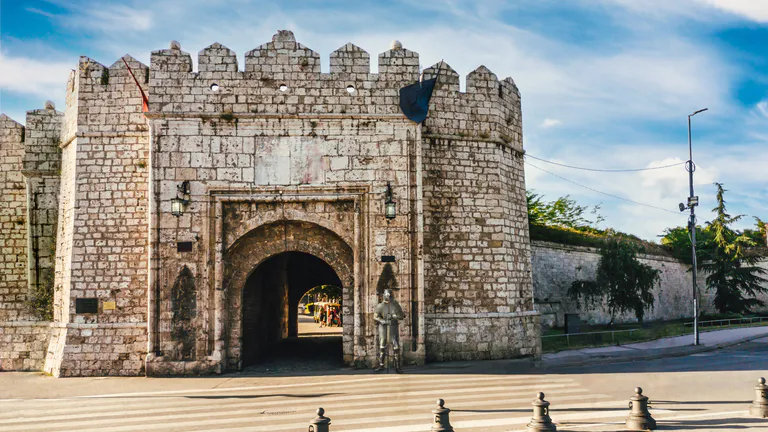
Where Romans Roamed
Nis, in the south of Serbia, is the third-largest city in Serbia but one of the leaders in terms of heritage. It’s the birthplace of several Roman emperors, including Constantine the Great, although much of the city has been shaped by some 500 years of Ottoman rule.
There are parts of Nis that still feel ancient, with horse-drawn carriages a frequent sight on the streets. The university here, however, also means the town is youthful and fun, with great clubs and places to eat.
Make time for the Nis fortress. There have been many fortresses built on the site, although the one you’ll see today was erected in the 18th century by the Turks. It’s not the staid tourist site that many such places are – it’s packed with cafes and restaurants, shops, stalls, a 16th century mosque and hosts music festivals.
Finish your visit to Nis with some fine Serbian food. A ‘kafana’ is a café-cum-restaurant, and you’ll find the popular ‘burek’ at bakeries throughout the country – a combination of filo pastry with a variety of fillings including ground beef, potatoes and sometimes cheese.
Driving In and Around Serbia
With so much to get out and see, Serbia has an extensive road network, with some of their freeways forming part of wider European road networks. Roads are not as well maintained as in some other European countries, but you’ll only encounter such issues in rural areas where it’s advised to drive at a lower speed.
Speed limits and distances are in kph and kilometers, you’ll drive on the right and overtake on the left, and seatbelts are compulsory. The maximum speed on freeways is 120kph (74mph), while in built-up areas it’s 50kph (31mph). School areas have a limit of 30kph (18mph) and children must be at least 12 years of age to sit in the front passenger seat. It’s also the law to use dipped headlights during the day. There are some toll roads in Serbia, which you can pay for by card or cash – our local team will be able to give you more information on this.
The main road running all the way through Serbia from north to south is the A1 (also called the E75). It takes in the pretty second city of Novi Sad in the far north, down through Belgrade and on to Nis in the south, a town first settled by the Romans. For those planning a real road trip, it continues on to Macedonia to the south and Hungary to the north, and has toll sections.
The E70 also passes through the capital, Belgrade, and heads to Croatia in the west and Romania in the east. Before reaching the eastern border, you’ll pass through Vrsac, a quiet town with an impressive church and a guard tower.
