


Become a Hertz Gold+ member


08/06/2024 • 6 Mins
Three Perfect Days in Pisa
Pisa is a compact city where a plethora of perfect attractions are clustered in a small area, allowing you to hop from one iconic sight to another.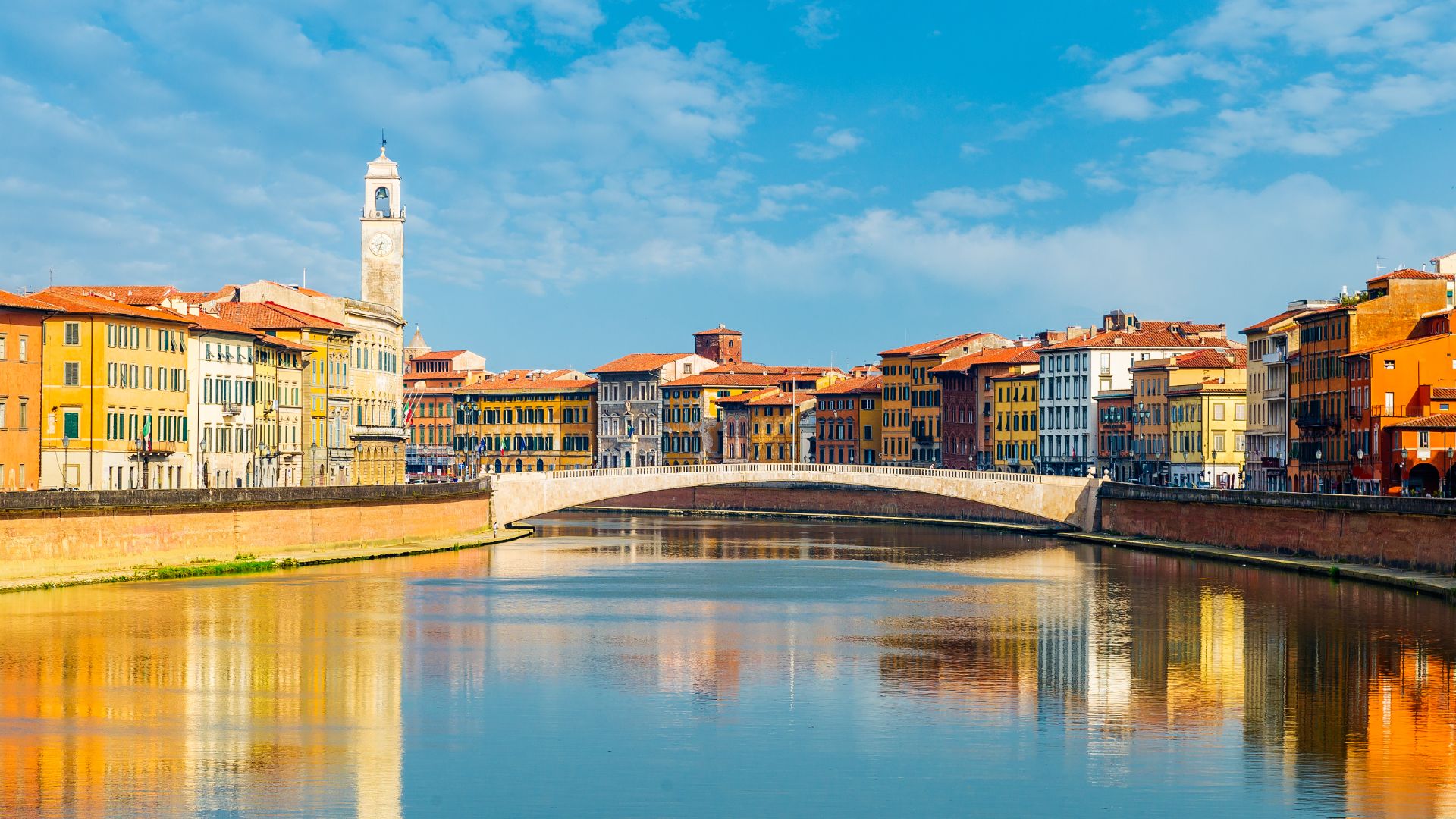
While this makes it the perfect place to enjoy a short vacation, there’s so much to see and do that fitting it all into 72 hours can be tricky. With the right planning, you can see the very best of this stunning city and still have enough time to relax, dine, and soak up the atmosphere.
Enjoy la dolce vita with our handy three-day Pisa itinerary, designed to ensure you don’t miss a thing.
Day One: The Top of the Tower
Start your trip to Tuscany with breakfast at one of Pisa’s more modern stop-offs. It might not have the years of tradition that its rivals boast, but Filter Coffee Lab offers up superlative espresso, along with great bagels, pancakes, and avocado toast. It’ll set you up for your day, and where else could you possibly go first than Pisa’s star attraction – the Leaning Tower.
You’ll find it a short walk from the café in the Piazza del Duomo, more commonly called the Piazza dei Miracoli – the Square of Miracles. The iconic tower had a tortured genesis - a bell tower that was started in the 12th century but sat unfinished until the 14th. Built on soft, shifting sands, it took on its now infamous tilt from almost the beginning. At one point, the tilt became so pronounced and the tower was closed to visitors. Recent work to straighten it – only slightly, of course – means that 40 people at a time can now enter. Climb almost 300 steps to the top, and you’ll be ascending to heights reached by Galileo Galilei centuries before.
Back on the ground, it’s time to check out three must-see sights - although you could save a couple of them for another day. Pisa’s cathedral was consecrated back in 1118, after 50 years of construction. Like the adjacent tower, it escaped damage in World War II – US soldiers were going to bomb both when they were told German soldiers were camped out in them - but legend has it the commanding officer was struck by the structures’ beauty and called off the attack.
The cathedral’s Romanesque exterior is rich with marble and bronze, while the inside has a glimmering gold leaf painted roof, a wonderful chapel, and columns transplanted from a mosque in Palermo. Best of all is the 14th-century Gothic pulpit by Giovanni Pisano, a sign of how important religion is to Pisans.
After a day delving into the architecture of Pisa, refuel with dinner in a traditional restaurant, known as a trattoria or osteria - or maybe try one of the city’s famous street food staples. Cecina is simplicity perfected – a mixture of chickpea flour with salt and extra virgin olive oil that also happens to be vegan, gluten-free, and delicious. You’ll find it all over town, often served up at pizzerias or at street stalls. Seek out Pizzeria Il Montino – close to Piazza dei Cavalieri – for pizza, focaccia with cecina, suckling pig rolls, and chestnut cake. This place is often packed with locals, which is always a good sign.

Day Two: The Lesser-Known Pisa
For day two, take a step back from the architecture and dive headfirst into its storied past. There are a couple of off-the-beaten-track museums that don’t often make it into the guidebooks but will give you a different flavor of the city.
One of these is at the Museum of Human Anatomy, which has been open since 1832 and is home to some genuine curiosities, especially for lovers of the macabre. Wax models mingle with countless skulls and skeletons, death masks, and mummies. Complementing it perfectly, the Pathological Anatomy Museum next door will amaze and shock in equal measure with its collection of curiosities, including two-headed cats and other extraordinary accidents of nature.
Next, jump in your car and head out to the Piaggio Museum. It opened in 2000 to celebrate the iconic Italian motorbike and scooter manufacturer, which has been in operation in Pontedera, close to Pisa, since 1884. Essential for Vespa-lovers, the museum also covers MotoGP and more. See how the vehicles have evolved through time and learn how Piaggio has become one of the world’s most celebrated companies.
After delving into the past, lunch beckons with the treasures of the Tuscan larder laid out across the city. Drive back into town to Osteria di Culegna. It might not look like a great deal from the outside, but as you step off Via Mercanti into its tantalizingly traditional interior, you’ll be welcomed like one of the family. You won’t be surrounded by fellow tourists, but by locals in the know, while on warm nights you can spill out on to the terrace and dine under the stars. The handwritten menu is based on what’s fresh and seasonal, and might include pappardelle with asparagus and pancetta, or steak tagliata. Spend the rest of the day relaxing in the Giardino di Scotto, gardens built around an ancient fortress. Many Pisans go to chill out here - a little paradise of serenity in the heart of the city.
Day Three: More Miracles and Pisan Pasta
Day three brings with it the chance to tick off the final couple of major attractions in the Square of Miracles. The Baptistery, known as the Battistero, was finished in 1363 after more than 200 years of construction, giving it a unique look. The passing of the design baton between numerous architects across two centuries means the building is a melting pot of styles and influences. Most notable are its ornate Gothic and Romanesque flourishes. Head inside to see a Pisano-designed pulpit and other medieval decorative details.
Nearby, you’ll find the Camposanto, a monumental cemetery that has seen extensive restoration since being damaged in World War II. Legend has it that it’s built upon soil taken from Calvary. It’s worth exploring to see the tabernacle, cloisters, and frescoes, many of which have been lovingly restored to retain the authentic Pisan look.
From here, head to the Palazzo Blu to see superb art in a 14th-century setting with real wow-factor, as well as experiencing Pisa from a bygone era. The azure-blue exterior is what gives the gallery its name. Inside, you’ll find yourself on a journey through centuries of Pisan art, tracing the evolution of styles along the way.
There’s time for one more memorable meal before you leave - so search out Antica Trattoria Il Campano on Via Cavalca in the center, close to the 13th-century Campano bell tower. Old school but utterly reliable, you can’t leave without trying their pici pasta with duck marinated in red wine, or guinea fowl linguine. Their wild boar ragù has a deep richness that comes from expert cooking, while they also have good vegetarian options. It’ll leave your taste buds tingling with the rich Tuscan flavor you dreamed of before you arrived.
Tag us on Instagram to share your favorite sights in and around Pisa.
Hertz encourages you to be responsible. Don’t Drink and Drive. To read about all of Hertz’s Safety Tips, click here. To check out Hertz Rental Terms, click here.
Related Articles
10 ways successful people spend their free time
Most people are curious about the productivity hacks and workday schedules of highly successful people – but what about how they spend their free time?
Experience the Grand Canyon at night
Discover the breathtaking beauty of the Grand Canyon at night. Star-filled landscapes are the perfect setting for a memorable visit. Plan today with Hertz.

A Guide to the Best Jazz and Blues Clubs in St. Louis
Whether you’re a jazz and blues fan already or keen to learn more about both genres of music, a visit to St. Louis should be top of your to-do list with a Hertz car rental.

A road trip through Virginia’s civil war sites
With more than 2,000 significant events recorded, discover why Virginia is the ideal spot to hit the road and see some of the best historic Civil War sites.
