


Become a Hertz Gold+ member


08/06/2024 • 6 Mins
The Alternative Pisa
Pisa is a city awash with fantastic attractions, from the Leaning Tower to art galleries that are stunning inside and out. But sometimes it pays to know a little bit more about a city than you get from the tourist guides.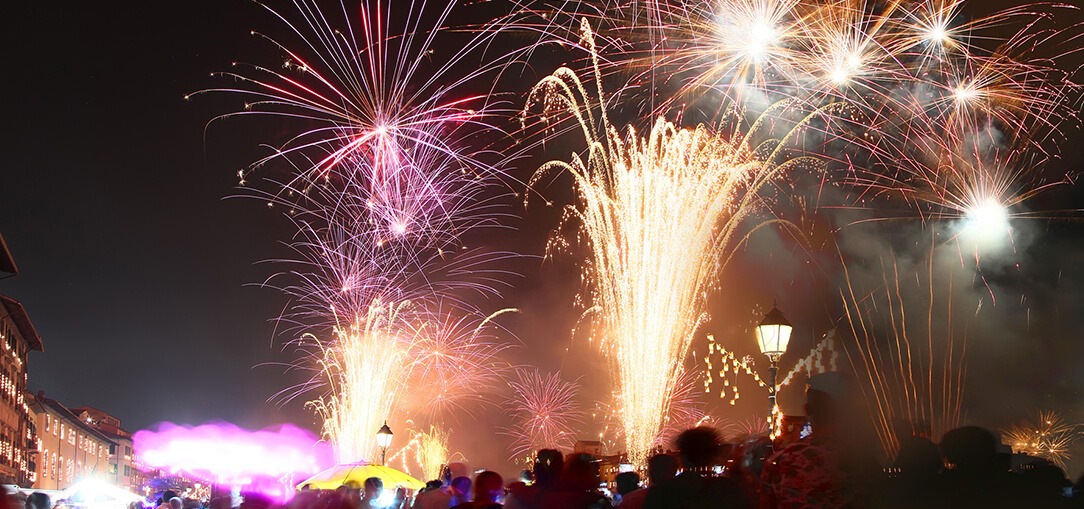
Once you’ve visited all of the iconic sites the city has to offer, dig a little deeper to find a side of Pisa rarely explored by visitors, giving you an authentic experience that will make you feel like a native Pisan. Pluck out a hidden gem that’s going to give you a slice of the real Pisa.
The Festival of Light
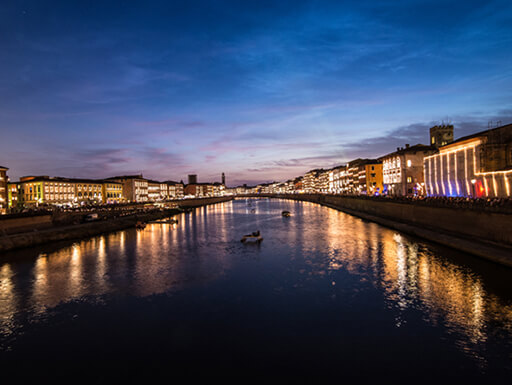
One of the highlights of the annual calendar in Pisa is the Luminara of San Ranieri, a festival that takes place on June 16th every year. Held in honor of the city’s patron saint, more than 100,000 candles are lit across the city and cast a warm glow across the city with haunting beauty.
They’re placed on buildings, bridges, and even the Leaning Tower, while the firework display at the end of the night is one of the best you’ll ever see. If you’re handed a card by someone in the street, it’s so you can vote for the best decorated building - although the stunning Palazzo Blu is usually the winner. The night doesn’t end when the last firework has been lit - parties, concerts, and shows go on into the early hours of the next morning. Even if you’ve seen all the main tourist attractions, seeing them dressed up this way is a new experience.
The festival is part of Giugno Pisano – Pisan June – a month-long sequence of parties, celebrations, and events harking back to Pisa’s maritime past when it was still an independent republic. It’s a time of great civic pride. The day after Luminara, there’s a regatta on the river, as four boats representing the old districts of the city compete. Crowds flock to the mile-long stretch of the Arno for a good vantage point.
On the last Saturday in June, witness Gioco del Ponte – the battle of the bridge. Held on the Ponte di Mezzo, this recreates the medieval battle preparations of Pisan soldiers. Before the event starts, the two competing sets of troops – the Mezzogiorno and Tramontana – march alongside the river in their 16th-century costumes. The battle itself involves the two teams being back-to-back, trying to pull a seven-ton iron cart in a massive tug-of-war. Six individual rounds take place, with the side that wins the most claiming victory – the even number of battles means that there is often a tie.
Museums of the Macabre
Some of the most unusual sights in Pisa aren’t just available in just June, but year-round. On Via Roma, two complementary museums provide a fascinating look at human life – and death – without the crowds you’ll find elsewhere.
The Museum of Human Anatomy has been open since 1832 and hosts a number of unusual specimens. There are Egyptian mummies, death masks, skulls, and skeletons aplenty, plus pre-Colombian funerary objects and sculptures. Take note that it is closed in August, however.
Next door, you’ll find the Museum of Pathological Anatomy, which is somewhat of a more bizarre and macabre attraction, with two-headed cats, six-legged dogs, many anatomical models of animals, and a surprisingly comprehensive range of parasites. There’s a huge collection of vintage books as well. After all, it was a place of study that boasted one of Europe’s first world-class universities.
The Secret of the Tower
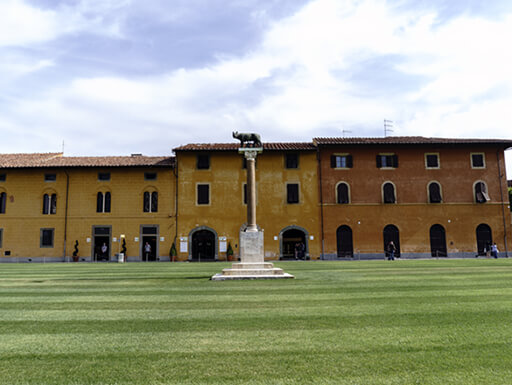
The Leaning Tower of Pisa wasn’t always accessible like it is today. In recent times, its tilt became so pronounced that it was in danger of keeling over completely and so was closed to the public.
To discover the secret of how it was not only kept (almost) vertical, but of how it was even made safe for visitors again, move away from the Square of Miracles to the nearby Palazzo dell’Opera. Here, you’ll see two large white objects, adjacent to the Palazzo’s bathrooms, which seem to have no purpose. In the 1990s, however, these were the guy-rope anchors used to straighten the tower. With lead weights, cables, and soil removal, this complex engineering project saved the city’s most famous landmark for future generations to admire.
Mastering the Markets
The best boutique shopping in Pisa is on Corso Italia, but if you’re looking for unique and unusual gifts, make a grand tour of the city’s markets. For tremendous Tuscan food – whether for a picnic, self-catering, or as a souvenir – there’s Mercato delle Vettovaglie, which spills through several streets and arcades. It’s atmospheric and full of sensational local produce.
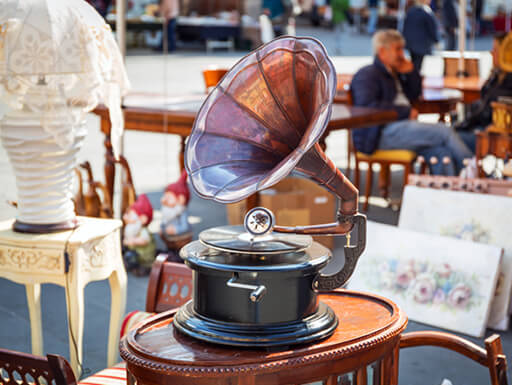
The city is dotted with antique and flea markets that make appearances on different days. The biggest antique market is in Piazza dei Cavalieri, held on the second weekend of every month. Join the locals in hunting for bargain art, furniture, and objects d’art. There’s another monthly market, held on the Ponte di Mezzo, where you can shop for local crafts on the main bridge across the Arno. Palazzo Blue and numerous other sights are nearby, too. If you’re an early riser on a Wednesday or Saturday, rummage for vintage finds at Via San Martino’s flea market. It’s great for old Italian style at a price that’s a steal.
Related Articles

10 ways successful people spend their free time
Most people are curious about the productivity hacks and workday schedules of highly successful people – but what about how they spend their free time?

Experience the Grand Canyon at night
Discover the breathtaking beauty of the Grand Canyon at night. Star-filled landscapes are the perfect setting for a memorable visit. Plan today with Hertz.

A Guide to the Best Jazz and Blues Clubs in St. Louis
Whether you’re a jazz and blues fan already or keen to learn more about both genres of music, a visit to St. Louis should be top of your to-do list with a Hertz car rental.

A road trip through Virginia’s civil war sites
With more than 2,000 significant events recorded, discover why Virginia is the ideal spot to hit the road and see some of the best historic Civil War sites.
