


Members-only perks


06/15/2022 • 5 min
Waiting for the Manatees in Tarpon Springs, Florida
Manatees are delicate, gentle and shy. Experience an encounter with the docile creatures in Tarpon Springs, for an amazing Florida escapade with Hertz today.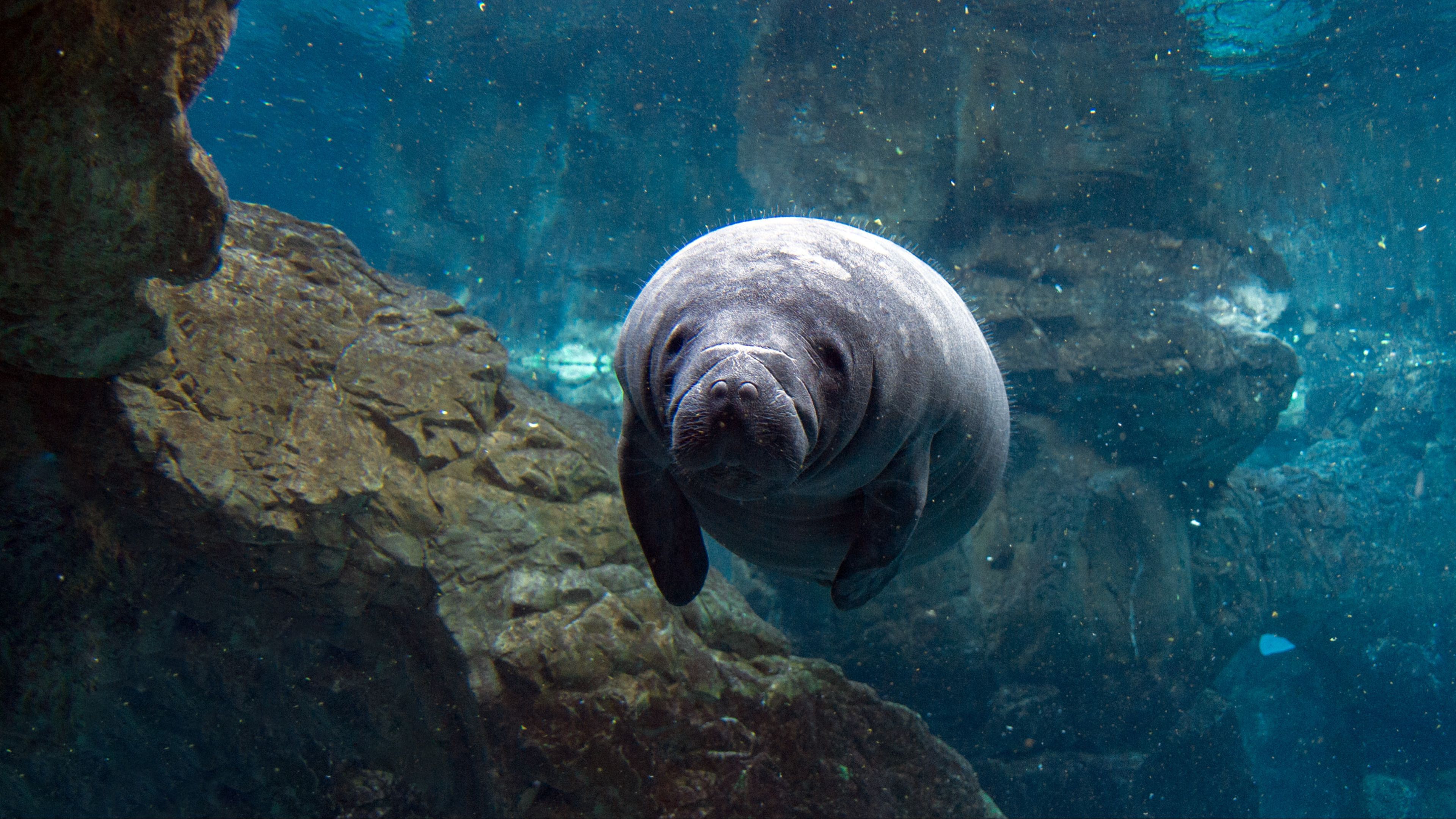
Our itinerary was tenuous when we left our hotel in Tarpon Springs, Florida. Early in the evening, we intended to see manatees at their reputed local gathering place on our way to dinner at an acclaimed Greek restaurant. It was our final night in Florida, and we wanted to savor every moment. My partner and I had limited time before the restaurant would close for the evening. We hoped the large sea mammals would make an appearance and join us in a quick selfie.
We were curious, eager, and in the mood for something spontaneous. For once I hadn't researched an experience before pursuing it. I knew about manatees in Florida, and a patron at the hotel suggested we visit the nearby lagoon around dinnertime. We wanted to see the coastal animals swim and frolic in their natural habitat, and the anticipated timing suited our schedule. However, we were soon reminded that nature has its own plan and rhythms.
Tarpon Springs
Around 45 minutes northwest of Tampa is Tarpon Springs, a center for sponge fishing. This is a decades-old industry dominated by Greek immigrants in the area. As a testament, natural sponges are for sale in quaint shops near the docks. The city also has an abundance of fine Greek restaurants and a beautiful oceanfront park with a mangrove swamp that is perfect for kayaking. The place has a quiet reputation as one of Florida's manatee-spotting locations in winter.
We checked off many of those boxes already but still hoped to incorporate a little ecotourism into our trip with this stop on the way to the restaurant. We relied on spur-of-the-moment, local advice to make it happen.

Saving the Manatees
I later learned that the lagoon at Tarpon Springs is one of the local places for manatee watching. Conservationists like Patrick Rose, an aquatic biologist who heads the Save the Manatee Club in Maitland, Florida. They don't publicize it very much for several reasons.
First, manatees are much more plentiful in other areas. Rose recommends Crystal River Preserve State Park, about 90 minutes north of Tarpon Springs. During the winter months, there’s also Blue Spring State Park - about 40 minutes north of Orlando. These parks sponsor education and conservation programs. Visitors can observe hundreds of sea cows, bulls, and calves congregating in crystal clear waters.

Second, conservationists work hard to protect the manatees from unwanted interactions with humans. Rose explains that manatees are shy, docile creatures that typically flee from humans. But a few animals in each group seem to invite interaction. Although considered ‘endangered’ before, now the Florida Fish & Wildlife Conservation Commission estimates there are more than 6,000 of the sea mammals living in Florida waters.
Rose works to protect the plant-eating mammals from tourists who might chase or capture them - even though it's illegal. Also from boat propellers, water pollution, and other hazards. He also helps set safety standards for Florida's "swim-with-manatees" tour operators, some of whom still aren't compliant. He mentions "there are thousands of reports over the years of humans harassing manatees, but almost none of manatees harassing or harming humans" he continues “a manatee is probably the most gentle animal there is. They are just not capable of aggression."
In Sync with Nature
We arrived at Spring Bayou in Tarpon Springs lugging cameras, water bottles, and jackets. The bayou is a manufactured lagoon filled with dark water in the center of a neighborhood park. We stepped down to the concrete walkway surrounding the water. No one else was around — at least no one human.
For about 15 minutes, we stared at the undisturbed water. Finally, there was a splash. Bubbles appeared on the surface of the water, first nearby, then about 20 feet away a few seconds later. A gray nose peeked out of the water, then disappeared. Our eyes swept over the surface of the murky water with rapt attention, hoping for more. Thirty minutes passed, and then another 30 minutes.
I began breathing deeper and noticing the soothing shade of the trees and freshness in the air. A surprising feeling of peacefulness swept through me as I imagined two or three of the large shy creatures silently gliding through the dark water. Somehow, the experience of waiting for the manatees made me more appreciative of their exotic qualities. Although our spontaneous impulse resulted in an imperfect ecotourism experience (and we never got that camera-ready shot), I felt a sense of accomplishment, nonetheless. For a few precious minutes, we felt in sync with the rhythms of another species.
Before we turned to leave, we glimpsed a large gray tail that thrust through the water and then softly submerged. It was tantalizing to think of waiting longer and experiencing that sense of communing with these beautiful, silent beings for a few more minutes. But a freshly-made spanakopita spinach pastry and lemon-seasoned potatoes beckoned. We said goodbye to the manatees until the next visit.
Have you had a chance to commune with nature in an unexpected way on your travels? Share your experiences with us on Twitter.
Related Articles
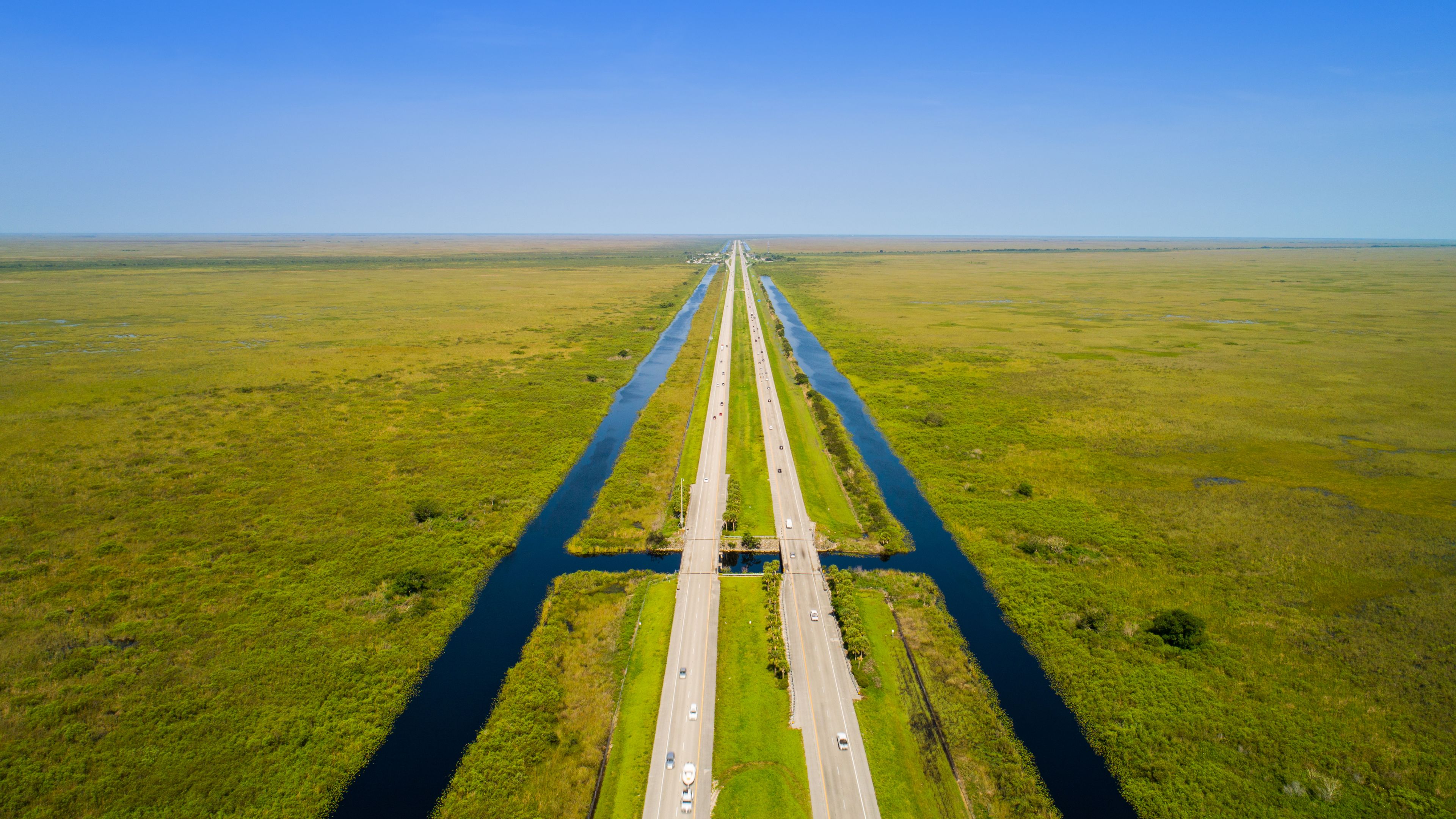
Travel Guide to Alligator Country in Florida
Alligator lover? Discover the best places in Florida to spot the beautiful reptiles with this handy guide from Hertz.
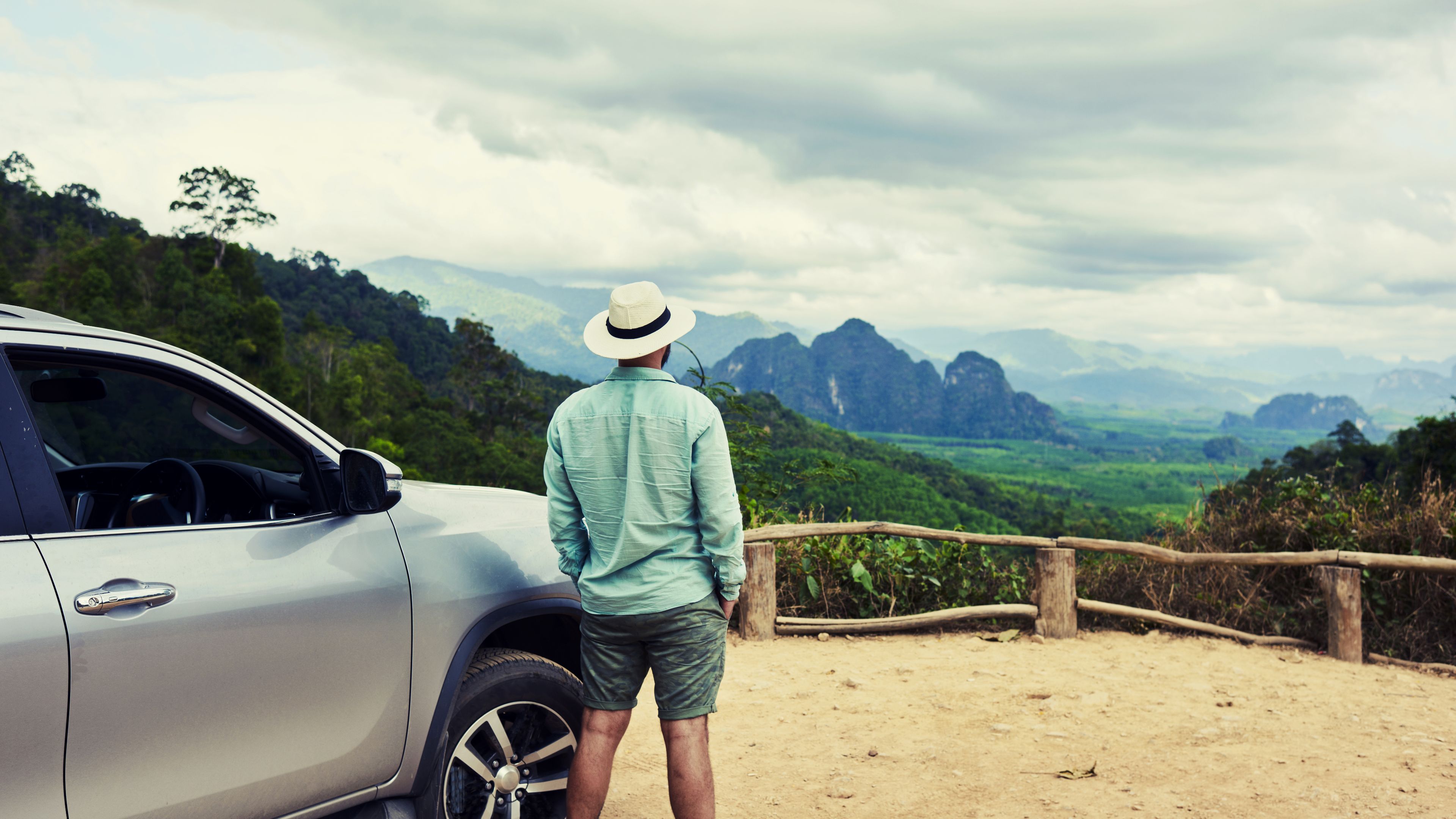
On the Road in the Land of Smiles: Traveling Thailand by Car
A land of tropical beaches, misty, forest-covered mountains, and pulsing big-city excitement, Thailand also offers opportunities for some of the most exciting road trips in the world. Although major cities and tourist areas like Bangkok and Phuket bustle with constant activity and traffic, Thailand has a quieter side that is best seen by car.

Historic Virginia Getaways That Are Ideal for Romance
For a romantic trip that also ticks all the historic boxes, head to Virginia for hotels, parks and more with this indispensable guide.
