


Members-only perks


12/28/2017 • 3 min
First Impressions: See the Real-life Landscapes That Inspired Monet, Van Gogh and More
France’s vivid colors sparked a creative revolution in the late 1800s – forever changing the way we see. As beautiful as the Impressionist masterpieces of this era are, however, the sites that inspired them might look even better in person. In Paris and the surrounding regions, art lovers have a chance to see through the eyes of these incredible artists.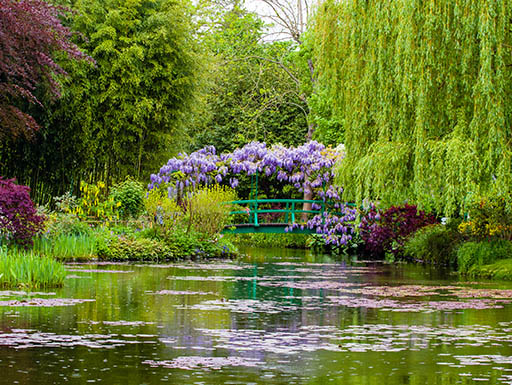
Monet’s Gardens
Let’s start at the beginning. The Impressionist movement was named after Claude Monet’s Impression, the painter’s dazzling 1874 rendering of a sunrise in Le Havre, Giverny. The artist’s well-preserved gardens and home here – just a short, scenic drive from Paris – are now open to the public (the gardens are generally open late March through November). You’ll see the famous Water Lilies, the Clos Normand flower garden, the famed Japanese footbridge and more, all bathed in the wondrous Seine Valley light that delighted Monet.
Source: Shutterstock
Museum of Impressionism Giverny
While you’re in Giverny, don’t miss the chance to pay a visit to the Museum of Impressionism here (open March to November), a fascinating attraction dedicated to exploring the development of the Impressionist movement, and is home to several masterpieces by Monet, Alfred Sisley, and many more. With interactive elements and painting workshops, it’s a great spot for families. Good to know: the museum is located on the site that contained the haystacks painted by Monet in 1891.
Montmarte
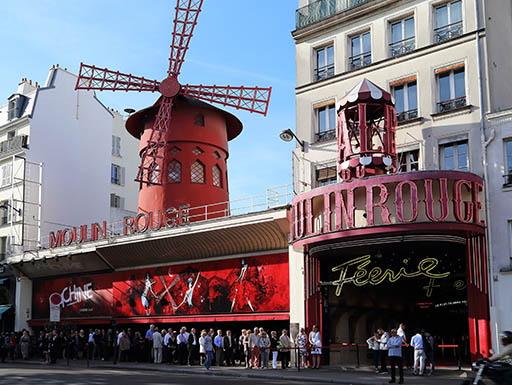
The Impressionists flocked to the Montmarte area of Paris, thanks to its cheap rent, carefree locals and, of course, beautiful colors. As you explore the charming streets here, you’ll come across the barely changed subjects of many Impressionist works: feast your eyes on Utrillo's gloriously pink-walled Maison Rose (now a restaurant); wander down Cezanne’s evocative Rue des Saules; cast your eyes up as you stroll through Moulin de la Gaulette, famously painted by Renoir, still sporting a lovely windmill on its roof.
Source: Shutterstock
Tuileries Gardens
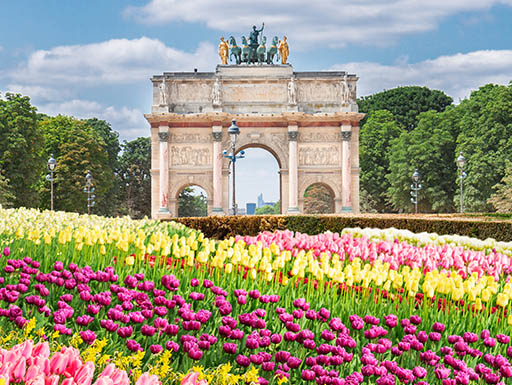
Monet, Degas and other Impressionists would regularly meet up at this beautiful Paris location to discuss and strategize, Édouard Manet immortalized the festive scene on canvas here in his detailed “Music in the Tuileries Garden,” as did Camille Pisarro in his lovely “The Garden of the Tuileries on a Spring Morning.” Located between the Louvre and the Place de la Concorde, you can easily spend an afternoon exploring the shady paths and lush gardens. You may also want to pay a visit to the three-Michelin star Alléno Paris Carré des Champs-Elysées, one of Paris’ finest restaurants – and Monet and Degas’ preferred lunching option.
Source: Shutterstock
Barbizon
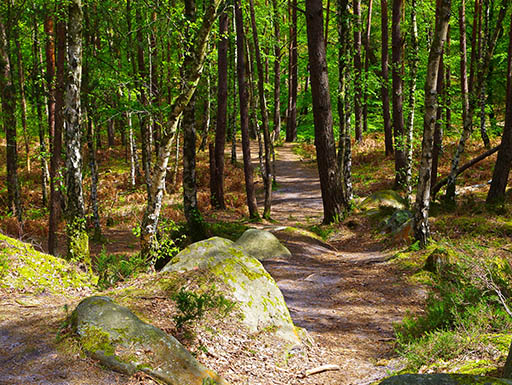
Outside of Paris, the Impressionists’ favored city was Barbizon, located just under an hour’s drive from the French capital. Once you arrive, you’ll quickly understand why as you wander its pretty little streets and follow in the footsteps of the Barbizon painters (including Théodore Rousseau and Jean-François Millet) through the picturesque Forest of Fontainebleau, which Monet, Renoir, Sisley, Frédéric Bazille, and many other artists attempted to capture on canvas.
Source: Shutterstock
Auvers-sur-Oise
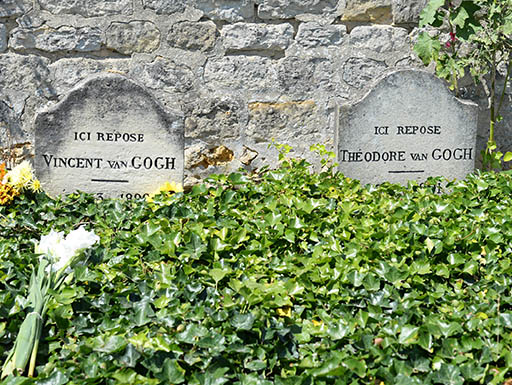
Vincent Van Gogh’s short, tragic life ended in this peaceful village 20 miles outside of Paris – but not before he created more than 60 typically spectacular paintings of the landscapes of Auvers-sur-Oise. The village may have grown a bit since Van Gogh’s day, but it retains its classic countryside charm, and you can see the wheat fields, the irises, and many of the buildings that inspired this iconic artist. Don’t miss the Roman Gothic church that served as the subject for one of Vincent’s most famous works, “Church at Auvers.” And end your day trip with a visit to the town cemetery, the artist’s final resting place, next to his devoted brother Theo.
Source: Shutterstock
Related Articles
On the Road in the Land of Smiles: Traveling Thailand by Car
A land of tropical beaches, misty, forest-covered mountains, and pulsing big-city excitement, Thailand also offers opportunities for some of the most exciting road trips in the world. Although major cities and tourist areas like Bangkok and Phuket bustle with constant activity and traffic, Thailand has a quieter side that is best seen by car.

Historic Virginia Getaways That Are Ideal for Romance
For a romantic trip that also ticks all the historic boxes, head to Virginia for hotels, parks and more with this indispensable guide.

On the Road: Must-See Natural Attractions in Vermont
Discover the Green Mountain State in all its glory. For picturesque views and wonderful attractions, visit Vermont with a car hire from Hertz.
