


05/05/2023 • 10 min
San Francisco driving guide
Discover everything you need to know about driving around San Francisco in this Hertz guide. Explore toll roads and speed limits in San Francisco and more.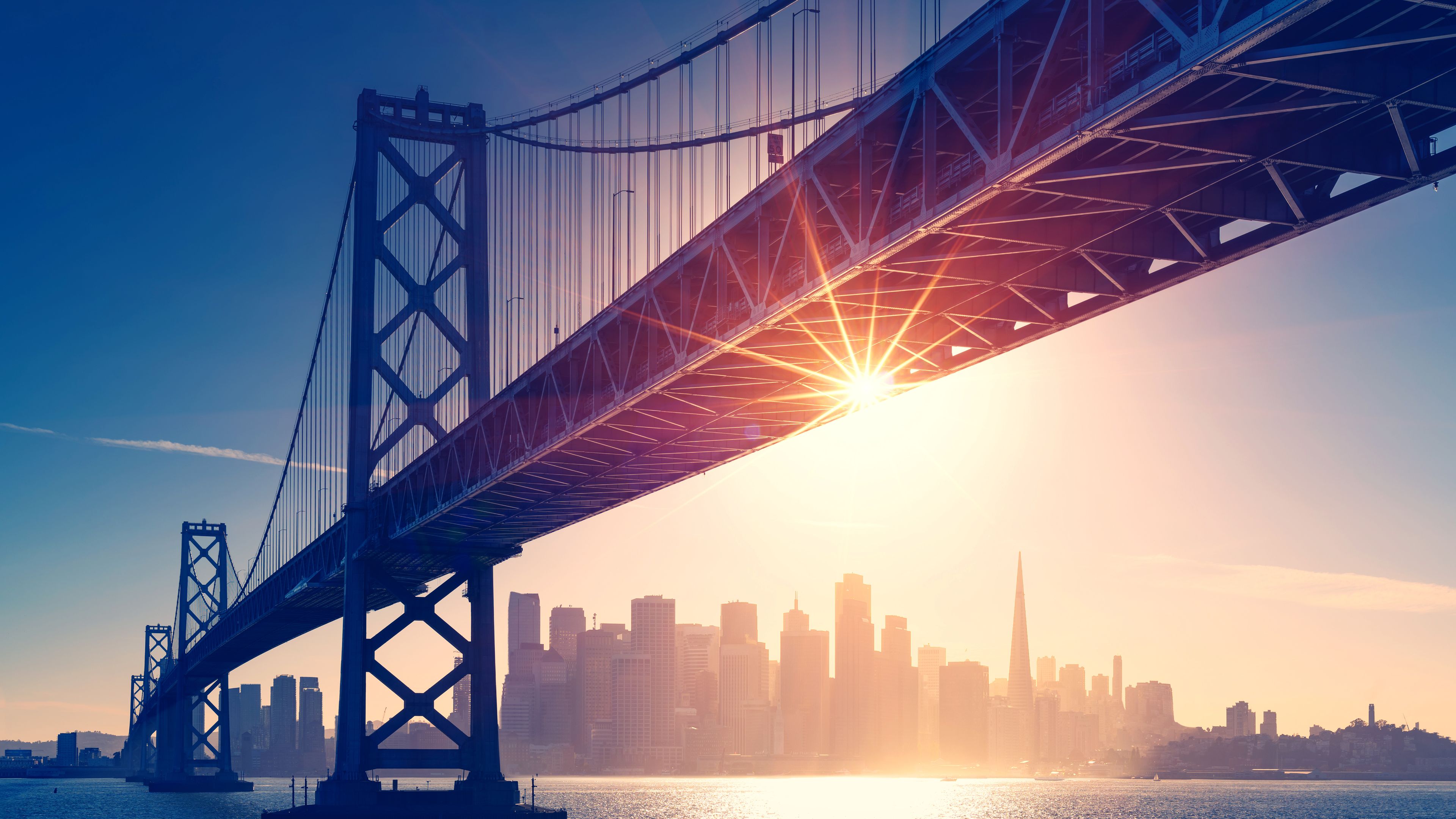
San Francisco is known for its famously steep streets, tram-packed roads and, of course, the iconic Golden Gate Bridge. It’s nice to look at – but what’s it like for driving? Before you get started on your Hertz car hire adventure in San Francisco, there may be a few things you need to know beforehand.
Learn the essentials of driving in this iconic Californian city. From the toll roads you might encounter in San Francisco, to city speed limits and parking apps – our helpful guide has you covered.
At-a-glance info:
Size of San Francisco in square miles | Total length of roads (in miles) | Longest road |
Mission Street (7.29 miles) |
In this guide:
- Driving rules in San Francisco
- Speed limits in San Francisco
- Toll roads in and around San Francisco
- San Francisco’s driving license requirements
- Parking in San Francisco
- Electric car charging in San Francisco
- Quick driving tips for San Francisco
- Frequently asked questions
Driving rules in San Francisco
Although many aspects of driving in San Francisco will be familiar across the US, there are some rules you may want to keep in mind before you set off.
- Passing light rail vehicles and trams. You must not pass any light rail vehicles on the left. You must also refrain from passing them when their doors are open.
- One-way streets. San Francisco has quite a few narrow roads, meaning there are also a lot of one-way streets. Make sure you’re adhering to all road signs to make sure you’re driving in the right direction.
- Right of way. Pedestrians always have the right of way – even if you see a crossing that is not marked as such.
- Street signs. There are a lot of street signs in the city. Whether they’re letting you know about one-way streets, bus and light rail right of way, or cyclists – you must follow them.
Speed limits in San Francisco
As San Francisco is a busy city with a lot of public transport and one-way systems, speed limits may differ in different parts of the city. Generally, San Francisco speed limits tend to vary from around 20 mph to 45 mph.
Take a look below to see what limits you’ll have to follow in different areas. Bear in mind that, due to the nature of San Francisco’s roads, there isn’t an overall rule for each road type. Make sure you follow any localized speed limits and street signs.
Residential roads | 20-30 mph (average speed is 25 mph) |
Highways | Usually 45 mph (speed will depend on local limits) |
School zones | 15 mph |
Business districts | 20-30 mph (average speed is 25 mph) |
Toll roads in and around San Francisco
There are three toll roads and bridges in the San Francisco area. Before you start your trip, it may be a good idea to plan your route to see which ones you’ll encounter.
Richmond San-Rafael Bridge
The Richmond San-Rafael Bridge is part of I-580, along the San Francisco Bay. You’ll need to pay if you’re heading west.
From: Richmond
To: San Rafael
Cost for car: $7 for 2-axle vehicles
Cost for truck:
- $17 for 3-axle vehicles
- $22 for 4-axle vehicles
- $27 for 5-axle vehicles
- $32 for 6-axle vehicles
- $37 for 7+-axle vehicles.
How to pay: FasTrak, License Plate Account, or one-time payment.
San Francisco-Oakland Bay Bridge
You’ll find the San Francisco-Oakland Bay Bridge when you cross the San Francisco Bay along I-80. Pay the toll when you’re heading west, at the east side of the bridge.
From: San Francisco
To: Oakland
Cost for car: $7 for 2-axle vehicles
Cost for truck:
- $17 for 3-axle vehicles
- $22 for 4-axle vehicles
- $27 for 5-axle vehicles
- $32 for 6-axle vehicles
- $37 for 7+-axle vehicles.
How to pay: FasTrak, License Plate Account, or one-time payment.
Golden Gate Bridge
That’s right, possibly the busiest and most iconic bridge in San Francisco is a toll road. It’s accessible via Route 101 and you’ll need to pay the toll if you’re heading south. Keep in mind that Golden Gate tolls are a little pricier than others, and depend on what payment method you choose.
Note: you do not stop to pay tolls on the Golden Gate Bridge.
From: San Francisco
To: County of Marin
Cost for car:
The below prices are for 2-axle vehicles.
- FasTrak - $8.40
- License Plate Account and one-time payment - $8.80
- Carpool rate - $6.40 (qualifying vehicles only).
Cost for truck:
3-axle vehicles:
- FasTrak - $25.20
- License Plate Account/one-time payment - $26.40
4-axle vehicles:
- FasTrak - $33.60
- License Plate Account/one-time payment - $35.20
5-axle vehicles:
- FasTrak - $42
- License Plate Account/one-time payment - $44
6-axle vehicles:
- FasTrak - $50.40
- License Plate Account/one-time payment - $52.80
7+-axle vehicles:
- FasTrak - $58.80
- License Plate Account/one-time payment - $61.60
How to pay: FasTrak, License Plate Account, or one-time payment.
San Mateo-Hayward Bridge
Finally, the San Mateo-Hayward Bridge is found on SR-92 a little outside the city in San Mateo. It’s useful to keep this one in mind if you’re traveling to San Francisco from the south. Similar to most of the bridge toll roads in San Francisco, you’ll need to pay if you’re heading west.
From: Foster City
To: Hayward
Cost for car: $7 for 2-axle vehicles
Cost for truck:
- $17 for 3-axle vehicles
- $22 for 4-axle vehicles
- $27 for 5-axle vehicles
- $32 for 6-axle vehicles
- $37 for 7+-axle vehicles.
How to pay: FasTrak, License Plate Account, or one-time payment.
You can learn more about toll roads around the San Francisco Bay Area in our comprehensive California driving guide.
San Francisco’s driving license requirements
To drive in San Francisco, you just need a full photo driver’s license from your home state or country. You do not need a California driver’s license to drive in the state.
You must be at least 25 years old to rent a car in San Francisco with Hertz.
Parking in San Francisco
There are a variety of lot and street parking options throughout San Francisco. However, prices can vary quite a lot depending on where you want to park. Let’s take a look at some of the best options in the city.
Sutter Stockton Garage
The Sutter Stockton Garage is a large parking lot with 1,865 spaces, located just south of Chinatown. It’s surrounded by a variety of hotels, retail stores and supermarkets, so is in quite a handy spot. It’s also one of the cheaper garages in the area.
Location: 444 Stockton St Downtown San Francisco, CA 94108
Cost: $5 per hour. $9 for two hours. $38 for 12 hours. $44 for 24 hours.
How to pay: By cash at the payment point, card, or contactless.
Ellis O'Farrell Garage
The Ellis O’Farrell Garage has 535 spaces and is in a great central location – right next door to Market Street station, Macy’s and Union Square. Ideal if you want to park up and explore further afield in the city.
Location: 123 O'Farrell St Tenderloin San Francisco, CA 94102
Cost: $4 - $6 per hour, depending on time of day. $9 for two hours. $38 for 12 hours. $44 for 24 hours.
How to pay: Cash, card, or contactless.
Jessie Square Garage
This slightly smaller garage has 380 spaces but is in a secure underground location. Jessie Square is situated within a cultural hub, with multiple museums (including the San Francisco Museum of Modern Art), St. Patrick’s Church and the Yerba Buena gardens all just minutes away on foot.
Location: 223 Stevenson St Yerba Buena San Francisco, CA 94103
Cost: $5 per hour. $10 for two hours. $25 dollars for 12 hours. $35 for 24 hours.
How to pay: Cash or card at the garage.
Street parking in Chicago
There are lots of street parking spots in San Francisco. With a bit of luck, you’ll be able to find a metered curb and legally park there. However, you must always keep meter notices and sign and curb colors in mind when parking up. For example :
- Red: you can’t park, under any circumstances.
- White: pick up and drop off – usually a 5-minute max.
- Green: short-stay – usually a 10-minute max
- Yellow: commercial vehicles only
- Blue: reserved for disabled drivers
- No colored markings or signs: Usually ok to park but double-check any meters and signage.
San Francisco parking app
During your stay in San Francisco, you may want to use a parking app to make finding, booking and paying for spaces that little bit easier. There are a number of parking apps you can use in the city. The most popular include:
You can download and use these apps to locate your nearest spot or garage, book and pay for your parking. They’re a handy way to plan your days, especially if you’re not used to driving in San Francisco.
Electric car charging in San Francisco
There are currently over 715 electric vehicle (EV) chargers in San Francisco. Over 130 these are free to use, and you do not have to sign up to any schemes. The San Francisco charging stations also cover networks such as ChargePoint, SemaConnect, Volta and Supercharger.
To find out more about EV charging in San Francisco and California, read our state driving guide.
Quick driving tips for San Francisco
- San Francisco is steep. The city is known for its high hills and steep inclines, so keep this in mind when driving. If you park on a hill, always remember to park with your wheels curbed.
- Leave extra time for the Golden Gate Bridge. It’s iconic and, as a result, pretty busy, especially during rush hour.
- Watch out for cyclists. There are a lot of cyclists in San Francisco – so always remember to keep an eye out, especially during morning and evening commute times.
- Make way for Muni. Muni is San Francisco’s bus and light rail public travel system. They tend to have their own lanes, but sometimes merge with traffic. Make sure you don’t illegally overtake them or use their lanes.
- Keep a close eye on curb colors. As mentioned before the colors of curbs and signs will tell you whether, and for how long, you can park in a certain area. Always read the signs.
Frequently asked questions
What is the best time of day to drive in San Francisco?
If you’re looking to avoid traffic and commuters, the best time of day to drive in San Francisco is anywhere between rush hours.
Is it difficult driving in San Francisco?
Driving in San Francisco is easy if you remember a few quirks the city has. Firstly, there are a lot of buses and light rail trams, which have their own lanes and shouldn’t be approached from the left. There are also quite a few cyclists, as well as one-way roads and steep streets.
When is rush hour in San Francisco?
How much is a speeding ticket in San Francisco?
Speeding ticket charges in San Francisco will depend on the area and how fast you were going. Generally, speeding tickets cost anywhere between £25 to £200, for a basic fine. This doesn’t include any further penalties – so make sure you’re always keeping an eye on the limits.
Now you know more about driving in San Francisco, you’re ready to take on the steep streets and beautiful bridges. Hire a car with Hertz today to start your Golden Gate City adventure.
Get ready for your trip to San Francisco
There’s plenty to explore in San Francisco – in fact, there’s much more to know than simply navigating the winding streets. Take a look at our guides below to find out more:
- Best hotels in San Francisco
- Best things to do in San Francisco
- Best restaurants in San Francisco
- San Francisco’s neighborhoods.
Related Articles

5 Hollywood Inspired Romantic Getaways
Away from the stress of daily routines and interruptions, true love blooms. Romantic getaways allow couples to rekindle their passion in beautiful settings, and silver screen rom coms provide plenty of inspiration for choosing picture-perfect, romantic backdrops. Consider these five dream-worthy locations:
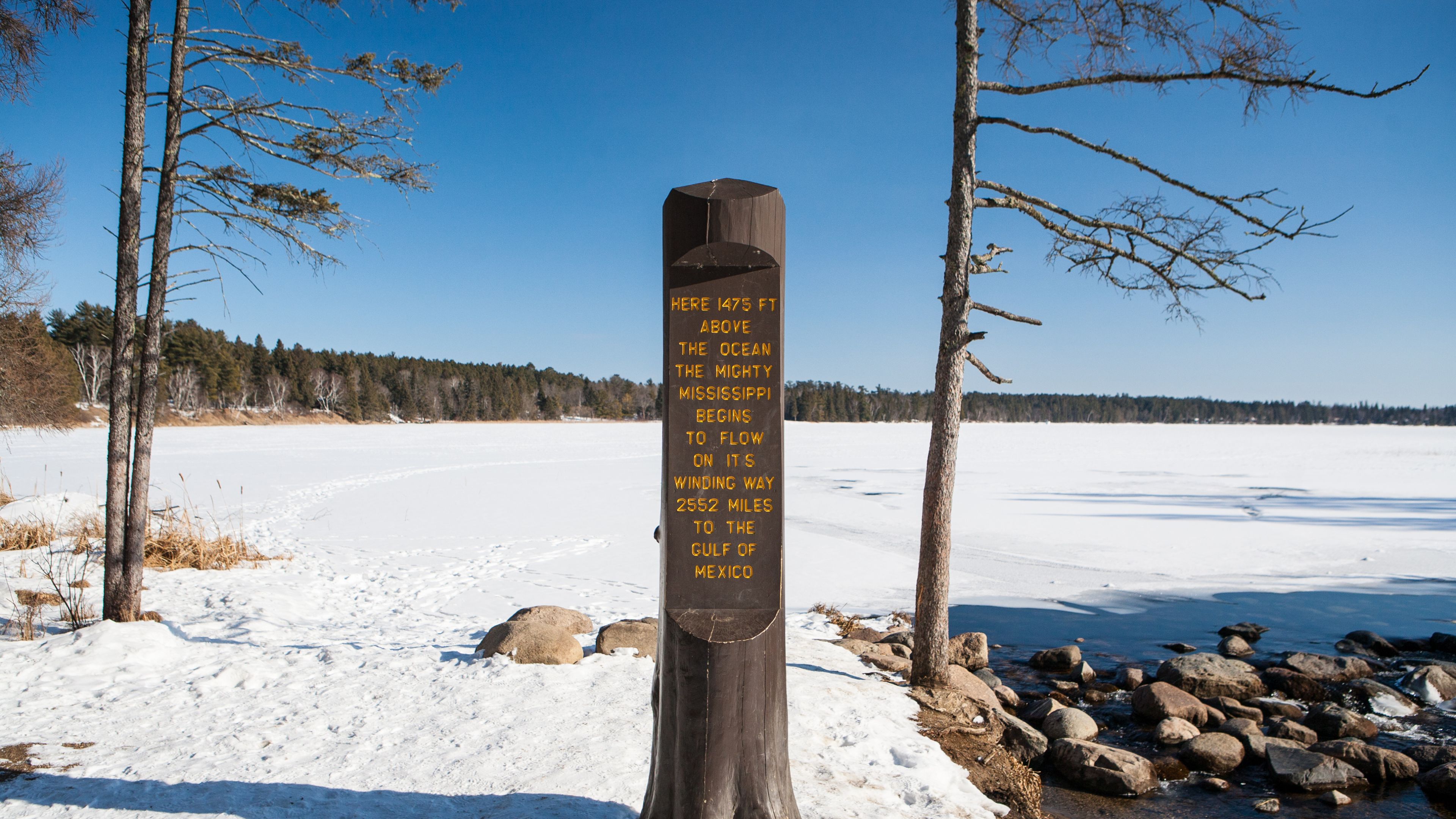
Top Stops Along the River Road Route
From Minnesota to the Gulf of Mexico, the Great River Road stretches for 3,000 miles of amazing scenery and history. Plan your road trip with Hertz.

Nature Up Close: Discover the Wonders of Niagara Falls
On October 24, 1901, Annie Edson Taylor became the first person to survive riding Niagara Falls in a barrel. For most people, just standing nearby the 165-foot drop and witnessing the mighty rushing water is more than enough excitement. Straddling the U.S. and Canadian borders, Niagara Falls draws roughly 30 million people each year with its awe-inspiring scenery. If you're planning to discover this amazing natural wonder, then consider these tips and must-see activities to get the most out of your Niagara Falls getaway.
