


Become a Hertz Gold+ Rewards member


08/21/2023 • 10 mins
Guide to Electric Vehicles in Virginia
Learn about electric car charging stations in Virginia, as well as tax credits and incentives. Discover more about going electric with Hertz.
With close to two-thirds of its landmass covered in forest, it’s fair to call the Mother of States ‘green’ – and green is how they want to keep it. Thanks to a range of electric car incentives in Virginia, there are more people ‘plugging in’ to EV driving than ever. By 2026, Virginia will require 35% of all cars and trucks to be EVs. By 2035, it’ll be 100%.
Thanks to the rise of EVs on the road, the Virginia Department of Transportation (VDOT) is planning a surge in the number of electric car charging stations in Virginia, particularly along certain high-traffic routes.
Don’t stay on standby. Turn on the power of EVs and learn everything about electric car ownership and incentives in Virginia. Start your adventure today, the EV-way, with Hertz.
Navigate to a section:
- How Many EVs Are There In Virginia
- Are There Incentives for Electric Cars in Virginia
- EV Registration, Licensing, and Fees in Virginia
- Virginia EV Charging Network
How Many EVs Are There in Virginia
Electric car ownership in Virginia hasn’t just jolted – it’s surged, with more than 40,000 EVs registered as of 2022 state-wide, up from about 30,000 in 2021. Thanks to Virginia’s eco-minded push, you can expect a steady increase of gas users going green in years to come. With a boost in EVs nationwide too, more people than ever are making the switch to electric driving.
EVs nationwide have been rising in popularity, especially in the last few years. While Virginia may not be going full charge compared to California, they’re quickly powering up their electric goals. In fact, for the total number of electric vehicle registrations by state, they’re in the top fifteen . Virginia’s mandate states that all new vehicles sold should be electric by 2035, with various checkpoints along the way, so it won’t be behind for long.
As electric car use in Virginia is only set to rise, it may be time to flip the switch on EVs.

Are There Incentives for Electric Cars in Virginia?
Yes, the Mother of States is offering a range of electric car incentives in Virginia, as well as tax credit rebates, giving drivers even more reasons to get wired up. While a whisper-quiet drive through Virginia’s scenic forests with clean energy (and a cleaner conscience) counts for a lot, it’s nice to know you’re being looked after too.
If that doesn’t quite spark your interest, there are perks beyond doing your part and rebates – with the potential to see some serious savings of your own. Say goodbye to those soaring gas prices.
So, power on your motors and read on for a breakdown of electric car incentives in Virginia.
Electric Car Tax Rebate in Virginia
Thanks to the Virginia Electric Vehicle Rebate Program introduced in January 2022, if you purchase an EV or hybrid vehicle, you may be eligible for an electric car tax credit in Virginia.
While there are some qualifying criteria, the rebate should be easily accessible to any Virginia resident leasing or buying an EV. These rebates include:
- $2,500 – For purchasing or leasing a new electric or hybrid vehicle
- $2,500 – For purchasing or leasing a used hybrid or electric vehicle
- $2,000 – Meeting the above criteria may result in an additional sum being added to your rebate.
Electric Car Federal Tax Credit in Virginia
Owners who purchase clean vehicles purchased from 2023 onwards may be eligible for as much as $7,500 from the Federal Electric Car Tax Credit. To qualify you must:
- Buy your EV for personal use and not for resale
- Primarily use your vehicle within the U.S.
This tax credit isn’t fixed and is based on your modified adjusted gross incoming. To quality, you shouldn’t exceed:
- $300,000 household incoming for married couples jointly filing
- $225,000 for those in charge of a household
- $150,000 for other filers.
Additionally, there is a truckload of considerations that determine the amount you’ll receive:
- In most instances, the vehicle will need to have been assembled in North America before being considered for a tax credit.
- The origin of certain critical battery minerals must be sourced from the U.S. or a U.S. trade partner.
- Battery components must likewise be sourced within the U.S. or from a trade partner.
- Vehicle must be priced less than $85,000 for an SUV, van, or truck, and $55,000 or less for any other vehicle.
These are a top-level look at the requirements, and it may seem a bit daunting. If in doubt, just ask your car dealer.
The tax credit is also a non-refundable dividend – that means you’re unable to receive a higher credit than you owe in taxes. Visit the IRS Tax Credit information page for further details.
Electric Car Local Incentives
You may be able to find additional electric car incentives in Virginia from the car dealership itself as well as your utility company, depending on your provider. The specific benefits may vary, from cash incentives to reductions or deals. You may even find free charger installation services in specified towns or cities.
Keeping up to date with current offers means you can supercharge your savings or give them a little kickstart.
Free Charge Points
Some electric car charging stations in Virginia are free and fully available to use, which can amount to some significant savings on fuel if you’re clever. While these can vary, Virginia has a notable number of free-to-use stations.
For example, in Alexandria, more than 60% of electric vehicle charging stations are available for free, with many cities in Virginia following suit. Often, parking while charging your EV is free – something worth considering if you’re planning to flip the switch and go electric any time soon.
EV registration, licensing, and fees in Virginia
Before you contemplate battery life, there are some things worth knowing about electric car ownership in Virginia.
Electric Car Ownership Registration Fees
To register an EV in Virginia, you’ll need to pay $55, as with most other vehicles. In addition to the enforced state vehicle registration fee, electric car owners in Virginia must pay $116.49. The reason the amount is so exact is that it’s a specific annual highway fee. While that may seem unusual, many states enforce some form of tax like this whether visible or gathered through other methods.
Electric Car Insurance in Virginia
As with most insurance, the cost of an EV depends on several factors, including the model and price of your car, and a range of other criteria. However, when compared to standard vehicles, EVs can be more expensive to insure. It’s not that electric vehicles are any worse, but parts can be more difficult to go ahold of.
Additional criteria that can influence the total cost of your EV insurance could include:
- Your driving history, alongside violations or accidents
- Your total claims history and no claims bonuses
- Where you live
- The level of cover you want
- The accident excess amount you offer.
This isn’t a complete list, and there are other considerations that drivers may not already know. Generally, several factors surrounding your personal details and circumstances can alter your insurance in some way. The best way to find out is to get several quotes.

Virginia EV charging network
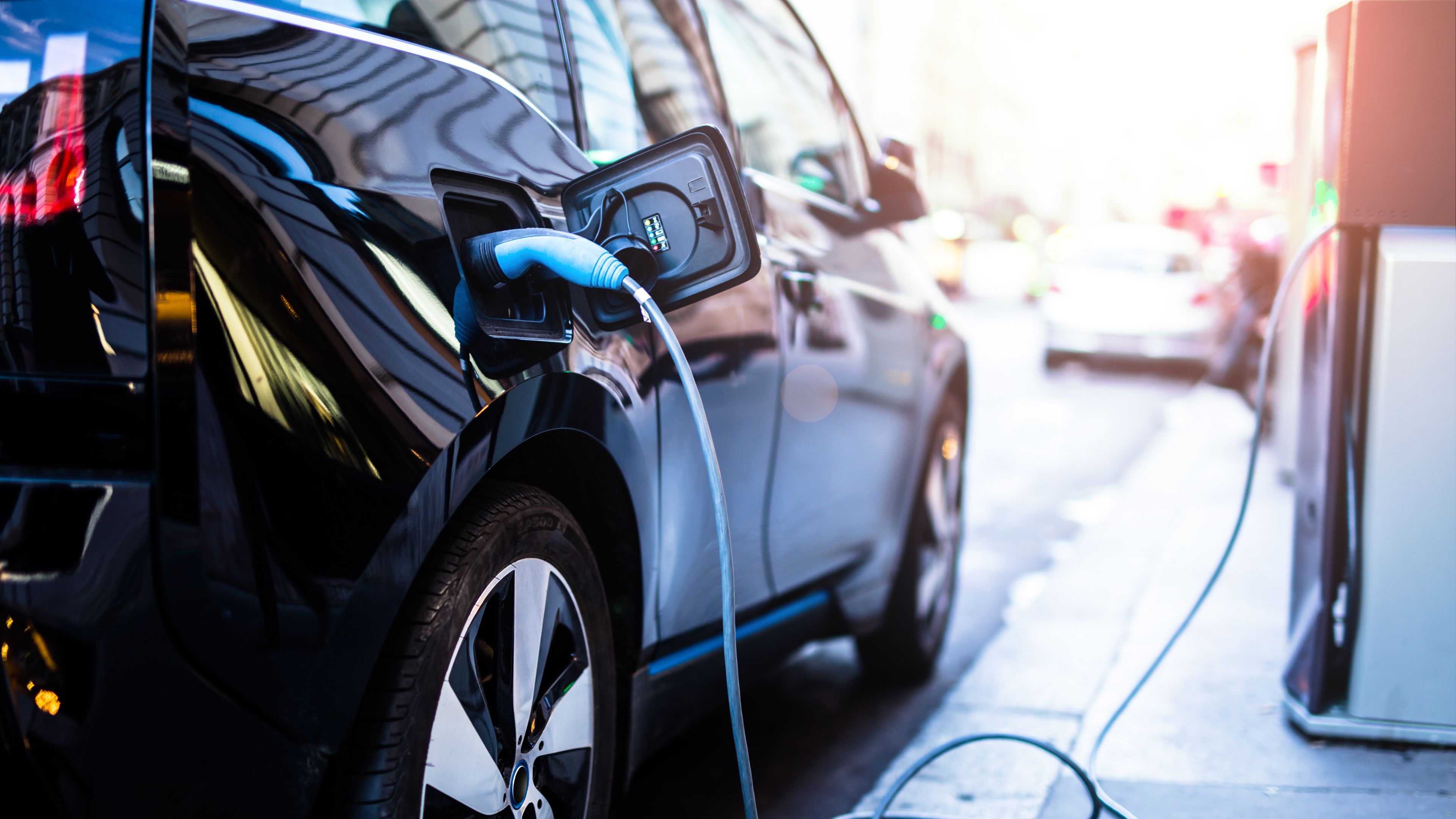
Boost the range of your journey – get to grips with the electric network so you can always get a boost when you need it. Depending on where you’re driving, EV charge points are quite accessible in the Mother of States. In fact, there are more than 1,100 electric car charge points in Virginia, with most of them located around major cities or routes.
For example, in Alexandria, you can find 166 public charging stations, with 84% of charge points offering Level 2 and 3 charging ports. That means more opportunity to power up, and less time before you’re back on the road.
Virginia isn’t resting on their laurels either – with more charge stations being created year-on-year. The Virginia Department of Transport is set to build 19-26 new stations along major interstate routes, including the I-64, I-77, I-81, I-85 and I-95, as well as the I-295. In addition, several stations are set to be upgraded.
How Much Do Electric Car Charging Stations in Virginia Cost?
Until they can make cars out of solar panels, there’ll come a point where you’ll need to figure out how to refuel. On average, you can expect to pay around $0.146 per kWh in Virginia. While that’s cheaper than most states in the US, you may still be looking for ways to save money.
Depending on your lifestyle, you may find rates differ depending on the type of charge points you use. Here are some of the charging options you have:
- Public Chargers – There’s a range of chargers available throughout Virginia, and each has different rules of charging. Depending on where you charge, these could carry a cost or be totally free.
- Home Chargers – While there’s no direct fee for charging at home, you’re likely to see an increase in your electricity bill. While this is cheaper than gas, it’s worth thinking smartly about alternatives before you plug in.
- Level 3 Chargers – Charger levels range from 1 – 3, with level three offering the fastest charge times. While this enables quicker charging, the total usage of electricity doesn’t vary. However, certain places may charge an additional fee for the convenience of using a high-powered charger. While this isn’t always the case, it’s always worth checking first if you’ve got the time to spare.
One of the best ways to keep your costs down is to learn to drive your EV efficiently. While this won’t reduce the cost of charging, it may reduce the frequency. Additionally, many electric car charge points in Virginia provide free charging. Remember, you don’t need to charge to 100% all the time.
Keep your costs down and discover some of the cheapest ways to charge your EV with Hertz.
For additional information on charge points, you can visit Electrify America or ChargeHub online.
Get on the Road!
Virginia is cruising towards its EV goals, with an electrifying effort to transform into a clean-fuel state. While they may not be electric leaders, they’re ahead of most other states in the U.S. With EVs set to overtake gas-powered vehicles, Virginia won’t get left behind. That means better infrastructure in the years to come to support the electric revolution.
Discover the joys and benefits of plugging into electric and supercharge your knowledge, with the Hertz blog.
Related Articles
Do I Need to Return an EV Rental With a Full Charge?
Hertz offers three great options options to recharge your rental EV. Read about them below.

A road trip through Virginia’s civil war sites
With more than 2,000 significant events recorded, discover why Virginia is the ideal spot to hit the road and see some of the best historic Civil War sites.

Guide to Electric Vehicles in Minnesota
Traveling across Minnesota state in an electric vehicle is the best way to explore the Land of 10,000 Lakes. Learn more about electric charging stations and more.


