
A History of the 6 Hours of Sao Paulo Circuit
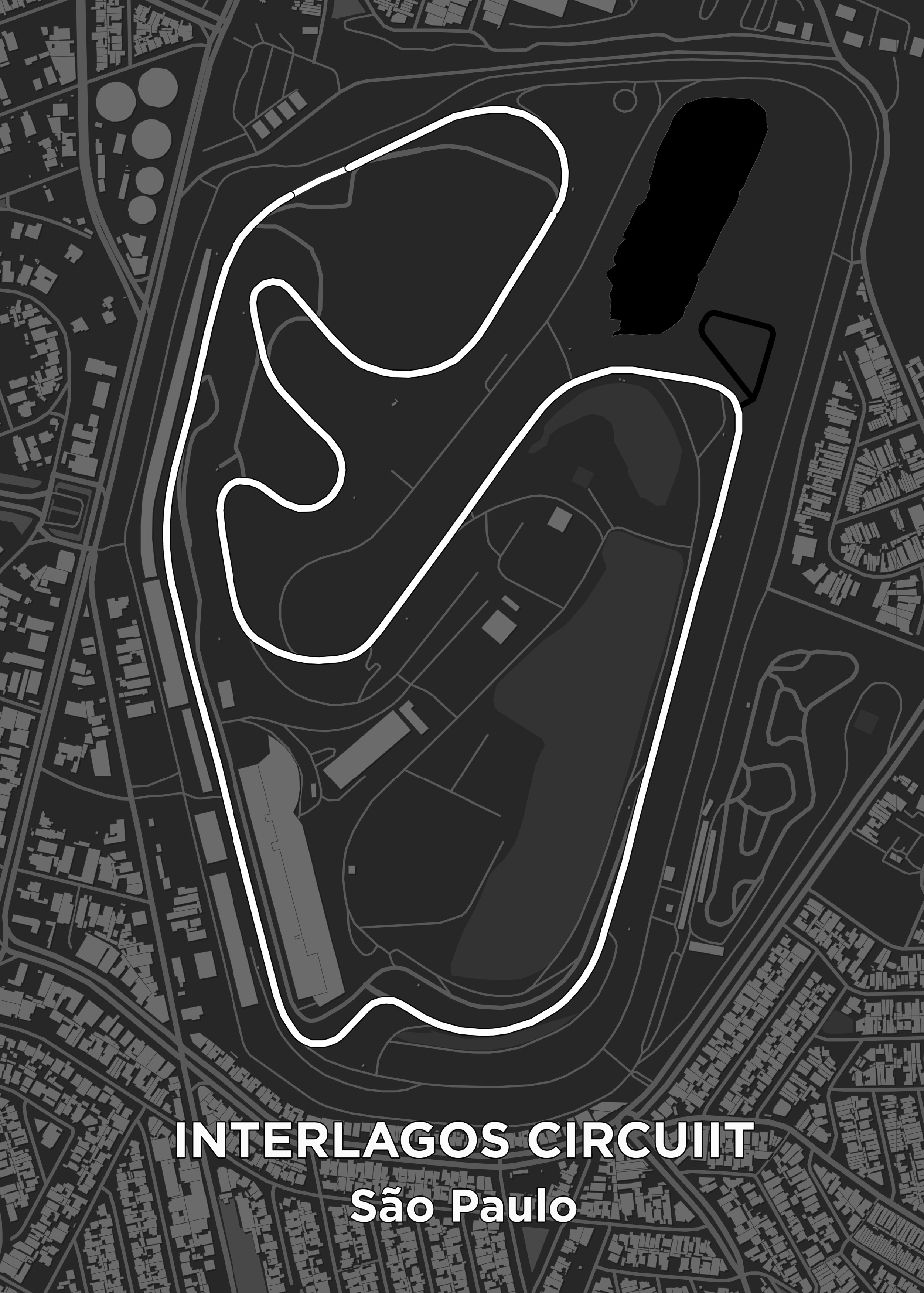
The 6 Hours of Sao Paulo racetrack is set in the hills above the city of Sao Paolo, Brazil. Consisting of all-out straights and sharp bends over undulating ground, it’s a short yet demanding course for drivers and cars alike. It’s often referred to as Interlagos, or Autódromo José Carlos Pace, in honor of the Formula One driver who died in a tragic plane crash.
Interlagos circuit runs counterclockwise, going against the grain compared to other circuits. There’s been some classic motorsport action here throughout the years. The Formula One Brazilian Grand Prix has mainly taken place here since 1972.
The World Endurance Championship (WEC) came here between 2012-2014 – and fortunately for endurance motorsport fans it’s back after a ten-year gap.
Jump to section:
- Where Is The 6 Hours of Sao Paulo Circuit?
- How Old Is The 6 Hours Of Sao Paulo Circuit?
- Memorable Sao Paulo Races
Where is the 6 Hours of Sao Paulo Racetrack?
The 6 Hours of Sao Paulo racetrack – or Interlagos as it’s commonly called – is in the city of Sao Paulo, the capital city of the state of Sao Paulo in Brazil. The weather is unpredictable here, with rain a regular feature of the surrounding area. With anything from a short shower to extended torrential downpours, WEC teams need to prepare accordingly. If nothing else, the variable climactic conditions here add a level of excitement to races. The temperature is usually warm, often humid. It’s on elevated ground, with the climate around the racetrack being slightly different to the rest of Sao Paulo.
How Old is the 6 Hours of Sao Paulo Circuit?
The Sao Paulo circuit opened in May 1940. It’s evolved over the years, going through many changes. Let’s look at some of the major renovations:
- First Upgrade: The first upgrade saw the pit lane increased past the first left turn, making the corner thinner, ending between turns one and two.
- Downsize: In 1990, the track shrunk from 4.8 miles to 2.6 miles – losing just over 50% of its size. Three long straights and nine fast curves were taken out due to safety concerns about the fast corners.
- Re-surfacing: Out with the old, and in with the new asphalt in 2007 – the surface became smoother. The pit lane entrance saw renovations make it safer too, and there was a new grandstand added.
- New Pit Lane Entry: August 2014 saw the beginning of building a new pit lane entry and exit. The hillside besides Laranjinha? Replaced with a concrete wall, making more space for the new pit entry. The pit lane exit moved further back too, creating more run-off. Finally, the existing pit buildings were knocked down and re-built, adding more garage and paddock space.
- Let There Be Light: Interlagos Circuit added 21 new light towers in 2018. Standing at nine meters tall, every 200 meters or so, adding better illumination at night
Memorable Sao Paulo Races
Thrills and spills, on hills. That sums up some of the historic races at Sao Paulo over the years. Formula One saw Fittipaldi and Pace put to the test in some impressive races at the track. Local legend Ayrton Senna had a homecoming triumph with his victory in the 1991 Brazilian Grand Prix. The last lap of the 2008 season saw Lewis Hamilton claim the championship over Brazilian Felipe Massa in a nail-biting finish.
There’s been noteworthy WEC races here too. Let’s jog your memory of a few:
- 2012: The first overall winners of the Six Hours of Sao Paulo were Austrian Alexander Wurz and Frenchman Nicolas Lapierre for Toyota Racing, in the Toyota TS030 Hybrid. As it was the first, it set the tone for future races at the track.
- 2013: German Team Audi Sport Team Joest rode to victory with their drivers consisting of fellow countryman André Lotterer, Swiss Marcel Fässler, and Frenchman Benoît Tréluyer in the Audi R18 e-tron quattro model car.
- 2014: Another German victory saw the Porsche’s 919 Hybrid car, driven by German Marc Lieb, Swiss Neel Jani, and Frenchman Romain Dumas. It was the last one before the ten-year gap.
Now, in 2024, the WEC is back at Sao Paulo.

