
What is the World Endurance Championship?
Explore the exciting world of endurance racing and its premier event – The FIA World Endurance Championship (WEC). A test of skill, fortitude and speed, the WEC pushes some of the world’s top racers to the limits.
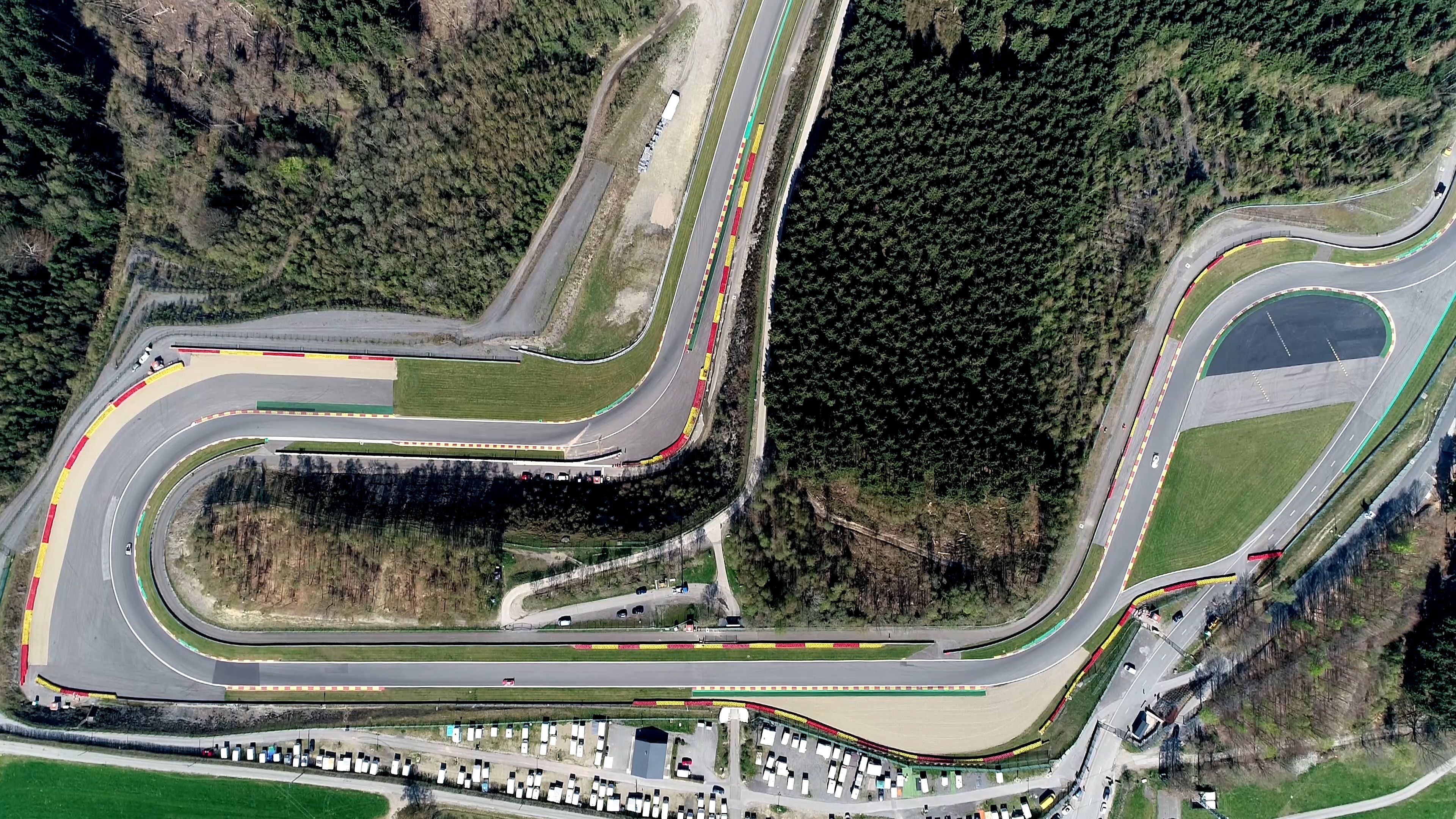
From the dunes of the Middle East to the floodlit French countryside, the WEC calendar covers some of the most iconic racing destinations on the planet. Household names like Ferrari, Toyota and Porsche duke it out to be crowned champions at the end of the season.
Join Hertz, 2023 sponsors of the Hertz Team JOTA, as we look at the championship in more detail.
What is the WEC?
The FIA World Endurance Championship is the leading series in endurance racing. Taking place over a calendar year, the Championship sees top teams and drivers competing to become World Champions across some of the world’s longest and hardest races.
Unlike other motorsports that traditionally complete a set number of laps in a race, WEC events typically take place over a set period – like the iconic 24hrs of Le Mans.
Racing over many hours is extremely challenging, with drivers and their support teams competing at the highest level as the sun rises and falls over the racetrack.
History of the World Endurance Championship
Launching in 2012, World Endurance Championship racing arrived as the rebrand of the popular Intercontinental Le Mans Cup. The new WEC series included much the same rules, tracks and manufacturers, though initially included four racing categories compared to today’s three.
Nine years later, in 2021, WEC launched the reworked Le Mans Hypercar (LMH) class. This new class replaced the outdated LMP1 series as the sport’s newest professional category, aimed at attracting the best drivers and biggest manufacturers in motorsport to the championship.
Le Mans Prototype 2 (LMP2), a prototype racing category for professional and semi-professional drivers launched in 2023. This category aims to bring more accessible racing to the sport without losing out on any of the adrenaline-fueled action.
The upcoming 2024 season will see a rebranding of the lowest category of WEC racing. The existing Le Mans Grand Touring Endurance (LMGTE) Am will be replaced by GT3 Premium, a cost-capped racing platform open to semi-professional entries.
Where does the WEC take place?
The WEC calendar sees teams taking to some of the world’s most celebrated racecourses. The 2023 season includes iconic locations, like the Autodromo Nazionale di Monza, in northern Italy, home of Scuderia Ferrari, and the sweeping Six Heures de Spa-Francorchamps at Belgium’s beloved circuit.
The 2023 calendar includes:
- 1000 Miles of Sebring. The season kicks off in the Sunshine State with 1000 miles of the Sebring International Raceway in Florida, USA.
- 6 Heures de Spa-Francorchamps. We head to Europe, to the iconic curves of the Circuit de Spa-Francorchamps in Belgium’s central Stavelot district.
- 24 Hours of Le Mans. The jewel of the WEC calendar, the enduringly popular 24hrs of Le Mans in the French countryside.
- 6 Hours of Monza. WEC heads to northern Italy and the city of Monza for the world-famous six-hour race at the Autodromo Nazionale di Monza.
- 6 Hours of Fuji. We race under the shadow of Mount Fuji in Japan’s Oyama district.
- 8 Hours of Bahrain. The WEC circus heads to the dunes of Sakhir for eight hours of racing in the Kingdom of Bahrain.
- 6 Hours of Portimão. The 2023 curtain-closer at the Algarve International Circuit on the Portuguese coast.
The weekend includes a qualifying session, to determine the starting grid for the race before the race itself the following day.
How does the World Endurance Championship work?
A World Endurance Championship race takes place over a set duration or set number of miles. The overall winner in each category is the team with the most mileage (in time-based races) or the first to meet the distance required (in mileage races).
The points system
Points are awarded to the top ten finishers, with first place receiving the most and the points thereafter decreasing on a sliding scale. Drivers who finish from 11th onwards are awarded half a point.
The points awarded depend on the length of a race.
- 6 Hours – 25pts for 1st, 18 for 2nd and 15 for 3rd.
- 8 Hours – 38 for 1st, 27 for 2nd and 23 for 3rd.
- 24 Hours – 50 for 1st, 36 for 2nd and 30 for 3rd.
The driver who secures pole position in Qualifying is also awarded a point.
Driver selection
Depending on the category, drivers can be professional or semi-professional. A team typically includes two to three drivers. Each driver is required to race for a ‘stint’ – a set period spent on track in the car, so that all driving requirements are shared equally among the team’s trio.
Learn more about the drivers who will be racing for Hertz Team JOTA.
Entry and release conditions
To enter each race, cars must adhere to strict regulations around weight and performance level. Before the lights go out on race day, the teams compete in practice and qualifying sessions.
Beyond that, there are several additional barriers to entry.
- All teams must qualify with a time that is within 110% of the fastest car in their category to ensure competition within the class.
- If a car is pushed into the pits or enters the garage for repairs during a qualifying session, the car is immediately disqualified from the session. The car will start from the back of the grid on race day.
- Each driver must complete at least five laps of practice during a twilight or night session to be eligible for race day.
WEC classes
There are three car classes involved in the World Endurance Championship:
- LMH (Le Mans Hypercar): The pinnacle of endurance racing, this top level of WEC cars is a joint project of the FIA and the ACO and was built to accommodate cars built to both LMH and LMDh technical regulations while replacing the old LMP1 class. The likes of Porsche, Audi and Toyota feature in this class.
- LMP2 (Le Mans Prototype 2): This second class of prototype class is a more flexible subset that allows for a variety of professional and semi-professional drivers to take to the field in cars slightly less powerful than the hypercar.
- Le Mans Grand Tourers (LM GTE-AM): The second major category within endurance racing, it involves the use of street-legal sports and GT cars that are modified for the track. Generally, anyone can race in this category with the necessary finance and the appropriate license.
Find out more about the WEC classes here.
World Endurance Championship FAQs
Who owns WEC?
The WEC is managed by the Fédération Internationale de l'Automobile (FIA), the world-governing body of motorsport. The FIA co-organize the racing format with Automobile Club de l'Ouest (ACO).
How hard is endurance racing?
Endurance racing pushes drivers and teams to the limit of human resilience. Not only are teams subject to the high-speed racing of traditional motorsport, battling under intense conditions with each race, but they must also do it over full-day distances. Races take between six and 24 hours to complete, much more than the conventional hour to two-hour sprints of other FIA events.
What are world endurance cars?
World endurance cars include a variety of professional and semi-professional categories. However, the most recognizable is the Le Mans Hypercar, the pinnacle of WEC motorsport. Read more about the legendary endurance racing cars here
