


Become a Hertz Gold+ Rewards member


08/21/2023 • 6 min
Guide to Electric Vehicles in Alabama
Discover how electric car ownership is developing in Alabama. Plus, learn about their electric car charging stations and the tax credits on offer.
Electric car use in Alabama is on the rise, with plans to make the state an EV hub that’s filled with environmentally-friendly vehicles. Home to some of the most prominent electric auto brands, such as Mercedes-Benz and Hyundai, both residents and the government have become more aware of the many benefits of electric vehicles. This includes reduced pollution, cost savings and more convenient long-distance travel.
Learn more about electric car ownership in Alabama, and get the information you need about electric car charging stations in Alabama, registration and licensing, incentives and rebates, plus electric car tax credit, in this comprehensive guide.
How Many EVs Are There in Alabama?
There’s been a huge surge in electric car ownership in Alabama in recent years. It’s estimated that over 9,000 EVs are currently registered in the state, with a dramatic 60% rise having taken place between 2020 to 2021.In terms of how Alabama fares in the total US EV sales, they’re on the lower end with 0.33%. However, this is an improvement on the 0.1% they contributed in 2021.
Unlike, say, California, Alabama officials have no plans to phase out gas-powered vehicles. The state uses taxpayer contributions to support the electric vehicle industry. This is partly because Alabama has a thriving automotive manufacturing industry, and they’re hesitant to hinder this by making the switch to EVs mandatory.
However, the brands based in the state are actively producing electric cars. For example, Mercedes-Benz makes EVs at its assembly plant in Vance, along with EV batteries in Bibb County. Meanwhile, Hyundai has invested $300 million into the production of its all-electric car Genesis GV70 SUV at its Montgomery plant.

Are There Incentives for Electric Cars in Alabama?
In some American states, the government offers electric car incentives to provide drivers with even more reason to make the switch to an eco-friendlier, energy-efficient way of getting around. However, this is not the case in Alabama.
Currently, the state doesn’t provide any vehicle-based incentives. However, drivers can access federal tax credits. The electric car tax credit in Alabama could save EV drivers up to $7,500 depending on the capacity of their car battery.
Commercial and residential EV drivers can also benefit from discounted Time-of-Use (TOU) rates through Alabama Power, a local utility company. This offers lower rates for electricity during off-peak hours so that drivers can make savings when charging their cars.
For residential customers, the low-cost EV charging period is from 9 p.m. – 5:00 a.m. These customers will gain a monthly discount of 1.7155 cents per kWh.
Commercial customers are required to pay a base charge of $100. They are then charged for the energy they use to charge EVs, with rates depending on the time of the day and two monthly periods between June 1 – September 30 and October 1 – May 31.
EV Registration, Licensing, and Fees in Alabama
According to electric car law in Alabama, any vehicle used on public roads must be registered with the Department of Revenue's Motor Vehicle Division (MVD). That’s unless the car will only be used on your personal property or driven off-road.
Registration fees for EVs in Alabama
On top of the standard vehicle registration fees ($23), EV drivers in Alabama are charged an extra $200 per year. Hybrid car drivers are required to pay an additional $100. Plus, EVs are set to rise by a further $3 from July 1, 2023, and every fourth year thereafter. Drivers must also pay an annual additional fee of $50.
Vehicle Excise Duty/Road Tax for EVs in Alabama
EV drivers are not required to pay road tax as they do not use fuel. However, states tend to recover some of these fees in registration costs.
Electric Vehicle Insurance Costs in Alabama
The cost of ensuring an EV in Alabama will vary depending on the value of your car, as well as your driving habits and history, plus personal details like your zip code. It’s estimated that the cheapest monthly cost for EV car insurance in Alabama is around $114.
Alabama EV charging network
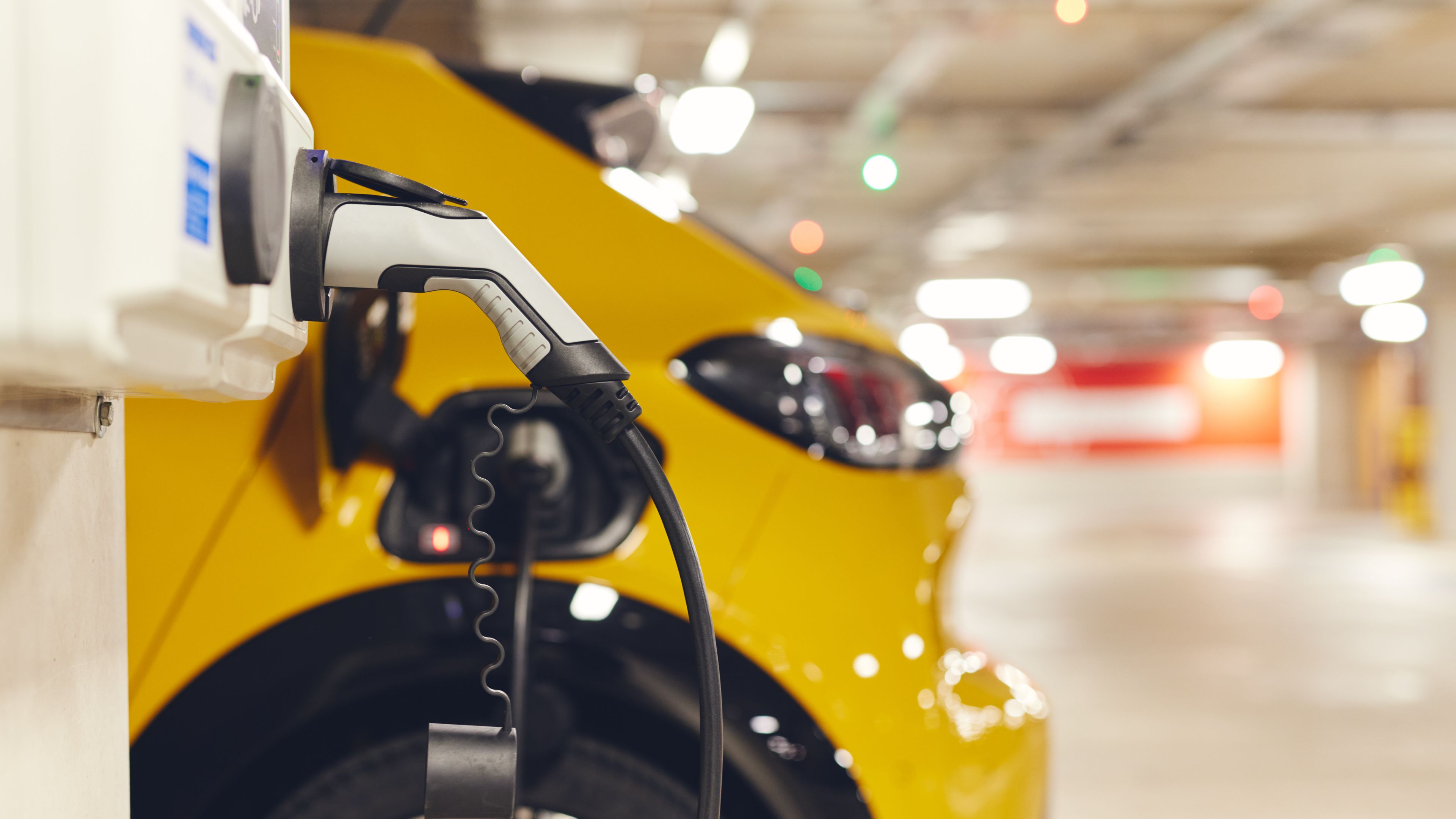
Currently, there are approximately 1,176 electric car charging stations in Alabama. These are mainly Level 2 or DC fast charging (DCFC) stations. At the moment, the city with the most electric car charging stations in Alabama is Birmingham-Hoover.
Cost of charging an EV in Alabama
Alabama ranks No. 26 for charging costs in the U.S. The cost of charging your EV in Alabama is reliant on the type of charger you need and where you are in the state. Level 1 chargers are usually free, however, sometimes they can cost from around $1.50 to $14, depending on the size of your car’s battery.
Level 2 charging is also free at some locations. But at stations that charge, you’ll typically pay between $0.20 to $0.30 per kWh - a total average price of around $8 to $40.
DC fast chargers typically charge a similar amount to Level 2 chargers. While some locations charge by time (per minute), others charge by electricity (per kWh). The average cost of charging an EV nationwide is approximately $0.35/kWh, which works out to around $10 to $30 per charge.
On occasions when you’re not charging your battery up completely, you could top up for $10 or less.
Plans to expand the EV charging network
In 2022, Alabama ranked 47 out of 50 states in terms of EV charging facilities, with 8.4 charging points per 100,000 vehicles. With the state’s hopes to become an EV hub, the number of electric car charging stations in Alabama is set to rise.
The government is said to be investing $2 million into electric car stations in Alabama along Interstate 22. They will also place another $79 million into federal funding toward the infrastructure on highways and interstates. Plus, the Alabama Department of Economic and Community Affairs (ADECA) is seeking an additional $5 million for Alabama highways.
Alabama home charging support
Through Alabama Power, customers can receive a $500 rebate for the purchase and installation of a Level 2 (240V) home charger. This is through their Home Charger Rebate.
Here are the eligibility criteria for the program:
- The customer must be a residential customer of Alabama Power.
- You can only apply to add the charger to a single-family home.
- You must verify that you own or lease a battery electric vehicle (BEV) or plug-in hybrid electric vehicle (PHEV).
- You can only apply for one charger rebate per installation site.
- You must provide photographic evidence of the installed charger, along with proof of purchase and serial number.
- The charger must be a Level 2 (240V) electric vehicle charger with a dedicated circuit.
- The charger must have been bought within 90 days of the rebate application date.
Now is the time to make a change and join the ever-increasing community of EV drivers in Alabama. With more EVs being manufactured than ever, right on Alabama residents’ home turf, there’s plenty of opportunity for you to find a suitable charger car for your needs.
Plus, with plans to improve the state’s charging infrastructure underway, you’ll have everything you need to stay on the move.
Stay fuelled up on EV news with our dedicated Hertz blog. It keeps you in the driver’s seat when it comes to new developments you’ll want to know about.
Related Articles
Do I Need to Return an EV Rental With a Full Charge?
Hertz offers three great options options to recharge your rental EV. Read about them below.
5 Best Alabama Road Trips
Get to know the southern states with an Alabama road trip. Take your pick of five amazing routes to explore this landmark of American history with Hertz.

Race Weekend Guide to Talladega, Alabama
Planning a race weekend at Talladega, Alabama? Find the best things to do and explore Nascar’s superspeedway with this handy guide from Hertz.


