
Circuit Guide to Fuji
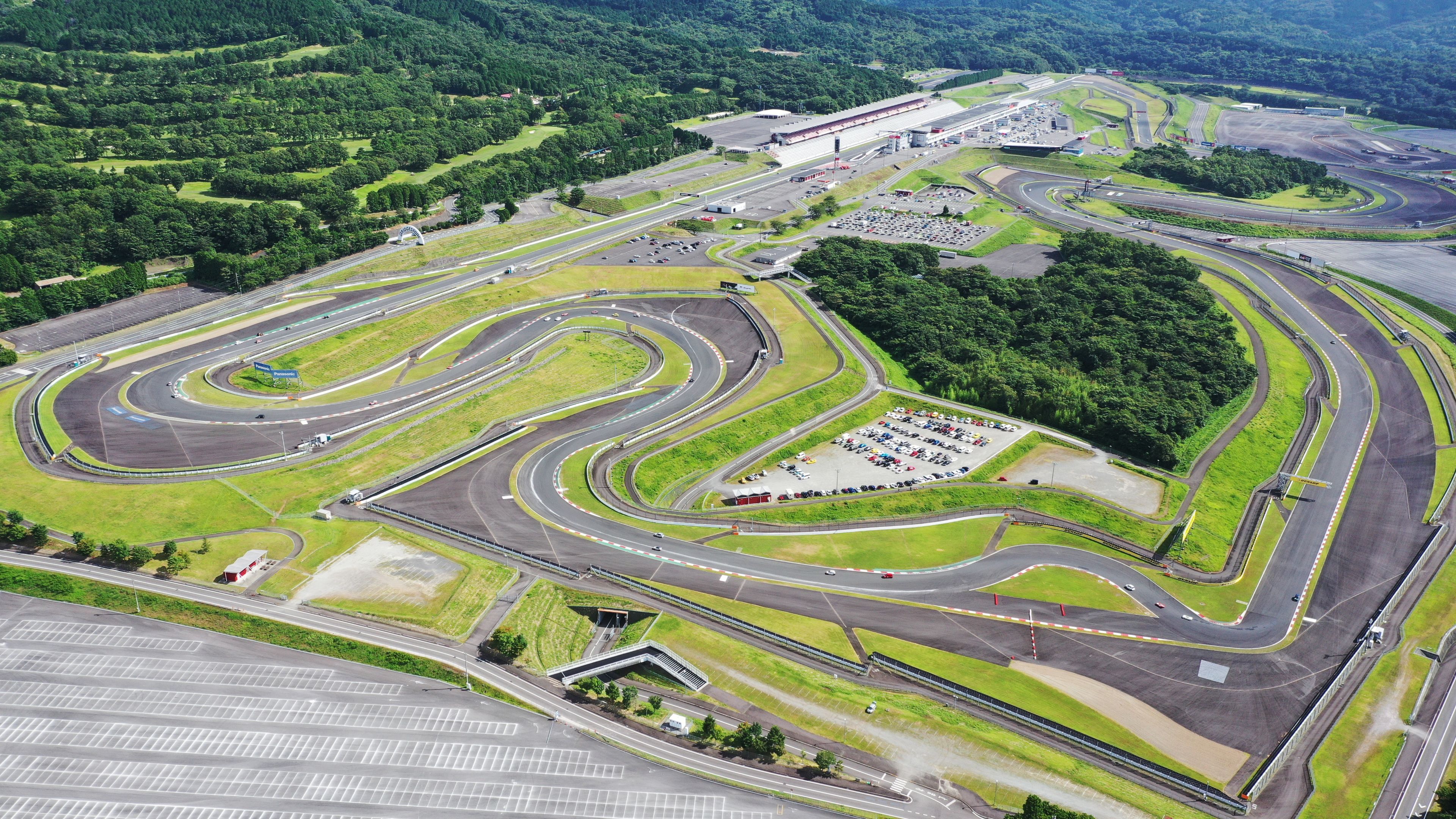
Strap yourselves in, we’re about to explore the Fuji Speedway. Located at the foot of Mount Fuji in Japan – which is where the speedway gets its name – the circuit has one of the longest straights in motorsport at almost 1 mile in length. (This is 0.2 miles longer than the straight at Monza, another WEC venue.)
Buckle up – we’re about to discover more.
Where is Fuji Speedway Circuit?
The Fuji Speedway circuit is in Japan in Oyama, Sunto District in the Shizuoka Prefecture – just an hour and 20-minute drive from Tokyo.
Simply hop in your Hertz car rental and head over to enjoy some of the area’s cultural highlights – including tea ceremonies, sumo wrestling, and even Mount Fuji itself.
Fuji Speedway – What You Need to Know
The Fuji international circuit hosts various motorsport events throughout the year, as well as the WEC. These include Super GT, Super Formula, FRJC, and – up until recently – even Formula One. The track is just over 2.8 miles in length, with tricky track elements such as the Panasonic Corner and the Daiichi turn.
Track Facts
The circuit is a Grade 1 certified circuit – meaning it has a license to hold all forms of car and truck racing. There are 16 turns in total. It opened in 1965, with initial plans for a super speedway, similar to American-style designs, with a 30-degrees banking and road course. However, these plans came to a halt as the funding stopped.
Throughout the years Fuji Speedway went through ongoing developments, such as changing the direction of the track to clockwise and adding a new corner that skipped the banking. It was rebuilt in 2005, and – despite no further changes – continues to be a driver and fan favorite among motorsports enthusiasts. There’s even talk of building a motorsport park here in the future.
What Sort of Driving Does Fuji Demand?
Due to the difficult corners and changes in elevation, achieving balance of the car is paramount on this track, and remaining stable throughout the various camber changes to keep lap times down.
Those aforementioned corners take no prisoners. In particular, the Panasonic Corner and Daiichi Turn are notoriously tricky due to both turns requiring drivers to switch speeds and brake in a precise manner to avoid veering off the track.
If it sounds complicated, that’s because it is, which is why drivers need to be extra cautious of their position when they exit a turn because one wrong move will cost them precious seconds.
Remaining steady and maintaining a good rhythm in the final two corners can ensure clean exits, this is key to making a smooth entry into the start/finish straight.
Common Overtaking Spots
The act of overtaking in a race is when one driver tries to pass another to take a higher position up the track. Drivers need to know the best spots for overtaking prior to the race. The main overtaking spot on the Fuji Speedway is the straight, leading into Turn One – for obvious reasons, as it provides around 1 mile of uninterrupted road for drivers to challenge each other for positions.
Viewing Points
The Grandstand, located on the 1st corner, can seat well over 20,000 visitors and offers splendid views of the track. There are even 10 platinum rooms, where you can bring up to 30 guests, as well as VIP boxes. This is perfect for motorsport enthusiasts that want to splash a bit of extra cash to enhance their overall Fuji Speedway experience.
Fuji Speedway Facts and Stats
- First race year in WEC: 2012
- Total length in lap distance (miles): 2.827 miles
- Number of turns: 16
- Oveall duration (hours): 6 hours
- Most successful drivers (in WEC): Sébastien Buemi, Brendon Hartley
- Fastest WEC lap: 1m22.639 lap by Mark Webber in an LMP1 car in 2016
- Top speed: 200.95 mph by Ben Hanley in the LMP1 class in 2018
Why Should You Go to Fuji Race Track?
Endurance racing at Fuji Speedway offers exhilarating action in the World Endurance Championship, with many teams battling it out for victory on what is a legendary motorsport venue. An often close-fought contest, mixed with the atmosphere of the crowd makes a visit to Fuji circuit a worthwhile addition to your plans.
As well as the race itself, the scenery surrounding the grounds offers mesmerizing panoramic vistas of the Japanese countryside at the base of Mt. Fuji. Best of all, you can even have a go at driving on the track yourself, when races aren’t taking place.
